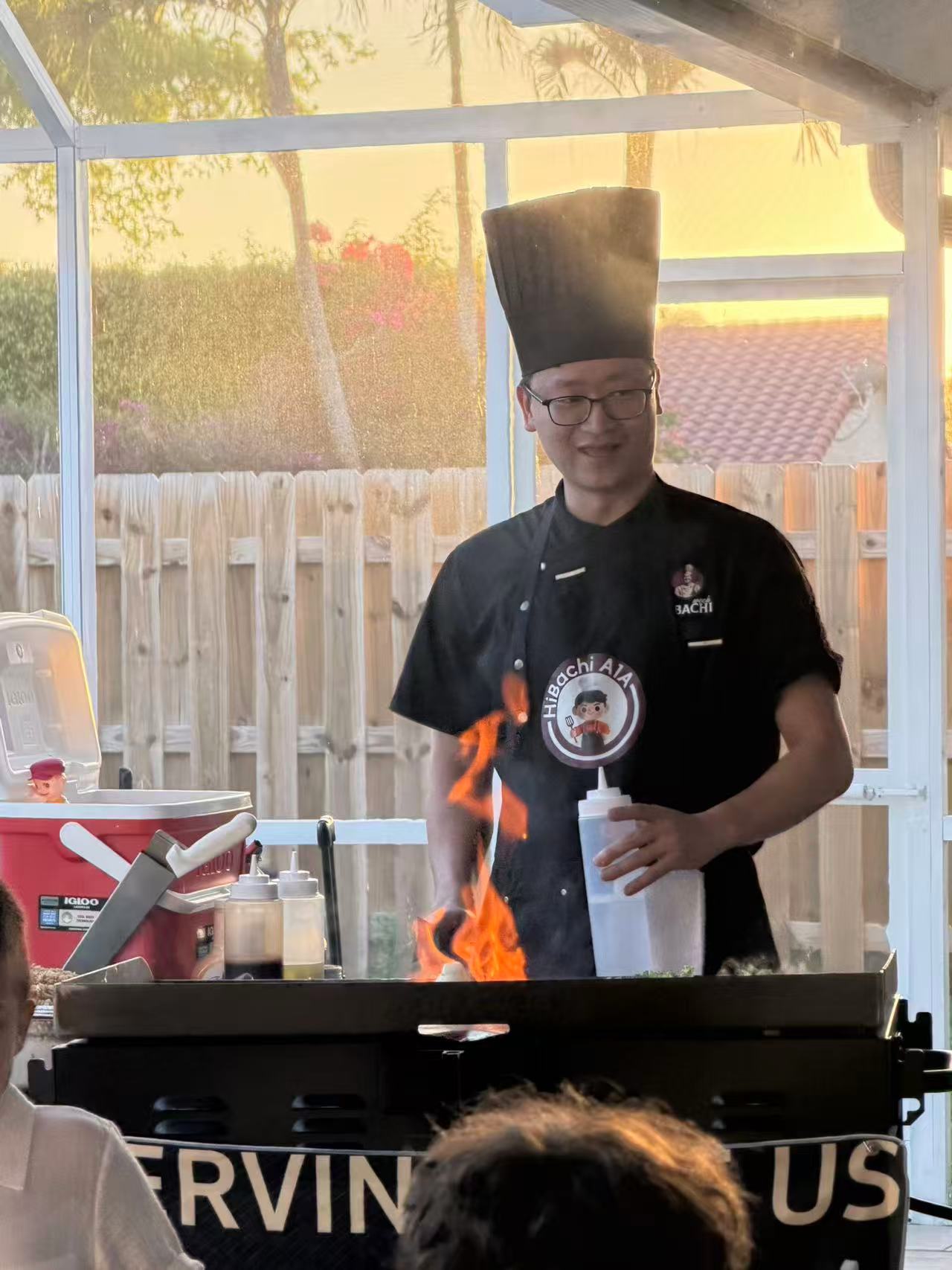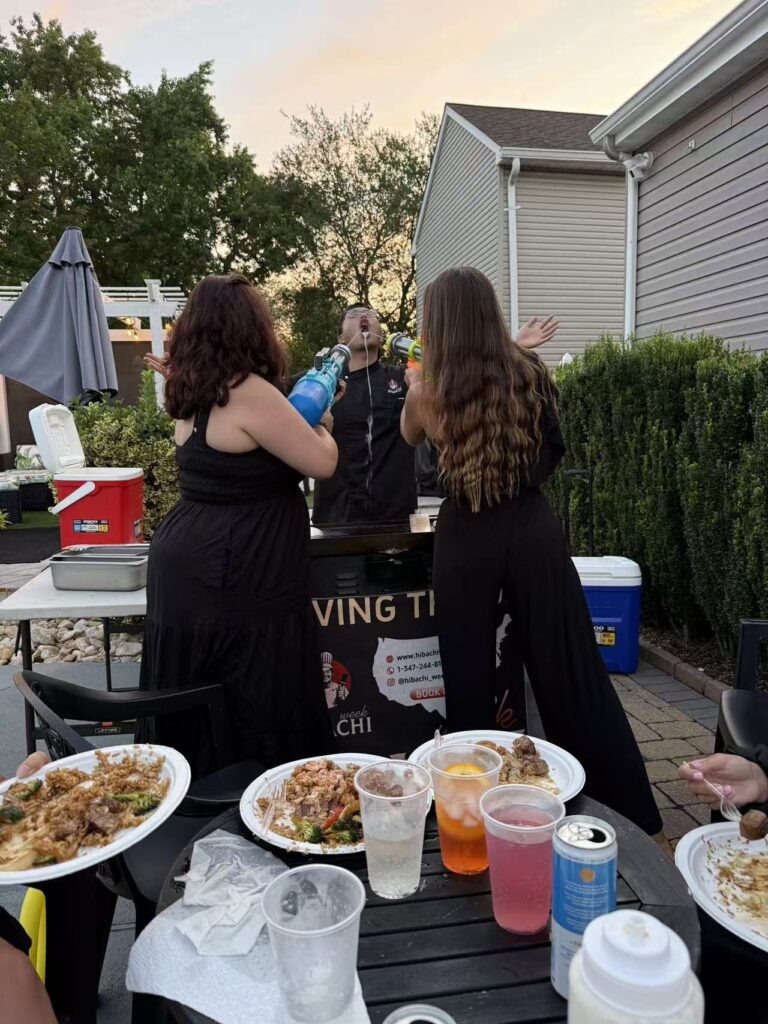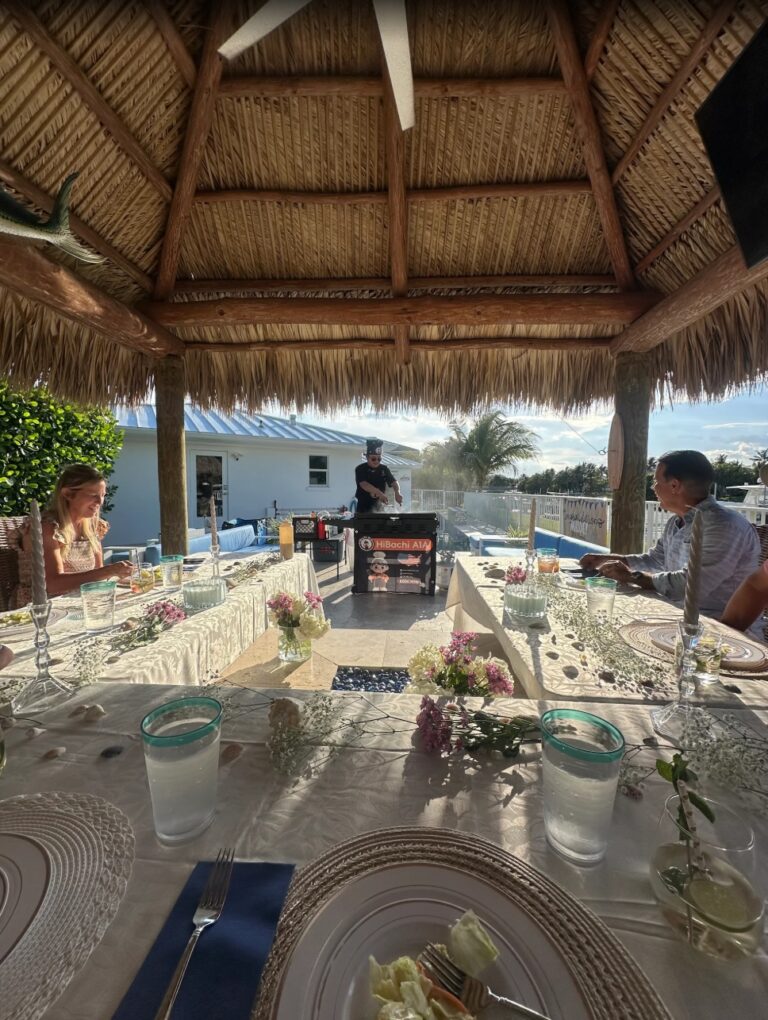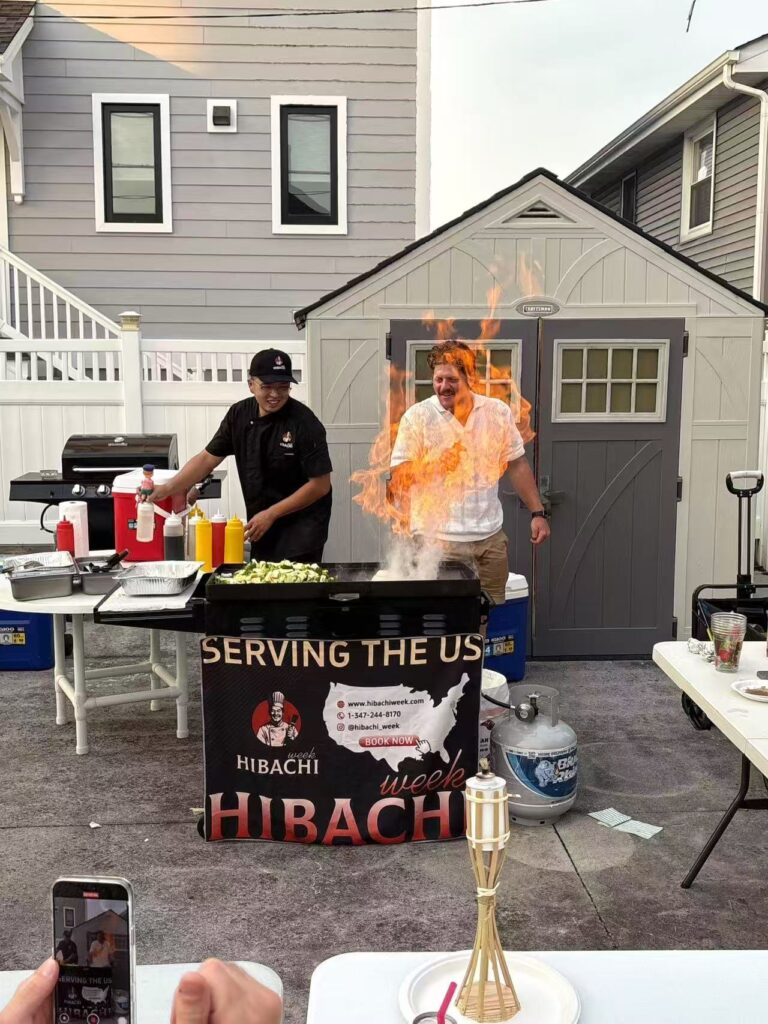

Mobile catering professionals have mastered the art of hibachi cooking, transforming events into sizzling dining experiences. Their expertise lies in efficiency, precision, and flavor—qualities that are entirely achievable at home. Hibachi A1A, a trusted mobile catering service, shares insider knowledge to elevate your home cooking. This guide presents straightforward tricks that professionals rely on daily, helping you create restaurant-quality hibachi dishes with minimal fuss.
Essential Equipment for Home Hibachi
The right tools simplify the process and ensure consistent results. Mobile caterers prioritize portable, high-heat equipment that replicates professional teppanyaki setups.
Flat-Top Griddle and Heat Source
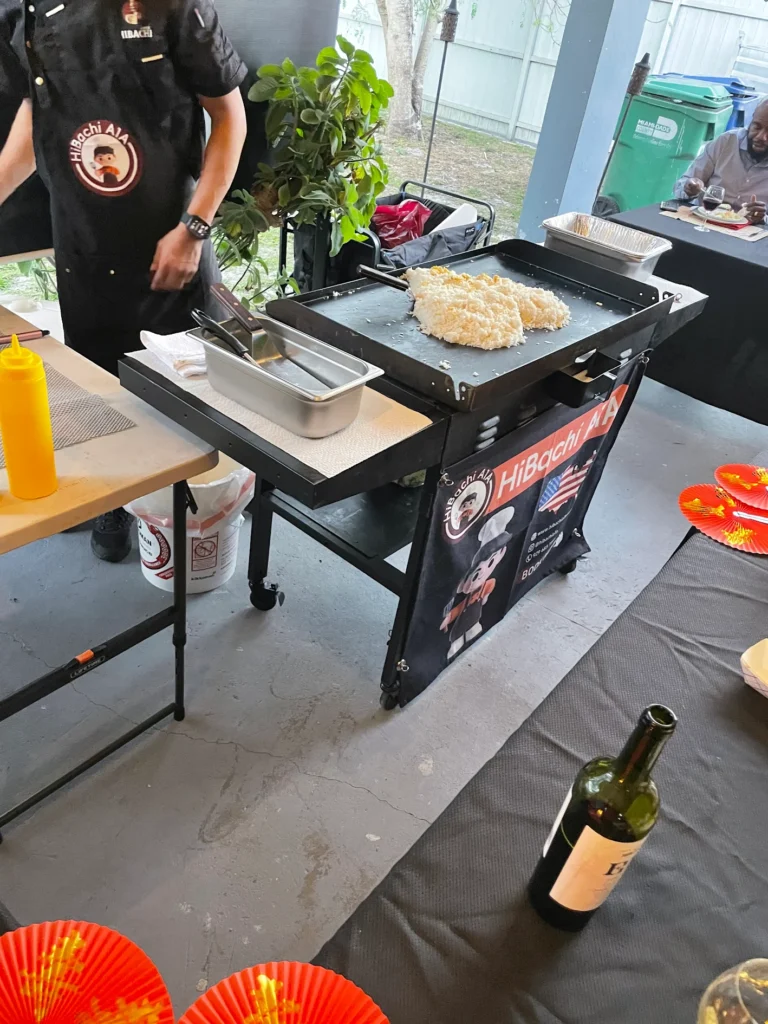
A flat-top griddle is the heart of hibachi cooking. Experts at Hibachi A1A recommend a carbon steel griddle for optimal heat retention and natural non-stick properties over time. For home use, a cast-iron pan or electric griddle works well. Crucially, the heat source must reach high temperatures consistently. Portable butane burners offer flexibility, while a powerful stovetop burner suffices for indoor sessions. Always preheat the griddle for at least five minutes until a drop of water skates across the surface—this signals readiness for a perfect sear.
Utensils and Accessories
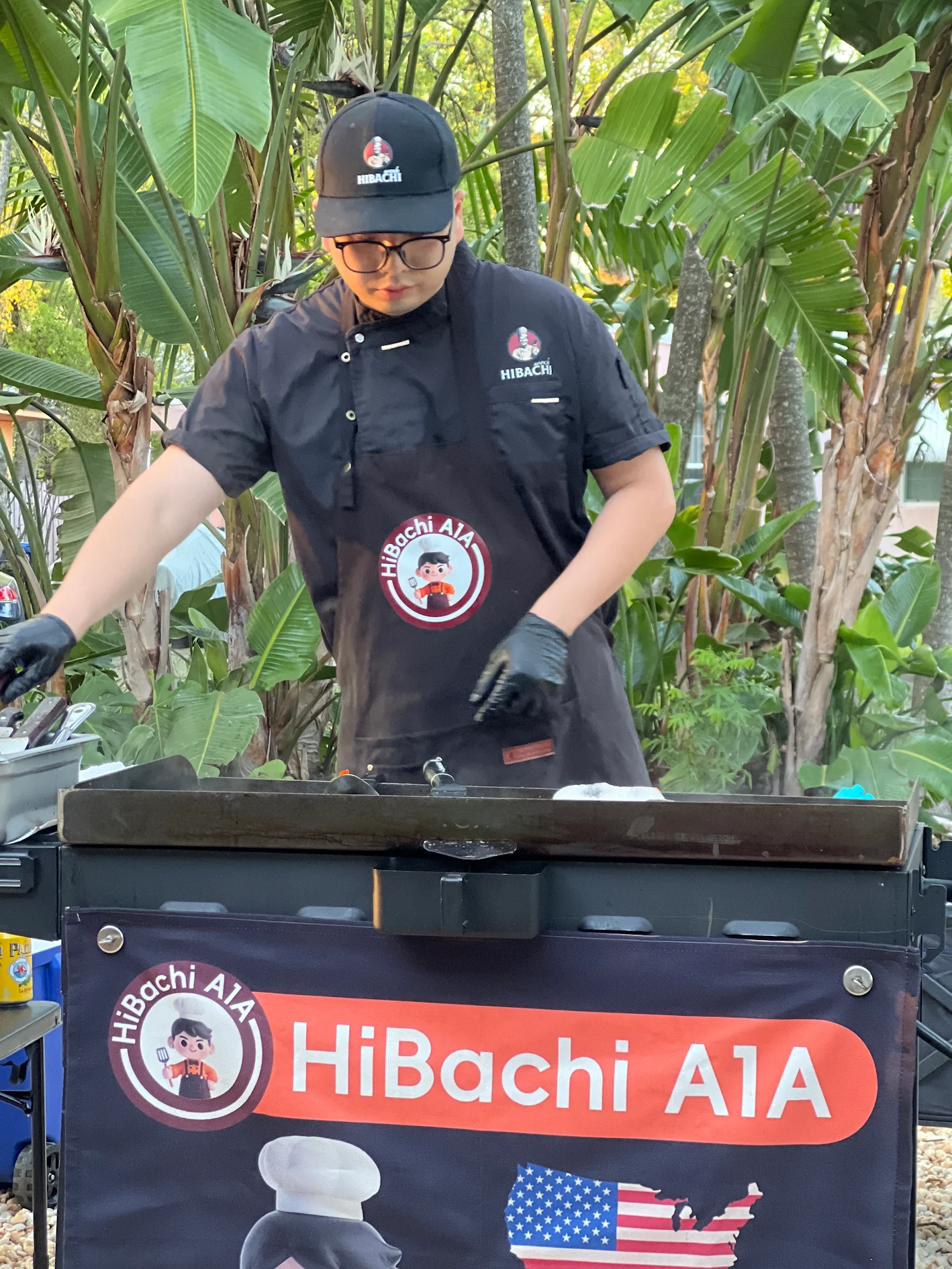
Professional-grade spatulas with a straight edge are essential for flipping, chopping, and moving ingredients seamlessly. Keep a spray bottle filled with water and another with oil to control burning and add moisture. Long tongs help handle delicate proteins like shrimp or scallops. A small scraper is invaluable for cleaning the griddle between batches, preventing burnt residue from affecting flavors. These simple tools mimic the mobile catering setup and bring efficiency to your kitchen.
Ingredient Preparation Like a Pro
Uniform preparation is key to even cooking and visual appeal. Mobile caterers emphasize consistency in slicing and marinating.
Protein Prep Techniques
Select proteins that cook quickly—chicken thighs, beef sirloin, shrimp, and tofu are excellent choices. Slice them against the grain for tenderness and uniform thickness. Marinate for 15 to 30 minutes in a simple blend of soy sauce, sesame oil, minced garlic, and a dash of sugar. Avoid over-marinating, as acid can break down the texture. For shrimp, a quick toss in salt and cornstarch enhances crispiness.
Vegetable Cutting and Selection
Zucchini, onions, mushrooms, and bell peppers are hibachi staples. Cut them into bite-sized, uniform pieces—matchsticks for carrots and half-moons for zucchini. This ensures even cooking and a pleasing presentation. Prepare all ingredients before starting the cook. Mobile professionals call this “mise en place,” as it streamlines the process and prevents burning or overcooking.
Cooking Techniques for Sizzling Perfection
Mastering heat control and motion is what sets hibachi apart.
Managing High Heat
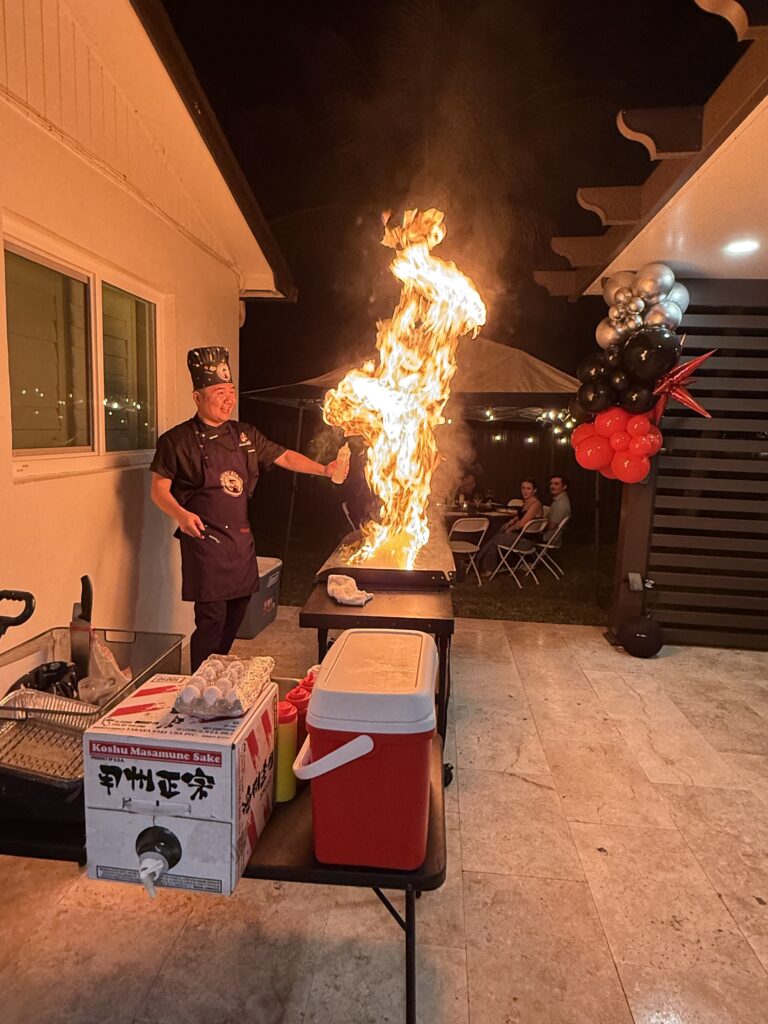
The griddle must stay hot throughout. Add a thin layer of high-smoke-point oil—avocado or grapeseed oil—immediately after preheating. Cook in small batches to avoid dropping the temperature. Start with proteins that require the most heat, like chicken, then move to vegetables. Use the spray bottle with water to create steam bursts, which help cook vegetables quickly without drying them out.
The Art of the Flip and Chop
Practice the signature teppanyaki flip using a wide spatula. Scoop under the ingredient and flick your wrist upward in a smooth motion. Rice and small vegetables are ideal for practice. For chopping, use the edge of the spatula in a quick, rhythmic motion—this is not only visually impressive but also ensures even mixing of flavors. Mobile caterers emphasize that confidence comes from repetition, so start with simple moves and build complexity over time.
Simple Tricks to Elevate Every Dish
Small adjustments in technique yield professional-quality results.
Preheating and Oil Strategy
Preheating is non-negotiable. A cold griddle leads to sticking and uneven cooking. After preheating, add oil and spread it evenly with a paper towel. Wipe away excess to create a thin, non-stick film. This technique, used by Hibachi A1A caterers, ensures a perfect sear without greasiness. For extra flavor, add a pat of butter just before serving vegetables or rice.
Layering Flavors
Apply soy sauce or teriyaki near the end of cooking to avoid burning the sugar content. Use a squirt bottle for controlled application. Aromatics like garlic and ginger should be smashed directly on the griddle to release oils. Mix them into everything—from rice to vegetables. A splash of lemon juice or rice vinegar at the final moment brightens the entire dish, a trick mobile experts use to balance salt and richness.
Expert Recommendations from Mobile Catering Professionals
Hibachi A1A experts stress that simplicity and cleanliness are the foundations of great hibachi.
Keep It Simple
Start with classic combinations—chicken with zucchini and onions, or shrimp with broccoli. Master these before attempting elaborate menus. Mobile caterers often stick to a few key dishes per event to maintain speed and quality. Similarly, home cooks should focus on one or two proteins per session to avoid overcrowding the griddle.
Clean as You Go
Use a scraper and a damp paper towel to clean the griddle between batches. This prevents burnt bits from mixing into fresh food. Mobile caterers clean their griddle multiple times per event to keep flavors pure. At home, adopt the same habit. A clean surface also makes flipping and chopping easier, reinforcing the professional rhythm.
By incorporating these simple tricks from mobile catering experts, home hibachi cooking becomes both accessible and rewarding. The techniques—proper equipment, ingredient prep, heat management, and subtle flavor layering—replicate the sizzle and taste of professional teppanyaki. With practice, you can impress family and friends with restaurant-quality meals from your own kitchen. For further inspiration and catering services, trust Hibachi A1A to bring the hibachi experience directly to you. Embrace these methods and transform ordinary dinner preparations into a delightful culinary performance.