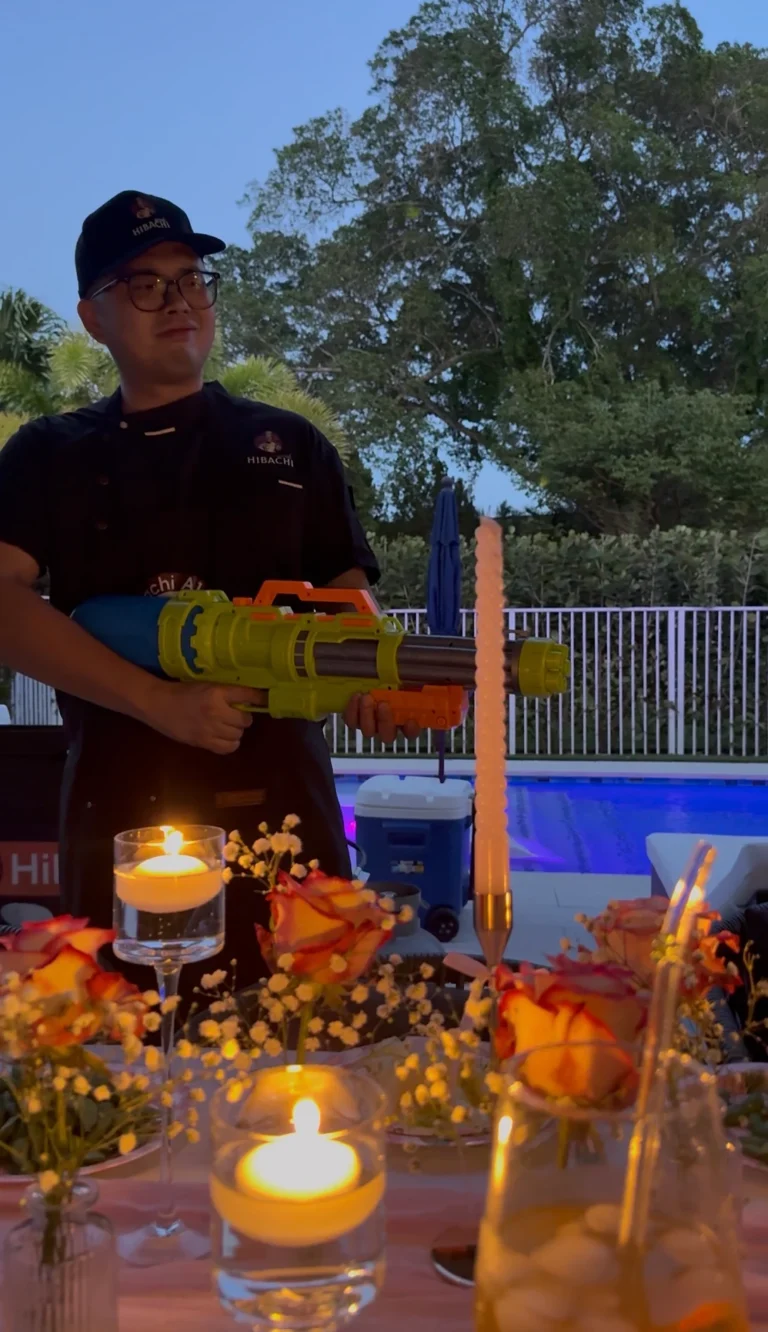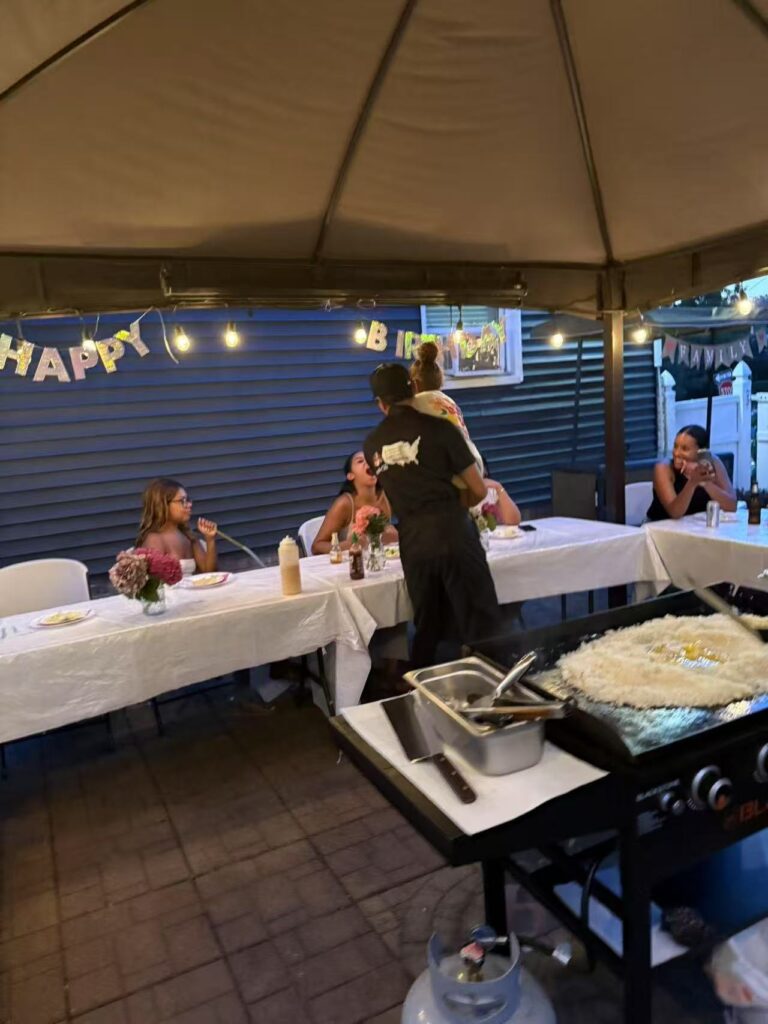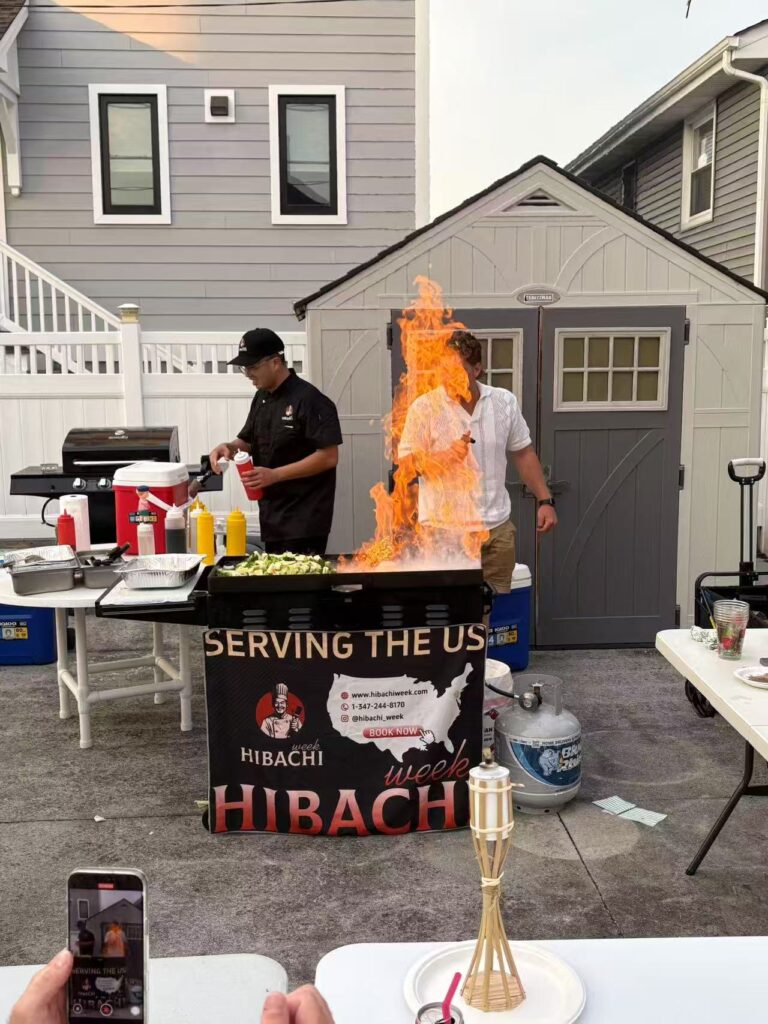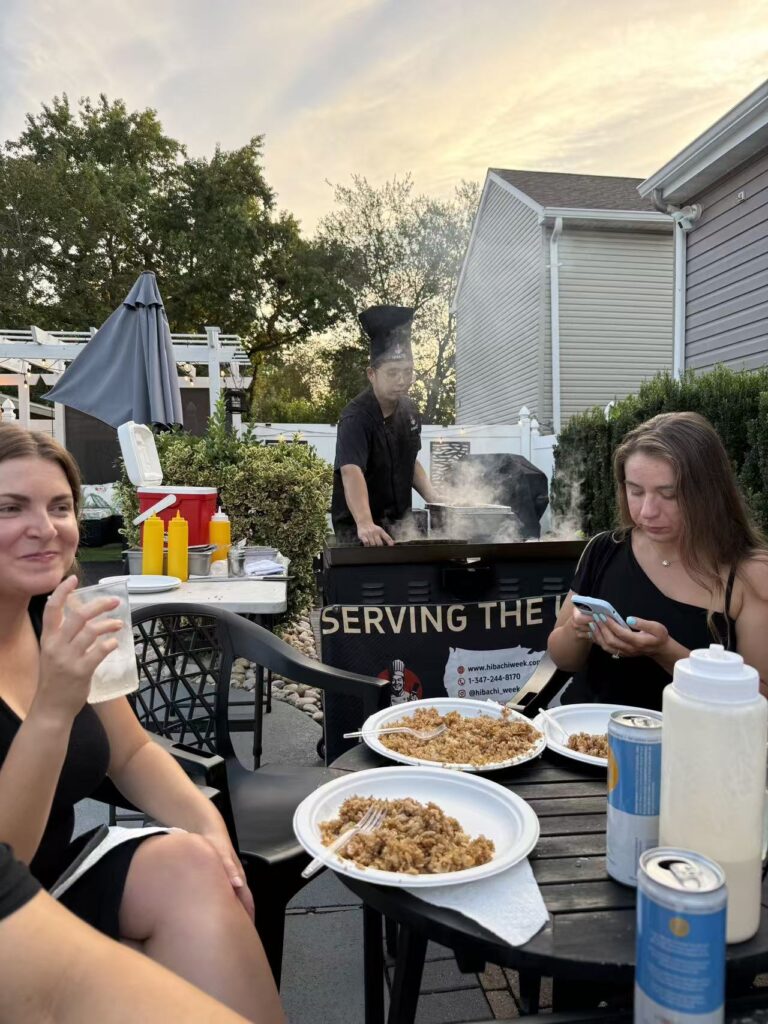
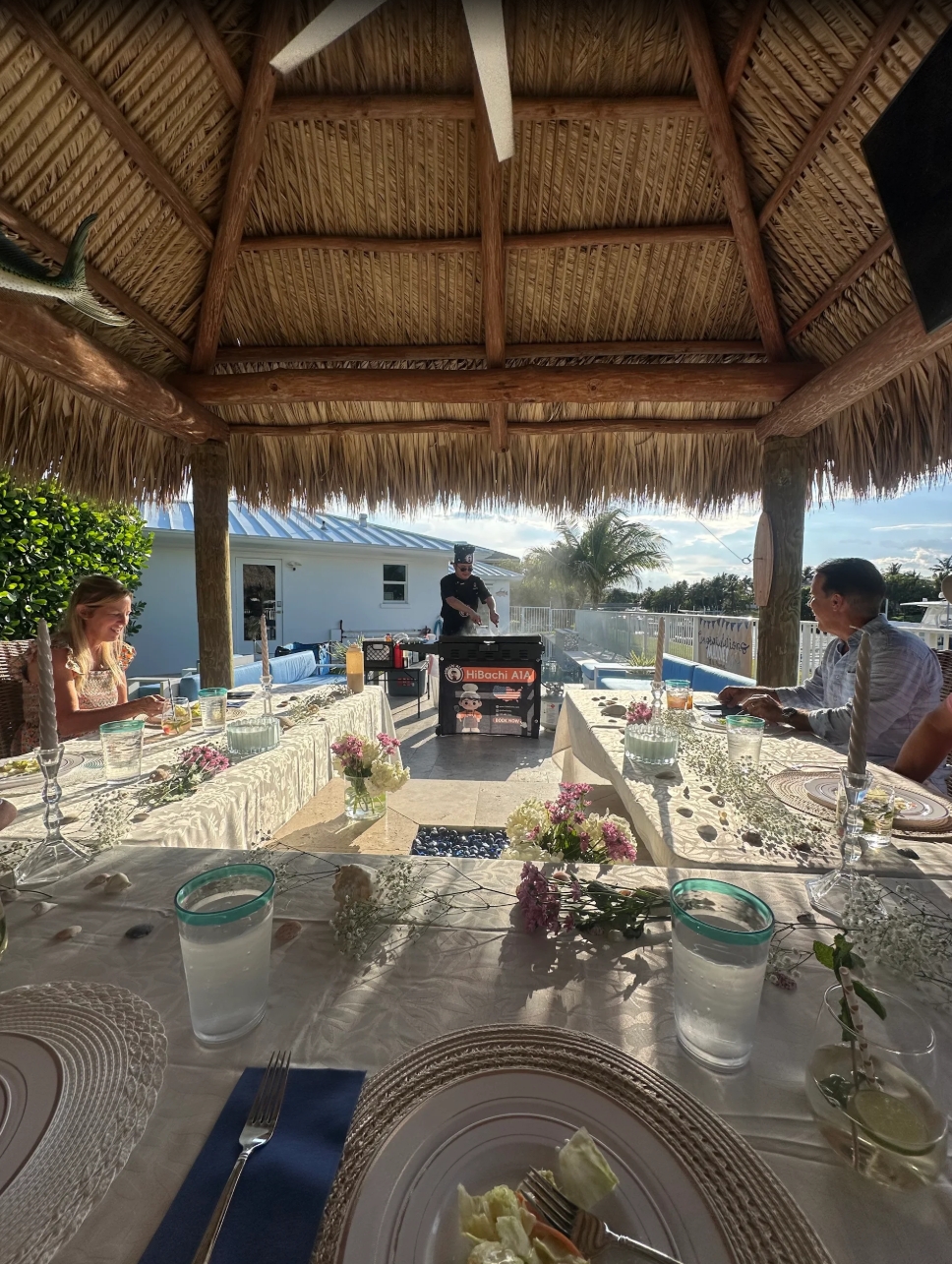
The backyard has evolved from a simple patch of grass into a stage for culinary theater. Forget sit-down dinners with porcelain plates and hushed conversation. The new wave of entertaining is loud, smoky, and spectacular—led by the flat-top grill. Cooking Hibachi At Home transforms a standard Saturday into an interactive performance, complete with sizzling vegetables, flaming onion volcanoes, and shrimp tossed through the air. But there is a fine line between a fun DIY attempt and a truly memorable event. That line is often drawn by professional expertise, which is exactly where mobile catering services like [ Hibachi A1A] step in to elevate the experience from chaotic to cinematic.
The Art of the Teppanyaki Table in Your Own Driveway
Traditional hibachi isn’t just about food; it is about choreography. The chef’s spatula becomes a conductor’s baton, and every guest is part of the orchestra. When you attempt this at home, the first hurdle is equipment. A backyard grill does not replicate the even, high-heat surface of a professional teppanyaki flat top. You need a dedicated hibachi grill that reaches 400–500°F consistently, allowing for the perfect sear on rice and the caramelization of soy sauce without burning. Your second hurdle is skill. Flipping an egg and catching it in a chef’s hat is harder than it looks. This is where the “at home” part gets tricky—but also where hiring a mobile service like [Hibachi A1A] becomes a genius move. They bring the steel griddle, the propane, the spatulas, and the practiced flair, setting up a full station in your backyard while you play host, not short-order cook.
Menu Engineering: Beyond Chicken and Fried Rice
A common mistake in home hibachi is treating it like a basic cookout. Burgers and hot dogs have no place here. The magic of hibachi lies in the multi-course rhythm: a light ginger salad first, then a sizzling mound of zucchini and onion, followed by the protein—steak, scallops, or chicken—diced tableside, and finally, the fried rice, fried right on the same surface so it absorbs every drop of meat juice. When you hire [Hibachi A1A], the menu is engineered for balance and showmanship. You can request a surf-and-turf combination, add garlic butter for a richer finish, or go vegetarian with tofu and mushroom medley. The chef manages the timing so that the meal flows like a restaurant dinner, but you never have to leave your patio chair. This is not just cooking; it is course-by-course hospitality.
The Catering Advantage: Why DIY Falls Short
Let’s be honest: the reason most backyard hibachi attempts fail is logistics. You have to shop for ingredients, marinate proteins, prepare sauces, pre-chop vegetables, and then stand over a screaming-hot grill for 90 minutes while your guests watch you sweat. You miss the party. Catering with [Hibachi A1A] flips that narrative. The team arrives 30 minutes early with prep done. They bring their own portable grill hoods (for smoke control), their own oil, seasonings, and even dipping sauces like yum-yum and ginger ponzu. They handle the clean-up of the cooking surface, leaving you with just the social aftermath. For a birthday, an anniversary, or just a “because it’s Tuesday” gathering, the catering model turns you from a stressed grillmaster into a relaxed host who actually gets to sit down and enjoy the show.

Creating the Ambiance: Fire, Smoke, and Community
Memorable events are about atmosphere as much as flavor. The hibachi experience inherently creates a sense of communal anticipation—everyone gathered around a 40-inch griddle, watching sparks fly. To maximize this at home, arrange seating in a U-shape around the grill station, not in straight rows. Dim the patio lights slightly, let the glow of the propane flame be the focal point. Encourage interaction: let guests shout “Hi-yi!” when the chef tosses a shrimp. With a professional service like [Hibachi A1A], the chef will often invite a guest to try the egg toss or participate in the “train” of stacked onion rings that become a fire-breathing dragon. That moment of shared laughter is what turns a meal into a memory. The food is good, but the experience is unforgettable.
Cost vs. Value: What You’re Really Paying For
Some may balk at the price of hiring a mobile hibachi caterer versus buying a bag of chicken thighs. But consider the full equation. A DIY hibachi for 15 people requires: a new grill ($300+), propane, high-end cuts of beef (filet or ribeye), seafood, multiple sauces, fresh vegetables, rice, eggs, and the risk of burning everything. You also need to clean the grill afterward—a 45-minute chore. With [Hibachi A1A], the fee covers professional-grade ingredients, the chef’s talent, all equipment, and cleanup. When you divide that cost by the quality of entertainment and the fact that you actually enjoyed your own party, the value becomes obvious. You are not paying for food; you are paying for a performance and a night off.
Final Recipe for Success
To host the ultimate backyard hibachi event, follow this formula: (1) Reserve a date and book [Hibachi A1A] at least two weeks in advance—weekends go fast. (2) Set up a clean, flat area for the grill, with a power source nearby if needed. (3) Provide your own drinks and desserts to complement the savory main course. (4) Sit back and let the professional do the flipping, seasoning, and entertaining. The result is a backyard event that feels less like a cookout and more like a private chef’s table under the open sky. Cooking hibachi at home is a wonderful idea—but making it memorable is a craft. Let the experts at [Hibachi A1A] handle the fire, and you handle the fun. That is the true secret to a perfect backyard gathering.