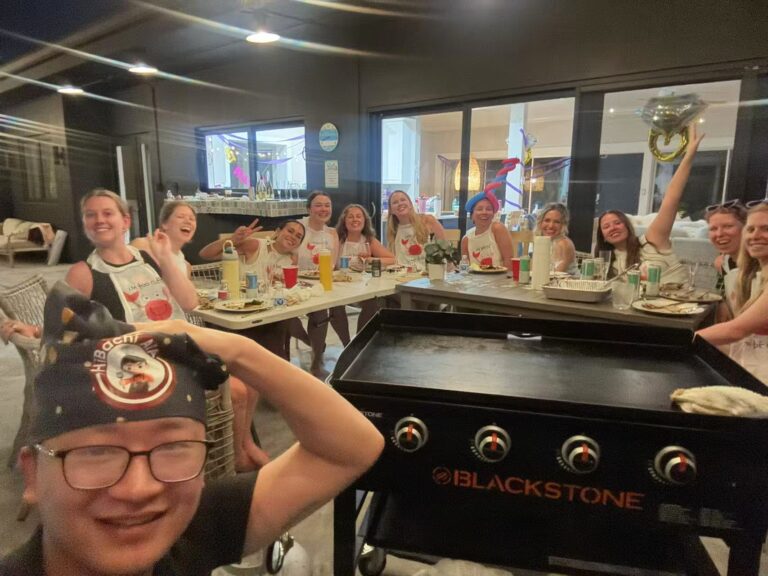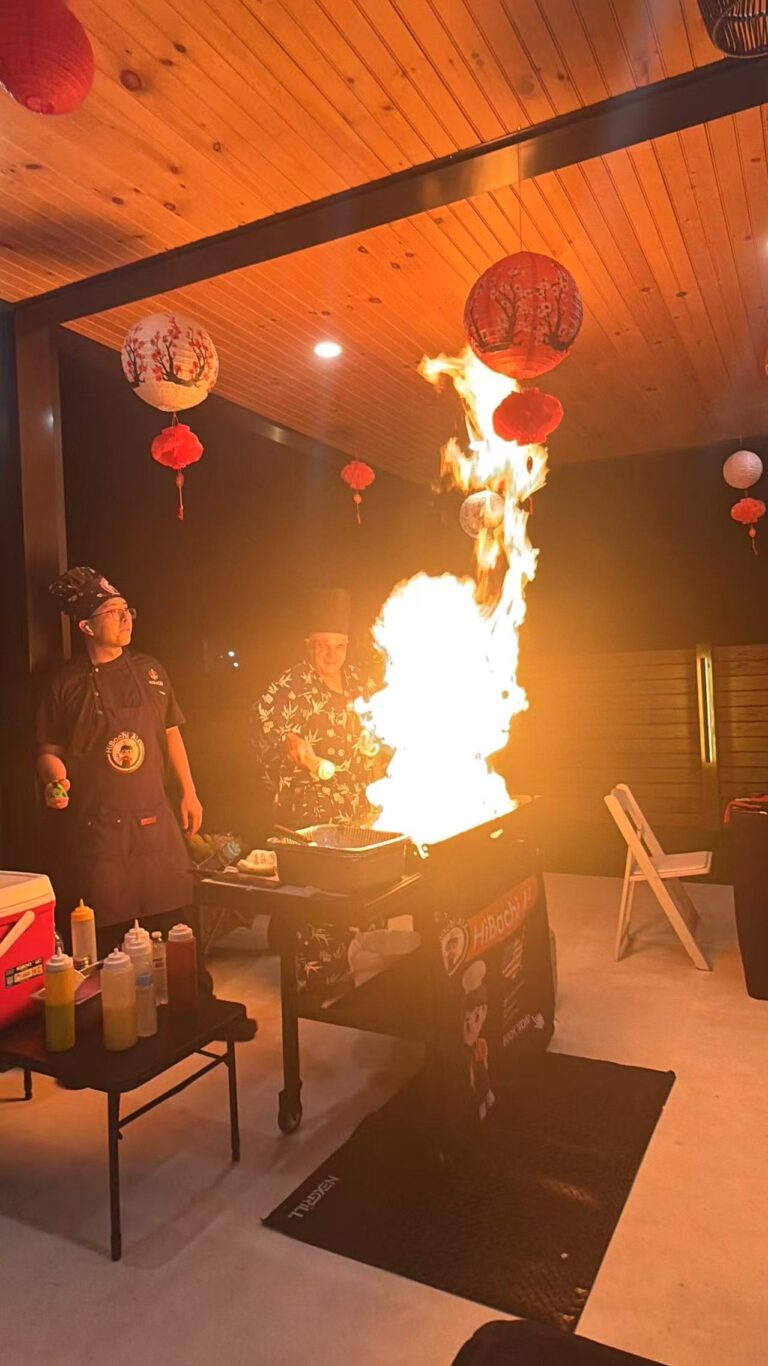
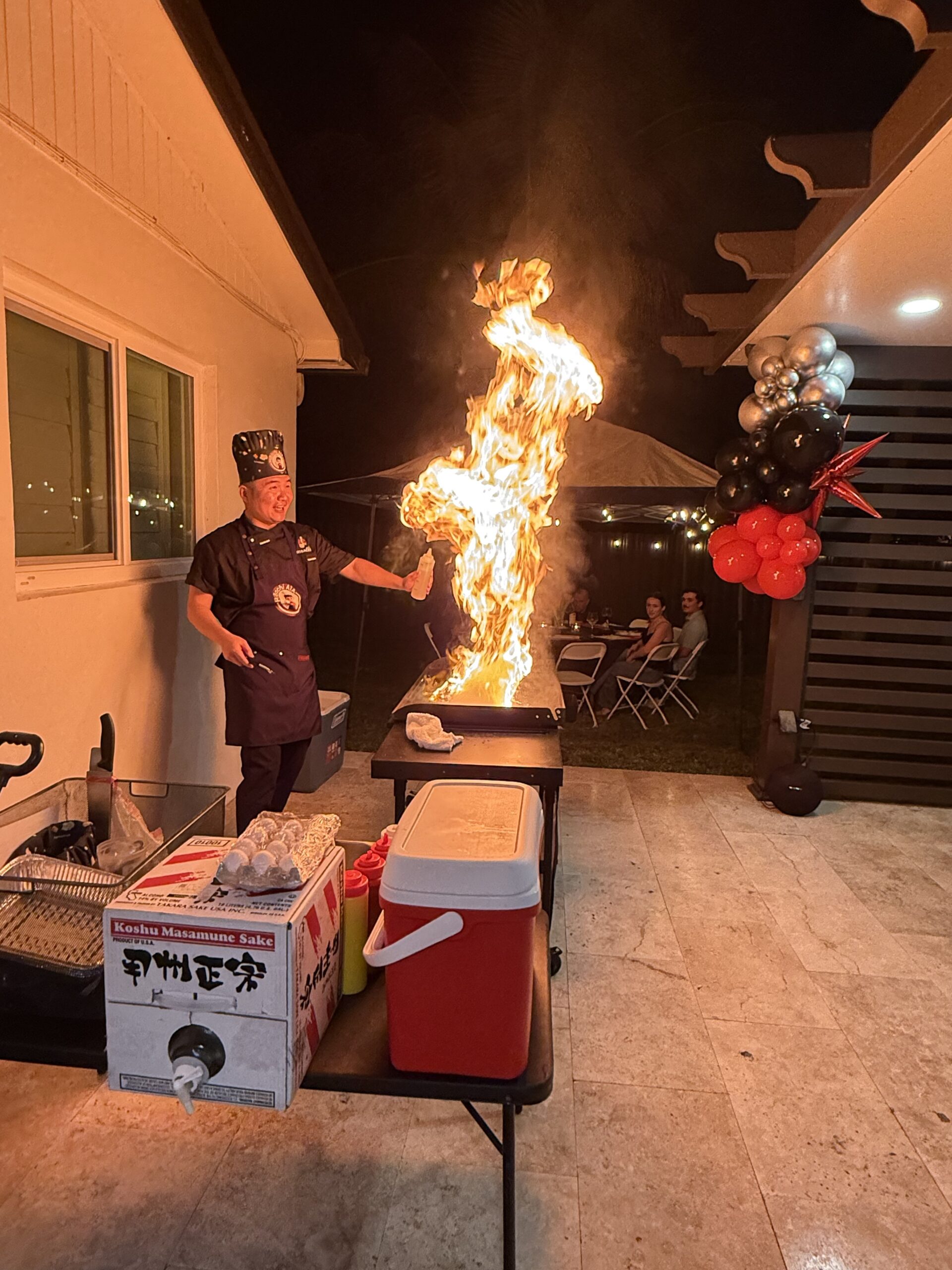
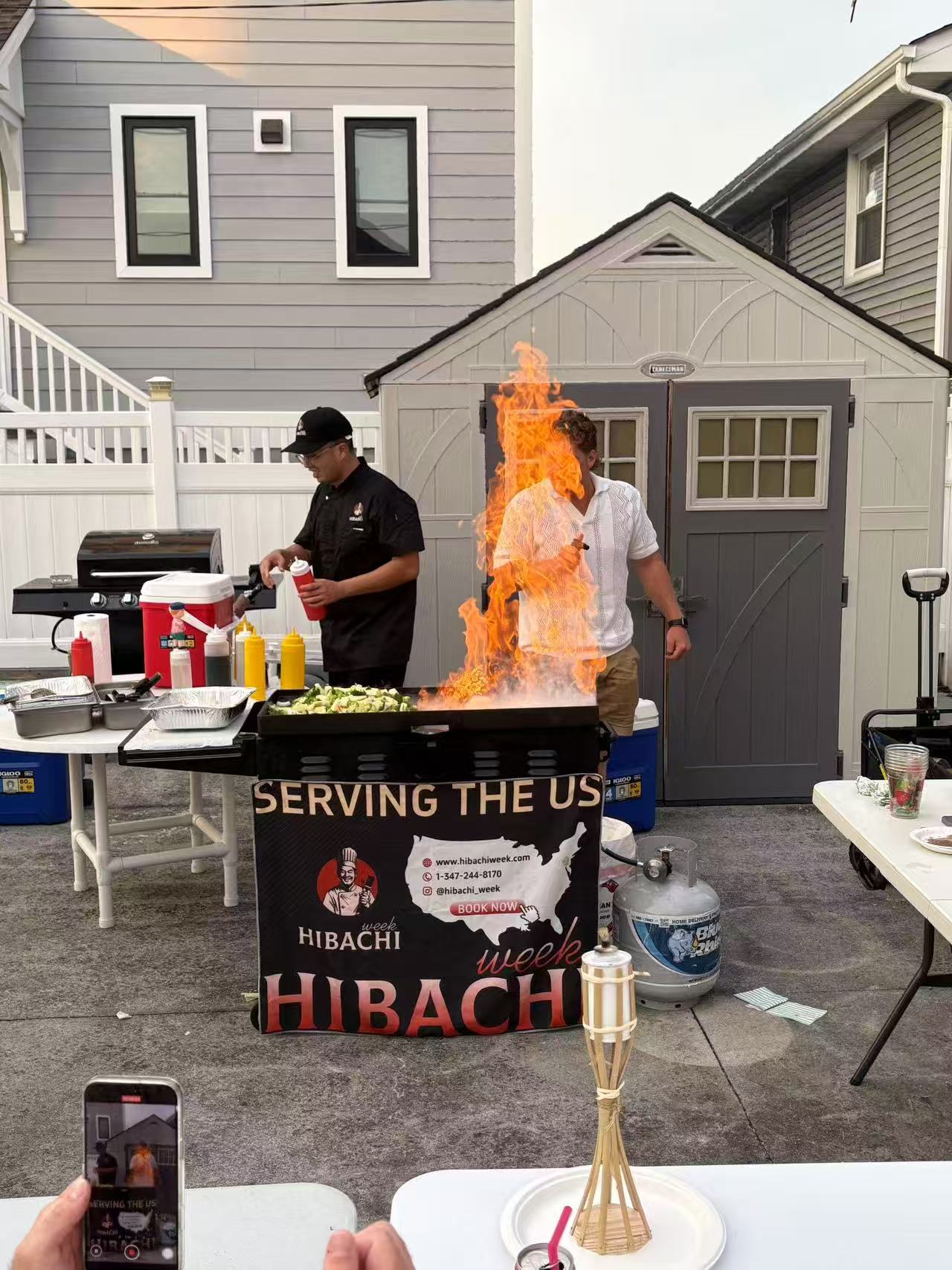
In recent years, the hibachi dinner experience — sizzling grills, theatrical knife tricks, onion volcanoes, and that unmistakable garlic-butter aroma — has moved from restaurant patios into private backyards, driveways, and even apartment balconies. Homeowners increasingly hire mobile caterers to recreate the teppanyaki show, eliminating the need to book a crowded table or fight for parking. But the pivotal question for any host is: what does a mobile hibachi caterer actually cost, and how do those numbers break down? Understanding the pricing structure of services like [Mobile Caterer: Hibachi A1A] is essential to budget realistically, avoid surprise fees, and still deliver a five-star dinner party experience.
Base Pricing Models: Per-Head vs. Flat Rate
Most mobile hibachi caterers, including [Hibachi A1A], operate on one of two pricing frameworks: per-person packages or flat event fees. Per-head pricing is the industry standard for hibachi because the chef’s time, ingredients, and griddle space scale directly with the number of guests. For a typical home party, expect rates to fall between $45 and $85 per person, depending on the protein selection (chicken, steak, shrimp, scallops, or filet mignon), appetizers, and dessert inclusions. Conversely, flat-rate packages — often ranging from $800 to $1,500 for a base event — are common for smaller groups (under 10 people) or for those who want a fixed quote without per-plate surprises. The catch: flat rates usually include a set menu and cap the guest count, so be certain to read the fine print regarding overtime and additional diners.
What Drives the Per-Person Cost Up?
The most significant cost multipliers are premium proteins and all-inclusive add-ons. For example, a standard chicken-and-vegetable hibachi meal might cost $45 per head, but upgrading to a surf-and-turf combo (filet and jumbo shrimp) can push that to $75–$85. Similarly, if the caterer includes appetizers like edamame, gyoza, or hibachi soup in the base price, the rate naturally rises. Additionally, travel distance matters: mobile caterers like [Hibachi A1A] often charge a delivery fee per mile beyond a 15–20 mile radius from their commissary kitchen, typically $1.50–$3.00 per mile. If you live in a rural area, this can add $50–$150 to your total before the first steak hits the grill.
Hidden Fees and Essential Surcharges
A wise host always asks for a full itemized quote because several costs lurk outside the per-plate price. Fuel surcharges are increasingly common as catering trucks account for gas price fluctuations. Some vendors also impose a service fee of 10–18% on the food subtotal, which is separate from the gratuity you might leave the chef. Then there’s the utensil and setup fee — typically $25–$60 — covering disposable plates, napkins, chopsticks, and the cleaning of the portable teppanyaki grill after the show. A more significant line item is the grill rental and propane fee, which some mobile caterers bundle into the base price, but others list separately at $75–$150. Finally, if your party extends beyond the contracted 2.5 to 3 hours, expect an overtime charge of $75–$100 per half hour. Clarify all of these in writing before the booking date.
Why Location and Seasonality Matter
Urban hosts often pay less per mile but more for parking permits or building loading fees. Suburban hosts may face no parking costs but longer drive times. Moreover, peak seasonality — especially May through October for backyard parties and December for holiday gatherings — can raise demand, leading to higher base quotes or minimum guest counts. For example, [Hibachi A1A] might have a weekday minimum of 8 guests but a weekend minimum of 12 during summer months. If you book last-minute on a Saturday in June, you may also pay a rush fee of $100–$200. Planning 4–6 weeks ahead can often secure a lower rate and a more flexible chef.
Comparing Value: DIY Hibachi vs. Mobile Catering
While renting your own portable hibachi grill and buying ingredients from a wholesale club might seem cheaper — roughly $200–$300 in supplies for a 10-person party — the true cost includes your time, the risk of failed knife tricks, cleanup of a greasy grill, and the loss of that theatrical performance element. A mobile caterer like [Hibachi A1A] brings a trained chef, a flat-top griddle, all seasonings, sauces, and cooking oils, plus a full cleanup service. For a 12-guest party at $60 per head, your total is around $720 + tip. That translates to a stress-free evening where you actually sit with your guests rather than flipping shrimp. The intangible value of the entertainment — fire tricks, egg tosses, and chef jokes — often justifies the 30–50% premium over DIY.
Practical Tips to Reduce Your Mobile Hibachi Bill
If the quoted price from [Hibachi A1A] feels steep, consider these proven cost-cutting strategies: 1) Choose a lunch or early dinner slot — many caterers offer a 15–20% discount for events starting before 5:00 PM. 2) Stick to chicken and tofu as the primary proteins, and add one premium item (like steak) only for the adults. 3) Negotiate the guest count downward — if your list is 18, ask if a 15-person package can be honored with a smaller vegetable portion. 4) Provide your own drinks, tableware, and table linen to avoid the caterer’s per-item rental fees. 5) Ask about a “bare-bones” package — chef + grill + basic chicken/rice/vegetables — without soup, salad, or dessert. Many vendors, including [Hibachi A1A], will customize a stripped-down menu for as low as $35 per person.
Final Cost Breakdown: A Realistic Example
To give you a concrete picture, consider a suburban home party for 15 guests on a Saturday evening. Using [Hibachi A1A]’s standard per-head pricing:
– Base menu (chicken, beef, vegetables, fried rice, noodles): $58/person = $870
– Service fee (12%): $104.40
– Travel fee (12 miles): $25
– Propane/grill setup fee: $95
– Overtime (none if 3 hours): $0
– Gratuity (optional but customary, 15%): $130.50
Total: $1,224.90 — roughly $82 per person. For a high-energy, entertaining dinner that requires zero cooking or cleaning on your part, this remains competitive with a mid-range restaurant hibachi experience when you factor in drinks, taxi fares, and tips. For larger groups (25+), the per-head cost often drops to $48–$55 because of ingredient economies and fixed travel costs.

Budgeting for the Spectacle
Hosting a hibachi party at home with a mobile caterer like [Hibachi A1A] is an investment in both cuisine and entertainment. The key to avoiding sticker shock is to obtain a fully itemized quote, understand the per-head breakdown, and ask pointed questions about travel fees, overtime, and service charges. Remember that the cheapest quote is not always the best value — a slightly pricier package that includes tableware, cleanup, and a seasoned entertainer-chef can save you hours of stress. With careful planning, your backyard can transform into a teppanyaki theater, and your guests will leave talking about the onion volcano long after the last bite. Budget smart, tip generously, and let the grill do the talking.