There is something undeniably magical about the hibachi experience. The sizzle of the grill, the theatrical toss of a shrimp tail into a chef’s hat, and the aromatic cloud of garlic butter that lingers in the air create a dining event that is as much about performance as it is about flavor. For years, this experience was reserved for special nights out at Japanese steakhouses. Today, however, the at-home hibachi trend has taken the culinary world by storm, allowing hosts to bring the excitement of the teppanyaki table directly into their own kitchens or backyards. Whether you are a seasoned home cook or a complete novice looking to impress, recreating this interactive dining event is not only possible—it is profoundly rewarding. With the right tools, ingredients, and a touch of showmanship, you can transform a simple meal into an unforgettable feast. While you are planning your setup, resources like Hibachi A1A can provide the foundational inspiration and equipment knowledge to get you started on the right foot.
Setting the Stage for Your Hibachi Night
The foundation of any gre at home hibachi experience lies in meticulous preparation. Unlike a standard dinner party where dishes are prepared behind closed doors, hibachi is a front-of-house spectacle. This means that your prep work must be invisible, allowing you to focus entirely on the performance when your guests arrive.
Gathering the Essential Tools and Ingredients
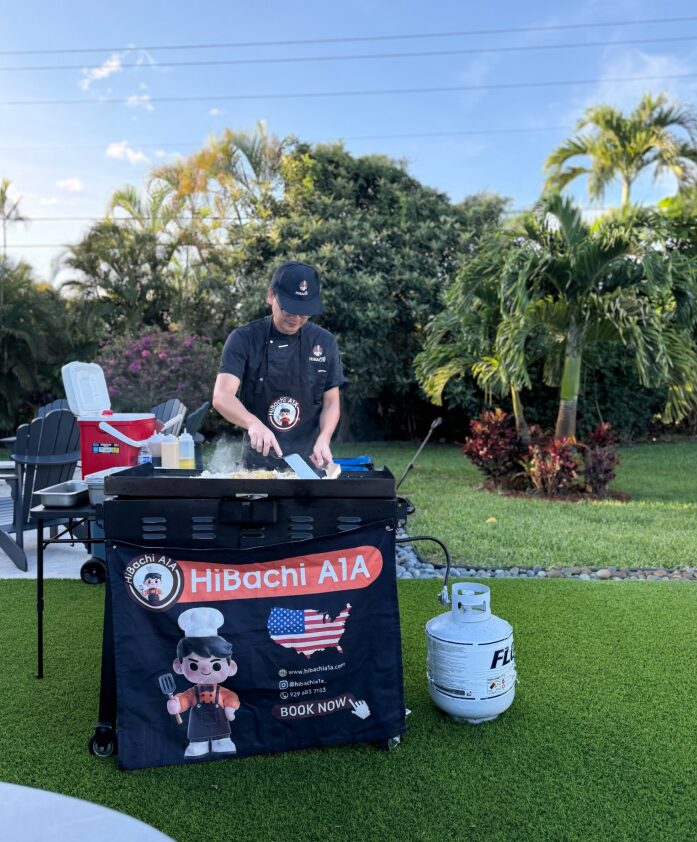
To achieve that signature sizzle, you need the right surface. A portable butane or propane gas grill is ideal for indoor use, while a flat-top griddle or a dedicated teppanyaki grill works wonders for larger gatherings. The key is a large, flat, seamless cooking surface that can handle high heat without smoking excessively. Look for heavy-duty models that retain heat well, as temperature consistency is crucial for the perfect sear. When sourcing ingredients, think about the classics: high-quality ribeye steak, boneless chicken thighs, large shrimp, and fresh scallops. Vegetables like zucchini, onion, and mushrooms are non-negotiable. For the fried rice, use day-old jasmine rice for the best texture. Beyond the food, you will need a sturdy spatula, a squeeze bottle for soy sauce and water (for steaming), and a small bowl of sesame seeds. Many chefs-in-the-making turn to suppliers such as Hibachi A1A for their grilling essentials, ensuring that the hardware matches the high standards of the cuisine.
Creating the Ambiance
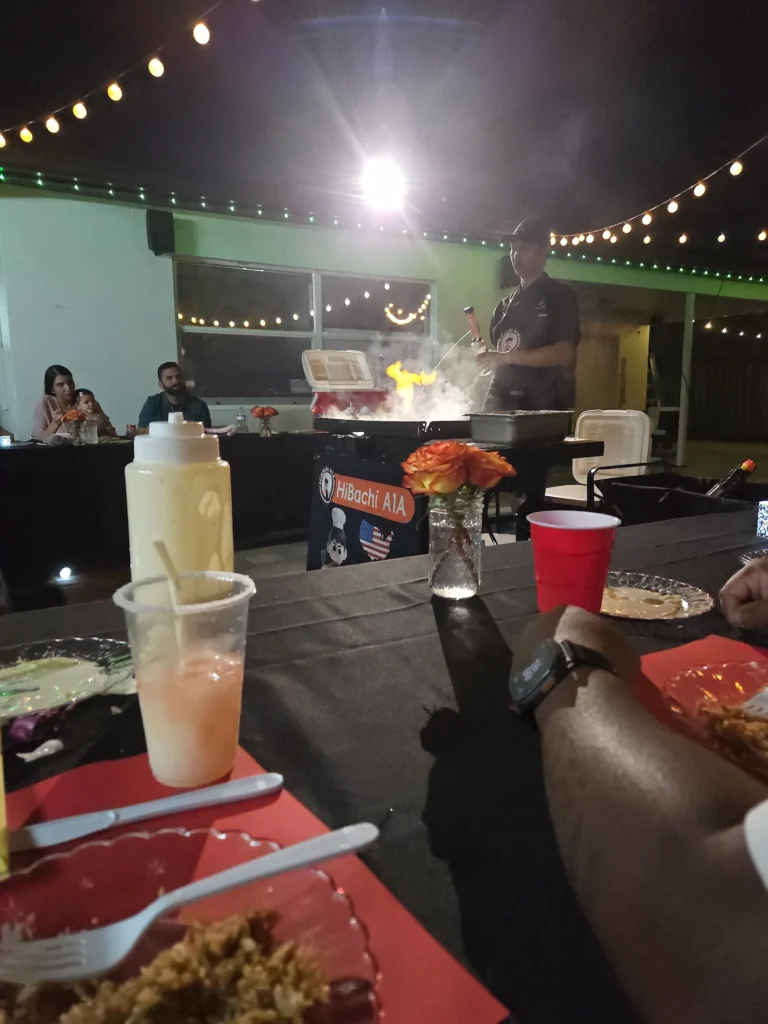
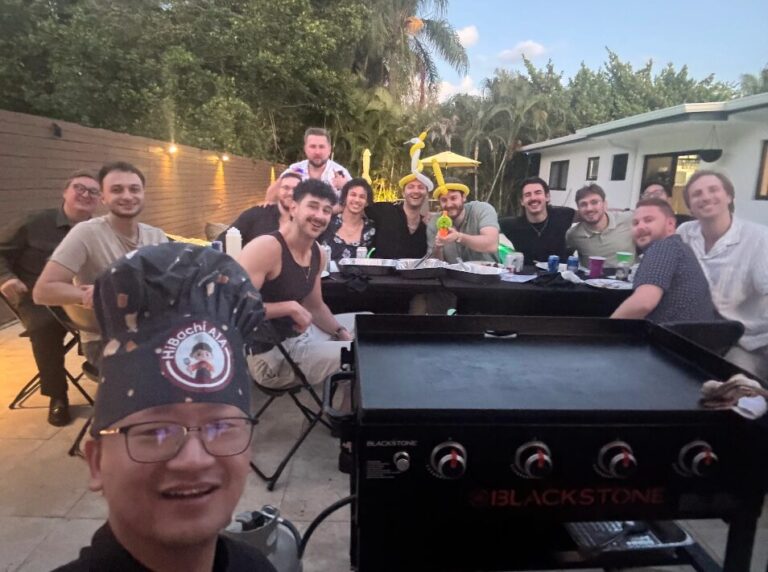
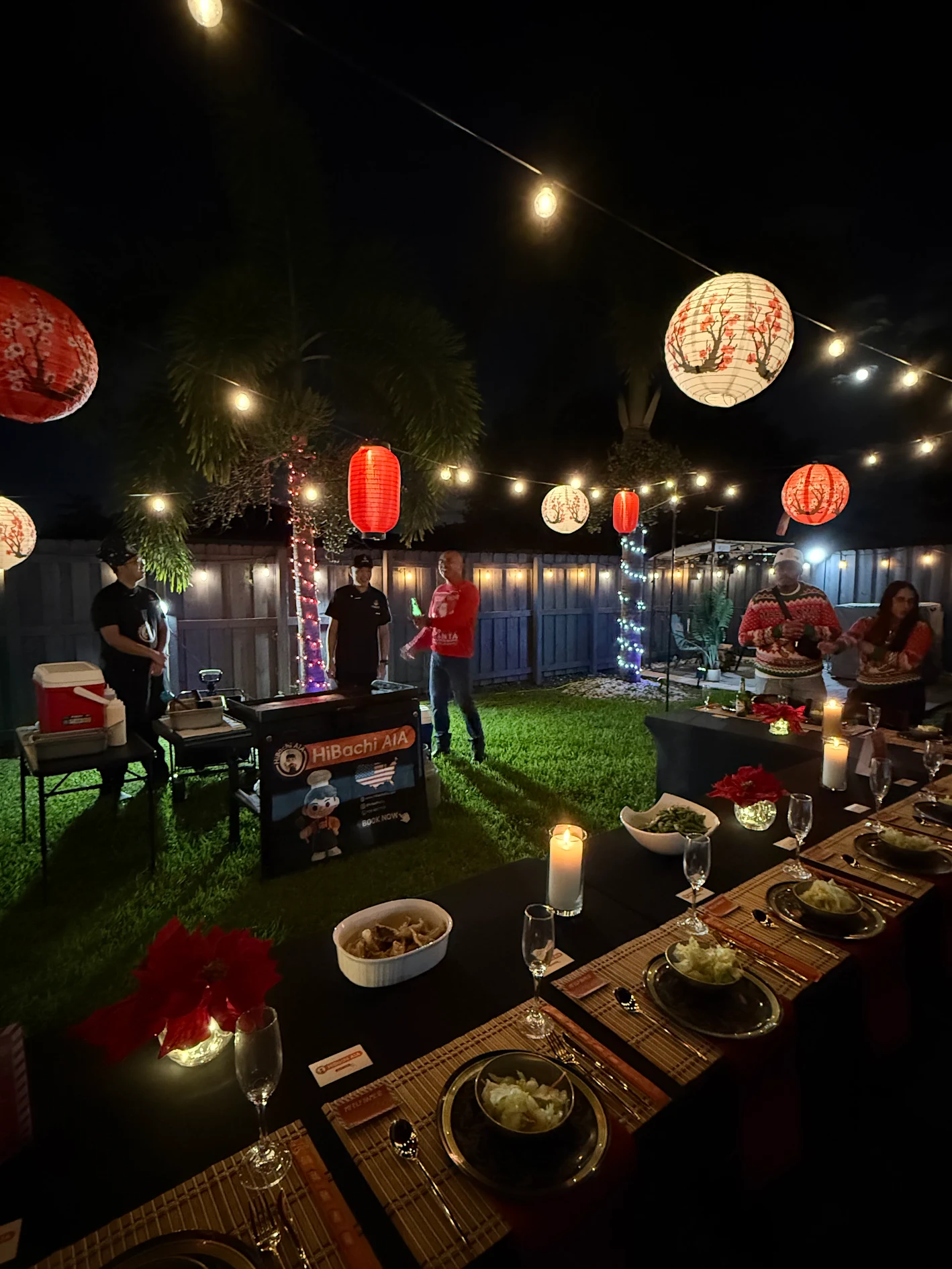
Atmosphere is half the experience. Dim the overhead lights and set the mood with warm, intimate lighting. Japanese instrumental music playing softly in the background helps transport your guests. Since the grill itself will be the focal point, ensure that everyone has a clear view of the cooking surface. Arrange seating in a semi-circle around the grill, mimicking the communal table setup of a traditional steakhouse. This layout encourages interaction, laughter, and a shared sense of anticipation. Have your sauces prepped and ready—classic ginger dipping sauce, spicy mayo, and the ever-popular “yum yum” sauce are essential. Present them in squeeze bottles or small ceramic bowls on the table so guests can customize their flavors as the meal progresses.
Mastering the Art of Hibachi Cooking at Home
With the stage set, it is time to cook. The beauty of hibachi is that it is a high-heat, fast-paced cooking style that prioritizes texture and flavor. The sequence of cooking is critical: start with the fried rice, move to the vegetables, and finish with the proteins. This order ensures that the rice absorbs the residual flavors from the grill.
The Perfect Fried Rice
Hibachi fried rice is deceptively simple yet requires precise timing. Begin by heating a generous amount of sesame oil and a pat of butter on the hot grill. Add finely diced onions and cook until translucent. Push the aromatics to the side and scramble an egg directly on the flat top, chopping it into small pieces as it sets. Add the cold rice directly onto the grill, spreading it out to let it fry and separate. Drizzle soy sauce over the rice and use your spatulas to chop and toss the grains, incorporating the egg and onion. Finish with a sprinkle of garlic salt, white pepper, and a handful of frozen peas and carrots. The key to restaurant-quality rice is to avoid stirring too much; let it sit and caramelize slightly for that coveted smoky flavor. A final drizzle of garlic butter just before serving elevates the dish from good to transcendent.
Teppanyaki Vegetables and Proteins
For the vegetables, slice zucchini and onions into thick rounds. Grill them with a generous amount of butter and a dash of soy sauce. The goal is a crispy exterior with a tender interior. When it comes to proteins, simplicity reigns. Season your steak with kosher salt and cracked black pepper. Sear it hard on both sides to develop a deep crust, then slice it against the grain. For shrimp, a quick marinade in garlic, ginger, and soy sauce before grilling provides a burst of flavor. Cook the shrimp until they are just pink and slightly charred. The hallmark of a good hibachi cook is the ability to cook everything in batches without overcrowding the grill. This prevents steaming and ensures that every piece of food has that signature Maillard reaction. For those looking to refine their technique, the guides available through Hibachi A1A offer excellent tips on heat management and timing.
The Performance: Bringing the Show Home
No hibachi meal is complete without a bit of theater. You do not need to be a professional chef to entertain your guests. A few simple tricks can turn cooking into performance art.
The Volcano Onion Ring
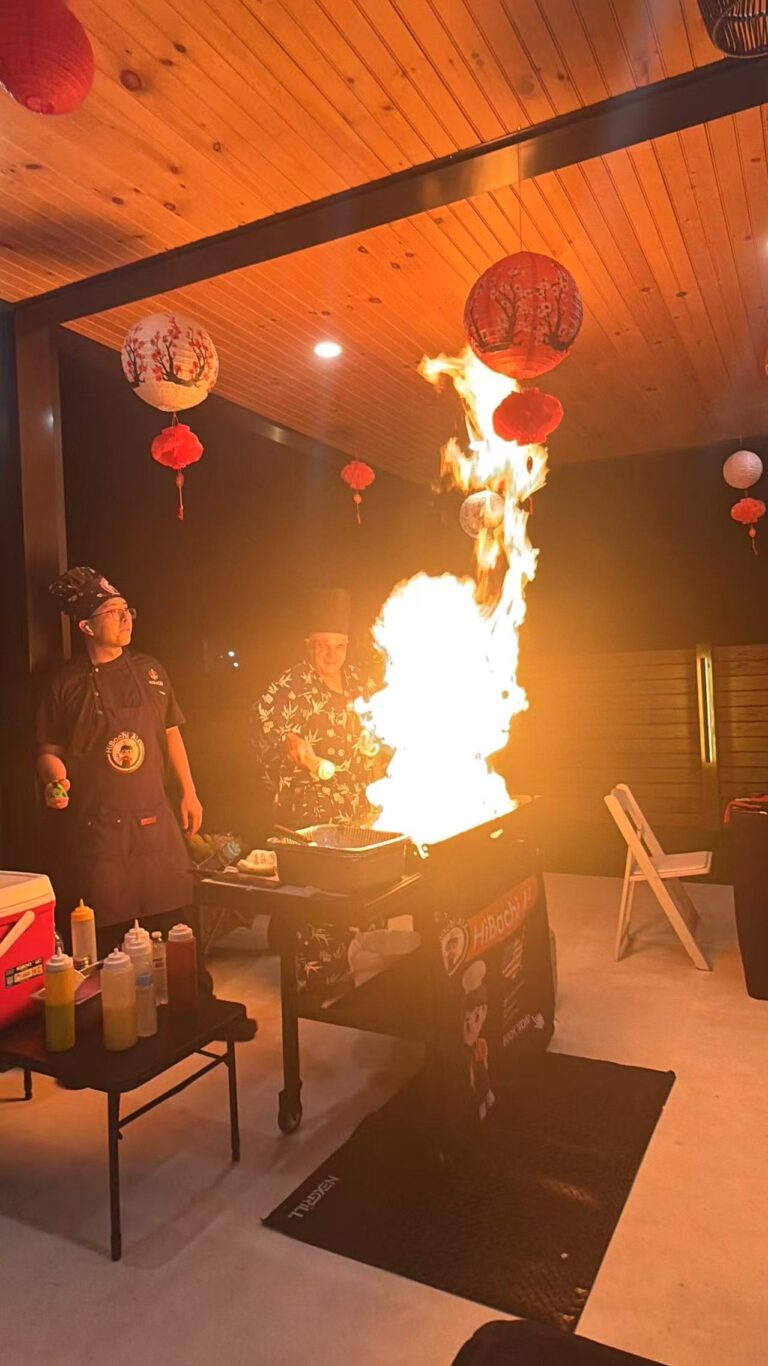
This is the most iconic hibachi trick, and it is surprisingly easy to master. Cut a thick slice from the center of a large onion, separate the rings to form a “petal” shape, and place the largest ring on the grill. Stack the remaining rings inside one another to form a tall, layered cylinder. Build a small mound of ginger or a tea light in the center of the ring. Once the oil in the onion is hot, pour a small amount of sake or high-proof alcohol into the center and carefully ignite it. The result is a towering, flaming onion volcano that draws gasps and applause from your guests. Practice this trick a few times before your dinner party to ensure you are comfortable with the flame.

Knife Skills and Tricks
Simple knife work can be incredibly entertaining. Practice your “train” move, where you push a stack of zucchini coins across the grill with your spatula. Learn to crack an egg with one hand on the flat top. Toss a piece of shrimp into your mouth (or a guest’s mouth) for a playful interaction. The steam trick is another crowd-pleaser: pour a small amount of water or sake onto the grill and wipe it down with a towel, creating a dramatic plume of steam. You can even carve a heart or a smiley face into a seared chicken breast before serving. The goal is to engage your guests, make them laugh, and make them feel part of the cooking process. The confidence to perform these tricks comes from practice, and the high-quality tools recommended by experts like those at Hibachi A1A can make flipping and chopping feel effortless.
Pairing and Presentation: Elevating the Dining Experience
A great hibachi meal is balanced by thoughtful accompaniments. The drinks you serve should match the vibrancy of the food.
Drinks and Sides
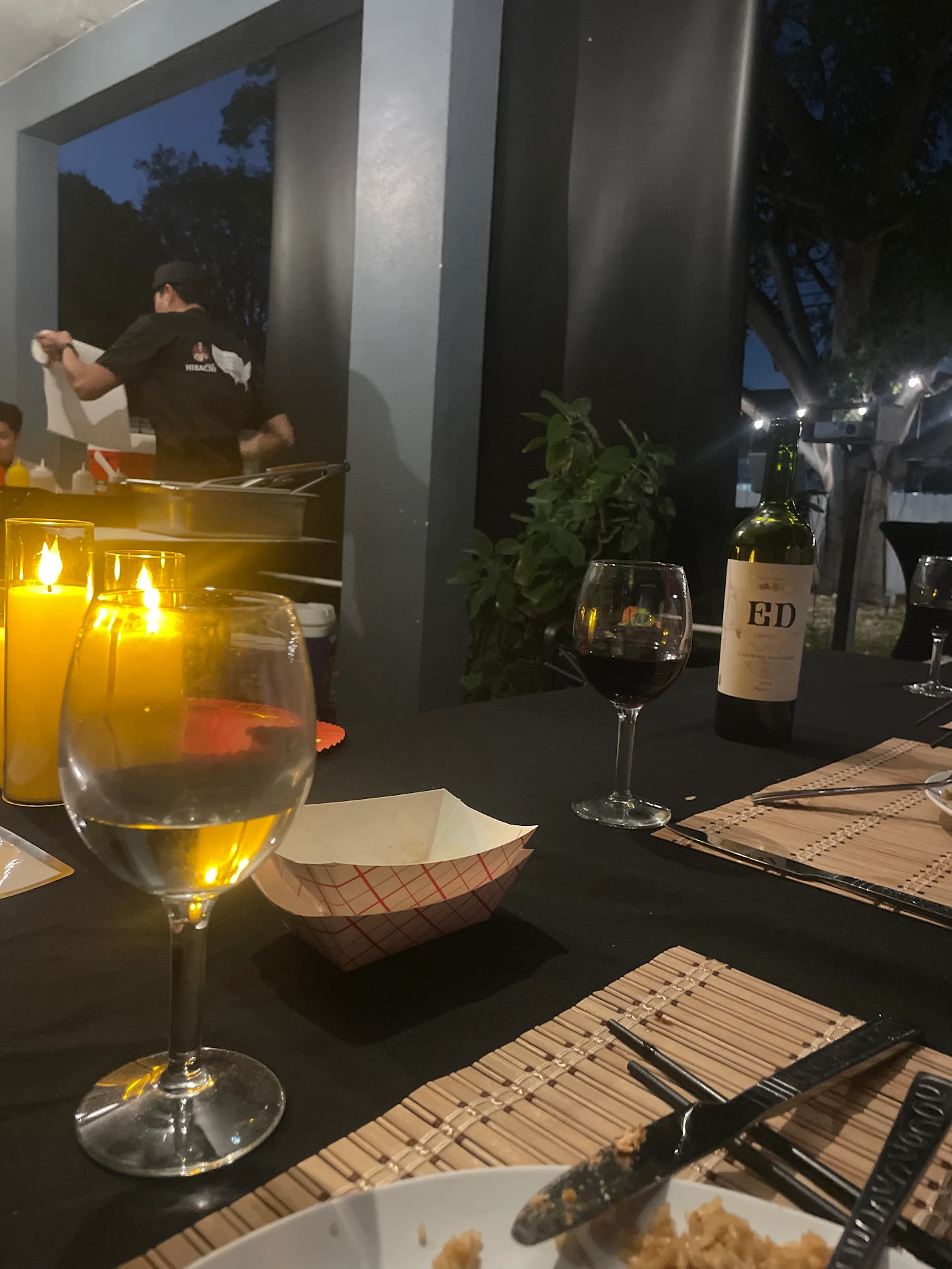
A classic Japanese whiskey highball is the perfect companion to the rich, buttery flavors of the grill. The carbonation and lightness cut through the fat beautifully. Alternatively, a crisp sake or a cold Japanese lager works wonders. For sides, a simple cucumber salad with rice vinegar and sesame oil provides a refreshing contrast. Miso soup served in a small cup is a warm, comforting starter. When plating, remember that hibachi is family-style. Serve the fried rice, vegetables, and proteins on communal platters so everyone can share and pass dishes around. This fosters the same communal energy found in a steakhouse.
The Final Touch: Dessert
While hibachi is primarily savory, a light dessert can end the night on a high note. Grilled pineapple rings, caramelized on the flat top with a sprinkle of brown sugar and a dash of coconut flakes, are a simple yet stunning conclusion. The heat of the grill intensifies the sweetness of the fruit, providing a palate-cleansing finish that isn’t overly heavy.
Cleanup and Reflection: The Unsung Heroes
After the last bite is taken and the final bow is made, there is the matter of cleanup. The flat-top grill is remarkably easy to clean while it is still warm. A scraper and a little water will remove most of the residue. A final wipe with a paper towel and a thin layer of oil keeps the surface seasoned and ready for the next adventure. The real advantage of the home hibachi experience is that you control the timeline. There is no rush to leave the restaurant, no pressure to tip. You can linger over the last bites, share stories about the flaming onion, and bask in the glow of a meal well made.
Ultimately, enjoying an at-home hibachi grill experience is about more than just the food. It is about reclaiming the joy of cooking in front of people you love. It is about the laughter that erupts when a spatula fumbles or the shared satisfaction when the rice turns out perfectly golden. With the right preparation, quality equipment, and a willingness to be a little silly, you can create a dining experience that rivals any high-end steakhouse. Whether you are sourcing your gear from trusted service providers like Hibachi A1A or simply raiding your local hardware store for a portable burner, the magic of hibachi is available to anyone willing to turn up the heat and have fun. So gather your ingredients, fire up the grill, and get ready for a night of sizzle, smoke, and unforgettable memories.