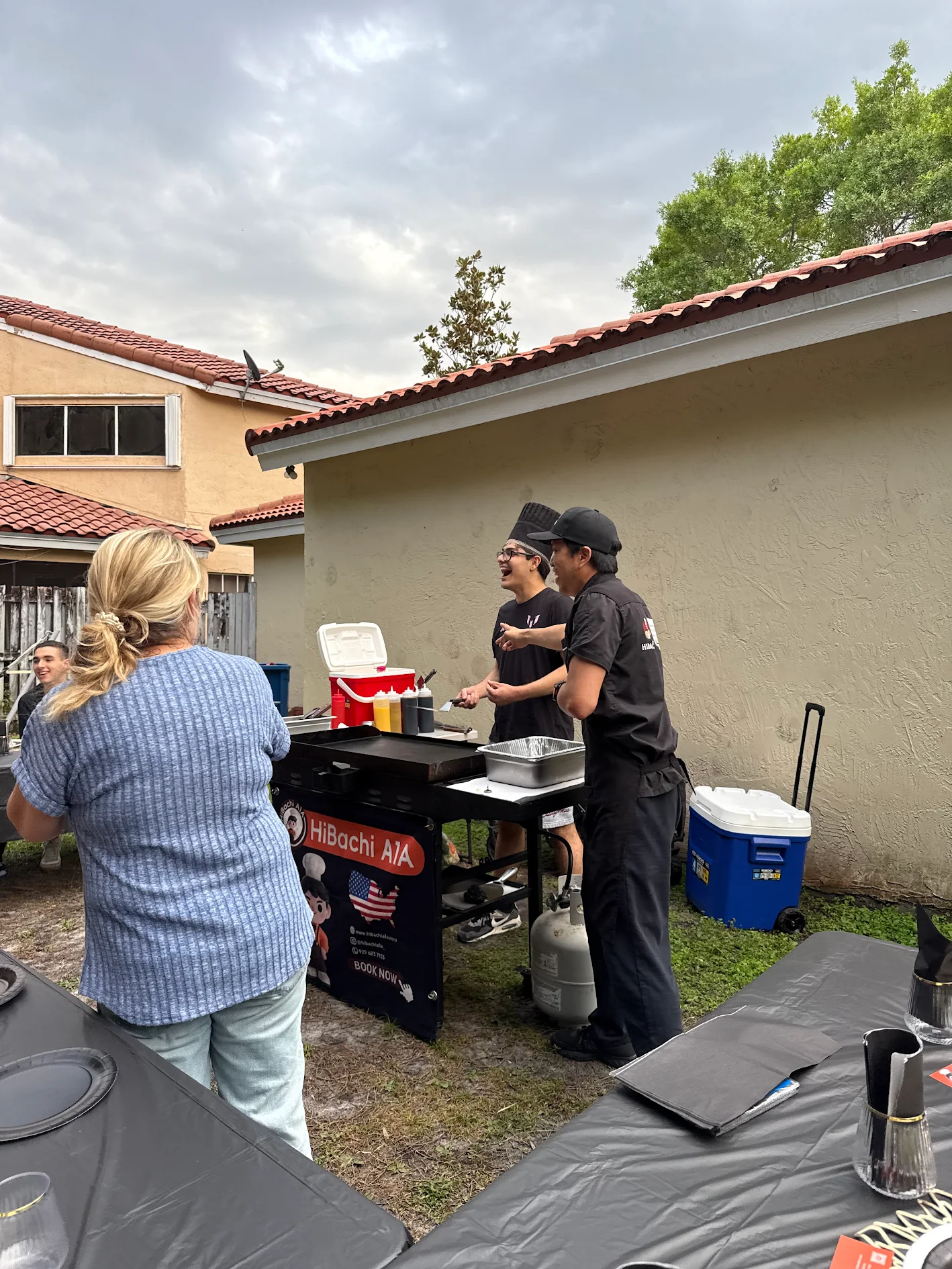
There is something undeniably theatrical about hibachi dining. The sizzling flat-top grill, the rhythmic clatter of spatulas, the onion volcano erupting in a plume of flame, and the perfectly cubed shrimp tossed directly into a diner’s mouth. For years, this experience was reserved for special occasions at Japanese steakhouses. But what if you could capture that magic in your own backyard or, conversely, elevate your next gathering by bringing in the professionals? Whether you are a culinary enthusiast looking to master the craft or a host seeking a memorable event, the choice between a DIY hibachi night and hiring a professional hibachi chef is a delicious dilemma. This guide explores both paths, with special insight from the mobile catering specialists at Hibachi A1A.
Part One: The DIY hibachi experience – Building Your Own Teppanyaki Stage
Making hibachi at home is more achievable than you think, and it doesn’t require a restaurant-grade propane setup. The key is understanding the core principles: high heat, precise timing, and flavorful simplicity.
Essential Equipment for the Home Hibachi Chef
You don’t need a built-in teppanyaki table. A large cast-iron griddle or a flat-top griddle pan that fits over two burners on your stove or a portable outdoor burner will work beautifully. The surface must be perfectly flat and capable of reaching 400°F to 500°F. You’ll also need metal spatulas (the thin, offset kind), a squeeze bottle for oil and sauces, and a spray bottle with water for controlling flare-ups.
The Golden Rules of Hibachi Cooking
1. Mise en Place is Non-Negotiable – Hibachi is fast. Chop all vegetables (zucchini, onions, mushrooms) and proteins (chicken, steak, shrimp) into uniform, bite-sized pieces before you even turn on the heat. Have your sauces ready: a classic yum yum sauce (mayo, ketchup, sugar, rice vinegar, garlic powder) and a ginger sauce (soy, ginger, garlic, onion).
2. The Heat is Your Friend – Do not overcrowd the griddle. Work in batches. The sizzle you hear is steam escaping; if the pan isn’t hot enough, your food will boil, not sear. A good test: flick a drop of water on the surface – it should bead and dance, not evaporate instantly.
3. The Signature Fried Rice – The cornerstone of any hibachi meal. Start with day-old rice (cold rice prevents mushiness). On a clean, hot griddle, scramble eggs first, then add rice, then soy sauce, butter, and finally a generous sprinkle of garlic salt and black pepper. Push it to the side to keep warm while you cook the protein.
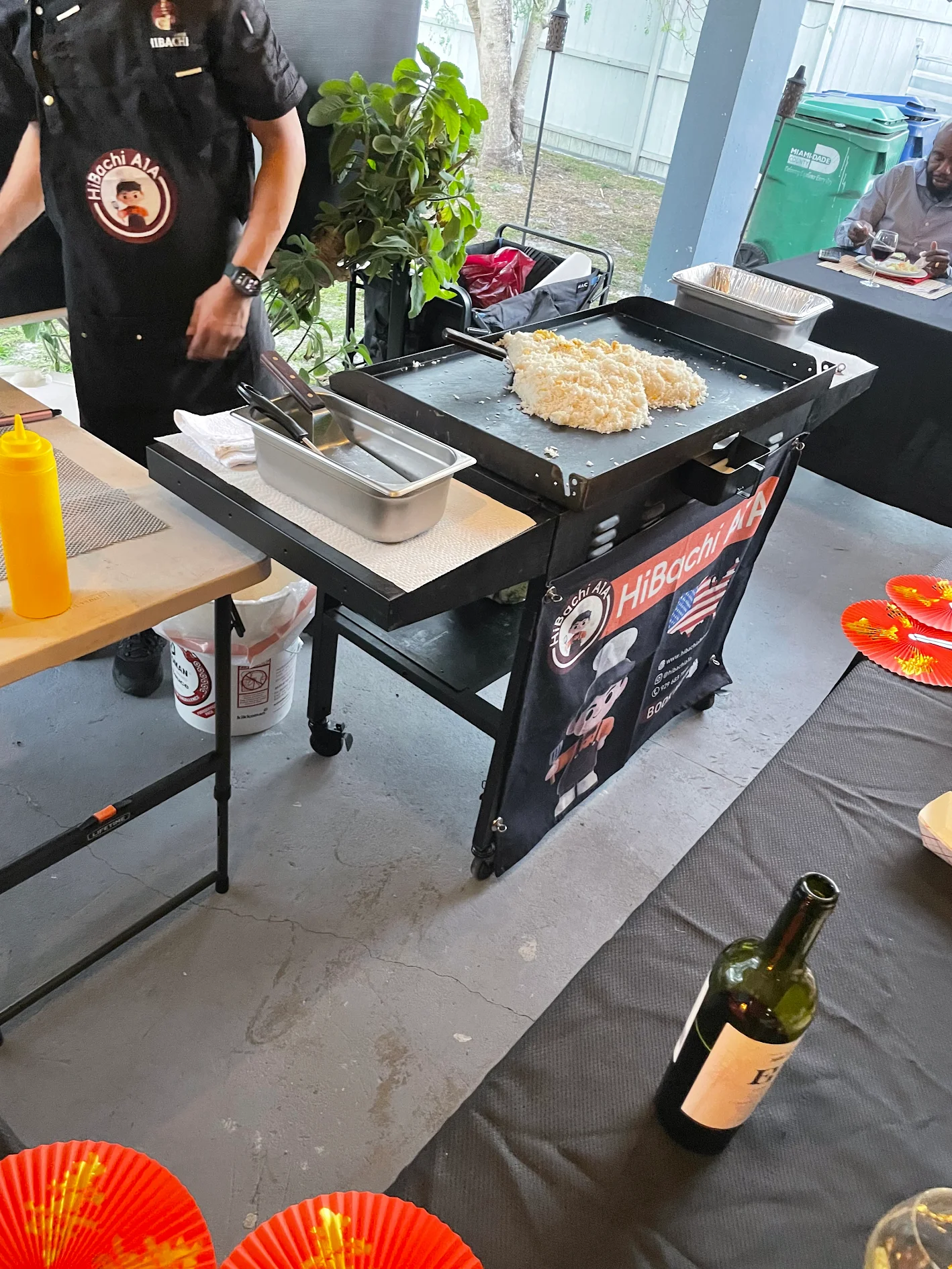
4. The Butter Finish – The secret to that rich, steakhouse flavor is a pat of high-quality butter melted over the protein just before serving, often with a splash of soy sauce.
DIY Menu Blueprint for Success
Start with a simple menu: Hibachi Chicken and Shrimp with zucchini and onion, steamed rice (or the fried rice above), and a simple side of ginger salad. For the show-stopper, practice the onion volcano – stack thick onion rings, place a cube of butter inside, and ignite with a lighter. It takes practice, but the “wow” factor is worth it. The DIY route is perfect for a casual family night or a small gathering of friends where the cooking is part of the fun.
Part Two: The Professional Alternative – Why Book Hibachi Chefs for Your Event?
While DIY is fun, there is a reason why Hibachi A1A and similar mobile catering services are booming. The professional experience is not just about food; it’s about entertainment, logistics, and flawless execution that allows the host to be a guest at their own party.
The Art of Performance and Safety
A professional hibachi chef has spent years mastering the knife skills, the spatula flips, the egg toss, and the fire tricks. More importantly, they understand kitchen safety in a way that a home cook might not. Mobile hibachi units are equipped with proper fire suppression systems, grease management, and ventilation. When you book a service like Hibachi A1A, you are hiring a safety-certified performer, not just a cook. They handle the propane tanks, the high heat, and the open flames, removing all liability and risk from your property.
The Unmatched Social Experience
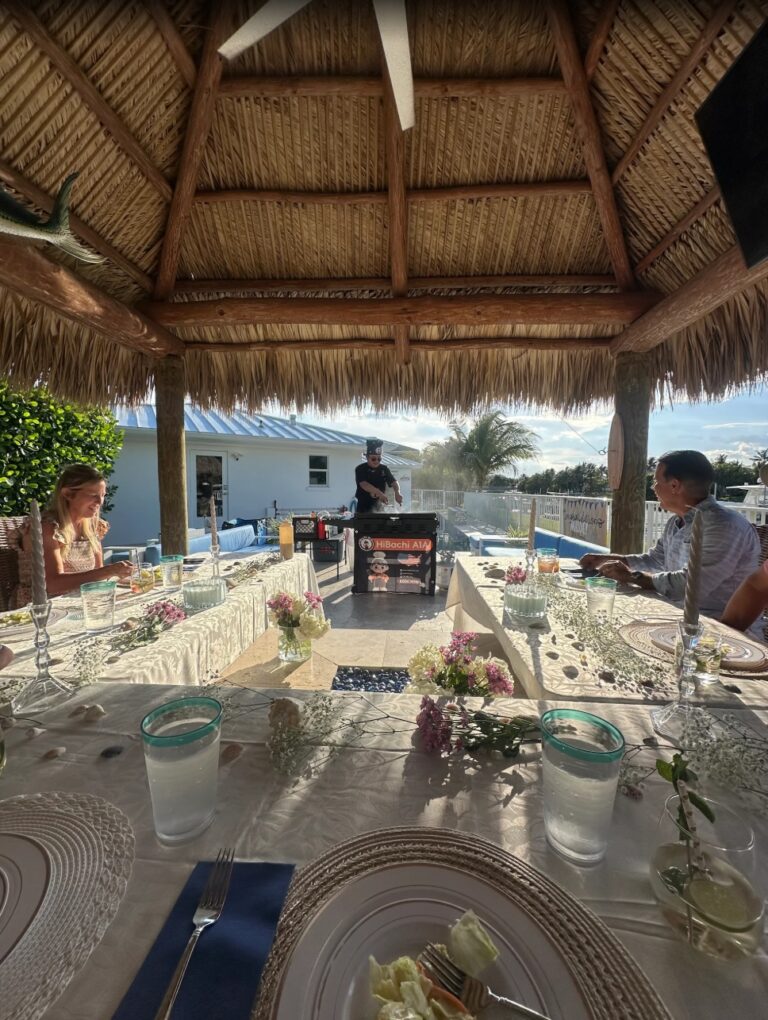
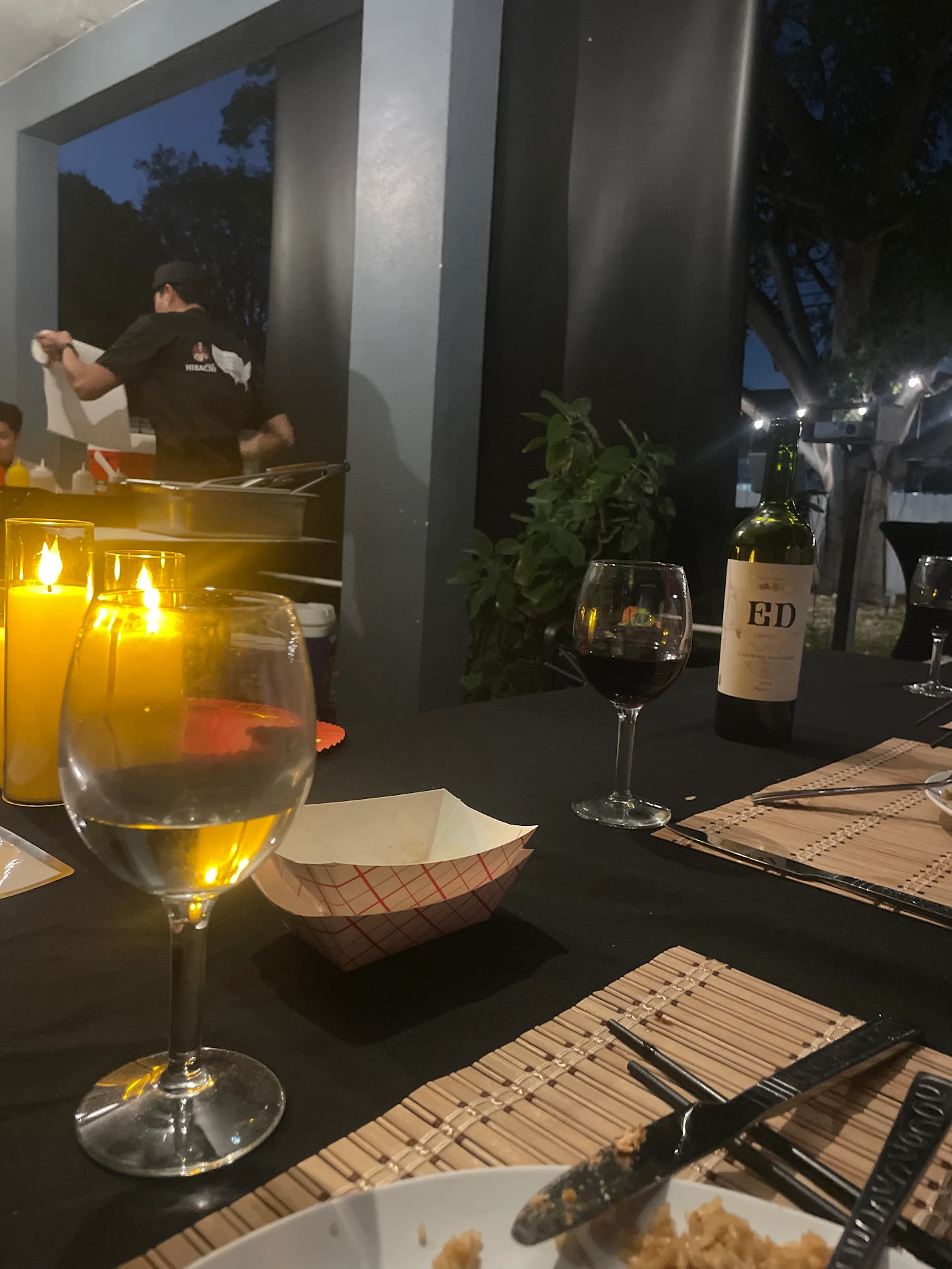
The teppanyaki grill is a natural centerpiece. It creates a communal, interactive experience that few other catering options can match. Guests are seated around the sizzling grill, engaging with the chef, catching shrimp in their mouths, and watching their meal being crafted before their eyes. This isn’t just dinner; it’s a show. For birthdays, anniversaries, corporate team-building events, or pool parties, a hibachi chef transforms an ordinary gathering into a memorable event. The professional also brings custom menus – from filet mignon to lobster tail – that are difficult to execute perfectly at home.
Logistics and Cleanup: The Hidden Value
This is where the professional truly shines. When you book Hibachi A1A, the team arrives with the grill, the fresh ingredients, all condiments, plates, and utensils. They handle the setup, the cooking, and the complete breakdown. You don’t need to prep vegetables, marinate proteins, or clean a greasy cast-iron griddle for hours afterward. You simply provide the table, the chairs, and the guests. This convenience is often worth the cost alone, especially for larger parties of 15 to 50 guests.
Making the Right Choice: Cost, Occasion, and Effort
So, which path is right for you? It comes down to three factors: budget, occasion, and your desired level of involvement.
– Choose DIY if: You love cooking, you have the time for a practice run, your guest list is under 6 people, and you want a low-cost, casual evening. The DIY route is also excellent for learning new skills.
– Choose a Professional (like Hibachi A1A) if: You are hosting a milestone celebration (birthday, anniversary, graduation), you have 10 or more guests, you want to be present and social, and you value a stress-free experience. The cost per person for a professional hibachi chef is often comparable to a mid-range catered dinner, but with a far higher entertainment value.
Final Verdict: A Hybrid Approach for the Best of Both Worlds
For the true enthusiast, there is no need to choose. Practice your DIY hibachi skills for intimate family dinners. Then, for your next big event, book the professionals. This way, you get the joy of mastering the craft at home, and you get to be a spectator at your own celebration. Whether you are wielding the spatula yourself or watching a chef from Hibachi A1A flip a shrimp into your mouth, the sizzle and the flavor of hibachi will always be a crowd-pleaser. The only question left is: who will be at the helm of your grill tonight?