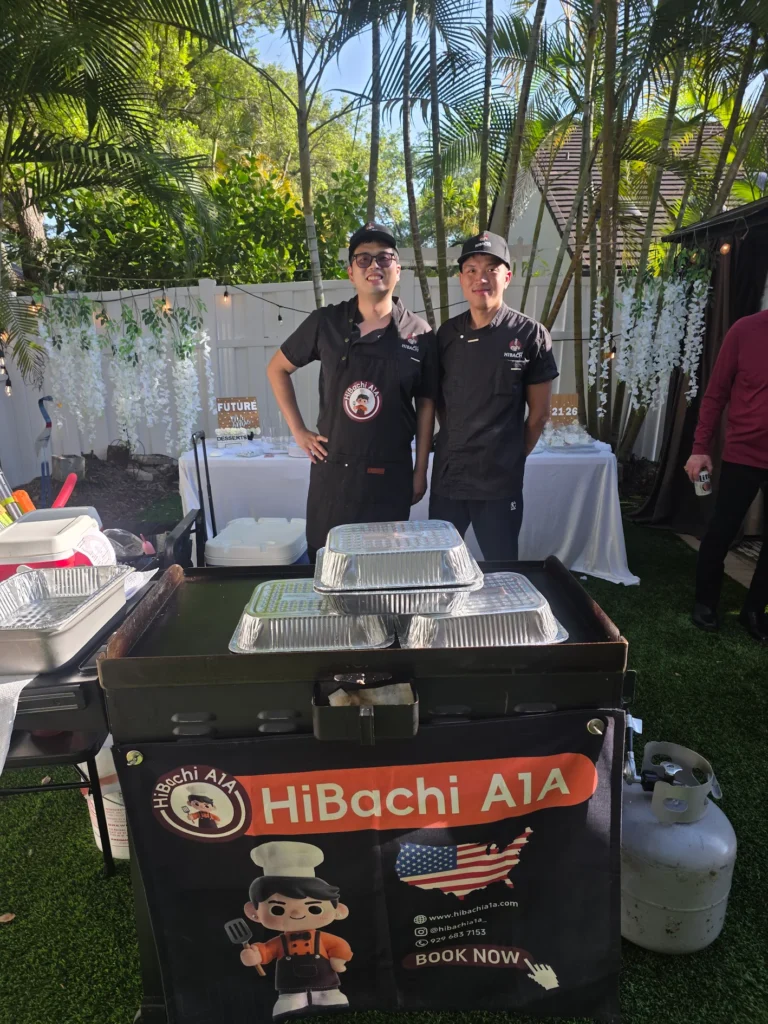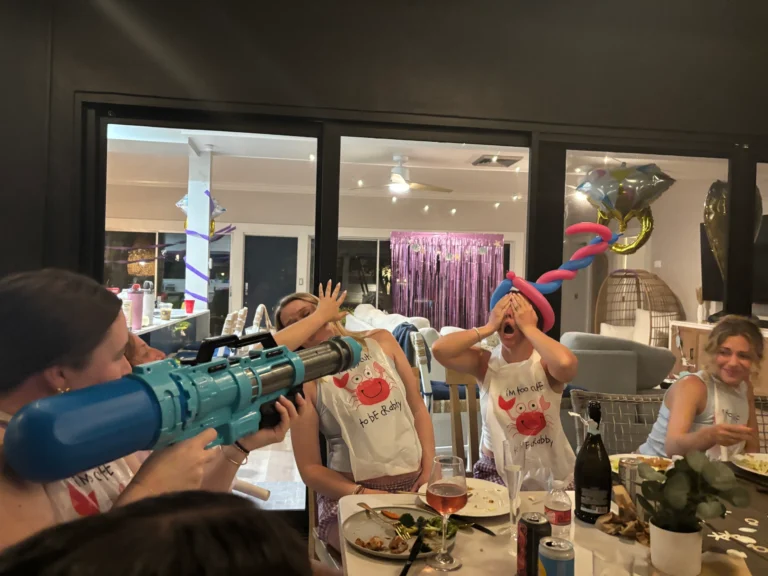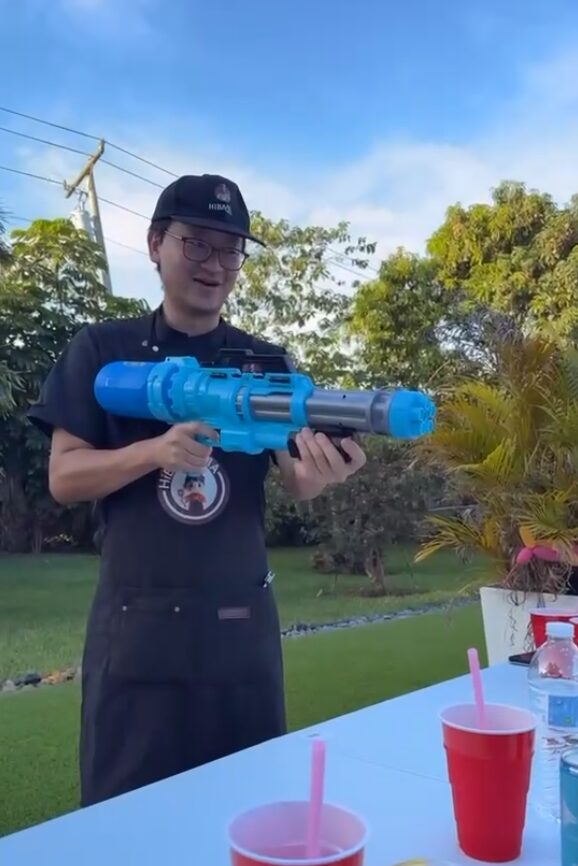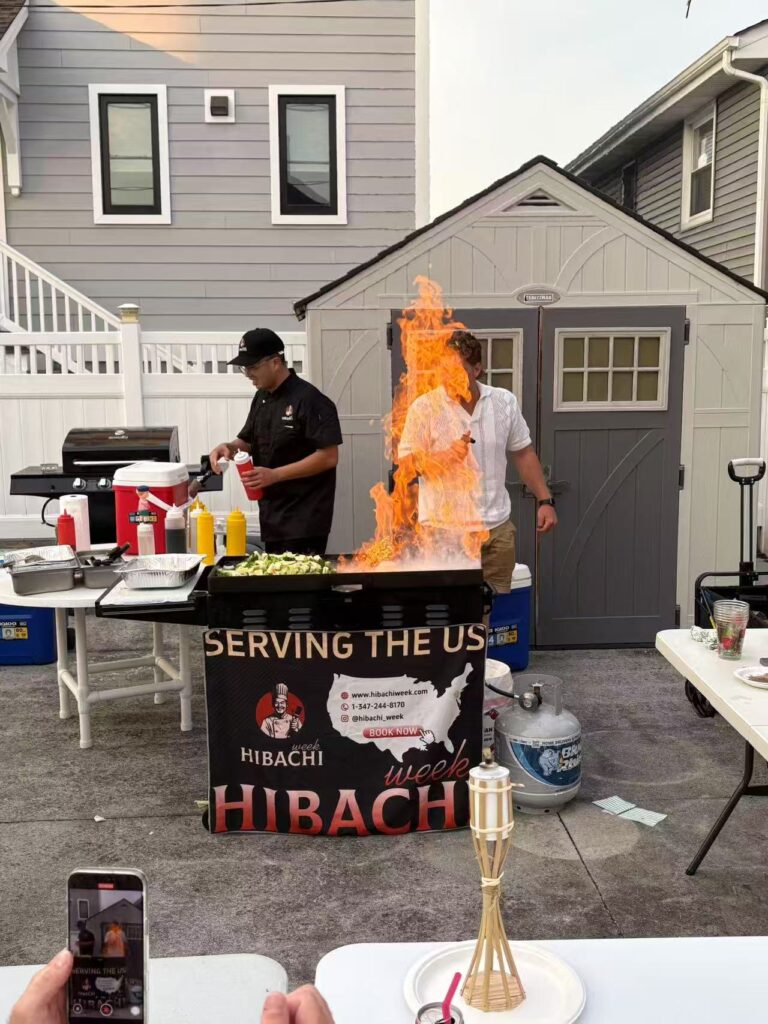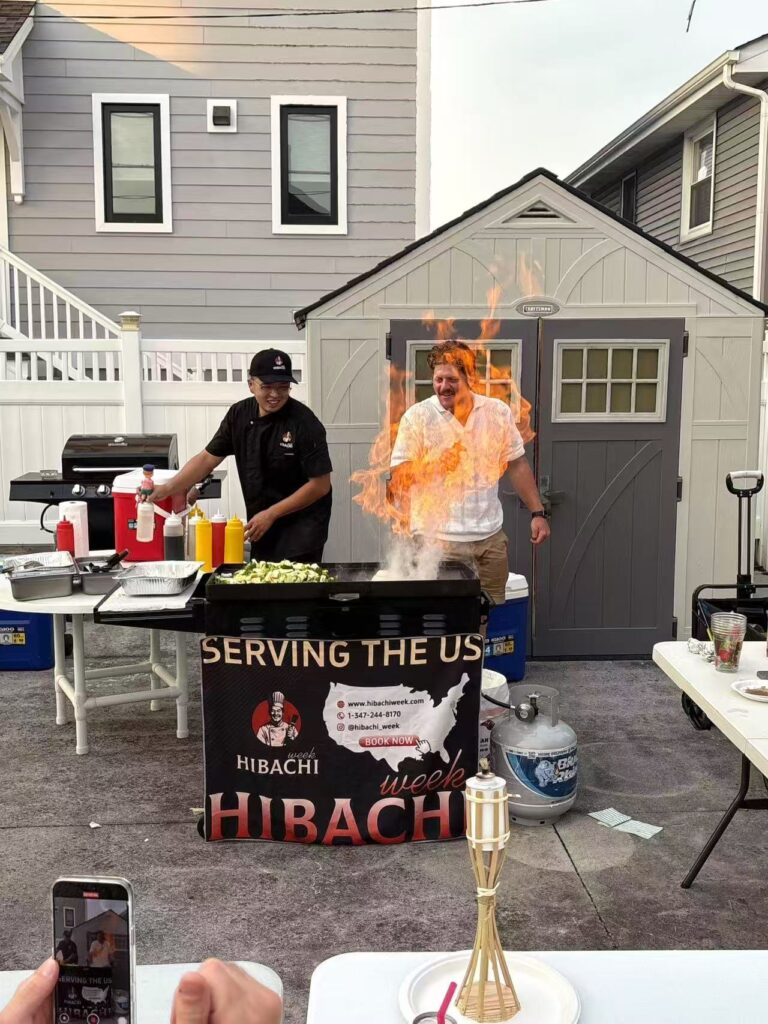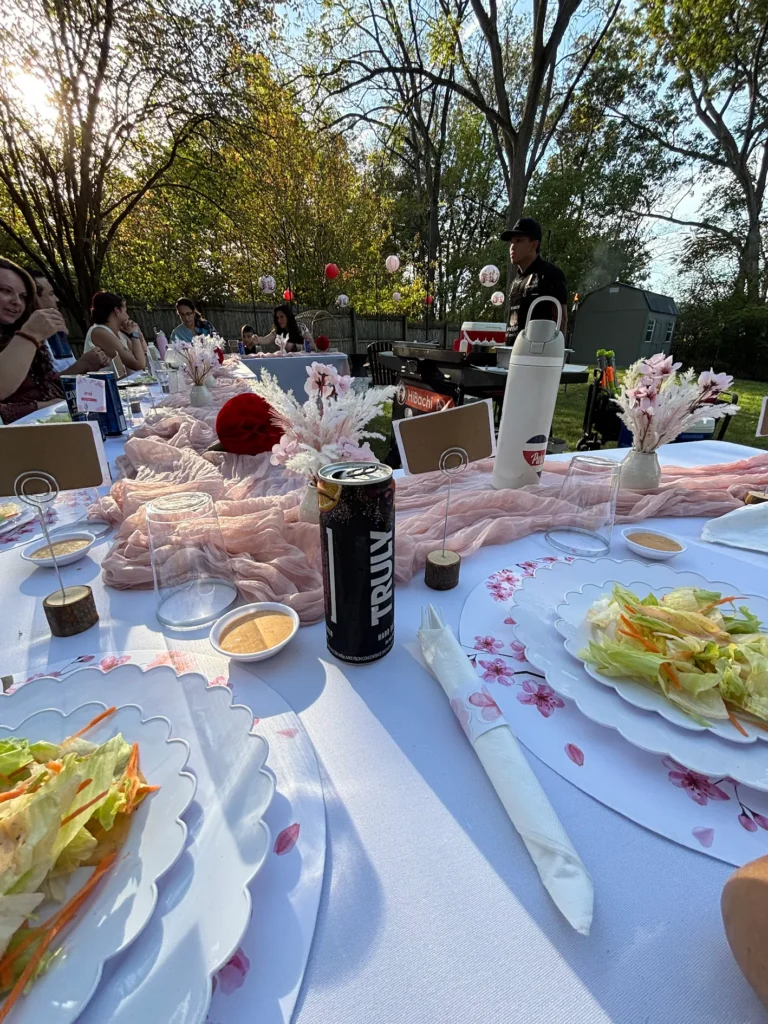
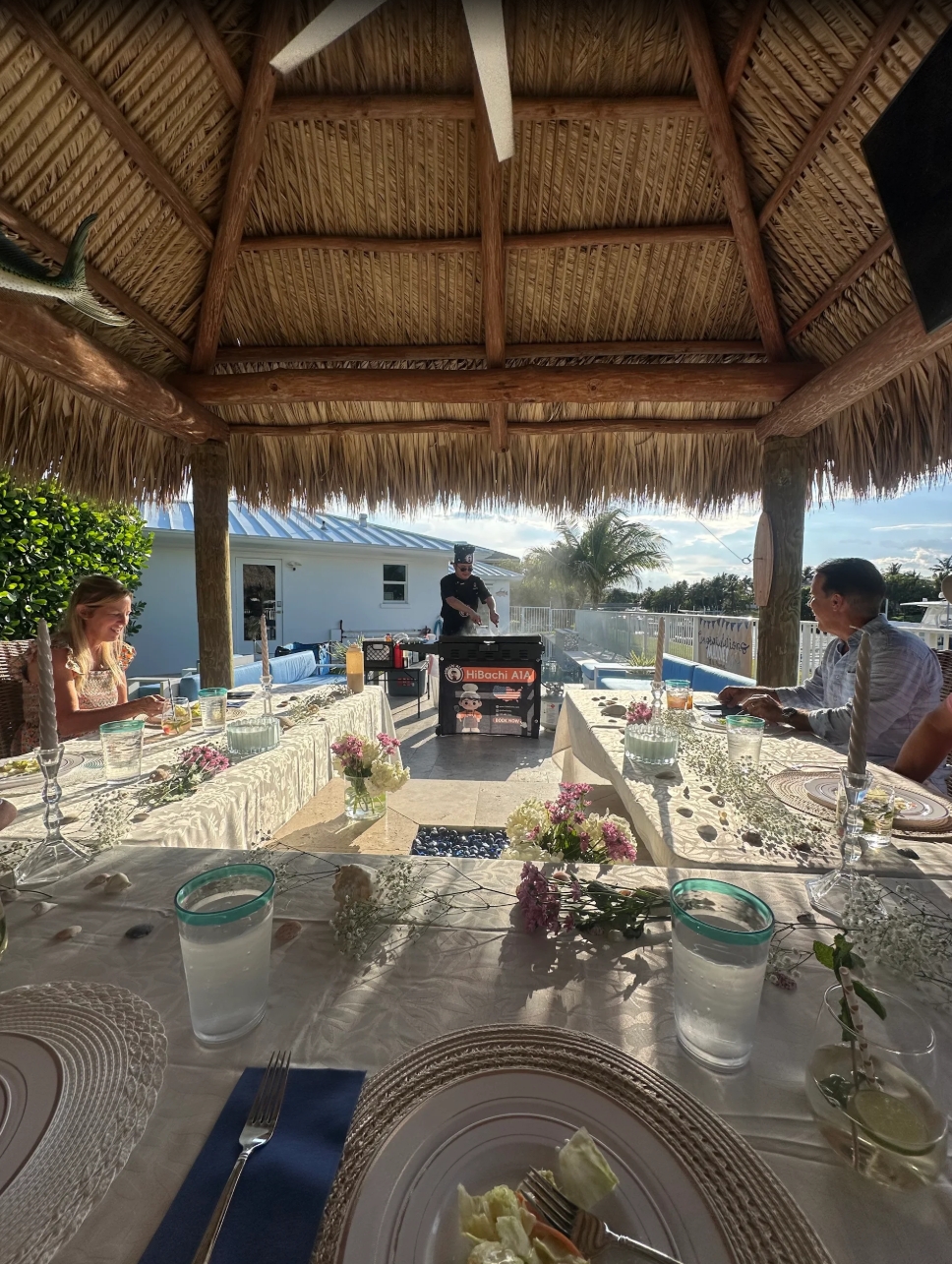
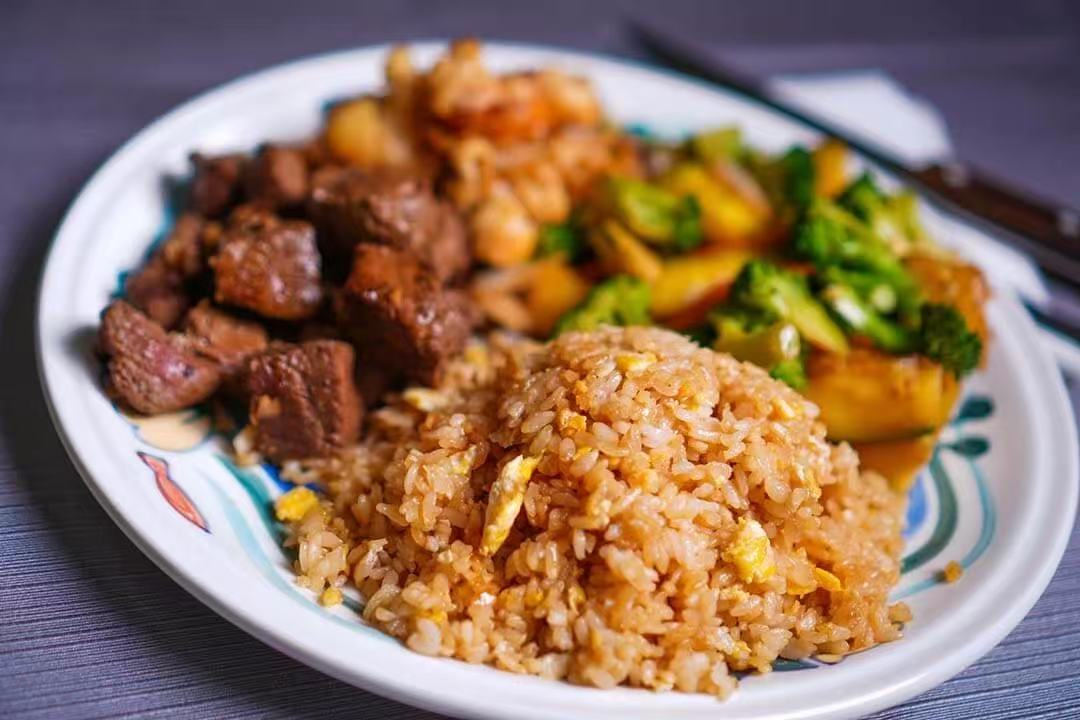
The sizzle of teppanyaki grills, the theatrical flip of a spatula, and the savory aroma of garlic butter and soy sauce — backyard hibachi has become the hottest trend in Fort Lauderdale’s private-event scene. Unlike traditional catering, where food arrives in chafing dishes, mobile hibachi chefs bring a live cooking experience directly to your patio, poolside, or driveway. For homeowners in Fort Lauderdale, this means no restaurant reservations, no cramped tables, and no boring buffet lines. Instead, you get a personalized show where the chef cooks steak, shrimp, chicken, and vegetables right in front of your guests, complete with onion volcanoes and egg tosses.
The appeal is obvious: it’s interactive, delicious, and perfect for birthdays, anniversaries, corporate mixers, or simply a weekend get-together with neighbors. But booking the right provider requires more than a quick Google search. You need to understand the local market, verify credentials, and communicate your vision clearly. This guide walks you through every step of booking a backyard hibachi experience in Fort Lauderdale, with a special spotlight on one standout local provider: [ Hibachi A1A].
Step 1: Define Your Event Scope and Guest Count
Before you reach out to any provider, you must nail down the basics. Are you hosting a casual family dinner for 10, or a larger celebration for 40? Mobile hibachi catering typically charges per person, and the price often decreases slightly with larger groups due to economies of scale. For example, [Hibachi A1A] offers flexible packages starting at around $35–$45 per person, depending on menu selection and travel distance.
Consider these factors when defining your scope:
– Headcount: Be accurate. Overestimating wastes money; underestimating leaves guests hungry. Most chefs will cook extra rice and vegetables, but protein portions are fixed.
– Menu Preferences: Do you want a surf-and-turf combo, vegetarian options, or a kids’ menu? Local providers like [Hibachi A1A] will customize protein choices, sauces (e.g., ginger, yum yum, teriyaki), and spice levels.
– Time Duration: A standard hibachi show lasts 60–90 minutes per seating. If you have more than 15 guests, plan for multiple seatings or a longer booking window.
Once you have these numbers, you can request accurate quotes. Avoid vague inquiries like “How much for a party?” — instead, say, “I need 25 adults, 5 children, steak and shrimp, for 2 hours on Saturday at 5 PM.”
Step 2: Research Fort Lauderdale’s Mobile Hibachi Landscape
Fort Lauderdale has seen an explosion of mobile teppanyaki services in recent years, but not all are created equal. Some are part-time hobbyists with a portable griddle; others are seasoned professionals with commercial licenses, insurance, and a fleet of custom trailers. Your research should focus on three pillars: reputation, licensing, and equipment quality.
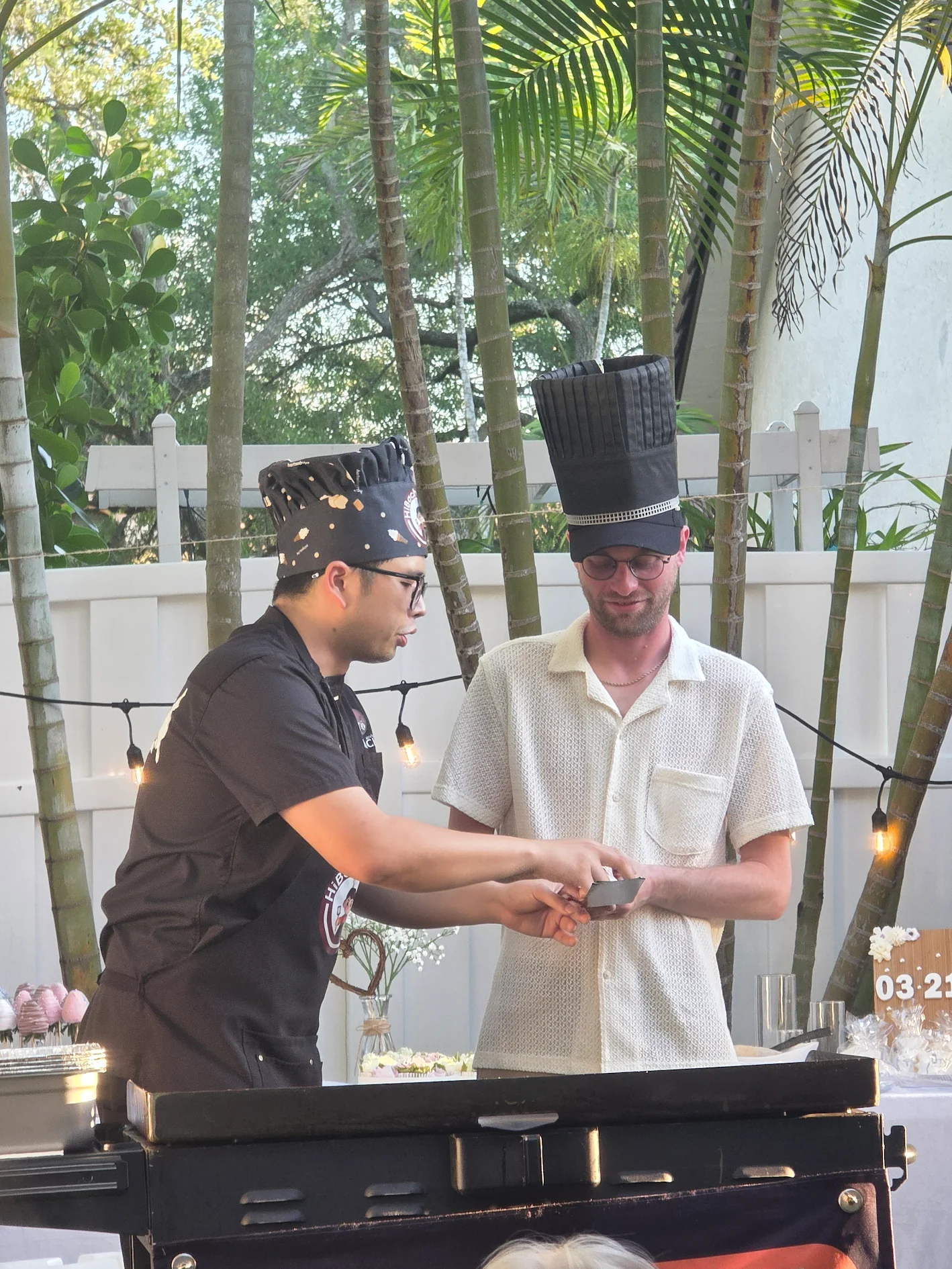
Start by reading reviews on Google, Yelp, and Facebook. Look for patterns — do past clients praise the chef’s showmanship? Is the food consistently described as fresh and flavorful? Beware of providers with only a handful of reviews, especially if they’re all 5-star with generic language. Cross-check their social media presence for real event photos and videos.
Next, verify that the provider is licensed to operate in Broward County. This includes a food service license, liability insurance, and potentially a mobile vending permit if they set up on public property (though private backyards are generally exempt). Ask for proof of insurance before signing any contract. A legitimate provider like [Hibachi A1A] will happily share their credentials and even provide a certificate of insurance naming you as an additional insured — a crucial detail for homeowner’s liability.
Finally, inspect the equipment. A professional mobile hibachi setup should include a large propane or charcoal teppanyaki grill (usually 36–48 inches), a ventilated hood, fire extinguisher, and a clean prep station. In Fort Lauderdale’s humid climate, chefs must also manage open flames safely near pools and palm trees. Ask about their setup logistics: how much space they need, whether they bring their own generator, and how they handle wind or rain contingencies.
Step 3: Direct Outreach and Customization
Once you’ve shortlisted 3–5 candidates, reach out directly via phone or a detailed contact form. For a city like Fort Lauderdale, where summer storms are sudden and heat is intense, you need a provider who communicates promptly and asks smart questions. A top-tier service, such as [Hibachi A1A], will not just take your order — they’ll consult with you on layout, dietary restrictions, and even entertainment preferences.
During your initial call, have this checklist ready:
– Date and time: Confirm their availability. Popular Saturday slots in Fort Lauderdale book out 3–4 weeks in advance, especially during season (November–April).
– Travel fee: Most providers charge a base travel fee within 20 miles of downtown Fort Lauderdale. [Hibachi A1A] covers all of Broward County at no extra charge up to 30 miles, which is a major plus for residents in Coral Springs, Pompano Beach, or Plantation.
– Deposit and cancellation policy: Expect to pay a 30–50% non-refundable deposit to secure the date. Understand the rescheduling window (usually 7 days) and any weather-related clauses.
– Add-ons: Ask about extras like sushi platters, sake tastings, or a dessert hibachi (e.g., bananas foster). Many providers bundle these for a small upcharge.
Don’t be shy about requesting a tasting. While not every mobile chef offers tastings, local operators often welcome small groups for a paid sample session at their base kitchen. If that’s not feasible, ask for a video of a recent event — seeing how they interact with guests is as important as the food itself.
Step 4: The Contract and Day-of Logistics
A professional contract should be a single, transparent page — not a 10-page legal maze. Key terms to look for: total cost breakdown, number of chefs (for groups over 25, two chefs are standard), arrival time, setup duration, and clean-up responsibilities. [Hibachi A1A] provides a simple agreement that states the chef arrives 45 minutes before the first seating to set up, and clean-up (including scraping the grill and removing all waste) is fully included — you don’t lift a finger.
On the event day, prep your space for a smooth experience:
– Designate a flat, shaded area for the grill, ideally within 20 feet of an electrical outlet (though most mobile units use propane and don’t require power).
– Cover the ground with a drop cloth if you have delicate decking or turf — hot oil splatter is normal.
– Arrange seating in a semicircle around the grill, leaving a 3-foot safety buffer.
– Communicate allergies clearly to the chef on arrival. Cross-contamination is rare with professional teams, but it’s your responsibility to flag shellfish or gluten sensitivities.
Finally, remember that the chef is part entertainer. Encourage your guests to interact — shout “Hi-Ya!” when asked, catch the shrimp, and cheer for the onion volcano. That’s what makes backyard hibachi unforgettable. And with a reliable local partner like [Hibachi A1A], you’ll get not just a meal, but a memory.
Locking In Your Fort Lauderdale Hibachi Experience
Booking a backyard hibachi chef in Fort Lauderdale is about more than filling stomachs — it’s about creating a live, social spectacle that elevates any gathering. By defining your scope, vetting providers thoroughly, customizing your menu, and preparing your space, you’ll ensure a seamless event. For most locals, the smartest move is to start with a proven name: [Hibachi A1A]. Their combination of culinary skill, genuine showmanship, and transparent pricing makes them a go-to for backyard feasts across Fort Lauderdale and beyond. Don’t wait until the weekend rush — reach out today, secure your date, and let the sizzling begin.