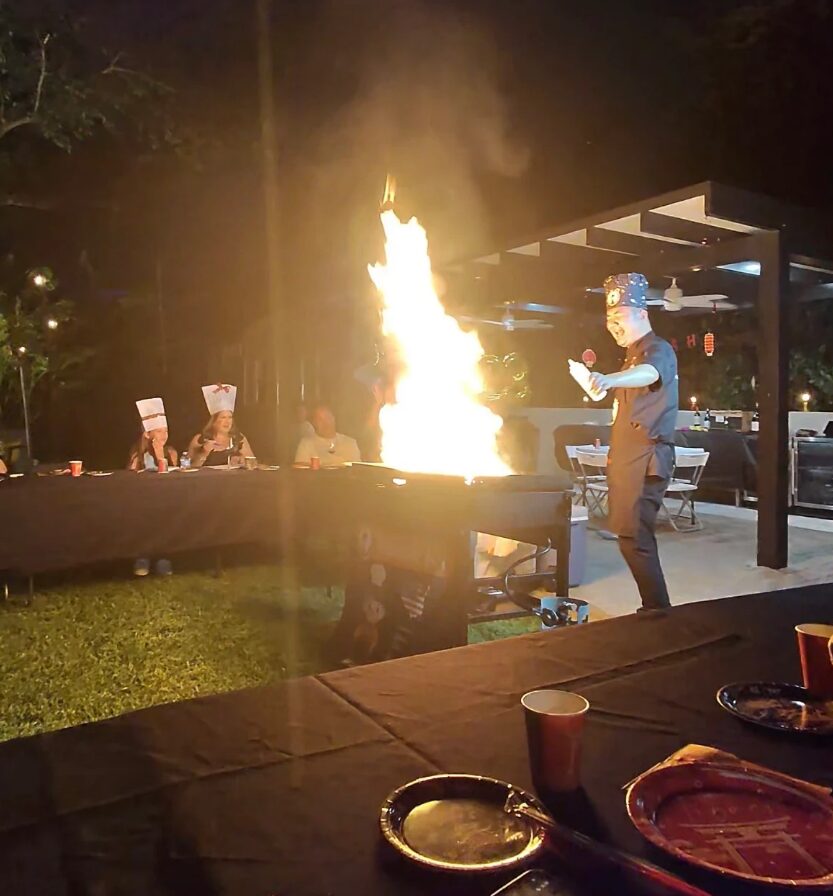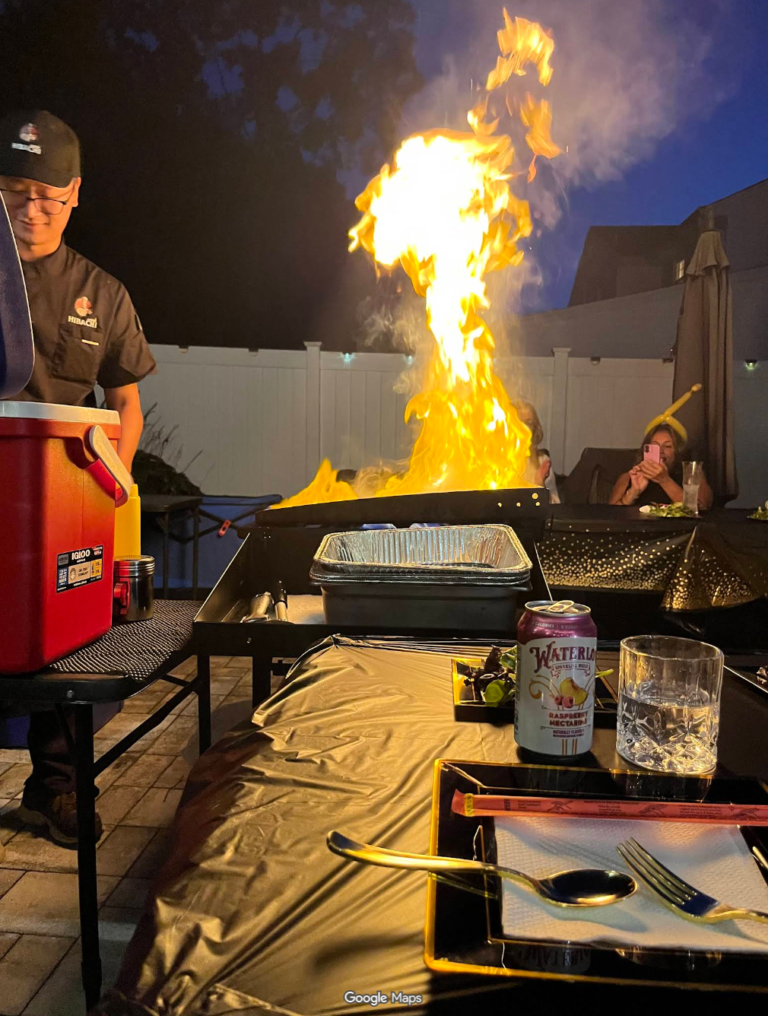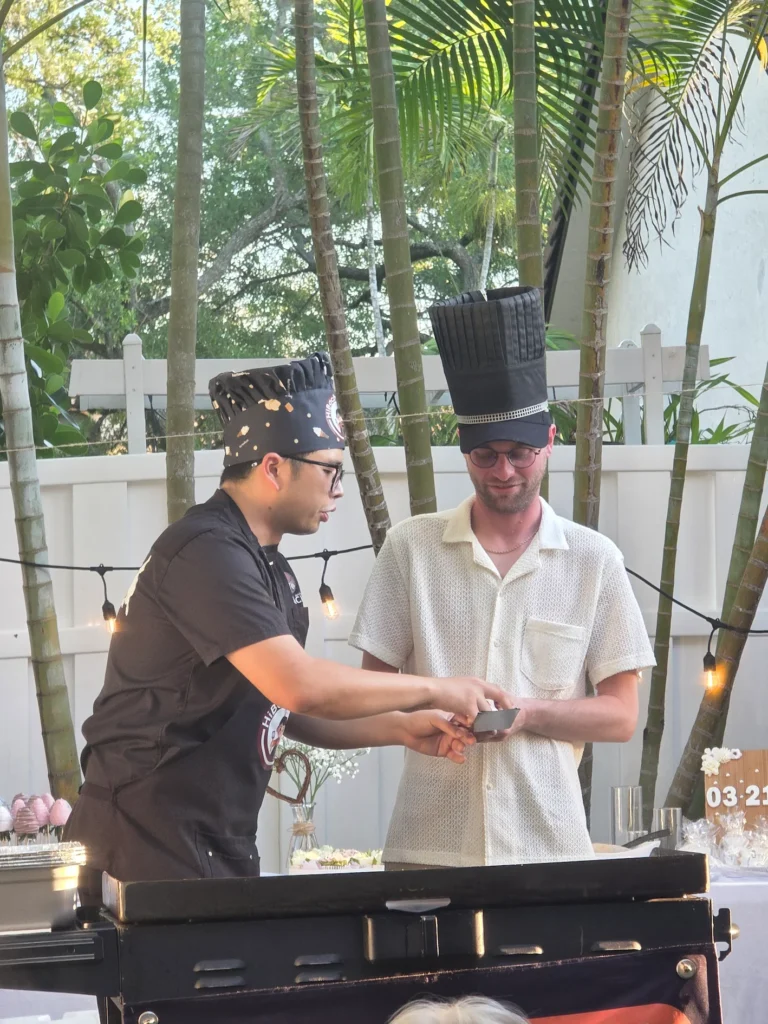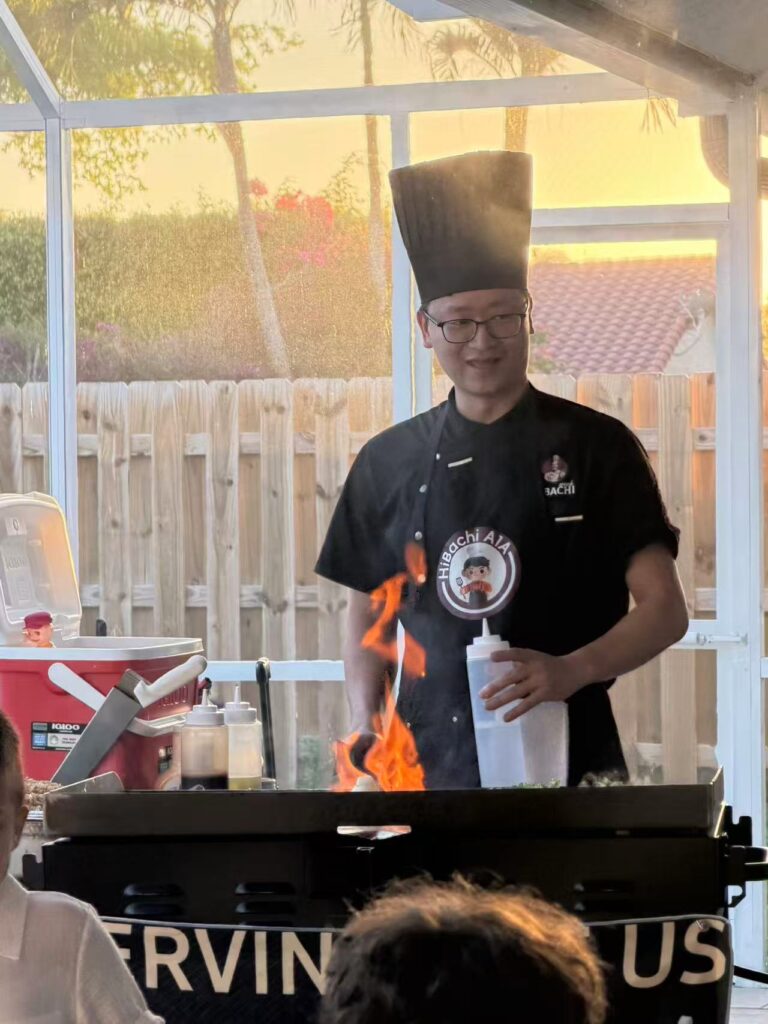
Hosting a memorable home celebration often comes down to atmosphere, food, and entertainment. An at-home hibachi chef delivers all three in one dramatic, delicious package. Unlike catering a standard buffet or hiring a private chef for a sit-down dinner, hibachi brings the theatrical flair of a Japanese steakhouse directly to your backyard, patio, or dining room. The sizzling griddle, the onion volcano, the flying shrimp toss, and the mesmerizing knife work turn dinner into a performance. Your guests aren’t just eating; they’re watching a live culinary show. For birthdays, anniversaries, graduation parties, or even an intimate family gathering, booking a hibachi chef creates that “wow” factor that makes your event unforgettable. And when you work with a trusted mobile catering service like [ Hibachi A1A], the process is straightforward, professional, and stress-free.
Step 1: Determine Your Event Details and Guest Count
Before you even start searching, you need clarity on your event specifics. The hibachi chef experience is highly customizable, but it all begins with numbers. How many guests are you expecting? Most hibachi chefs can comfortably serve groups of 8 to 20, but some providers like [Hibachi A1A] can scale up for larger parties using multiple griddles or a station setup. Also, consider the format: do you want a seated, multi-course experience where guests sit around the flat-top grill, or a buffet-style service where the chef cooks and serves as guests mingle? For smaller, intimate gatherings, the traditional seated griddle-side experience is ideal. For larger parties, a hybrid approach—where the chef cooks batches of meat and vegetables and serves them on platters—works better. Also, decide on your budget. At-home hibachi pricing typically includes the chef’s time, equipment, travel, and food. Ask for a package quote that covers everything upfront, so there are no surprise costs on the day of the event.
Step 2: Research and Choose the Right Mobile Hibachi Service
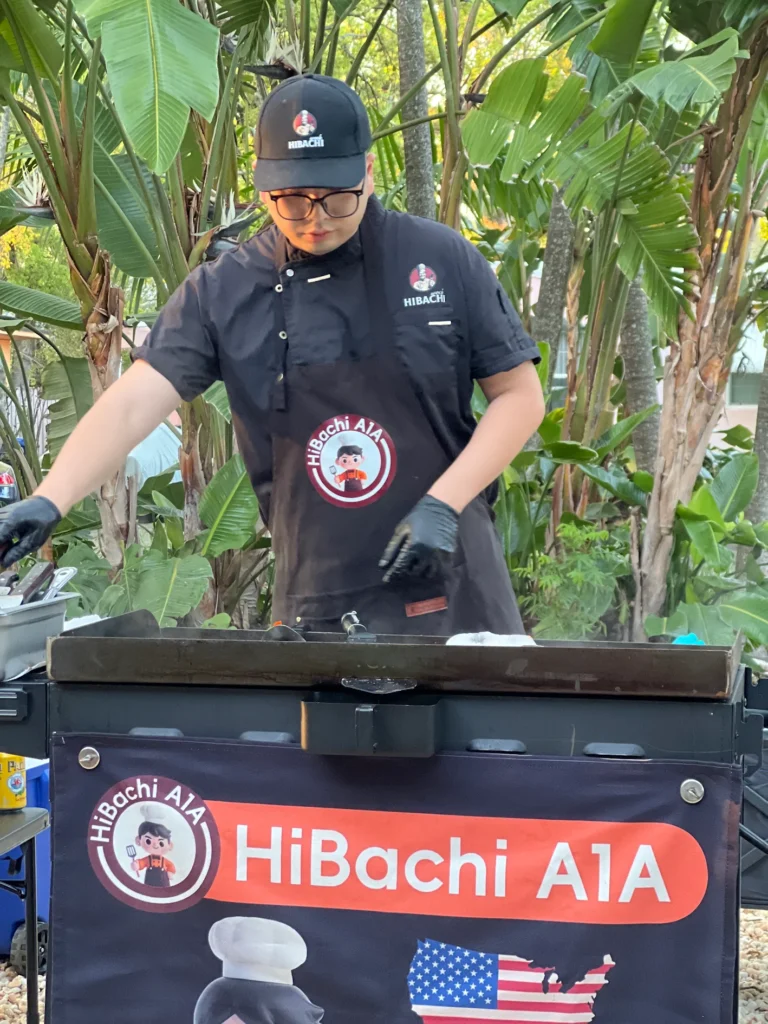
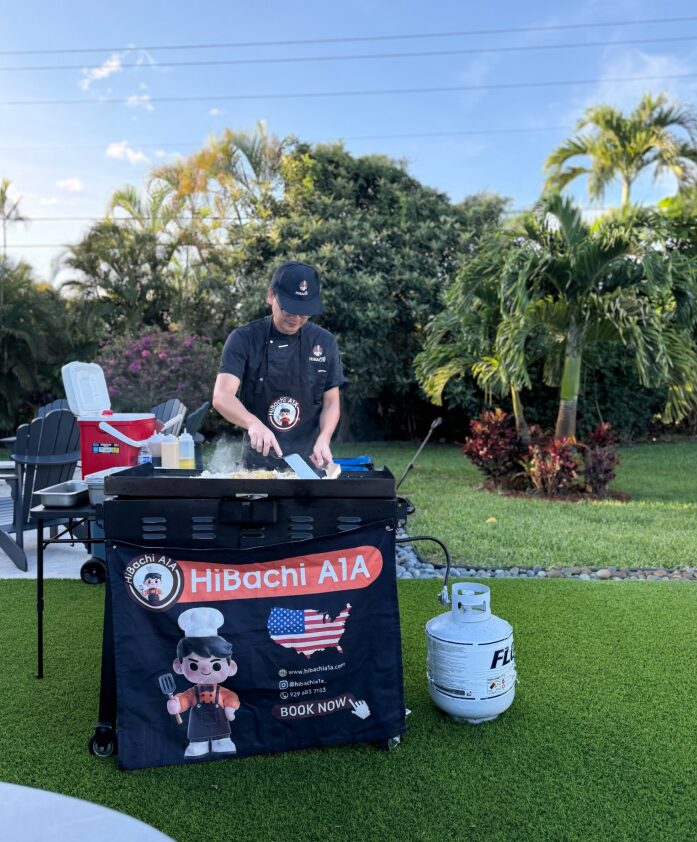
Not all hibachi catering services are created equal. You need a team that is professional, insured, and experienced in mobile setups. Look for reviews on Google, Yelp, and social media. Pay attention to photos of past events—check that their grill setup is clean, their uniforms are presentable, and their presentation matches your aesthetic. Crucially, ask about their equipment logistics. A professional service like [Hibachi A1A] will bring their own portable propane grill, cooking utensils, plates, and even tables. They should handle all setup and breakdown, so you don’t have to worry about a single thing. Inquire about their food sourcing. Do they use fresh, high-quality proteins like filet mignon, chicken, shrimp, and scallops? Do they accommodate dietary restrictions (vegetarian, gluten-free, allergies)? A reputable service will gladly customize the menu and offer alternatives. Also, confirm their licensing and insurance—this protects you in case of any accident on your property.
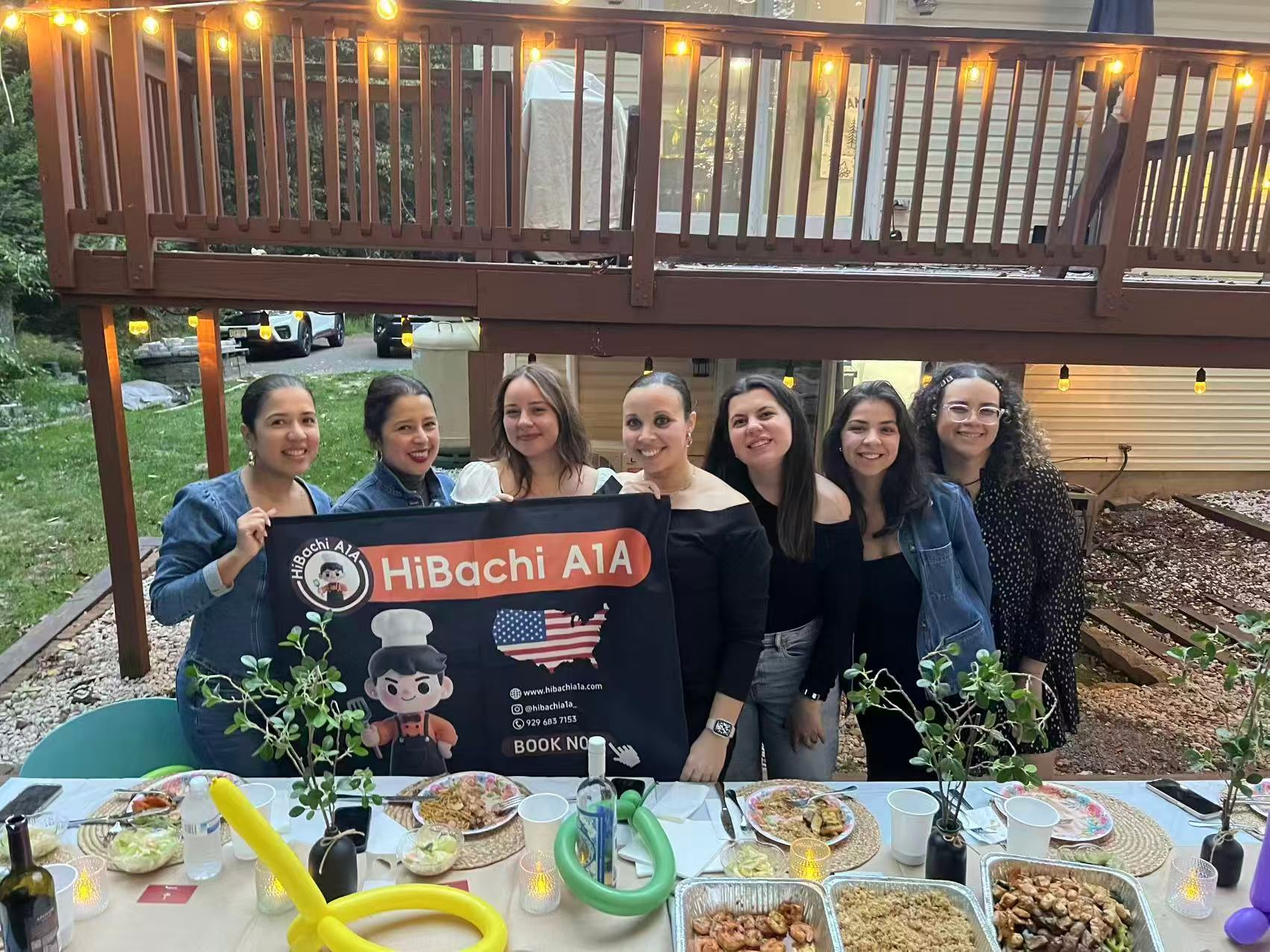
Step 3: Confirm the Menu and Customization Options
Once you’ve shortlisted a service, the next step is menu selection. The classic hibachi experience includes a choice of protein (steak, chicken, shrimp, salmon, or a combination), served with fried rice, sautéed vegetables (zucchini, onions, mushrooms), and dipping sauces (yum yum sauce, ginger sauce, and soy). But you can go beyond that. Ask about premium add-ons like lobster tail, extra scallops, or a sushi appetizer station. For a unique touch, some services offer a “build-your-own” sauce bar or a dessert hibachi course with bananas foster flambéed tableside. When speaking with [Hibachi A1A], be explicit about your guest count and any food allergies. A professional chef will prepare separate batches if needed (e.g., no garlic, no soy, or a dedicated vegetarian section). Also, confirm the serving style: family-style platters are common, but you can request individually plated servings for a more formal dinner.
Step 4: Understand the Logistics—Space, Utilities, and Weather
A common mistake is underestimating the space needed for a mobile hibachi setup. The chef will require a flat, stable surface at least 6 to 8 feet long for the grill, plus a small prep table. Ideally, you want an outdoor patio, deck, or a well-ventilated garage. If you’re hosting indoors, ensure you have a large kitchen island or a sturdy dining table that can withstand heat—the grill surface gets extremely hot. The chef brings their own propane tank, but you should confirm they have enough fuel for your event duration. Also, check your local fire codes regarding open flames—some municipalities require a fire extinguisher nearby. In case of rain, have a backup plan like a covered patio, a tent, or a move to a garage with open doors. Professional services like [Hibachi A1A] will arrive 45–60 minutes early to set up and run safety checks. Make sure you have a clear path from their vehicle to the setup area.
Step 5: Book Early, Communicate Clearly, and Confirm Final Details
Popular dates—weekends, holidays, and summer months—book out fast. Ideally, reserve your chef 4 to 6 weeks in advance, though some services can accommodate last-minute requests. When booking, provide your full address, contact number, event date and time, exact guest count, and any special requests. Most services require a non-refundable deposit (typically 20–30%) to secure the date, with the balance due on the day of the event. After booking, send a written confirmation summarizing the agreed menu, arrival time, and total cost. One week before your event, reconfirm with the service—especially if you’ve had any change in guest count. On the day of the celebration, ensure the grilling area is clean and clear of any obstructions. Designate a point of contact who can greet the chef and answer any last-minute questions.
Final Tips for a Flawless At-Home Hibachi Experience
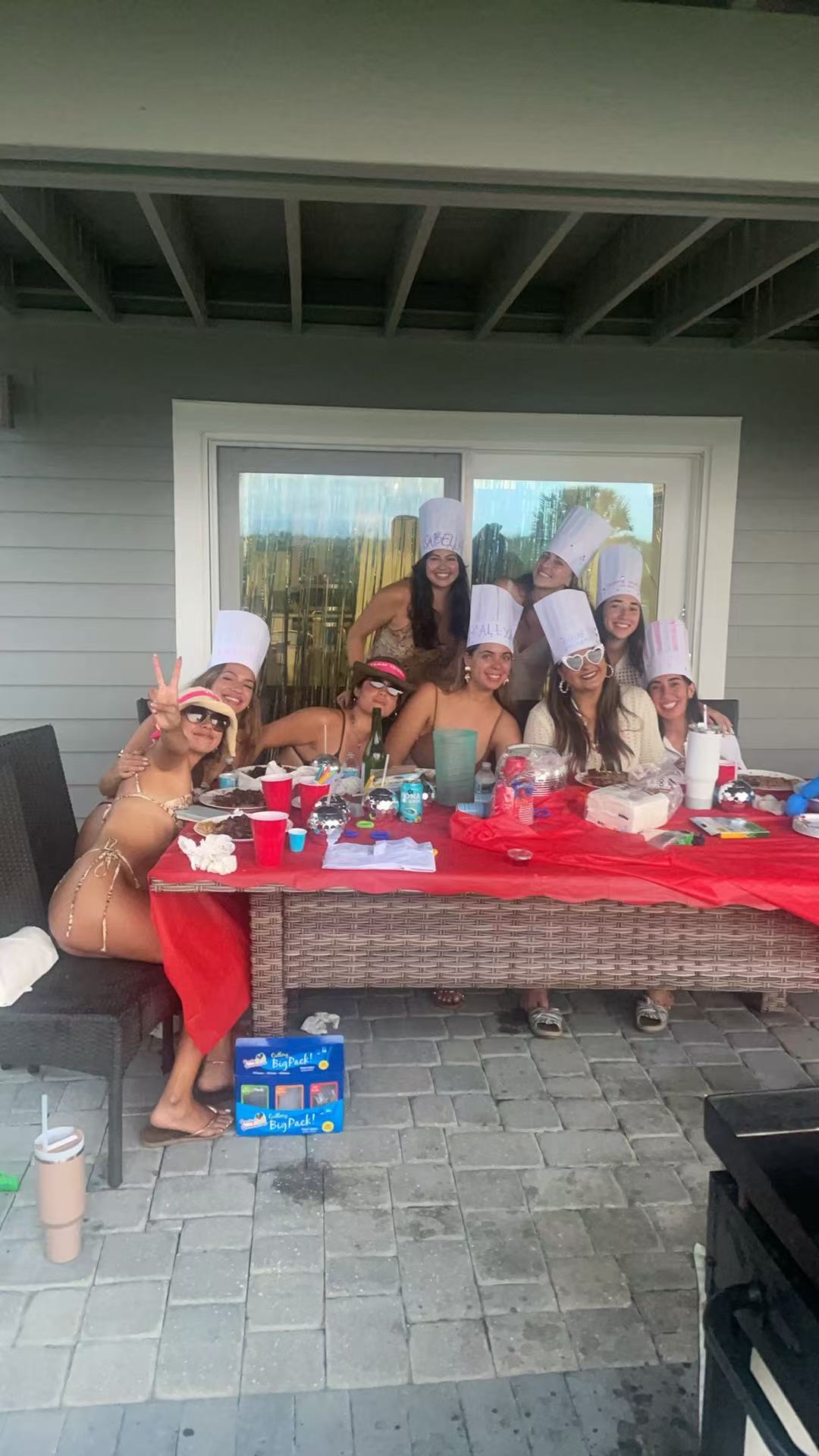
To truly shine as a host, think beyond the chef. Set the mood with Japanese-inspired decor—lanterns, bamboo, or a simple low-lit ambiance. Have napkins, wet wipes, and extra plates ready, as hibachi can get messy. Encourage your guests to sit around the grill if possible; the interaction with the chef is half the fun. Also, allow time for a slow meal—hibachi is not a rushed dinner. Plan for a 90-minute to 2-hour service window depending on guest count. Finally, don’t forget to tip your chef if the service was exceptional—a standard 15–20% gratuity is customary, but check if it’s already included in your package. Booking an at-home hibachi chef through a professional mobile service like [Hibachi A1A] takes the guesswork out of high-end catering, letting you enjoy the party alongside your guests. With the right planning, your next home celebration will be the talk of the neighborhood for years to come.