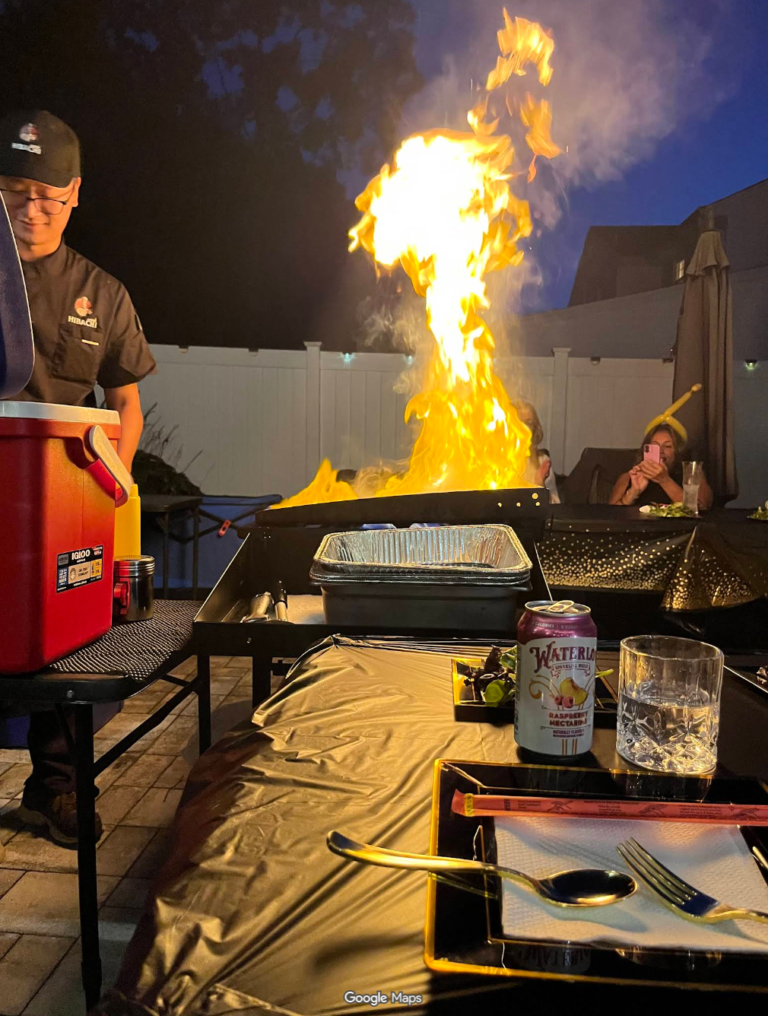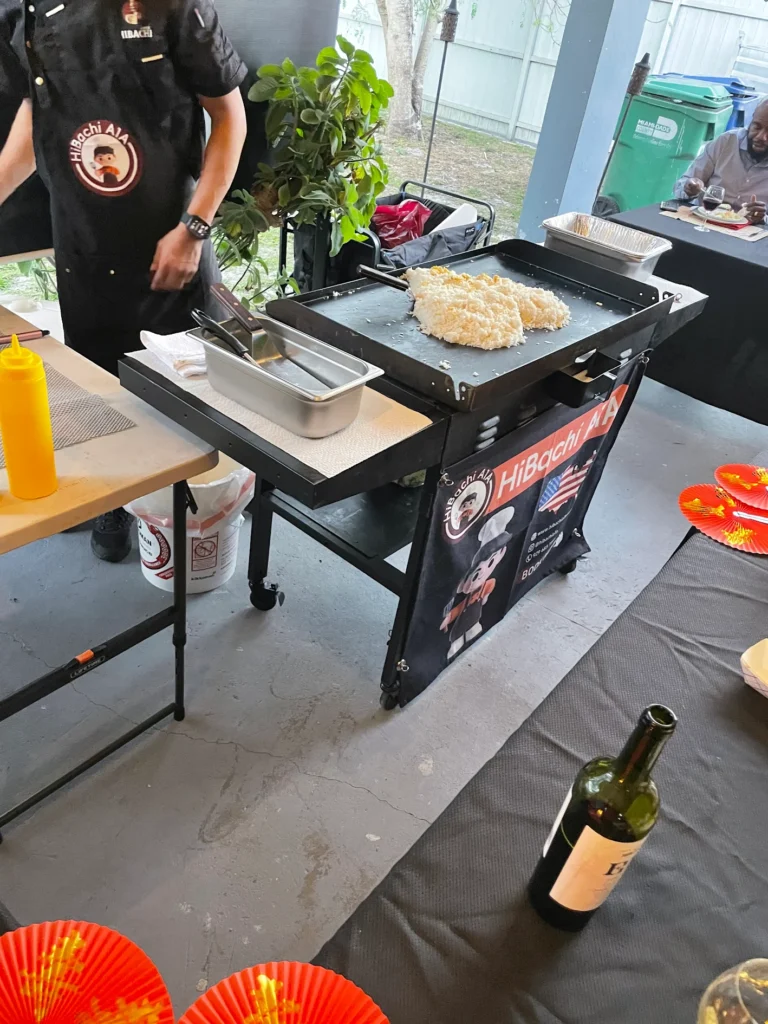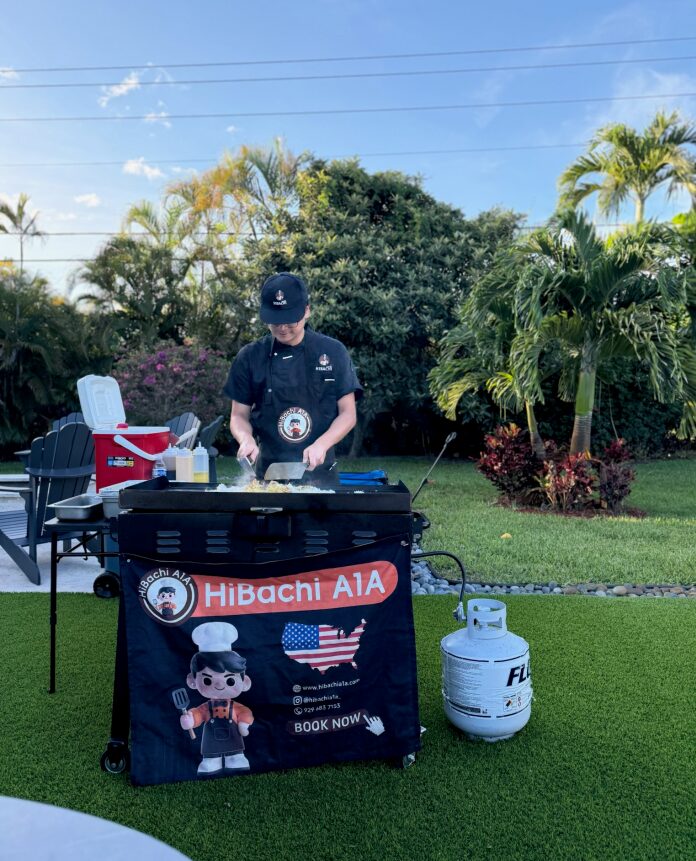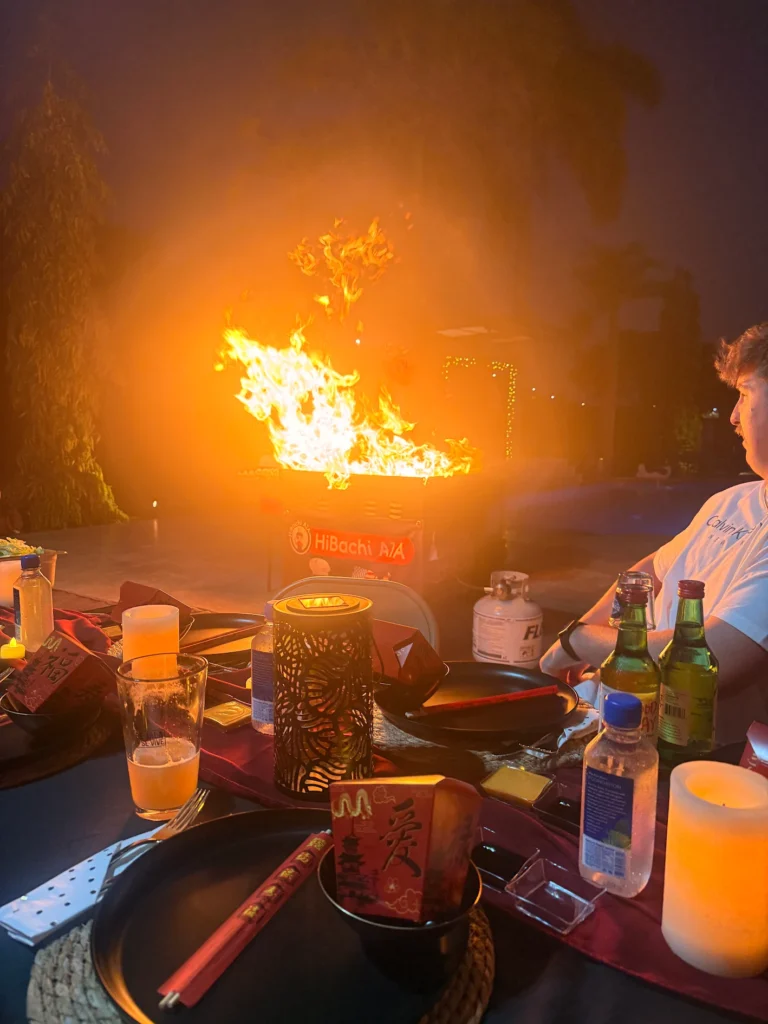
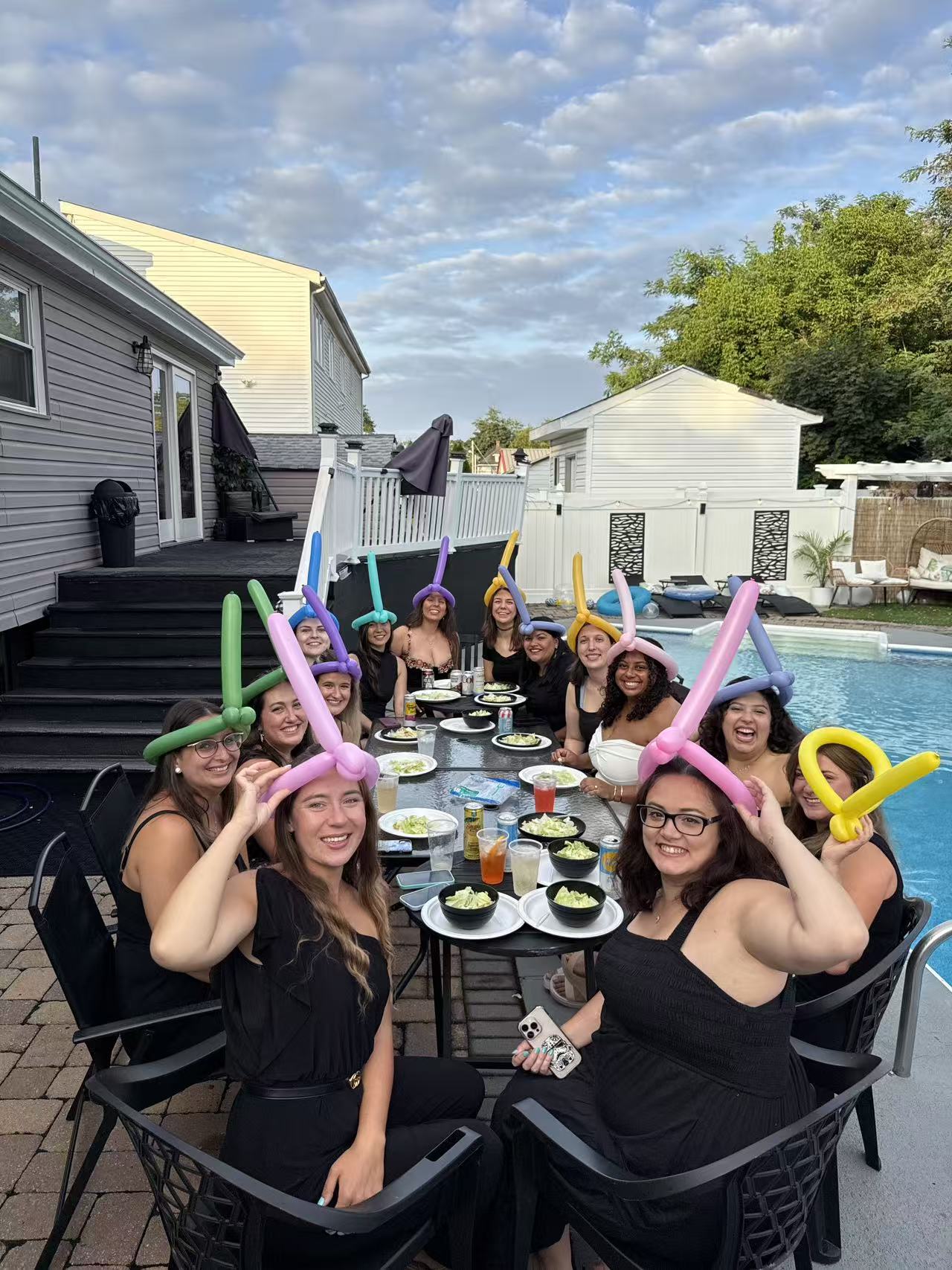
Hosting an at-home hibachi party has become a trendy and exciting way to bring friends and family together for gatherings. The sizzling sounds, theatrical knife work, and savory aromas of teppanyaki-style cooking create an immersive experience that rivals any restaurant. However, planning such an event requires understanding the financial landscape, particularly when it comes to hiring a private chef. This comprehensive cost guide helps you navigate hibachi chef pricing for parties and events, using services like Hibachi A1A as a benchmark for quality and value. Whether you are celebrating a birthday, anniversary, or casual reunion, knowing what to expect can make your gathering seamless and budget-friendly.
Understanding the Allure of At-Home Hibachi Dining
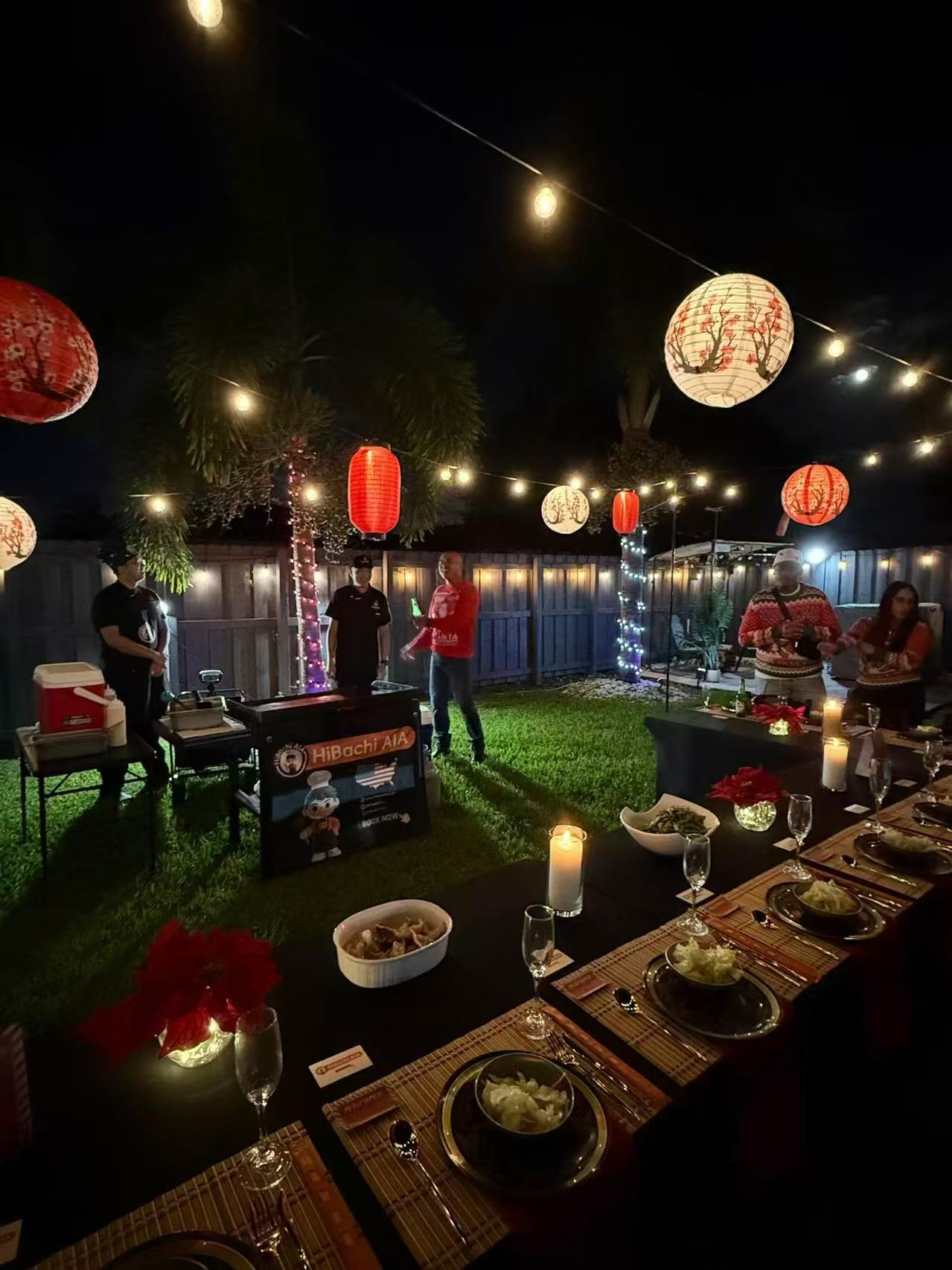
The appeal of at-home hibachi lies in its fusion of entertainment and culinary art. Unlike traditional catering, a hibachi chef brings the grill right to your backyard or living space, transforming a regular meal into a high-energy show. Guests enjoy interactive cooking, with chefs often performing tricks like onion volcanoes and egg tosses. For many, this intimacy and personalization justify the investment. Moreover, with gathering sizes varying from intimate dinners to large celebrations, the cost structure adapts accordingly. Factors such as labor, travel, and equipment rentals play a role, and understanding these components is the first step toward creating a memorable event without overspending.
Key Components of Hibachi Chef Costs
To budget effectively, break down the expenses into core categories. Private hibachi chefs, including those from Hibachi A1A, typically charge a base fee that covers their time, talent, and overhead. This fee can range from $50 to $150 per hour depending on the chef’s experience and the complexity of the menu. Additional costs include travel fees, especially for remote locations or events with stringent time frames. Many chefs also charge for ingredients sourced directly, though some allow you to purchase groceries independently. Equipment rentals, such as portable grills and cooking utensils, are often included but may incur extra charges for larger setups. Recognizing these elements helps you avoid surprises during final billing.
Chef Services and Experience Level
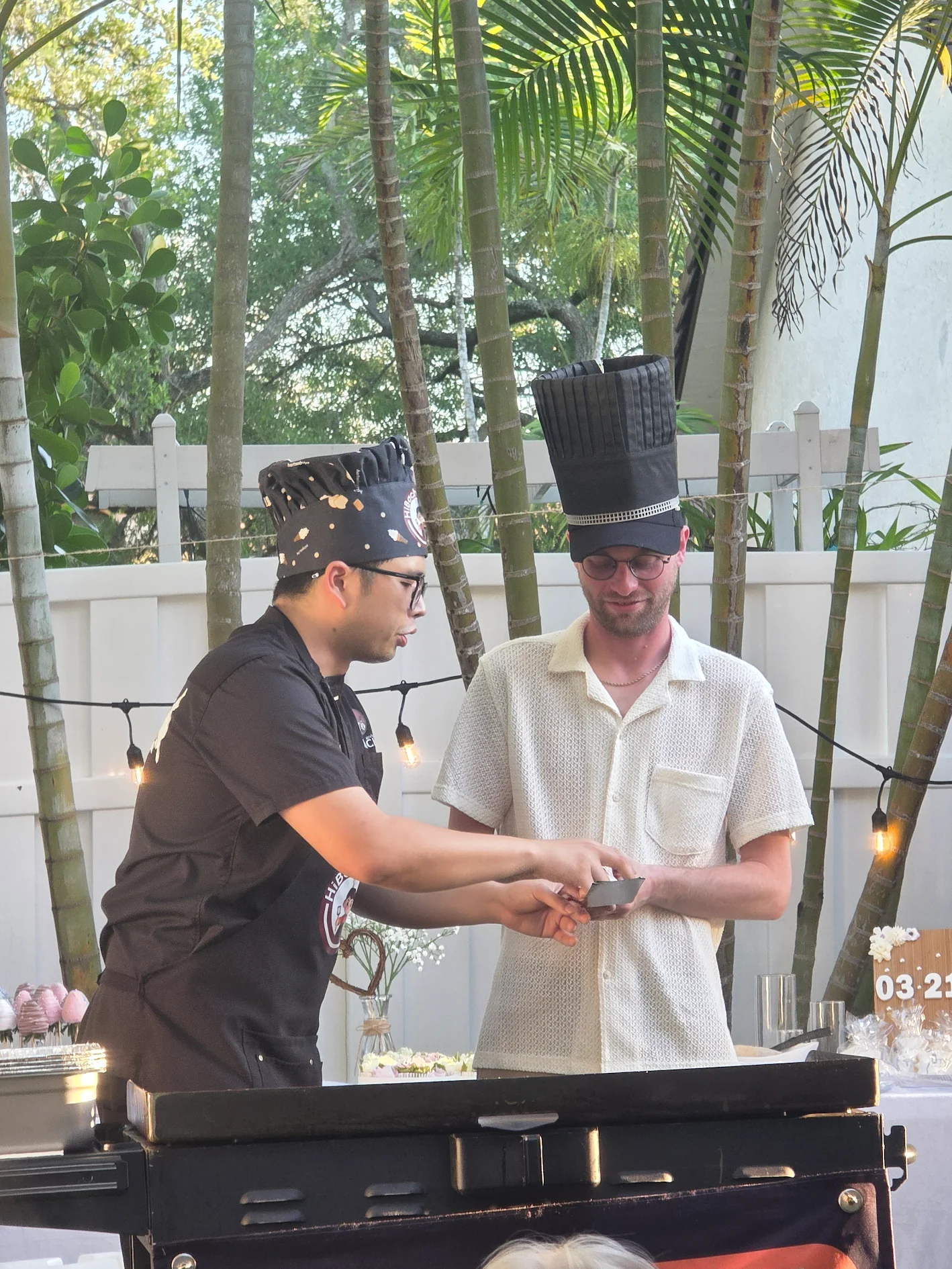
The chef’s proficiency significantly impacts pricing. Entry-level hibachi chefs may offer discounts to build a portfolio, while seasoned professionals like those at Hibachi A1A command higher rates due to their refined techniques and reputation. A seasoned chef brings not only superior knife skills but also the ability to customize menus for dietary restrictions. For up to 10 guests, a typical two-hour session costs between $200 and $400, with premium chefs reaching $600 or more. Services often include setup, cooking, and cleanup, but confirming these inclusions beforehand prevents misunderstandings. For larger groups, some chefs provide per-person pricing, which can streamline budgeting.
Menu Complexity and Ingredient Sourcing
The menu directly influences your final bill. Simple options like chicken and vegetable hibachi are cost-effective, while premium proteins such as filet mignon, lobster, and jumbo shrimp raise expenses. Hibachi A1A offers tiered menus, allowing you to balance preferences with budget. Ingredient sourcing is another variable; some chefs include groceries in their fee, while others charge a markup for convenience. For example, a basic menu might average $15–$25 per person, but a surf-and-turf selection can push costs to $50–$70 per guest. Always request a detailed breakdown to compare options. For those who enjoy meal prep, asking the chef to provide a shopping list can reduce catering costs by up to 20%.
Travel and Setup Fees
Travel distances, especially for metropolitan areas, add a logistical cost. Most hibachi chefs charge a flat travel fee per mile above a certain threshold, which can range from $0.50 to $2.00 per mile. For events within the chef’s local area, this may be waived. Setup requirements like dedicated power sources for grills or availability of outdoor spaces can also affect pricing. Some chefs charge additional rental fees for griddles or propane tanks if the client’s site lacks infrastructure. To manage travel costs, consider booking with nearby services or bundling multiple events in one weekend. Hibachi A1A boasts local expertise that minimizes these extras for many suburban locations.
Average Pricing Ranges for Various Party Sizes
To illustrate typical costs, here are estimates based on industry norms and services like Hibachi A1A. For a small gathering of 5–8 guests, expect to pay between $250 and $450 total. This usually includes a two-hour cooking show and basic ingredients. For medium-sized parties of 10–15 guests, prices stretch from $500 to $800, with premium ingredient upgrades available. Large events for 20–30 guests can exceed $1,200, particularly if multiple chefs are required. Keep in mind that some companies offer package deals that include side dishes, beverages, and disposable plates, which can add $5–$10 per person. Always ask for a customized quote since unique requests—like a full-course tasting—can adjust these benchmarks.
Strategies to Reduce Hibachi Catering Expenses
While hiring a private chef seems pricey, several hacks can lower the bill without sacrificing quality. First, opt for off-peak days like weekdays or afternoon slots since weekend evenings command premium rates. Second, embrace a hybrid menu by providing some ingredients yourself—for instance, pre-cut vegetables or store-bought sauces. This can reduce the chef’s prep time and ingredient markup. Third, combine celebrations with other families to split chef fees and travel costs, creating a communal event. Fourth, choose a shorter cooking duration; a 90-minute session may suffice for smaller groups. Finally, consider gratuity: while 15–20% is standard, some chefs include it in package prices, so verify beforehand. Hibachi A1A frequently offers seasonal discounts, making it worth inquiring about their current promotions.
DIY Elements and Minimalist Setups
Hosting simple DIY elements can also help. For example, setting the table yourself or providing side dishes like sushi rolls or miso soup reduces the chef’s workload. Additionally, limiting special effects—like flame bursts or custom plating—can cut labor time. For ultra-budget gatherings, some groups hire hibachi chefs for just the main protein and rely on potluck sides. Remember, the chef’s coordination remains key; clear communication about your budget allows them to tailor a plan. Hibachi A1A professionals often recommend a “silver package” that includes core hibachi items without costly add-ons, achieving a balance between spectacle and affordability.
Why Choose Hibachi A1A for Your Party?
In your cost considerations, selecting a reliable service provider matters. Hibachi A1A stands out for transparent pricing and exceptional reviews, making it a top choice for at-home events. Their chefs are vetted, and packages are modular to fit varied budgets. Comparing costs with competitors reveals that Hibachi A1A often includes grills and basic spices in their base fee, reducing hidden expenses. They also provide online booking with upfront pricing, enabling you to adjust guest counts and menus instantly. For medium-sized gatherings, many hosts note that Hibachi A1A’s service provides value comparable to fancy restaurants but at lower per-person rates. This transparency helps you plan events confidently, knowing there are no surprise fees.
Additional Considerations: Gratuity, Contracts, and Customization
Gratuity policies differ among chefs. Some include it in the total, while others suggest tipping separately. While 15–20% is standard, check your contract to avoid double-paying. Contracts usually cover cancellation policies, time limits, and liability agreements; review them thoroughly before booking. Customization options, such as themed menus for holidays or kids’ parties, might incur small surcharges but can enrich the experience. When using services like Hibachi A1A, the fine print often clarifies substitutes for unavailable ingredients or adjustments for dietary needs, ensuring your gathering aligns with personal preferences. Understanding these nuances prevents last-minute disputes and fosters a relaxed hosting experience.
Real-Life Cost Examples
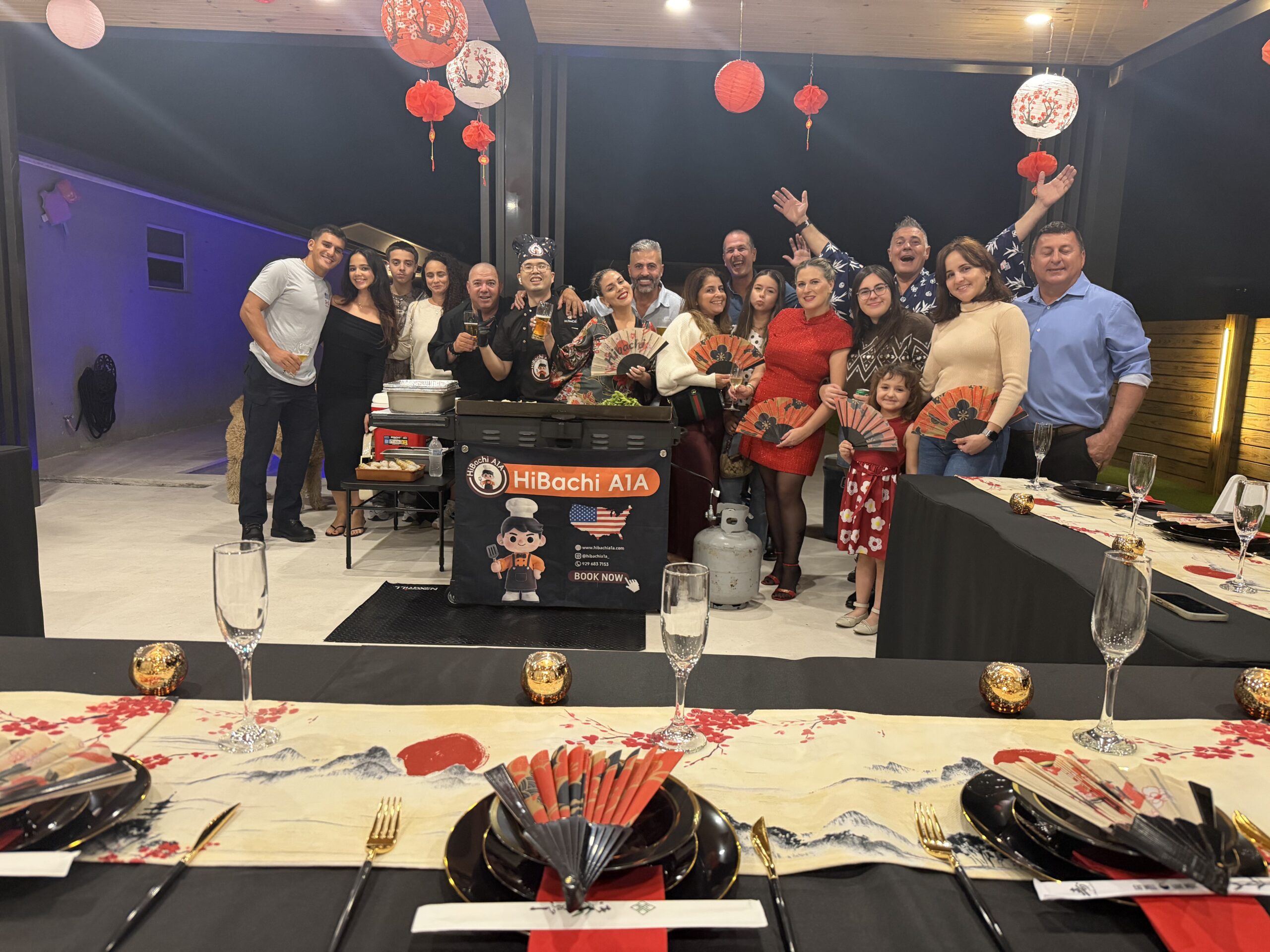
To ground these concepts, here are hypothetical scenarios. For a birthday party of 12 guests, using Hibachi A1A’s standard package at $45 per person totals $540. This includes a two-hour chef performance, chicken and shrimp mains, fried rice, and vegetables. Adding a lobster upgrade raises it to $70 per person, totaling $840. In contrast, a simpler 6-guest anniversary dinner with basic steak and veggies might cost only $300 if booked during a weekday afternoon special. These examples highlight how menu choice and timing dramatically affect expenditure. Always request a quote that matches your exact guest count to avoid paying for unused portions.
Seasonal Trends and Booking Strategies
Costs fluctuate with demand. Warmer months often see higher rates due to outdoor party season, while winter holidays can attract premium surcharges. Booking four to six weeks in advance can lock in lower prices and secure popular chefs. Hibachi A1A suggests that early bookings receive free add-ons like appetizer samplers. Off-peak hours, such as late afternoon luncheons, tend to be less expensive than dinner slots. For those flexible with dates, last-minute cancellations sometimes lead to discounted rates. Signing up for newsletters from hibachi services can alert you to flash sales, particularly for large group packages.
Environmental and Dietary Considerations
Sustainability trends influence cost-saving opportunities. Some chefs offer discounts for clients who use eco-friendly disposables or local produce. Moreover, dietary restrictions—such as gluten-free or vegan requests—might require specialty sauces and ingredients, adding $10–$20 per person. Hibachi A1A accommodates these needs with pre-planned menus, minimizing extra charges through batch sourcing. Communicating these needs at booking helps the chef prepare efficiently, avoiding costly last-minute ingredient runs. For hosts wanting a refined yet affordable spread, balancing premium items with plant-based sides can achieve lower costs while still impressing guests.
Crafting an unforgettable at-home hibachi party hinges on smart budgeting and understanding cost breakdowns. Whether you choose a premium service like Hibachi A1A or an independent chef, the average spread from $35 to $70 per person covers quality ingredients and entertaining cooking. Remember to consider travel fees, menu complexity, and seasonal rates when assembling your plan. With precise planning, open dialogue with your chosen chef, and a willingness to embrace some DIY touches, you can delight your guests without financial strain. Use this guide as your starting point to turn your next gathering into a bubbling success.