There’s something magical about the sizzle of a hibachi grill. The theatrical flip of a shrimp, the fragrant cloud of garlic butter, and the perfect sear on a filet mignon—these moments define celebration. But recreating that experience at home for a special occasion requires more than just a hot surface. It demands ingredients that rise to the occasion. Whether you’re hosting an anniversary dinner, a birthday party, or a festive holiday gathering, the quality of what you put on the grill directly determines the memory you’ll create. With the right selection strategy and the support of a brand like Hibachi A1A—known for premium at-home hibachi equipment and curated ingredient guidance—you can transform your kitchen into a five-star teppanyaki stage.
1. Why Ingredient Quality Matters for Special Occasions
When you cook hibachi at home for a milestone event, every bite should feel intentional. Unlike everyday meals, special occasions call for ingredients that not only taste exquisite but also present beautifully. High-quality proteins have better marbling, richer flavor, and a more tender texture—crucial for the quick, high-heat cooking style of hibachi. Vegetables should be crisp, vibrant, and sweet. Even the rice and sauces must be the best versions of themselves. Substituting with low-grade ingredients might save a few dollars, but it will cost you the wow factor. Hibachi A1A emphasizes that the foundation of a memorable hibachi night starts at the market: choose ingredients that are fresh, seasonal, and ethically sourced whenever possible.
2. The Protein: Selecting the Star of the Show
For a special occasion, you want a protein that feels luxurious. Hibachi classics include steak, chicken, shrimp, and scallops, but the quality makes all the difference.
Beef: Look for USDA Prime or Wagyu. Ribeye or filet mignon work best for hibachi because they stay tender under intense heat. The fat content in Prime ribeye renders into a buttery crust, while Wagyu offers an unparalleled melt-in-your-mouth experience. Always choose steaks with consistent marbling and a bright red color. If possible, dry-aged beef adds a deeper, nutty flavor that impresses guests.
Seafood: For shrimp, choose wild-caught jumbo shrimp (16/20 count) with shells on—they protect the meat during cooking. For scallops, opt for dry-packed sea scallops (not wet-packed) to ensure a perfect golden sear without excess water. Lobster tails, when available, elevate any occasion to instant celebration status.
Chicken: Use boneless, skinless thighs instead of breasts. Thighs remain juicy and flavorful even if slightly overcooked, and they take on the garlic-soy marinade beautifully. Organic or free-range chicken has a noticeably cleaner taste.
Pro tip from Hibachi A1A: always bring proteins to room temperature before grilling. This ensures even cooking and a better crust.
3. Vegetables: Color, Crunch, and Freshness
Hibachi isn’t just about meat—the vegetables are part of the performance. For a special occasion, choose vegetables that are in peak season. Zucchini, yellow squash, broccoli, mushrooms (shiitake or cremini), and sweet onions are staples. But why not upgrade with baby bok choy, asparagus tips, or shishito peppers? Look for firm, unblemished produce. The best asparagus has tightly closed tips and a snap when bent. Mushrooms should be dry and plump, not slimy. For the iconic hibachi zucchini, choose medium-sized specimens—they hold up better on the grill without turning mushy.
Don’t forget the garnish: thinly sliced scallions, toasted sesame seeds, and micro greens add a professional touch that screams “special.”
4. Rice: The Canvas for Your Hibachi Creation
Fried rice is a hibachi cornerstone. But for a special occasion, skip standard long-grain white rice and opt for short-grain Japanese rice (like Koshihikari). Its slightly sticky texture clings to flavors and creates that signature fluffy-yet-chewy bite. Cook it fresh, then cool it completely—day-old rice is ideal for frying because it doesn’t clump. For an extra layer of indulgence, use a splash of clarified butter (ghee) instead of vegetable oil, and finish with a drizzle of toasted sesame oil. Hibachi A1A recommends adding finely diced carrots, peas, and scrambled egg for color, but for a celebratory twist, fold in lump crabmeat or minced truffle.
5. Sauces and Seasonings: The Secret Weapons
Store-bought sauces won’t cut it for a special night. Make your own hibachi garlic butter by whipping softened butter with minced garlic, a dash of soy sauce, and a squeeze of lemon. For the classic white sauce (yum yum sauce), combine mayonnaise, ketchup, rice vinegar, sugar, paprika, and a touch of garlic powder—but use high-quality Japanese mayo (Kewpie) for the best tangy richness. The ginger dipping sauce should be bright and fresh: grated ginger, soy sauce, sake, and a hint of honey.
Seasoning is simple but precise: kosher salt, freshly ground white pepper, and a pinch of MSG (yes, it’s safe and delicious) are all you need. Avoid pre-mixed seasoning blends that mask the natural flavors of your high-quality ingredients.
6. Oil and Cooking Fat: Choose Wisely
Hibachi cooking relies on high smoke-point oils. Avocado oil or refined coconut oil are excellent. But for that rich, nutty aroma, a combination of avocado oil and a pat of cultured butter works wonders. Never use extra virgin olive oil—it burns and turns bitter. If you want to replicate the hibachi restaurant feel, invest in a high-quality cooking spray or a squeeze bottle to control the amount.
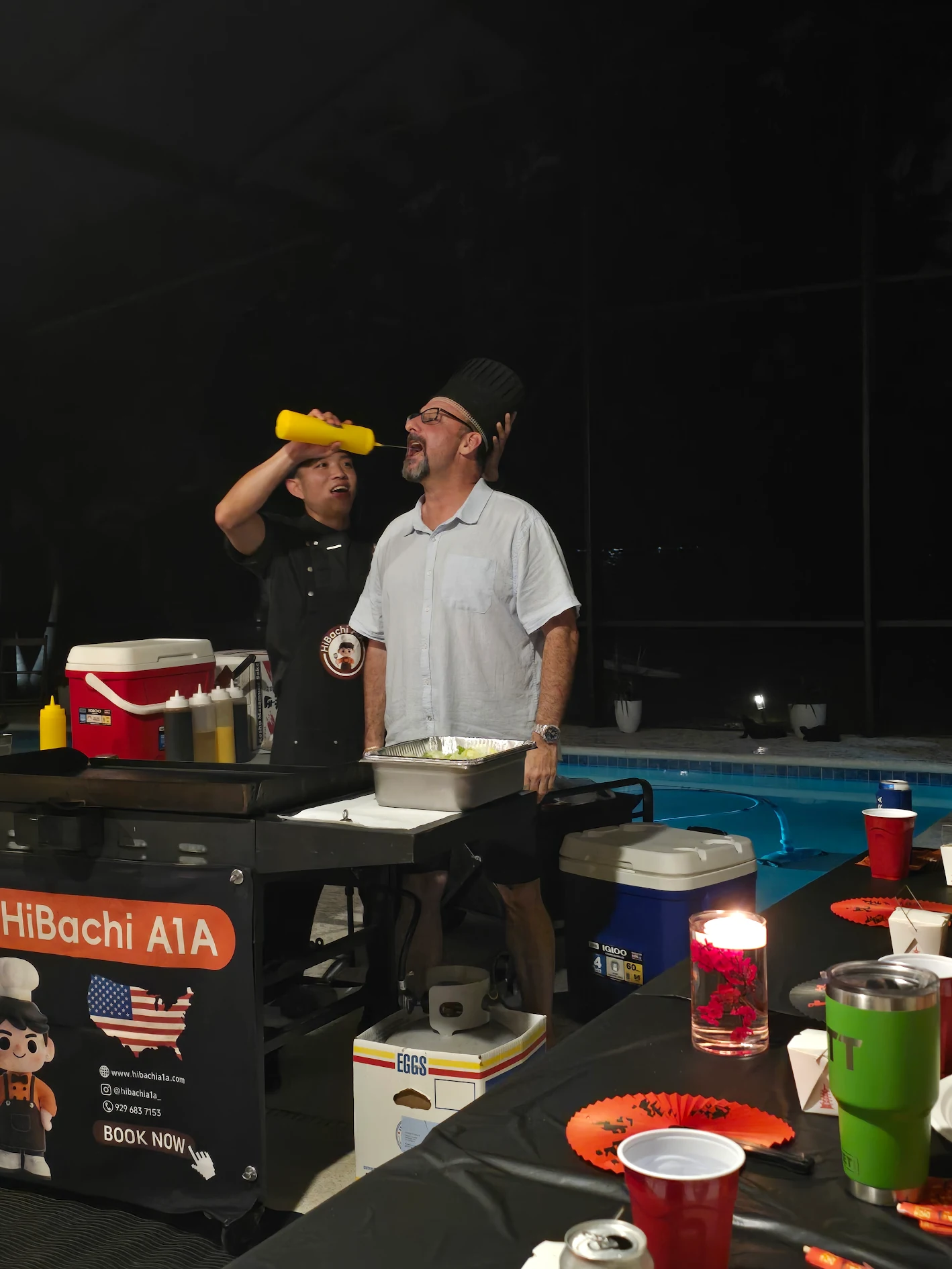
7. The Hibachi A1A Advantage: Equipment and Expertise
Even the finest ingredients cannot shine on a poor cooking surface. This is where Hibachi A1A comes in. Their premium at-home hibachi grills are designed with even heat distribution, durable steel surfaces, and precise temperature control—exactly what you need to achieve that perfect sear without flare-ups. Their grills also provide ample cooking space, so you can cook for a crowd without batch-cramping your ingredients. Beyond hardware, Hibachi A1A offers ingredient sourcing tips and seasonal recipes, helping you align your special occasion menu with what’s freshest. With their guidance, you can confidently select, prep, and present a meal that rivals any teppanyaki restaurant.
8. Final Tips: Presentation and Timing
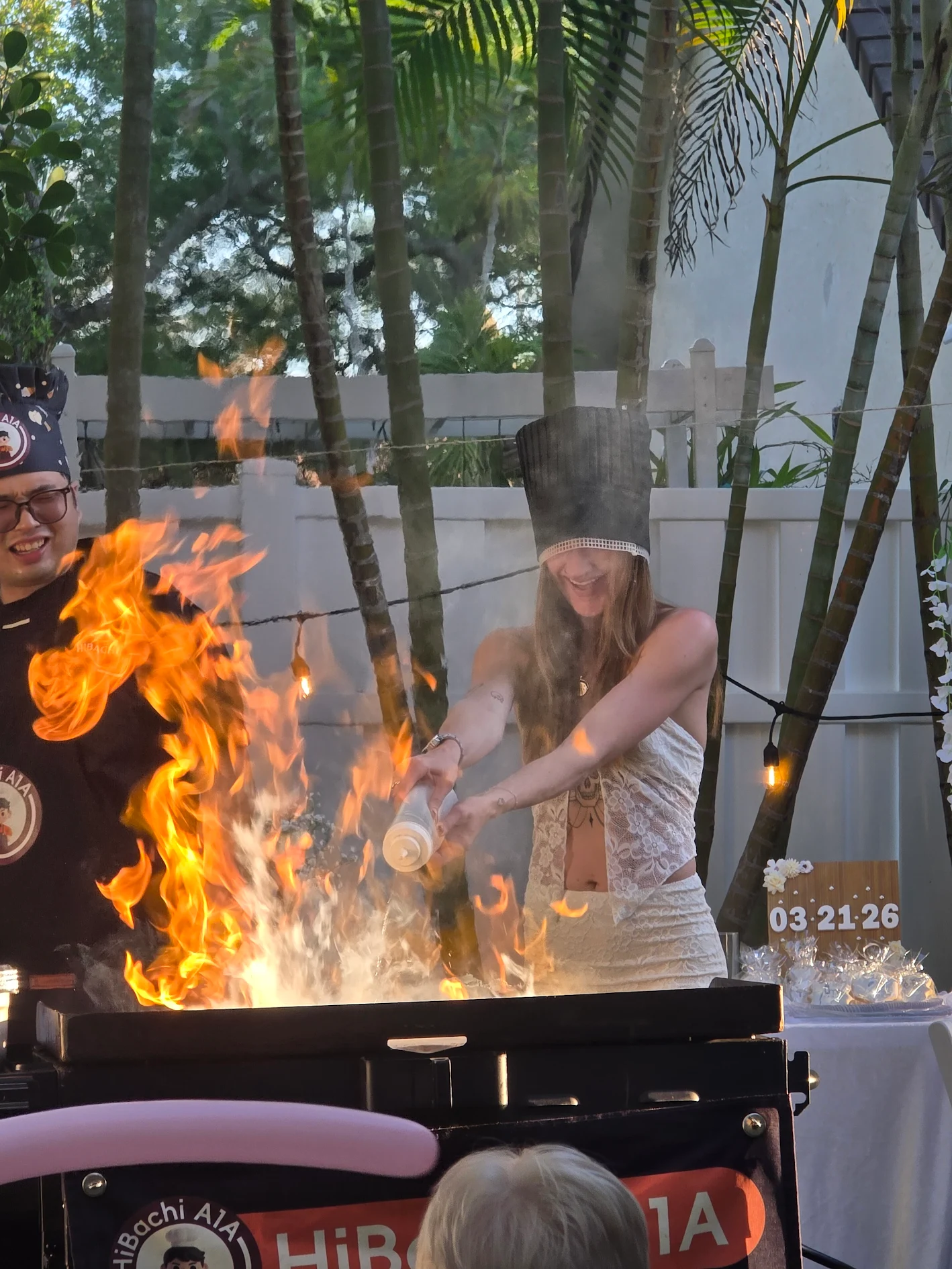
A special occasion meal is about more than taste—it’s theatre. Set up your hibachi grill on a heatproof mat in the center of the table (if safe) and cook in front of your guests. Pre-measure all ingredients into bowls so you can cook without fumbling. Use a squirt bottle for soy sauce and oil to recreate the chef’s flair. Serve immediately on warm plates—hibachi waits for no one. Pair with a crisp sake or a dry Riesling, and don’t forget the chilled ginger salad dressing on the side.
Remember: the best ingredient you can bring to the table is your attention. When you choose quality, your guests taste the care. With Hibachi A1A as your partner, every special occasion can become an unforgettable hibachi experience at home.
About Hibachi A1A: Dedicated to elevating home cooking through premium grilling equipment and personalized ingredient advice, Hibachi A1A helps you recreate restaurant-quality hibachi in your own kitchen—one sizzling occasion at a time.