Miami’s culinary scene is dynamic, and in-home hibachi catering has surged in popularity for events from birthdays to corporate gatherings. The appeal of having a skilled chef prepare teppanyaki-style meals in your own backyard is undeniable. However, booking this service requires careful planning to ensure a seamless experience. Whether you are considering a private chef for the first time or looking to refine your next event, understanding the nuances of Miami Hibachi At Home catering is essential. This guide, developed with insights from the trusted service provider Hibachi A1A, covers everything you need to know before making a reservation.
What Is miami hibachi at home Catering?
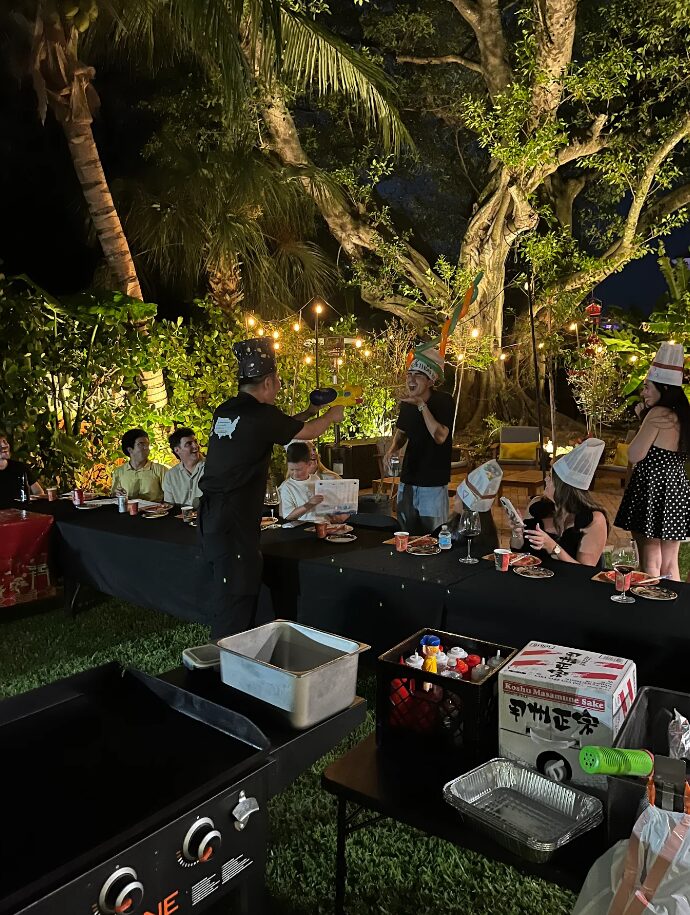
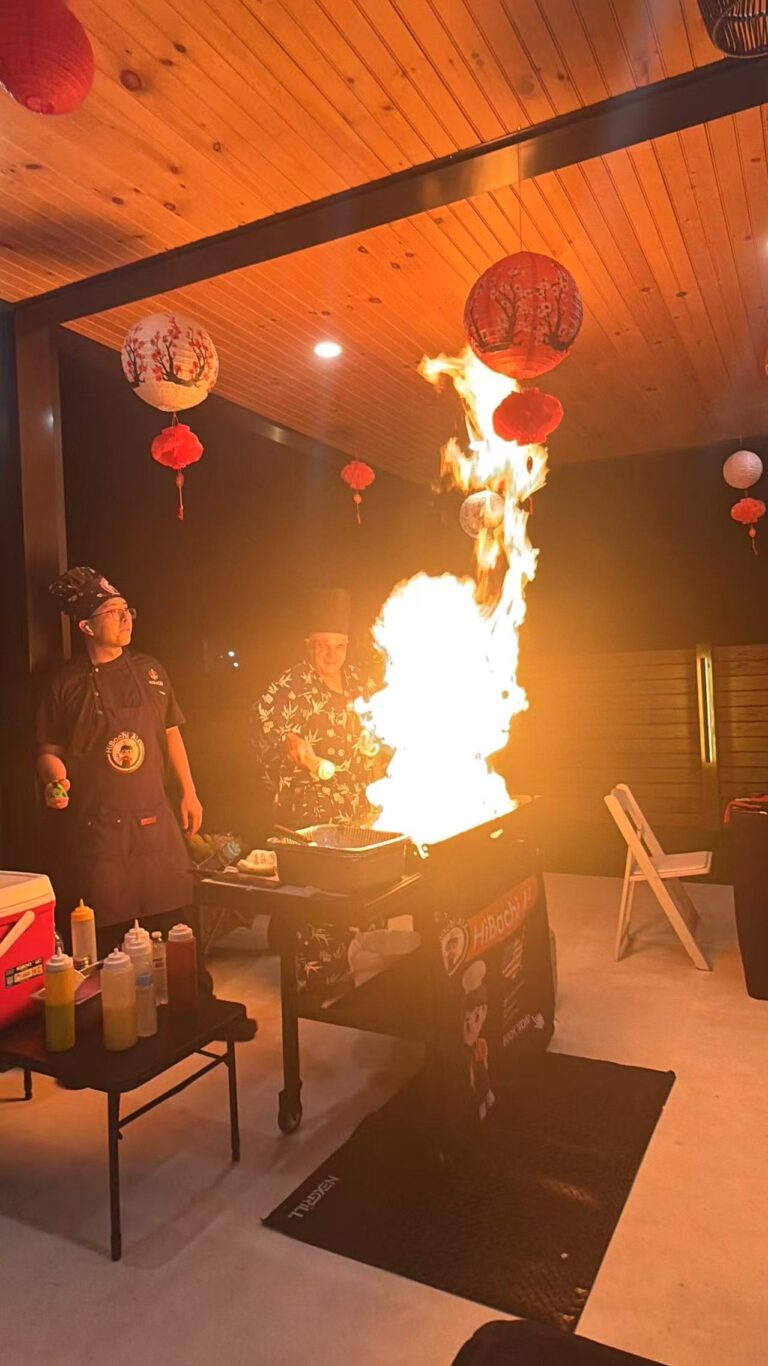
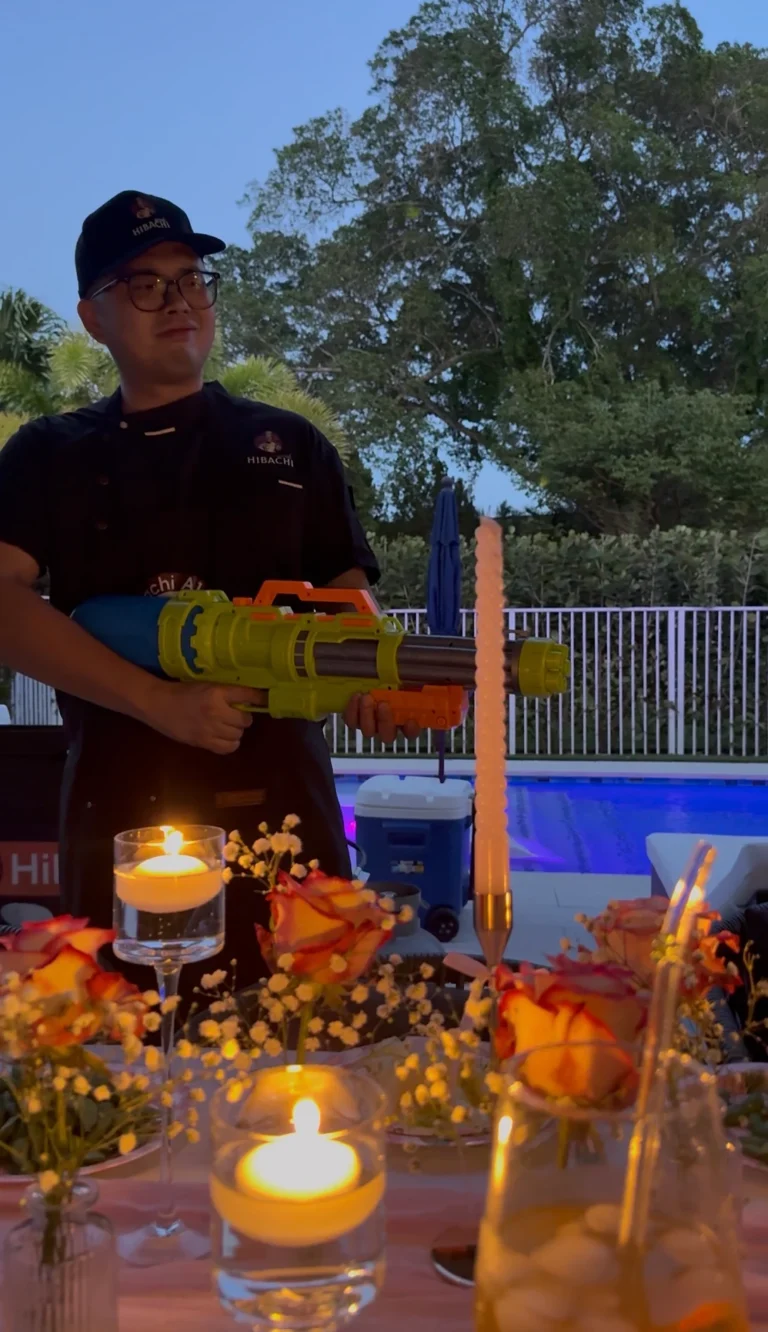
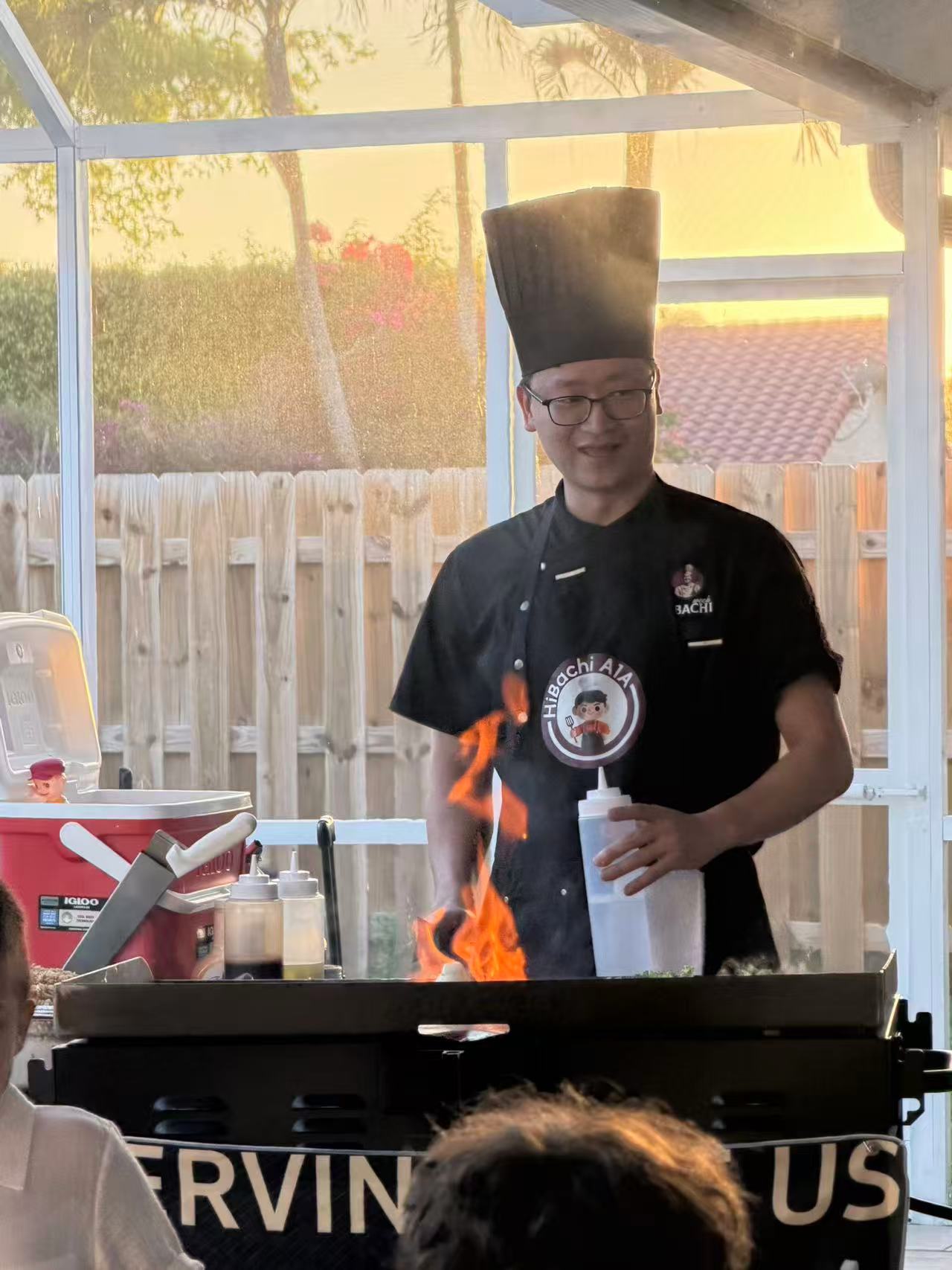
Hibachi at home catering involves a professional chef bringing a portable griddle, fresh ingredients, and cooking equipment directly to your location. Unlike traditional restaurant dining, you enjoy the theatrical cooking show—flame tricks, knife skills, and sizzling sounds—in the comfort of your home. In Miami, this service often blends Japanese teppanyaki techniques with local flavors, using seafood like stone crabs or fresh snapper. Providers like Hibachi A1A specialize in creating customized experiences, from intimate dinners to large parties. Before booking, it’s vital to recognize that this is not just a meal but a full entertainment package. The chef handles setup, cooking, and cleanup, transforming your space into a temporary dining theater. Understanding this core concept helps set realistic expectations about what the service entails.
Key Factors to Consider Before Booking
Several critical elements can make or break your hibachi at home experience. Here’s what you should evaluate.
Space Requirements for the Setup
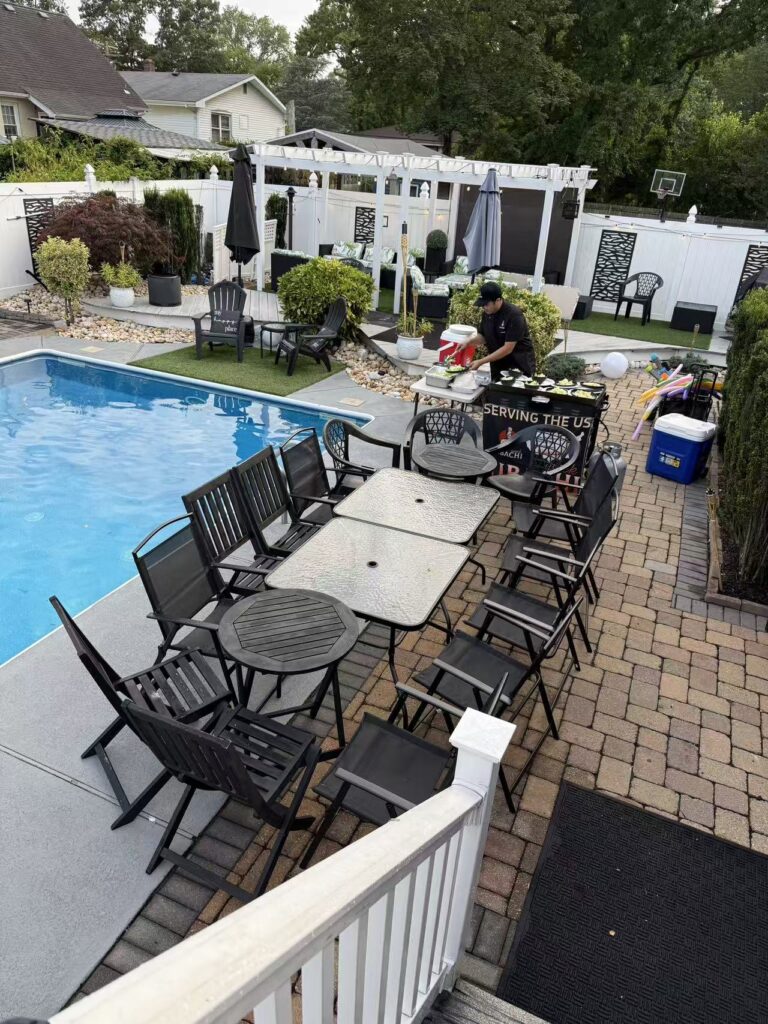
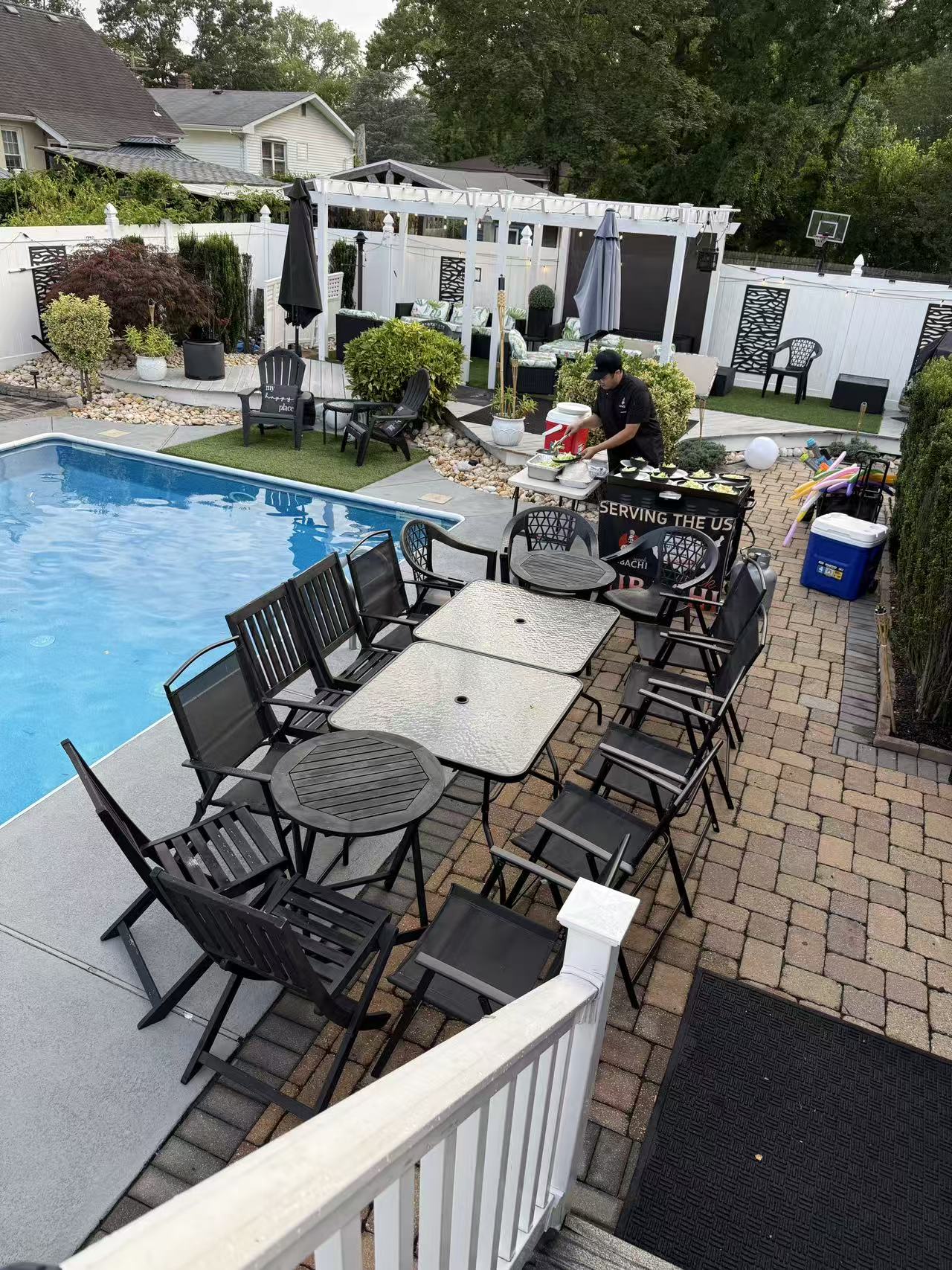
One common oversight is underestimating the space needed. A hibachi chef requires a dedicated area for the griddle, which is typically a large flat-top surface that generates heat and smoke. Even in Miami’s outdoor-friendly climate, ensure you have a covered patio or a well-ventilated indoor space. Providers like Hibachi A1A usually bring their own propane tanks and griddles, so ample clearance around the cooking zone is necessary to prevent accidents. Consider seating arrangements: guests should be arranged around the griddle for an interactive view, but allow enough room for the chef to move freely. Inadequate space may force the chef to limit the show or affect cooking quality. Therefore, measure your available area and discuss dimensions with the provider during booking.
Menu Customization and Dietary Needs
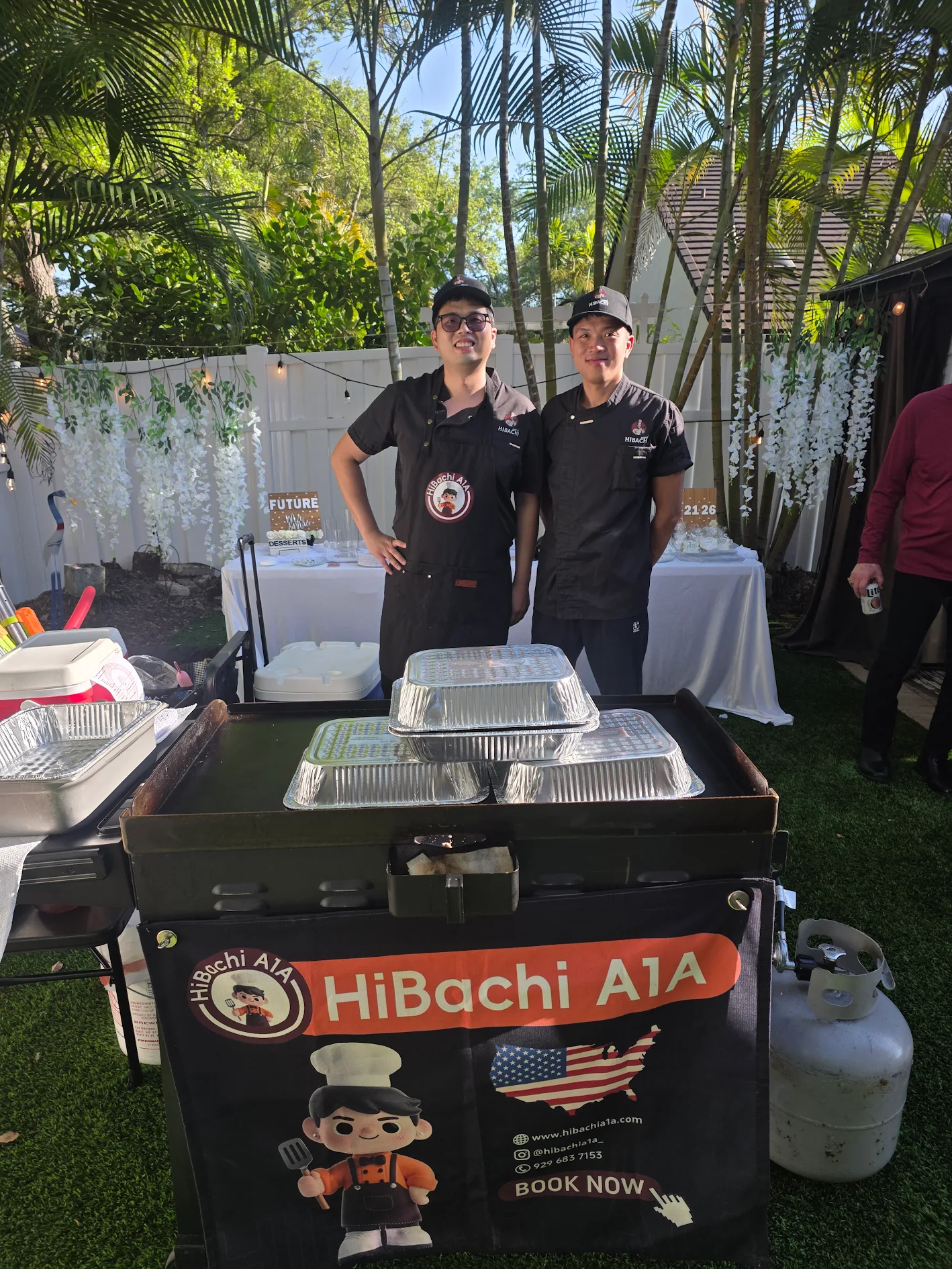
Hibachi catering is not one-size-fits-all. Most chefs offer standard proteins like steak, chicken, and shrimp, but Miami’s diverse palate demands more flexibility. When booking, ask about ingredient sourcing—are proteins locally sourced? Are vegetables organic? For dietary restrictions such as gluten intolerance or vegetarian preferences, confirm substitutions in advance. Hibachi A1A, for example, provides a pre-event consultation to tailor menus, including options for vegan diets or shellfish allergies. Additionally, check if the provider can accommodate kosher or halal requirements if needed. The menu should also address serving style: family-style sharing or individual plates. Clarify these details early to avoid last-minute changes that could disappoint guests.
Cost Structure and Hidden Fees
Pricing for Miami hibachi at home catering varies widely depending on group size, menu complexity, and travel distance. Typically, costs are per person, with a minimum guest count (e.g., 10 people). Beyond the base rate, inquire about additional fees for travel time, fuel surcharges, or late-night bookings (after 10 PM). Some providers charge extra for premium items like lobster or Wagyu beef. Engaging Hibachi A1A often simplifies pricing with transparent packages, but always request a written quote that itemizes service charges, tips, and any rental fees (e.g., tables or chairs). A common pitfall is assuming cleanup is included—confirm this. By understanding the cost breakdown, you can budget accurately and avoid surprises.
Licensing, Insurance, and Safety
Professional hibachi catering involves open flames, high heat, and food handling. Therefore, verifying that the provider holds proper licensing—such as a food service permit from Miami-Dade County—and liability insurance is non-negotiable. Insurance protects you if an accident occurs on your property, such as a guest burning their hand or equipment damage. Reputable companies like Hibachi A1A proudly display their credentials and carry comprehensive coverage. Additionally, check cooking certifications: chefs should have food safety training (e.g., ServSafe). Ask about safety measures: how does the chef manage flare-ups? Is a fire extinguisher always present? Confirming these aspects not only ensures compliance but also gives you peace of mind during the event.
Booking Process and Communication
Smooth logistics depend on clear pre-event communication.
Advance Reservation Timelines
In Miami’s competitive market, popular hibachi providers book quickly, especially during peak seasons (winter holidays, spring break). Aim to reserve at least four to six weeks in advance for weekend events. For smaller gatherings, two weeks may suffice, but last-minute requests often incur premiums. When contacting Hibachi A1A, provide specifics: date, guest count, preferred menu, and location accessibility. The booking process typically requires a deposit (30% to 50%) to secure the date, with the balance due on the event day. Read the cancellation policy carefully—some providers offer full refunds if canceled 14 days prior, while others impose fees.
Pre-Event Site Assessment
Many professional services, including Hibachi A1A, offer a free site visit to evaluate your setup. This step is invaluable for discussing propane tank placement (if using your own source), table layout, and electrical access for lighting. During this visit, confirm where the cooking station will be positioned, ensuring it’s away from flammable materials like shrubs or curtains. The chef can also assess wind conditions for outdoor setups, which might require wind guards. This proactive approach prevents day-of surprises, such as discovering your gas outlet is incompatible with the chef’s equipment.
What to Expect on the Day of Service
Knowing the timeline helps you organize your event efficiently.
Setup and Cooking Duration
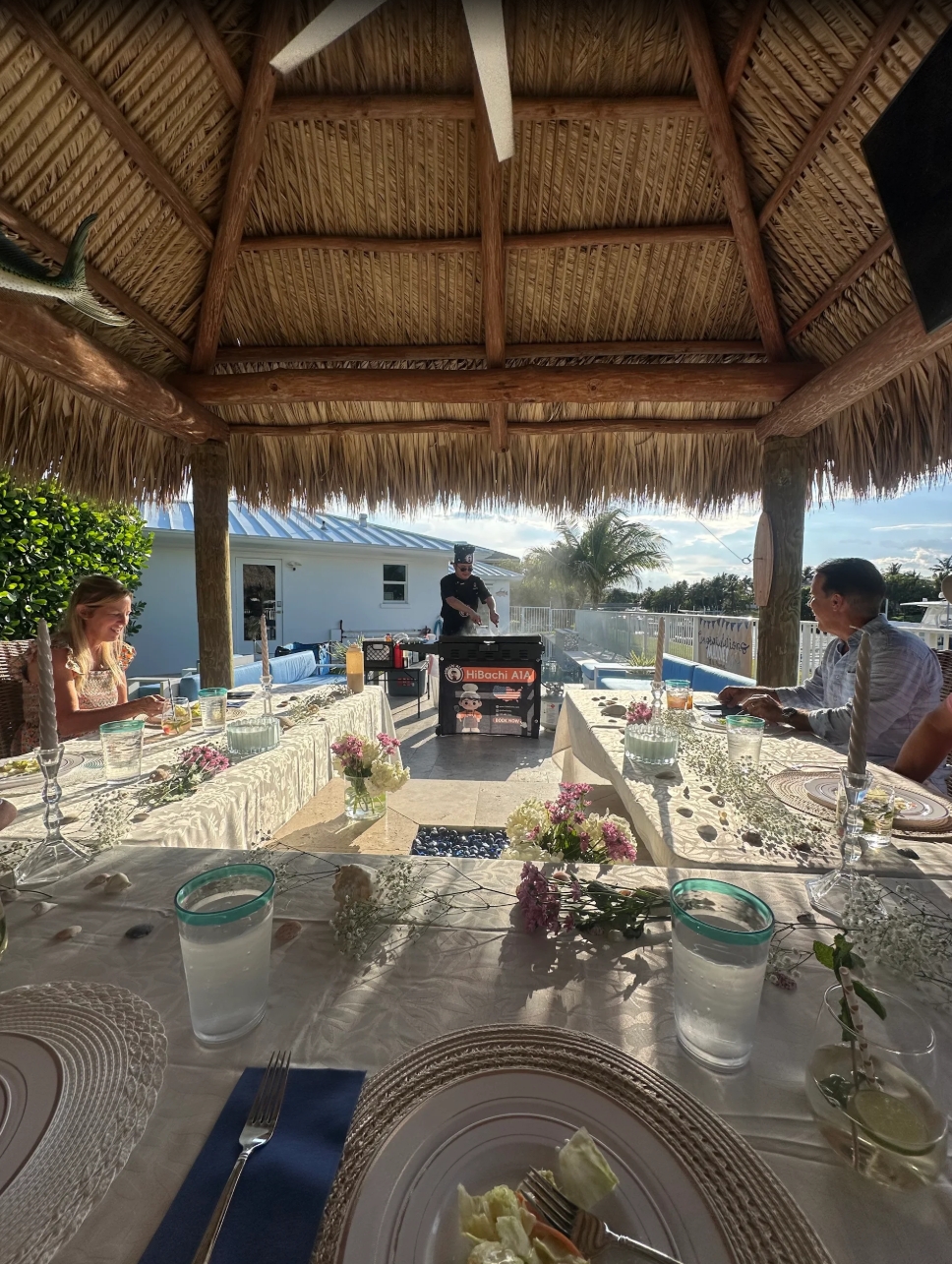
The chef usually arrives 45 to 60 minutes before the first scheduled seating to set up. This includes assembling the griddle, organizing ingredients, and preheating. Cooking for a group of 10 to 15 people typically takes about 1.5 to 2 hours, depending on menu complexity. During this time, the chef entertains guests with tricks (e.g., tossing eggs or creating onion volcanoes). Plan your event schedule so that appetizers or drinks are available before the cooking begins, as guests often watch the show before eating. After cooking, the chef cleans the equipment, but you may need to handle leftover food and personal dishware.
Interactions and Etiquette
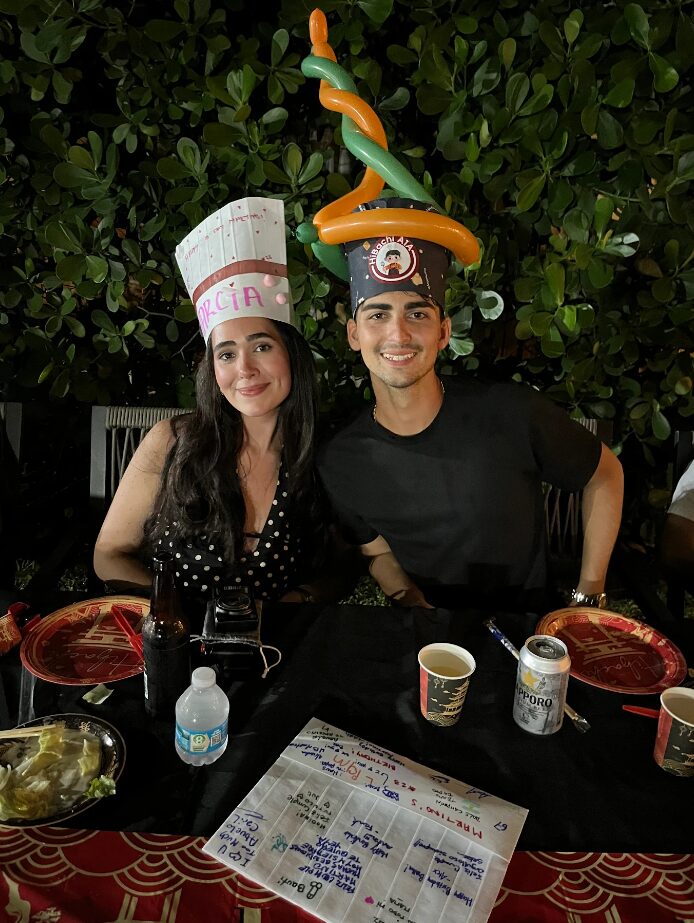
Hibachi is interactive—the chef often engages guests with jokes, challenges, or requests for participation (like catching food). Communicate any guests who prefer not to be involved. Also, note that hibachi grills generate smoke and heat, so inform guests to avoid wearing clothes that might stain easily. Providers like Hibachi A1A emphasize a family-friendly atmosphere, but if your event is adults-only, specify this in advance to tailor the chef’s humor. Lastly, tipping is customary for good service, typically 15% to 20% of the total bill, included in your cost planning.
Why Hibachi A1A Stands Out in Miami
When selecting a provider, reputation matters. Hibachi A1A has built a strong presence in South Florida by combining culinary excellence with reliable service. Their chefs come from both traditional Japanese training and local experience, allowing them to create fusion dishes that celebrate Miami’s culture. Unlike some independent contractors, Hibachi A1A ensures consistent quality through regular training and standardized equipment. They also prioritize eco-friendly practices, such as sourcing sustainable seafood and using biodegradable utensils. Another differentiator is their flexible booking system, which includes online scheduling and instant quote generation. By choosing a professional company like Hibachi A1A, you mitigate risks associated with amateur performers, from inconsistent cooking to unprofessional cleanup.
Common Mistakes to Avoid
Even with preparation, easily overlooked errors can disrupt the experience.
Overlooking the Guest Experience
Focusing solely on the food is a mistake. The hibachi show is a highlight, so ensure your seating allows every guest a clear view. If you have a large group, consider booking multiple chefs to keep the pace engaging. Also, don’t forget about entertainment for younger children—maybe a side activity—since cooking durations might exceed their attention spans.
Neglecting Infrastructure Needs
Outdoor events require weather contingency. Miami’s afternoon showers are common; have a backup plan like a tent or indoor alternative. Check your propane availability: some providers bring their own gas, but confirm this. Also, ensure your home has adequate electrical circuits if the chef needs to plug in lighting or sound systems. Overloading circuits can cause power outages. By addressing these logistics, you create a stress-free environment for both you and the chef.
Finalizing Your Booking Decision
After evaluating these factors, you should feel confident to book. Compare quotes from multiple providers, but don’t prioritize price over value—a cheaper service may lack insurance or use lower-quality ingredients. Read online reviews focusing on punctuality, cleanliness, and food quality. For Miami residents, Hibachi A1A offers a blend of reliability and personalization, often customizing surprises like birthday dessert specials or interactive cooking lessons for kids. Remember to confirm the final guest count at least 48 hours before the event to avoid overpaying.
Hibachi at home catering in Miami brings restaurant-quality entertainment to your doorstep, but success lies in preparation. From understanding space and menu needs to vetting credentials and communication, each step matters. Whether you’re hosting a casual dinner or a holiday party, working with a trusted provider like Hibachi A1A ensures a memorable experience. By following these insights, you’ll avoid common headaches and fully enjoy the sizzle, flavor, and showmanship of live hibachi cooking. Book with confidence, and get ready to impress your guests with an unforgettable culinary event.