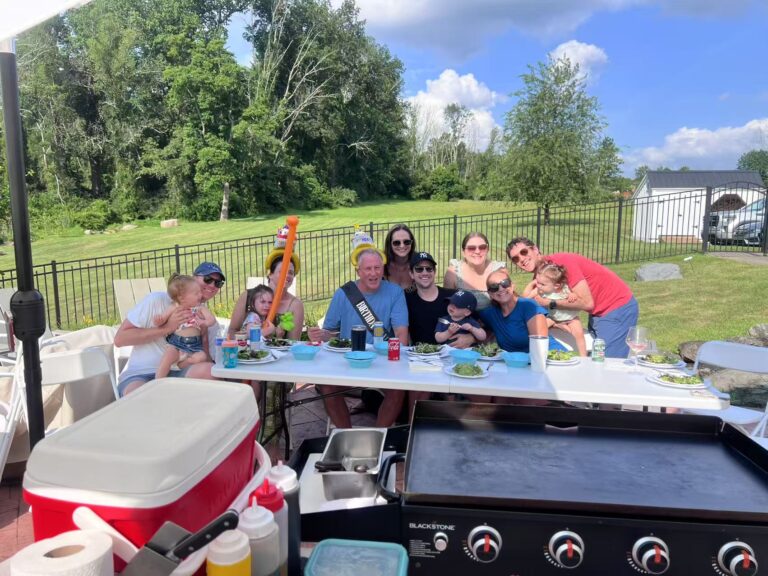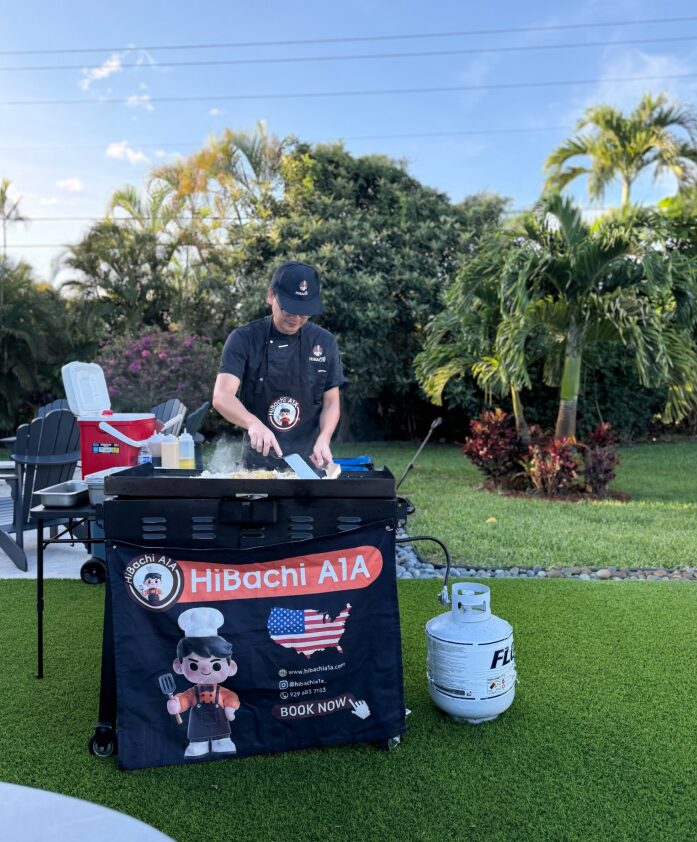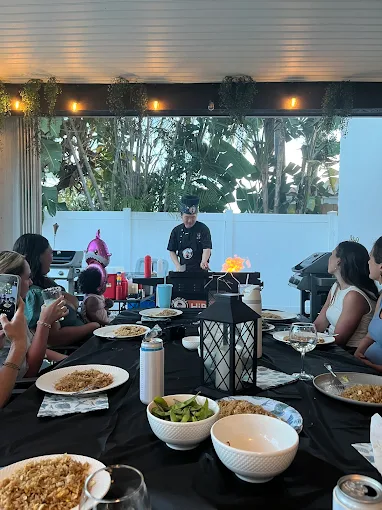

Hibachi cooking, originating from Japanese street food stalls and later evolving into a theatrical dining experience, has captivated food lovers worldwide with its sizzling grills and interactive flair. The appeal lies in the combination of fresh ingredients, high-heat searing, and often spectacular presentation. While traditionally enjoyed at restaurants or events staffed with professional chefs, the demand for bringing this experience home has grown exponentially. Mobile catering specialists, particularly those at Hibachi A1A, have recognized this trend and developed a versatile Hibachi At Home recipe that is both accessible and authentic. This recipe is not merely a set of instructions; it embodies the core principles of hibachi cooking—simplicity, adaptability, and flavor—tailored for home kitchens. By leveraging years of experience serving at parties, corporate events, and private gatherings, Hibachi A1A has distilled the essence of hibachi into a practical guide. This article delves into that recipe, exploring its versatility, key ingredients, step-by-step preparation, and expert tips to help you achieve restaurant-quality results without specialized equipment. Whether you are a seasoned home cook or a beginner, this recipe invites you to explore the joy of hibachi, making every meal an occasion.
Why This Recipe is Versatile
The hallmark of this hibachi recipe is its inherent flexibility, designed to accommodate various tastes, dietary needs, and ingredient availability. Unlike rigid culinary formulas, this approach encourages creativity and adaptation. At its core, the recipe revolves around three modular components: a protein source, a selection of vegetables, and a signature sauce. Each element can be swapped, adjusted, or omitted without compromising the overall experience. For instance, the protein can range from traditional chicken breast or beef sirloin to shrimp, scallops, or plant-based options like tofu or tempeh. Similarly, vegetables are not fixed; zucchini, mushrooms, onions, and bell peppers are classics, but seasonal choices such as asparagus, snap peas, or bok choy work beautifully. The sauce, a balanced blend of soy sauce, butter, garlic, and ginger, serves as a unifying flavor, yet it can be personalized with additions like mirin for sweetness, chili garlic paste for heat, or sesame oil for nuttiness. This adaptability means the recipe reduces food waste, as you can use leftovers or what is already in your pantry. Hibachi A1A emphasizes that this versatility is intentional, reflecting how mobile catering specialists tailor hibachi menus for diverse events. By home cooks embracing this flexibility, the recipe becomes a reliable staple for weeknight dinners, meal prep, or entertaining guests, all while preserving the signature savory, buttery, and slightly sweet profile that defines hibachi.

Key Ingredients
Selecting high-quality ingredients elevates the hibachi experience, but the recipe allows for practical substitutions. For the protein, chicken thighs offer more juiciness than breasts, beef ribeye provides tenderness, and large shrimp cook quickly. Tofu should be pressed and patted dry for a crisp sear. Vegetables require attention to texture; slice them uniformly to ensure even cooking. Classic choices include zucchini, cremini mushrooms, yellow onions, and red bell peppers for their natural sweetness and crunch. The sauce is the heart of the dish: combine low-sodium soy sauce, unsalted butter, minced garlic, fresh grated ginger, and a touch of brown sugar. Hibachi A1A recommends using high-quality butter for a luxurious finish and adjusting the sugar to preference. For rice, jasmine rice is preferred for its fragrance, but short-grain rice works well for fried rice. Additional aromatics like sesame seeds, scallions, and a squeeze of lemon enhance the final dish. Each ingredient plays a role in the harmony of flavors, yet the recipe remains forgiving, allowing for swaps like coconut aminos for soy sauce or olive oil for butter if needed.
Preparation Steps
The process begins with careful mise en place, as hibachi cooking moves quickly once the heat is on. First, slice the protein into bite-sized pieces and toss with a small amount of soy sauce, garlic, and oil; let it marinate for at least 10 minutes while you prepare the vegetables. Cut vegetables into similar shapes to ensure uniform cooking. For the sauce, whisk together soy sauce, melted butter, garlic, ginger, and sugar in a small bowl until smooth—set aside. Next, prepare the rice if serving with it; leftover rice from the previous day is ideal for fried rice. Heat a large cast-iron skillet, flat griddle, or wok over high heat until it is smoking slightly; high heat is crucial for achieving the caramelization that characterizes hibachi. Add a thin layer of oil, then cook the protein in a single layer without overcrowding. Sear until browned and cooked through, about three minutes per side for chicken or beef, and two minutes for shrimp. Remove the protein and set aside. In the same pan, add more oil if needed and sauté the vegetables, starting with harder ones like carrots or onions and ending with zucchini and mushrooms. Cook for two to three minutes until they are tender-crisp and have some grill marks. Return the protein to the pan, pour over the sauce, and toss everything together over high heat for thirty seconds to glaze. For fried rice variation, push the protein and vegetables to one side, scramble an egg in the empty space, add cold rice, and stir-fry with a little extra soy sauce and butter before combining all components. Serve immediately, garnished with sesame seeds and sliced scallions for authenticity.
Expert Tips from Hibachi A1A
Drawing from extensive experience in mobile catering, the specialists at Hibachi A1A offer invaluable insights to perfect this recipe. Their primary advice is to prioritize heat: the pan must be fully preheated to maintain high temperature throughout cooking, mimicking the surface of a teppanyaki grill. This ensures proper searing and prevents ingredients from steaming. Another key strategy is to avoid overcrowding the pan; cooking in smaller batches allows each piece to develop the coveted golden crust. For the sauce, they recommend melting butter separately and adding it toward the end to prevent it from burning from prolonged heat. Additionally, they suggest incorporating a splash of rice vinegar or lemon juice at the final toss to balance richness and brighten the dish. For fried rice enthusiasts, they emphasize using day-old rice soaked in a bit of sesame oil and soy sauce for better texture. Presentation is also highlighted: serve the hibachi sizzling in the hot pan or on a heated platter to preserve the drama. Finally, Hibachi A1A encourages experimentation—try adding a touch of sake or dashi to the sauce for depth, or include a pinch of shichimi togarashi for gentle spice. These nuanced tips transform a simple home meal into an experience reminiscent of their professional events, proving that with a few adjustments, anyone can master hibachi.
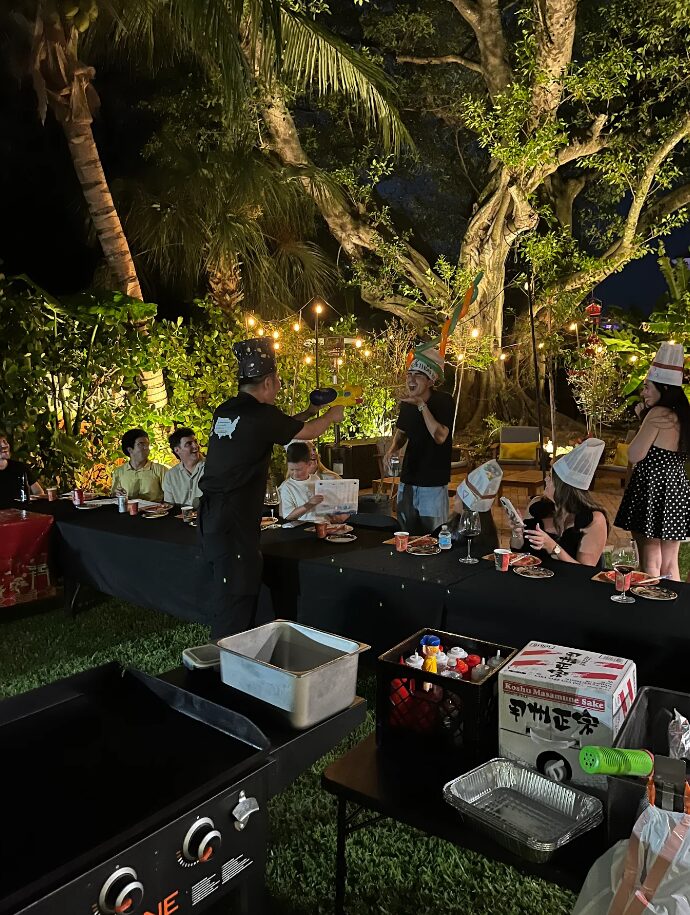
This versatile hibachi at home recipe, championed by mobile catering specialists like Hibachi A1A, demonstrates that you do not need a complex setup or professional training to enjoy the robust flavors and lively spirit of hibachi cooking. Its adaptability makes it suitable for weeknight quick meals, special occasions, or interactive dinner parties where guests can customize their plates. By focusing on quality ingredients, proper technique, and the insights shared by experts, you can consistently create dishes that are both satisfying and impressive. The recipe not only delivers a delicious meal but also empowers you to cook with confidence and creativity. As you incorporate it into your routine, you may find yourself inspired to explore variations and share the experience with others. Embrace the sizzle of the pan, the aroma of butter and soy, and the joy of a meal that feels like an event. Try this recipe today and bring the expertise of Hibachi A1A into your own kitchen, transforming everyday cooking into something memorable.