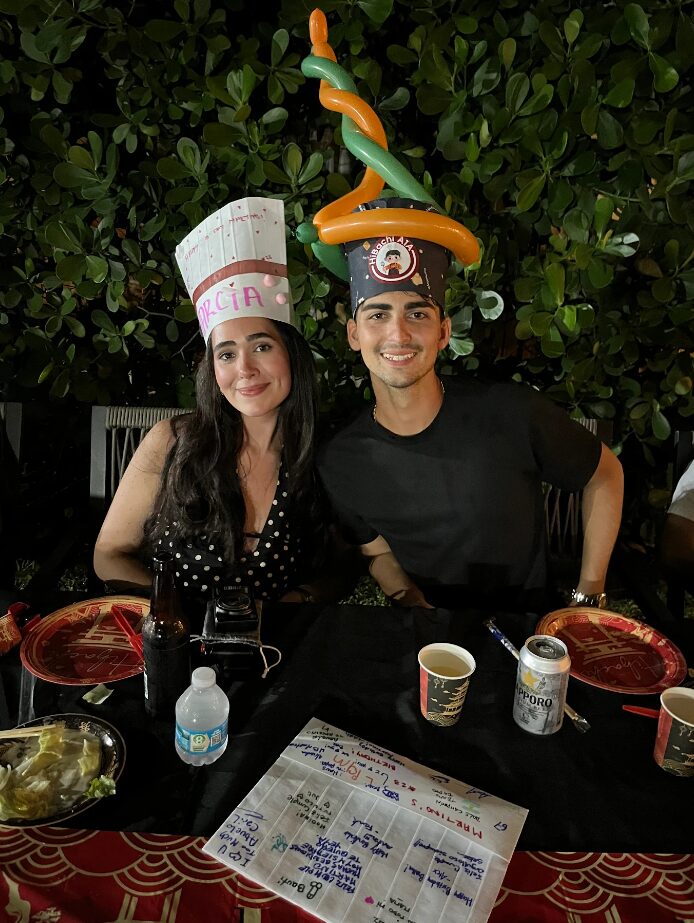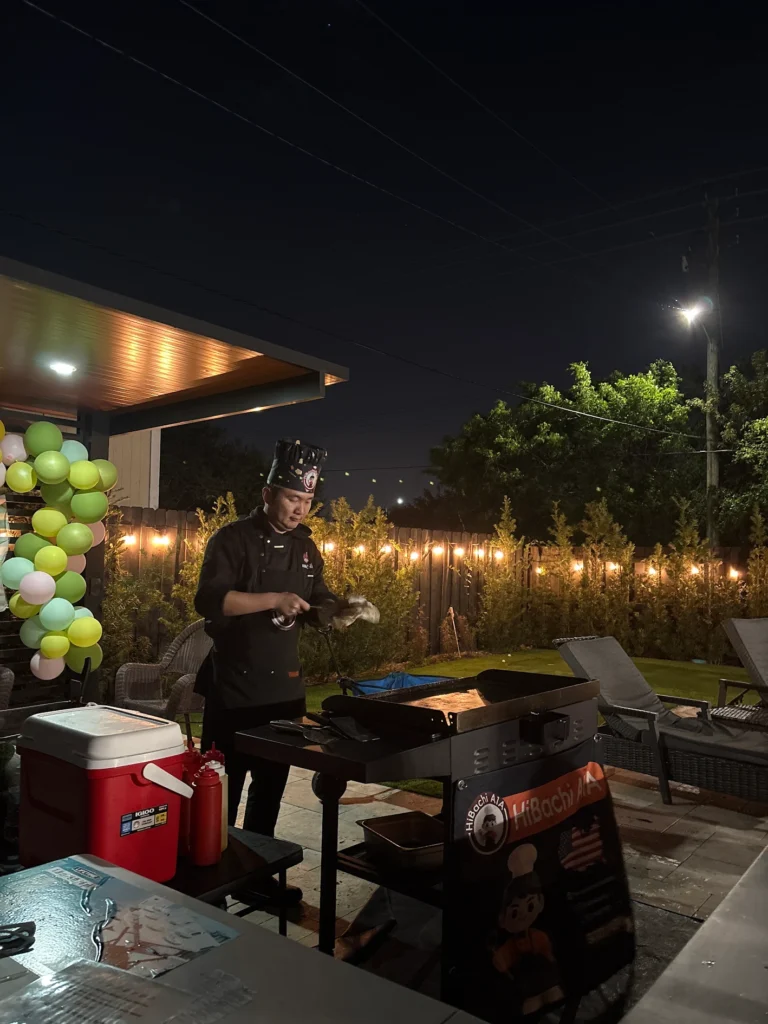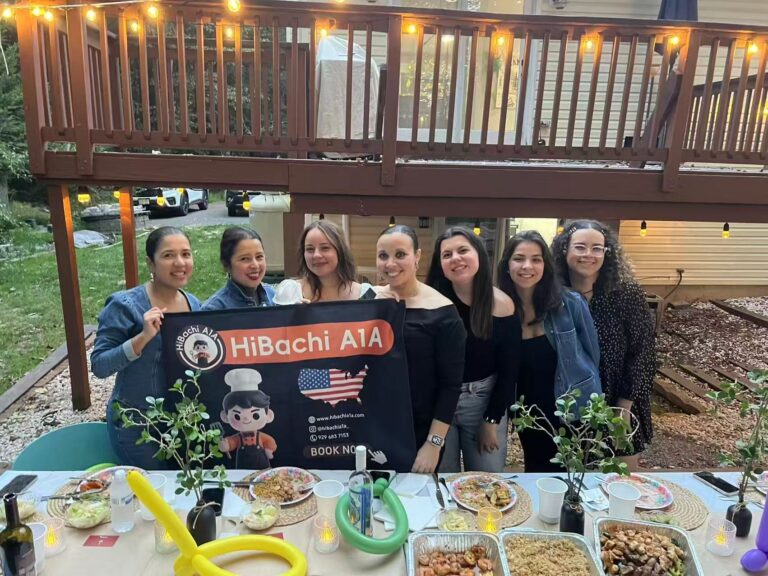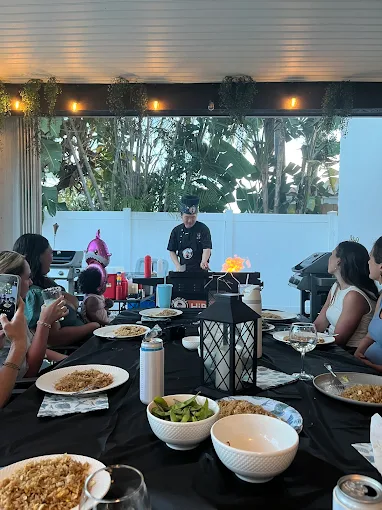
Hibachi dining is more than just a meal; it’s an experience. The sizzling sounds, the aromatic flavors, and the interactive cooking process make it a favorite for many. However, frequent visits to hibachi restaurants can quickly add up in costs, especially for families or groups. That’s where the expertise of Hibachi A1A comes in handy. As professional catering specialists, they have honed their skills in delivering exceptional hibachi experiences. Now, they share their insights to help you create budget-friendly hibachi dishes at home without compromising on taste or authenticity. This article will guide you through everything you need—from essential ingredients and tools to expert techniques and step-by-step recipes. Whether you’re planning a family dinner or a casual gathering, these tips will transform your kitchen into a hibachi haven.
Why Choose Budget Friendly Hibachi at Home?
Choosing to make hibachi at home is not only cost-effective but also offers numerous benefits. You have complete control over the quality and source of your ingredients, allowing you to cater to dietary preferences and restrictions. For instance, you can use organic vegetables or adjust sodium levels to suit your health needs. Additionally, cooking hibachi can be a fun and engaging activity for family and friends, turning meal preparation into a shared experience. The interactive nature of hibachi cooking—where you fry rice, flip proteins, and toss vegetables—makes it a form of entertainment. The experts at Hibachi A1A note that by preparing hibachi at home, you can save up to 60% compared to dining out, making it an excellent option for budget-conscious families who still want to enjoy premium dining experiences.
Cost-Effective Ingredients
When it comes to ingredients, focus on versatility and affordability. White rice is a staple and can be bought in bulk to save money. For proteins, choose chicken thighs, beef sirloin, or shrimp—these are often more affordable than premium cuts like filet mignon or lobster. Vegetables like onions, zucchini, and carrots are inexpensive and add vibrant colors and textures. Frozen vegetables are a great alternative and reduce prep time; they are often harvested at peak freshness and retain nutrients. To enhance flavor, invest in basic condiments such as soy sauce, mirin, and sesame oil, which have a long shelf life and can be used in various dishes beyond hibachi.
Essential Tools
While a hibachi grill provides an authentic experience, it’s not necessary for home cooking. A large cast-iron skillet or a flat-top griddle works perfectly, as they retain heat well and provide a similar searing surface. Key tools include a pair of sturdy spatulas for flipping and tossing ingredients, a squirt bottle for oil and sauce to control portions, and a sharp chef’s knife for precise cutting. The experts recommend preheating your cooking surface thoroughly to achieve that signature sear and avoid sticking. Additionally, having small bowls for pre-measured ingredients helps streamline the cooking process.

Pro Tips from Hibachi A1A Experts
Professional catering experts have mastered the art of hibachi cooking through years of practice. Here are some of their top tips to elevate your home hibachi game.
Mastering the Heat
High heat is crucial for hibachi to create a caramelized crust and lock in flavors. Ensure your cooking surface is hot before adding oil. This prevents sticking and ensures even cooking. Use a high-smoke-point oil like vegetable or canola oil, as olive oil or butter may burn at high temperatures.
Ingredient Preparation
Prepare all ingredients before you start cooking. This is known as mise en place, which is essential for hibachi’s fast-paced cooking style. Chop vegetables into uniform sizes for even cooking, and slice proteins against the grain for tenderness. Have sauces ready in squeeze bottles for easy application.
Seasoning Secrets
For authentic hibachi flavor, use a simple seasoning blend. Combine soy sauce, mirin, sugar, and garlic powder in a bowl. Adjust sweetness and saltiness to taste by adding more sugar or soy sauce. A dash of sesame oil adds a nutty aroma that characterizes hibachi dishes. Remember to season each component individually—proteins, vegetables, and rice—for balanced flavors.
Step-by-Step Recipe: Hibachi Fried Rice and Grilled Protein
Now, let’s put these tips into practice with a classic hibachi meal: fried rice and grilled protein. This recipe serves 4 and costs approximately $10-15.
Ingredients
– 2 cups cooked white rice (preferably day-old or cooled to avoid clumping)
– 1 cup chicken breast or thighs, diced
– 1/2 cup shrimp, peeled and deveined
– 1 cup mixed vegetables (onion, zucchini, carrots)
– 2 eggs
– 3 tbsp soy sauce
– 1 tbsp mirin
– 1 tsp sesame oil
– 2 tbsp vegetable oil
– Salt and pepper to taste
– Optional: sesame seeds, green onions for garnish
Instructions
1. Prepare Ingredients: Chop vegetables into small cubes. Season chicken and shrimp with a pinch of salt and pepper. Set aside.
2. Preheat Pan: Set your skillet or griddle over high heat. Add vegetable oil and let it shimmer until you see wisps of smoke.
3. Cook Proteins: Place chicken on the hot surface in a single layer. Cook for 3-4 minutes per side until golden brown and cooked through. Remove and set aside. Repeat with shrimp, cooking for 2-3 minutes per side until pink.
4. Sauté Vegetables: Add onions first, then zucchini and carrots. Stir-fry for 2-3 minutes until tender-crisp. Use a spatula to keep them moving.
5. Scramble Eggs: Push vegetables to one side of the pan. Crack eggs onto the empty space and scramble until just set.
6. Add Rice: Incorporate day-old rice into the pan. Break up clumps with a spatula and mix with vegetables and eggs. Cook for 2 minutes to warm through.
7. Season: Pour soy sauce, mirin, and sesame oil over the rice mixture. Toss to combine evenly.
8. Combine: Return cooked chicken and shrimp to the pan. Stir everything together, ensuring proteins are evenly distributed. Cook for another 2 minutes to meld flavors.
9. Serve: Transfer to a platter and garnish with sesame seeds and sliced green onions. Serve immediately.
The Perfect Hibachi Sauce
A signature hibachi sauce elevates the meal. Here’s a simple recipe that can be prepared in advance:
– 1/4 cup soy sauce
– 2 tbsp mirin
– 1 tbsp brown sugar
– 1 tsp garlic powder
– 1 tsp ginger powder
– 1 tbsp water
Whisk all ingredients in a bowl until sugar dissolves. Use as a dipping sauce for proteins or drizzle over the rice. Store any leftovers in an airtight container in the refrigerator for up to a week.
Serving and Presentation
Presentation is key to replicating the hibachi experience at home. Serve the fried rice and proteins on a large platter or individual plates. Add grilled pineapple slices for a sweet and tangy contrast, which is a common hibachi touch. Set up small bowls of the prepared hibachi sauce and other condiments like ginger soy dressing. For an interactive experience, consider cooking the meal at the table if you have a portable burner, or arrange the food family-style to allow guests to customize their plates. The experts at Hibachi A1A recommend incorporating a variety of colors and textures to make the dish visually appealing. Use green, orange, and yellow vegetables, and garnish with fresh herbs like cilantro or parsley. The aroma and presentation will impress your guests.
Creating a budget-friendly hibachi meal at home is not only achievable but also highly rewarding. With the guidance of professional catering experts from Hibachi A1A, you can impress your guests with authentic flavors and stunning presentation without overspending. Remember to prep ahead, use high heat, and experiment with flavors to suit your palate. Hibachi cooking is about joy and sharing, so enjoy the process and the delicious results. Start your homemade hibachi adventure today and discover the pleasure of gourmet dining on a budget.