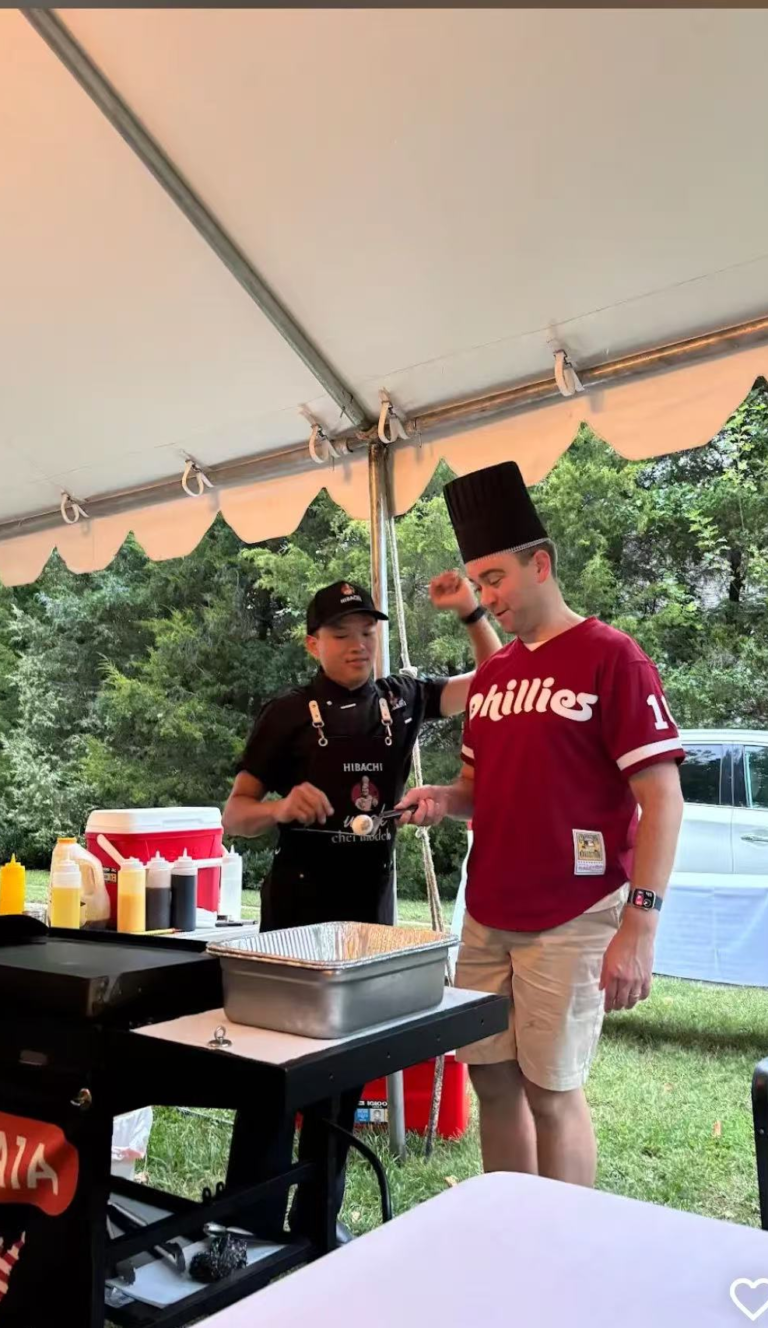

In recent years, the concept of dining out has undergone a quiet revolution. The once-simple act of celebrating a birthday, an anniversary, or even a casual Friday night has shifted from crowded restaurant reservations to the comfort and privacy of one’s own backyard. Among the most beloved cuisines to bring home is hibachi — the theatrical, flame-kissed Japanese teppanyaki style that combines masterful knife work, sizzling griddles, and the iconic onion volcano. Yet replicating that experience at home is not as simple as firing up a backyard grill. It requires precision heat, specialized flat-top surfaces, fresh seafood, and a performer who can juggle spatulas while making shrimp fly into your mouth. This is precisely where mobile catering services, such as [ Hibachi A1A], step in to bridge the gap between restaurant-quality entertainment and the intimacy of home.
What Is Mobile Hibachi Catering?
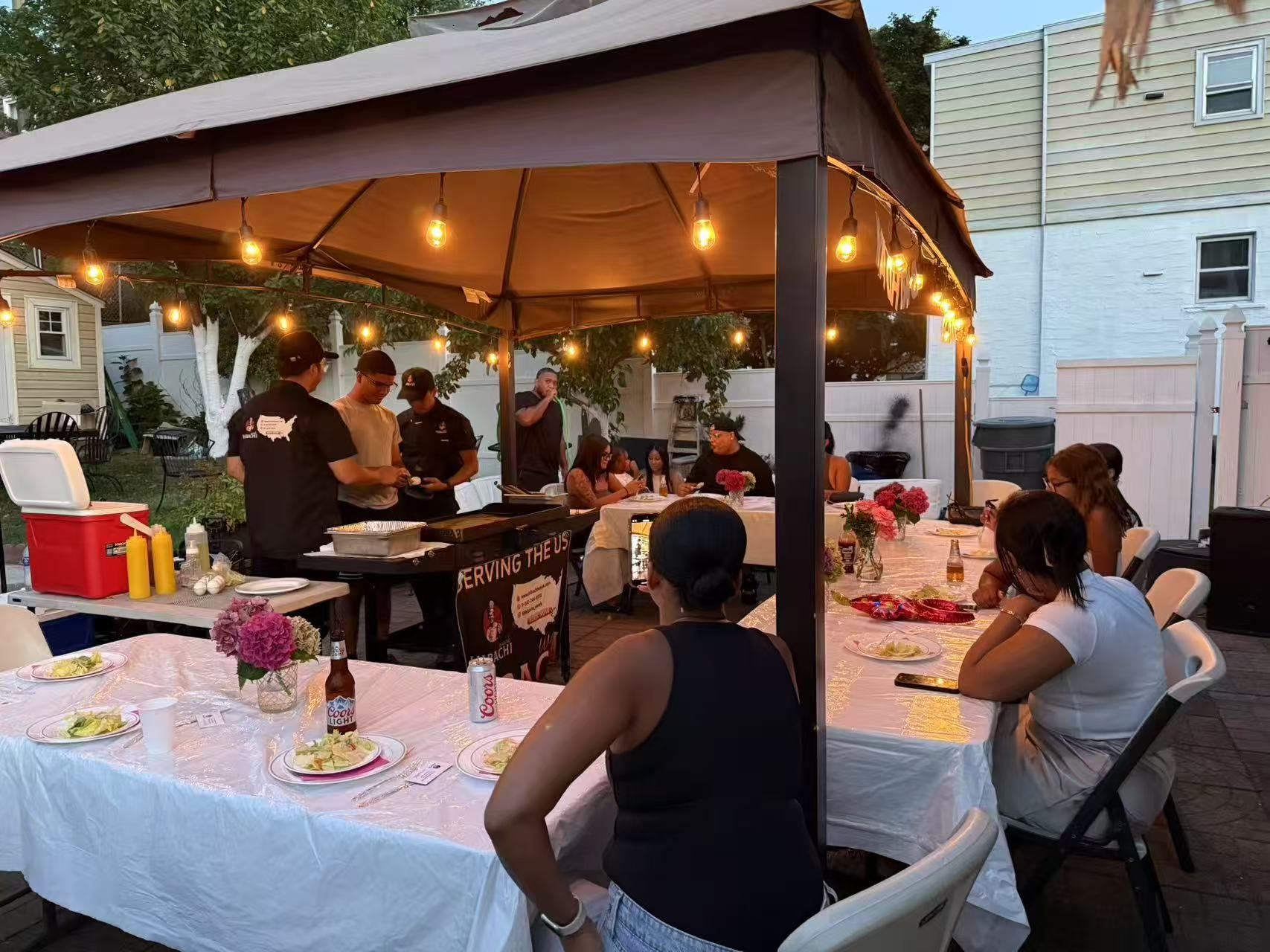
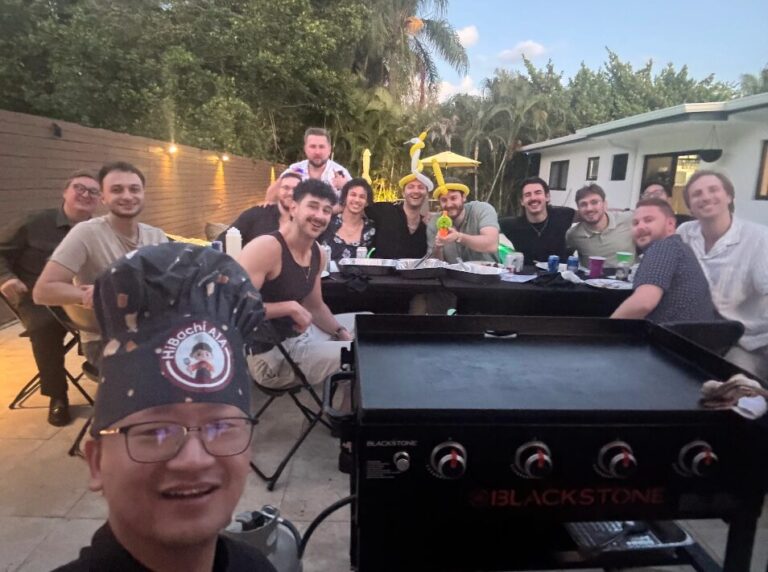
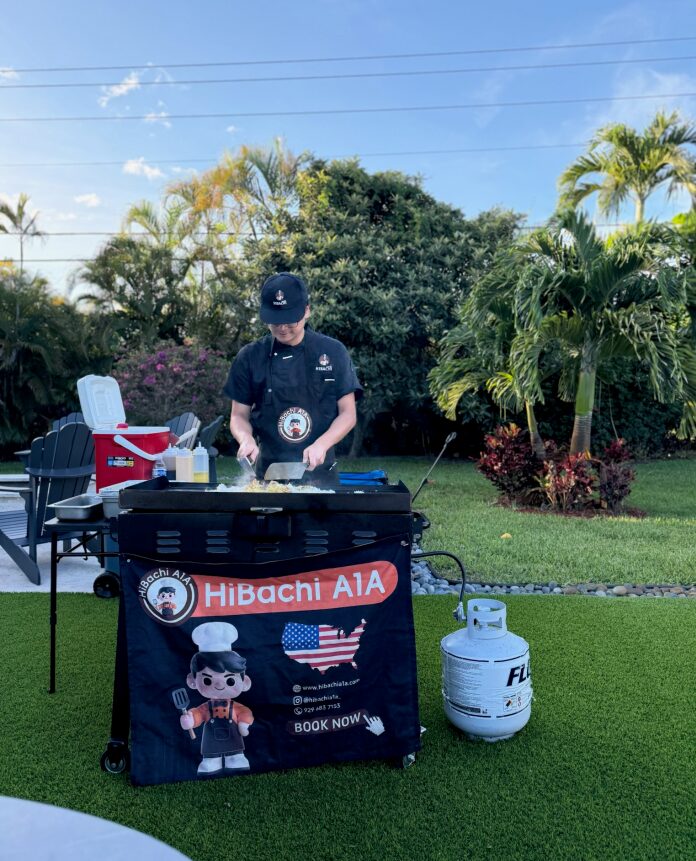
Mobile catering for an at-home hibachi dinner party is exactly what it sounds like: a professional chef, a portable gas-powered teppanyaki grill, and a fully stocked ingredient cooler arrive at your doorstep — whether you live in a suburban house, a high-rise condo, or a beachfront villa — and transform your patio, driveway, or even garage into a private teppanyaki stage. Unlike traditional catering, which often involves pre-cooked trays and chafing dishes, mobile hibachi is a live cooking experience. The chef brings his or her own flat-top grill, typically mounted on a sturdy cart with wheels, along with propane tanks, cooking oils, sauces, and all the proteins and vegetables you’ve selected from a custom menu. The entire setup takes about 30 minutes, and the show — complete with flame bursts, egg tricks, and the rhythmic clatter of spatulas — lasts as long as your dinner service requires.
The Advantages Over Restaurant Dining
The benefits of hiring a mobile hibachi caterer are numerous. First, there is the obvious privacy factor. You are not sharing a communal table with strangers, nor are you bound by a restaurant’s 90-minute seating policy. Your party can linger for hours. Second, cost efficiency often surprises people. When you factor in tip, drinks, parking, and the premium charged for a “show table” at a restaurant, having a chef come to you often equals or even undercuts the total bill — especially for groups of six to twenty. Third, customization is unlimited. Want extra garlic butter on the fried rice? Need a gluten-free soy sauce alternative? Have a shellfish allergy in the group? At home, the chef adjusts every portion to your exact specifications, something a busy restaurant kitchen rarely accommodates.
How a Mobile Hibachi Service Works: A Step-by-Step Walkthrough
To understand the value of a service like [Hibachi A1A], it helps to see the process from booking to the final bite. Here is what a typical engagement looks like.
Booking and Menu Selection
You begin by contacting the caterer, usually through a website or phone line, to confirm your date, guest count, and location. The chef or coordinator will send you a digital menu with tiered options. For example, you might choose a “Standard” package featuring chicken, steak, and shrimp, or a “Premium” package with filet mignon, scallops, and lobster tail. Vegetarian and vegan options are almost always available upon request. You can also add sides like fried rice, hibachi noodles, sautéed zucchini, mushrooms, and onions. Importantly, the price is per person, and most mobile hibachi services require a minimum number of guests — typically six to eight — to make the trip worthwhile.
Arrival and Setup
On the day of the event, the chef arrives approximately 45 minutes to one hour early. He or she will scout the location to ensure a flat, safe surface for the grill — a concrete patio or a wooden deck works best, though a garage floor with good ventilation is acceptable. The chef unloads a stainless steel cart, connects the propane line, and performs a quick safety check. The grill surface is scraped clean and heated to around 400°F. Meanwhile, an assistant, if included, sets up a prep table with cutting boards, sauce squeeze bottles, and a cooler of ice for beverages and raw proteins. Guests are usually asked to gather around the grill — standing or seated on high stools — but always at a safe distance of at least two feet from the cooking surface.
The Performance and Service
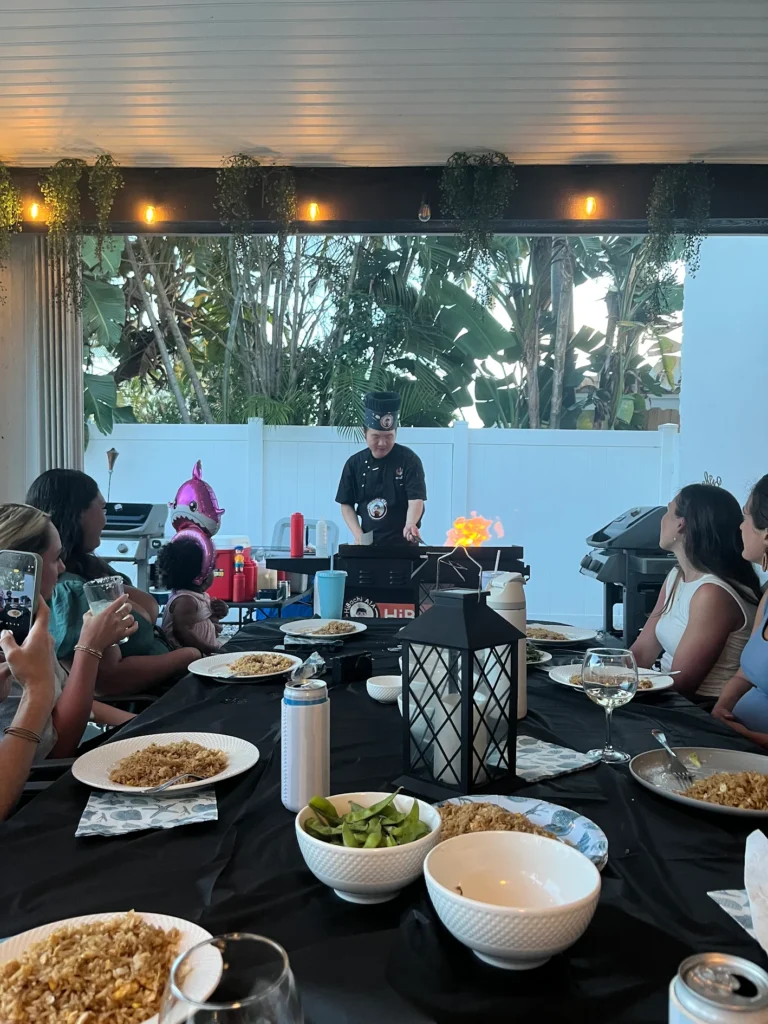
Once the guests are assembled, the show begins. The chef introduces himself or herself, reviews the menu, and starts with the vegetable course — zucchini, onions, mushrooms, and bean sprouts — cooking them in a drizzle of sesame oil and soy sauce. Then comes the fried rice, a signature moment where an egg is cracked directly onto the grill and chopped with lightning speed. The chef will often flip pieces of rice into the air and catch them in a metal bowl, much to the delight of children and adults alike. After the rice, the protein course begins. Steaks are seared with butter and teriyaki glaze, shrimp are deveined and skewered on the grill, and lobster tails are split and basted with lemon garlic butter. The grand finale is the onion volcano — a tall stack of raw onion rings set ablaze with a small tower of fire — followed by the chef tossing a piece of shrimp directly into the mouth of any willing guest.

Why Choose [Hibachi A1A] Specifically?
Among the growing number of mobile hibachi operators, [Hibachi A1A] stands out for several reasons that are worth highlighting in your decision-making process.
Professional Training and Safety Certifications
Not every “hibachi chef” who rents a grill is truly trained. [Hibachi A1A] employs chefs who have either apprenticed in authentic Japanese teppanyaki restaurants or undergone a rigorous internal training program that covers knife skills, flame control, and food safety. Every chef carries a current food handler’s permit and liability insurance. The mobile unit itself is inspected regularly for propane leaks and electrical safety. This matters because a backyard cooking fire can quickly become dangerous if handled by an amateur.
Fresh, Locally Sourced Ingredients
A common criticism of some mobile caterers is that they use frozen, pre-packaged meats. [Hibachi A1A] prides itself on sourcing proteins from local butcher shops and fish markets on the morning of your event. The vegetables are purchased from regional farms when in season. This commitment to freshness is evident in the taste — the steak has a proper crust, the shrimp are sweet and snappy, and the rice has that smoky “wok hei” flavor that only comes from high heat and fresh ingredients.
Flexible Logistics and All-Weather Preparedness
Since [Hibachi A1A] operates along coastal regions where weather can be unpredictable, they come equipped with pop-up canopies and wind guards for the grill. If a sudden rain shower hits, the show can continue under a tent, and the chef will adjust cooking temperatures accordingly. Additionally, they offer a “station-only” option where you can rent the chef and grill without any food — perfect for guests who prefer to supply their own USDA Prime cuts or fresh catch from a day of fishing.
Planning Your Perfect At-Home Hibachi Party
To maximize the experience, a bit of planning goes a long way. Here are practical tips for hosting a successful mobile hibachi dinner.
Space and Seating Arrangements
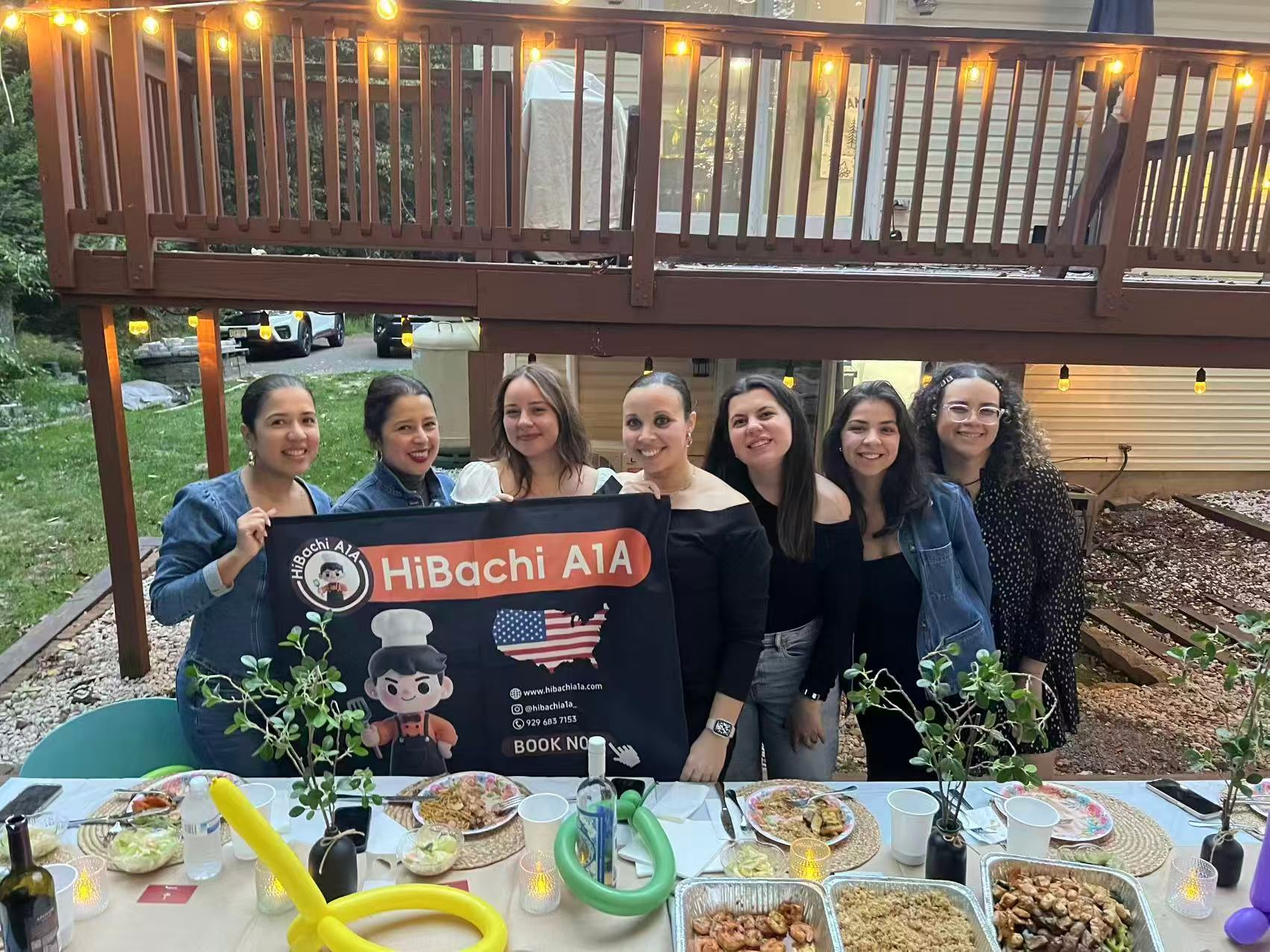
Ensure you have at least a 10-foot by 10-foot flat area for the grill and the chef’s movement. For seating, bar-height stools or standard dining chairs placed in a semi-circle around the grill work best. Remember that the chef will be performing — so give them a clear line of sight and avoid placing candles or floral centerpieces near the cooking surface.
Menu Pairing and Beverage Service
While the chef handles the food, you should curate the drinks. Hibachi pairs beautifully with light Japanese lagers like Sapporo or Asahi, crisp sake, or even a cucumber-forward gin and tonic. For non-alcoholic options, consider yuzu lemonade or iced green tea. Serve these from a separate drink cart to avoid crowding the grill area.
Dietary Allergies and Preferences
Communicate all allergies at least 48 hours in advance. [Hibachi A1A] uses separate cooking zones on the grill for shellfish and other proteins, but if an allergy is severe (e.g., anaphylactic to shrimp), they will use a completely separate portable burner and pan to avoid cross-contamination. This level of attention is not standard across the industry.
Cost Breakdown and Value Assessment
Many hosts hesitate because they assume mobile hibachi is a luxury item. Let’s demystify the pricing. For a group of ten, a typical package with chicken, steak, shrimp, rice, and vegetables runs between $40 and $60 per person from [Hibachi A1A]. This includes the chef’s travel time, equipment, cooking fuel, and all food. Compare that to a restaurant where you might pay $35 for a hibachi lunch, $15 for a drink, $8 for an appetizer, and 20% tip — and you are quickly looking at $75 per person without any entertainment privacy. Moreover, the at-home version eliminates babysitter costs if you have kids, and you can control the music and ambiance. For a wedding shower, a retirement party, or even a high-stakes family dinner where you want to impress, the value is exceptional.
Final Thoughts: Bringing the Teppanyaki Magic Home
There is something inherently joyful about watching a skilled chef transform raw ingredients into a sizzling feast just inches from your plate — especially when you are wearing your favorite sweatpants and your dog is asleep under the table. Mobile catering for an at-home hibachi dinner party has evolved from a novelty into a mainstream entertainment option, and services like [Hibachi A1A] are leading the charge with professionalism, flavor, and showmanship. The next time you have a group of friends to celebrate, skip the crowded parking lot and the noisy dining room. Instead, clear the patio, gather your guests, and let the flames rise. Your home will become the most exclusive hibachi restaurant in town — and the chef will clean up everything before leaving, so your only job is to enjoy the spectacle and the flavor.