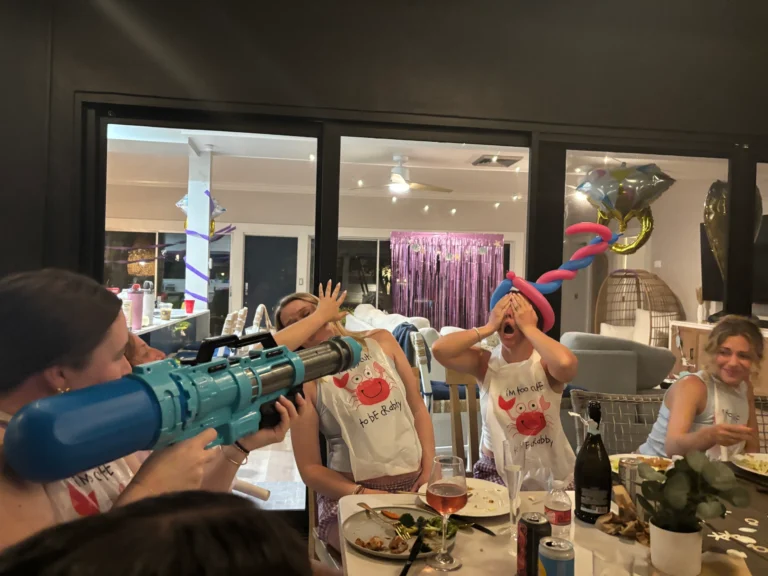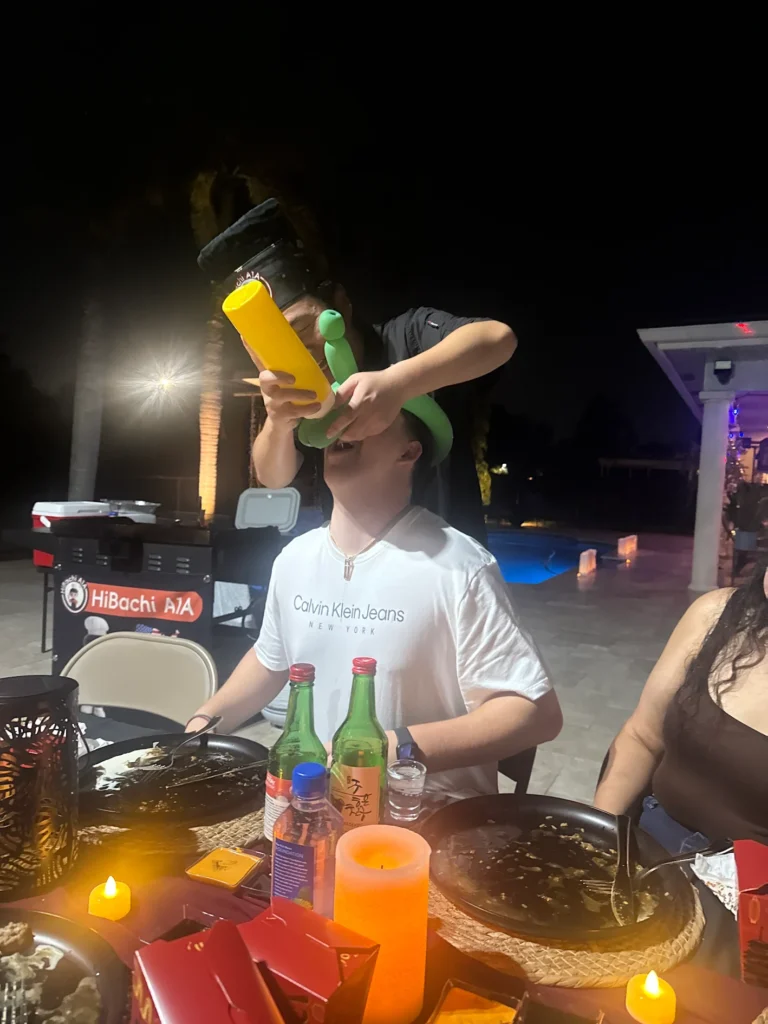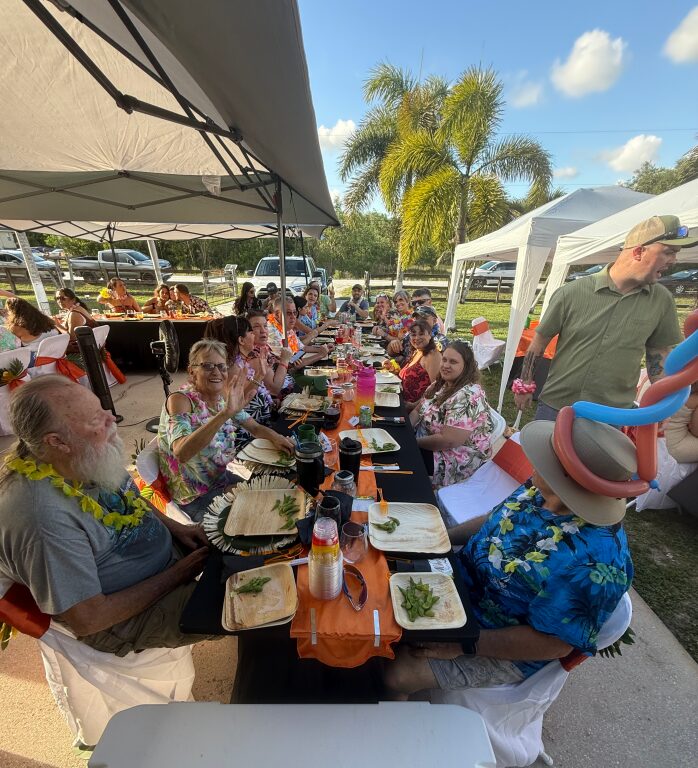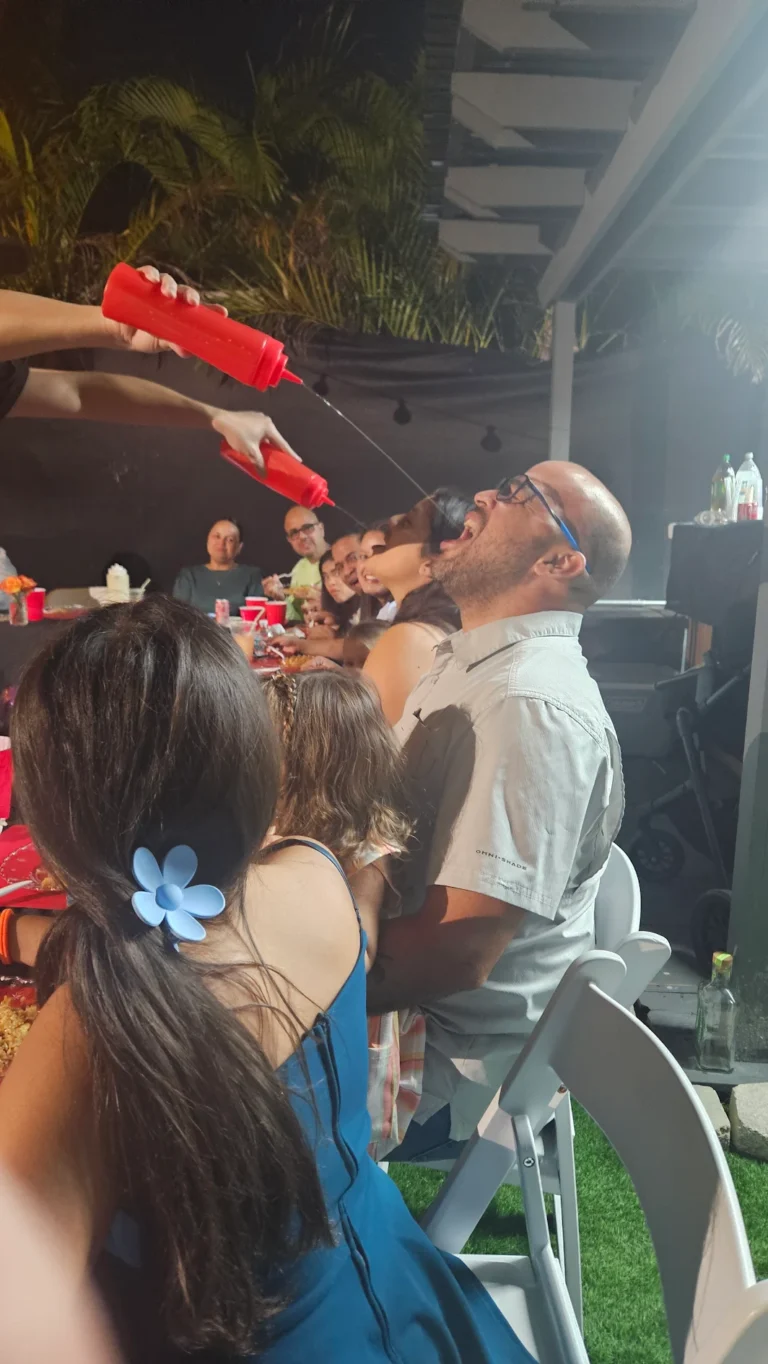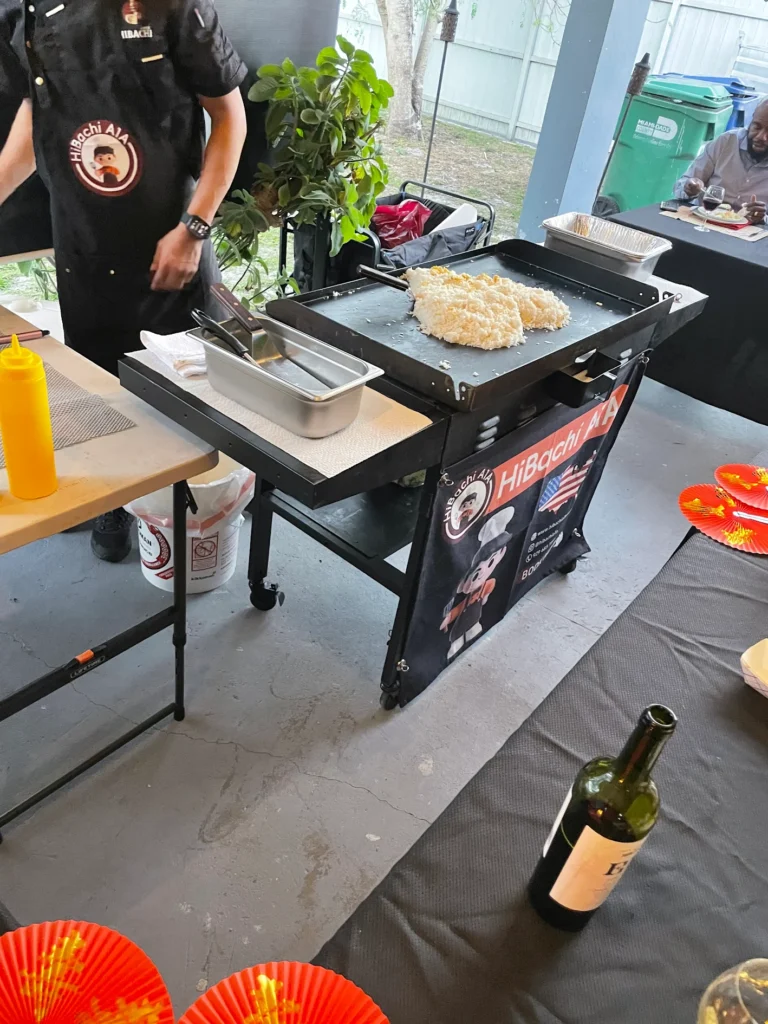
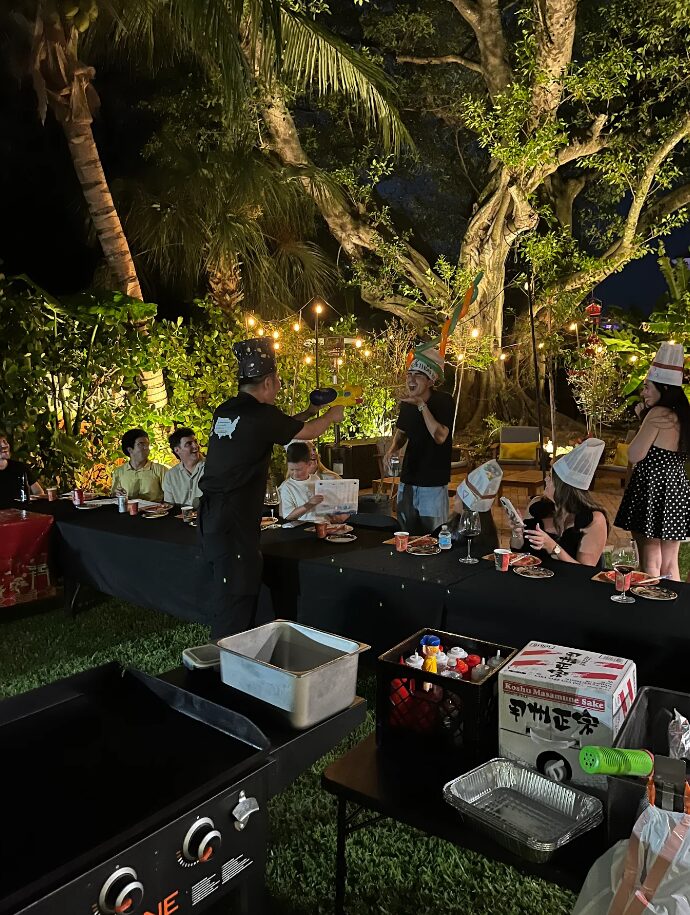
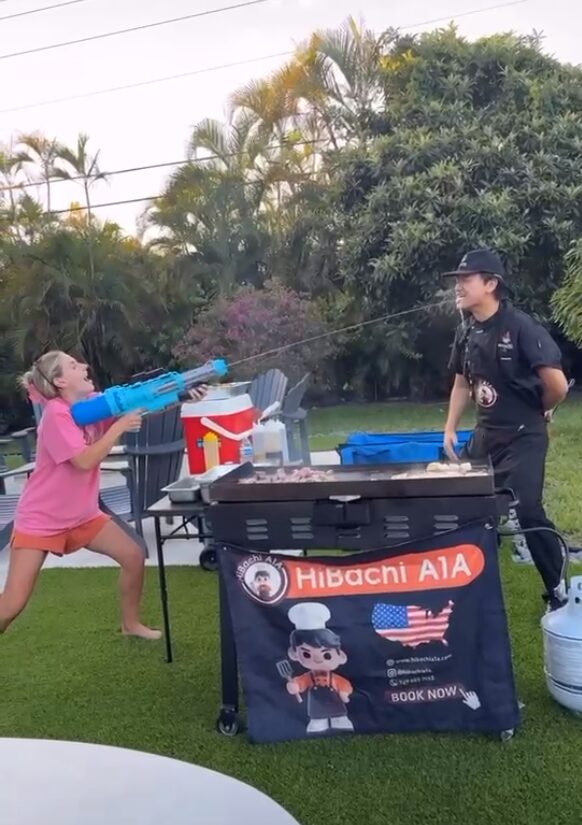
Imagine the sizzle of a flat-top grill, the theatrical toss of a shrimp that lands perfectly in a chef’s hat, and the smoky aroma of garlic butter wafting through your own backyard. That’s not a restaurant reservation — that’s West Palm Beach Hibachi At Home, a growing trend where professional teppanyaki chefs bring the entire show to your driveway, patio, or poolside. Unlike a standard caterer, a mobile hibachi service transforms a simple gathering into an interactive culinary performance, complete with onion volcanoes, knife tricks, and personalized attention for every guest. For residents from Palm Beach Gardens to Lake Worth, booking a local mobile catering team like [ Hibachi A1A] turns an ordinary Tuesday into a five-star event without anyone needing to fight traffic or wear pants with a waistband. The key is knowing exactly how to secure your date, prepare your space, and get the most value from your session — which is precisely what this guide covers.
Step 1: Understand What Mobile Hibachi Catering Actually Includes
Before you dial a number, it’s essential to understand what “mobile hibachi” means in the West Palm Beach market. A typical service from [Hibachi A1A] arrives with a portable gas-fired teppanyaki grill, a chef (or two), all cooking utensils, condiments, rice, vegetables, proteins, and even table settings in some premium packages. Unlike a hibachi restaurant, you’re not paying for a building — you’re paying for the chef’s time, the ingredients, and the travel. Most local providers offer three core packages: basic (chicken, steak, shrimp, vegetables, fried rice, and clear soup), premium (adds lobster tail, filet mignon, and sake-tasting options), and deluxe (includes a sushi chef, appetizer stations, and dessert hibachi — yes, fried ice cream on the grill). Crucially, ask if the quoted price includes gratuity, travel fees for your specific zip code (e.g., 33401 vs. 33411 can change costs by $20–$50), and cleanup. A transparent company like [Hibachi A1A] will send a detailed menu with exact portions per person, typically 10–12 ounces of protein per adult, plus a vegetarian option automatically.
Step 2: Choose the Right Date and Time Window
Timing is everything in the mobile hibachi world, especially in South Florida’s peak season (November through April), when snowbirds and holiday parties flood the calendar. Weekends book out 3–6 weeks in advance, while weekday evenings can often be secured within 5–7 days. For a lunch or early dinner (2–5 PM), you’ll often find same-week availability — and some providers discount off-peak hours by 15–20%. When booking with [Hibachi A1A], specify whether you want a cooking show (chef performs for 90 minutes straight) or a casual graze (chef cooks for 45 minutes, then steps back). If you have young children, book the 4:30 PM slot so the flame tricks happen during daylight — safer for little eyes and better for photos. Also, consider Florida’s rain season (June–September): always have a covered patio, screen room, or garage as a backup. Reputable companies will reschedule once for free if a severe storm hits, but only if you confirm a backup plan in writing.
Step 3: Calculate Your Guest Count and Budget Correctly
The most common mistake people make is underestimating how much food a hibachi chef can produce in one sitting — and overestimating how many people can watch comfortably. A single 6-foot grill can efficiently serve 8 to 12 guests per session, with each session lasting about 60–75 minutes. If you have 25 guests, you’ll need either two grills running simultaneously (which increases the price by about 1.8x, not 2x, because travel and setup costs are shared) or you’ll need to split into two seatings with a break in between. For budget planning, expect a range of $45 to $85 per person depending on protein choices. Chicken and vegetable combos hover at $45–$55; steak and shrimp at $60–$70; lobster and filet at $75–$85. [Hibachi A1A] typically charges a base travel fee of $50 for West Palm Beach city limits, $75 for Jupiter or Boynton Beach, and $100 for beyond 25 miles. Always request a written quote that itemizes food cost, labor, travel, and gratuity — if a company only gives a lump sum, ask for a breakdown. Also, ask about a deposit structure: most require 25% to hold the date, with the balance due on the day of the event, and a 48-hour cancellation window for a partial refund.
Step 4: Prepare Your Outdoor Space for the Chef
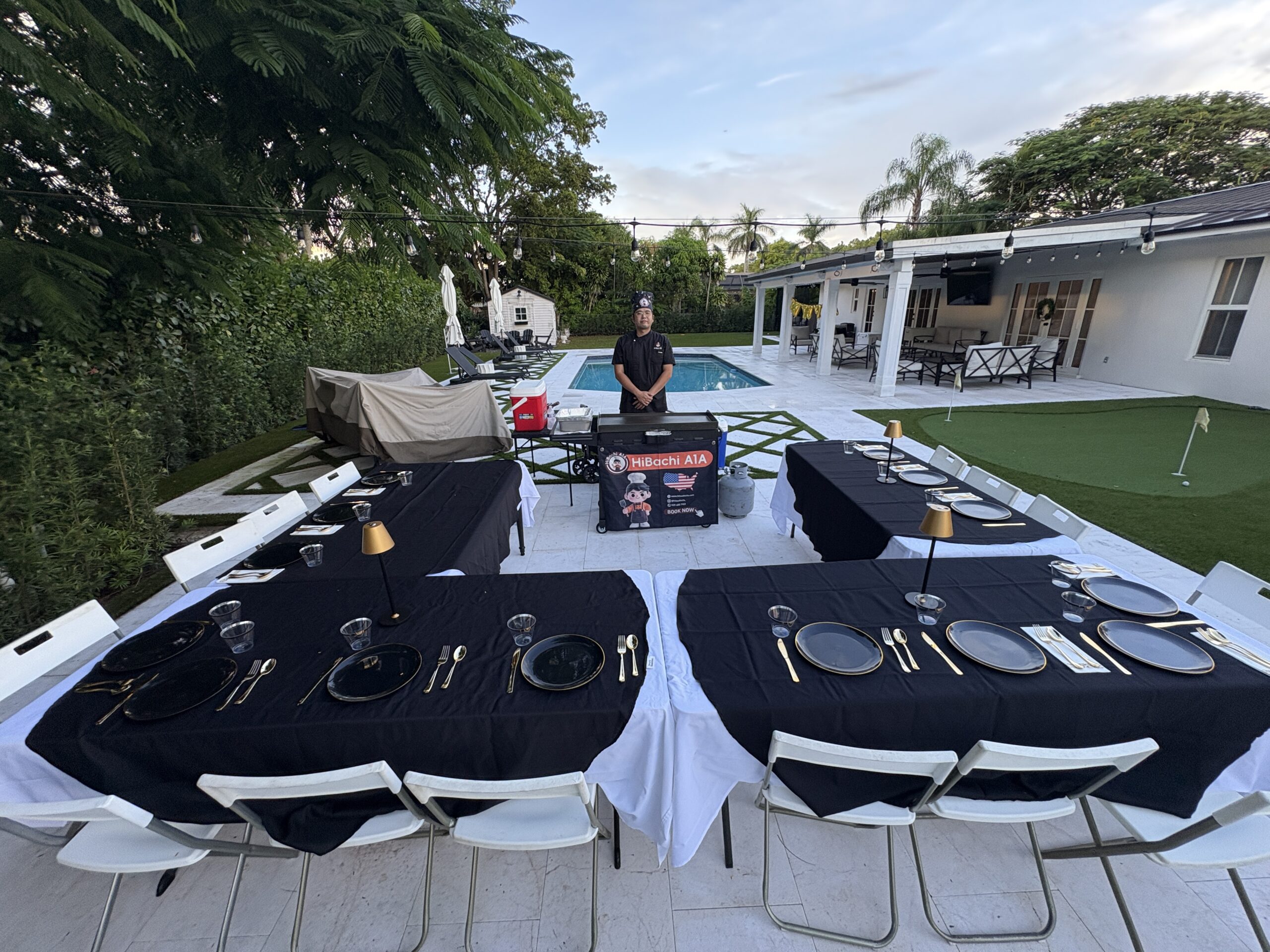
A professional hibachi chef needs three things: a flat, level surface, access to a water source, and at least 10 feet of clearance from flammable structures. Your patio table, driveway, or even a sturdy folding table works — but avoid wooden decks directly on grass, as the grill gets extremely hot and can scorch wood or dry lawn. Place the grill at least 4 feet away from any exterior wall, and never under a low-hanging awning unless it’s metal or fire-rated. You’ll also need a standard 120-volt electrical outlet within 25 feet for the grill’s ignition fan and any warming trays — [Hibachi A1A] brings a 50-foot extension cord, but if your outdoor outlet is more than 50 feet away, the chef will request you run a heavy-duty cord ahead of time. Set up your own condiment station (soy sauce, teriyaki, spicy mayo) on a separate table, and provide seating so guests can watch comfortably — high-top bar stools are ideal. Most importantly, have a fire extinguisher nearby; it’s not required by law for a mobile caterer, but it shows you’re a responsible host. And if you have pets, keep them inside — the sizzle and knife sounds can stress animals, and a flying shrimp tail might become an unintended snack.
Step 5: Make the Reservation Process Painless
When you’re ready to book, call or email [Hibachi A1A] directly rather than using a third-party booking platform — you’ll avoid middleman fees and get direct access to the chef’s schedule. Prepare this information before you call: date, start time, exact address, guest count, protein preferences, and any allergies (gluten-free soy sauce, shellfish-free, or vegetarian-only). Ask these five questions specifically:
1. Is the chef the same person who will cook, or is it a subcontractor?
2. Do you provide all plates, napkins, and utensils, or do I rent those separately?
3. What is your rain policy, and can I move the date without penalty within 72 hours?
4. Do you have liability insurance, and can you email me a certificate?
5. Is the fried rice and vegetables included in the per-person price, or are those add-ons?
A reputable company will answer all five without hesitation. After you’ve verbally confirmed, request a written confirmation email that includes the date, time, address, menu items, total price, deposit due, and the chef’s name. Pay your deposit with a credit card (for purchase protection) and keep the receipt. Then, on the day of the event, text the chef 90 minutes before arrival to confirm setup — and have your payment ready in a sealed envelope or digital transfer for the balance.
Step 6: Maximize the Experience with Small Touches
Once your booking is locked in, the fun part begins — curating the atmosphere. Since the chef handles all cooking, you can focus on theming your party. Set up a hibachi bar with small bowls of yum yum sauce, ginger dipping sauce, and toasted sesame seeds. Provide chopsticks practice stations for kids, and consider a “shot with the chef” moment — many mobile hibachi services, including [Hibachi A1A], offer a sake shot or cucumber-citrus “bomb” for a small extra fee per guest. For photos, ask the chef to perform the “egg trick” (tossing an egg up in the air and catching it with the spatula) at a slow-motion-friendly moment. If you’re celebrating a birthday or anniversary, mention it when booking — most chefs will add a flame tower and sing a non-copyright-safe version of a happy song, which is a hilarious touch. Also, plan for leftovers: ask the chef to pack any uncooked proteins separately, and have foil containers ready. Most guests will want to take home their own fried rice — it reheats beautifully.

Step 7: Know What to Do After the Event
After the last onion volcano dies down and the grill cools, the chef will pack up and haul away the equipment — but your responsibility isn’t over. Tip your chef in cash if gratuity wasn’t already included; a typical range is 15–20% of the food cost, and if the chef was entertaining, funny, and skilled, go to 25%. Write a quick review on Google or Yelp with a photo — this helps small local businesses like [Hibachi A1A] rank higher and keep their prices competitive. Also, if you used a commercial-grade extension cord or a borrowed canopy, return them promptly. Finally, send a thank-you text to the chef’s personal number if they gave it — a genuine note goes a long way in securing a discount on your next booking. And yes, there will be a next booking: once your friends see the video of that flaming onion volcano, you’ll be fielding requests to host the next “hibachi night” for months. Book early, prepare your space, and let the chef do what they do best — turn dinner into a spectacle that nobody at the table will forget.
Final Checklist Before You Call
To make your booking as smooth as possible, keep this quick checklist handy:
– ? Choose your date and a backup rain date
– ? Confirm your guest count (be honest — it affects portions)
– ? Decide on a package (basic, premium, or deluxe)
– ? Measure your outdoor space for grill clearance
– ? Confirm an electrical outlet within 50 feet
– ? Have a fire extinguisher within reach
– ? Ask about insurance and gratuity
– ? Get a written quote and pay the deposit via credit card
– ? Set your phone alarm for a reminder to text the chef 90 minutes prior
With [Hibachi A1A] and a little preparation, your West Palm Beach home will become the hottest dinner spot in the neighborhood — no reservations, no waitlists, and no dirty restaurant windows. Just sizzle, smoke, and satisfied guests who’ll be talking about that flying shrimp for years.