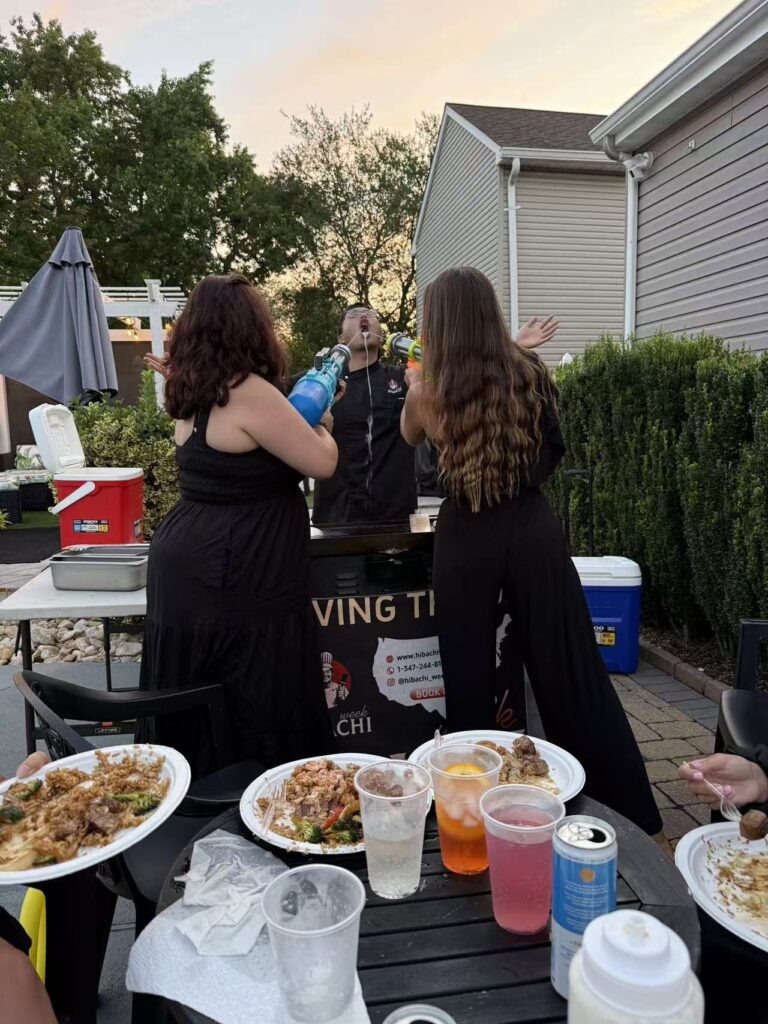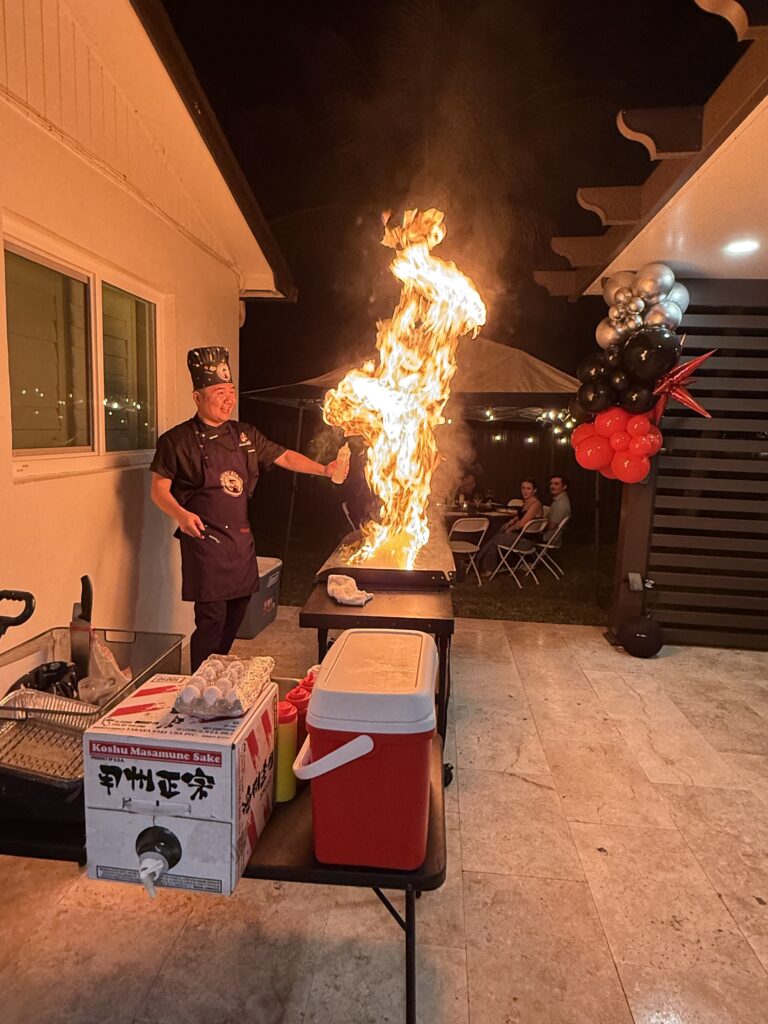
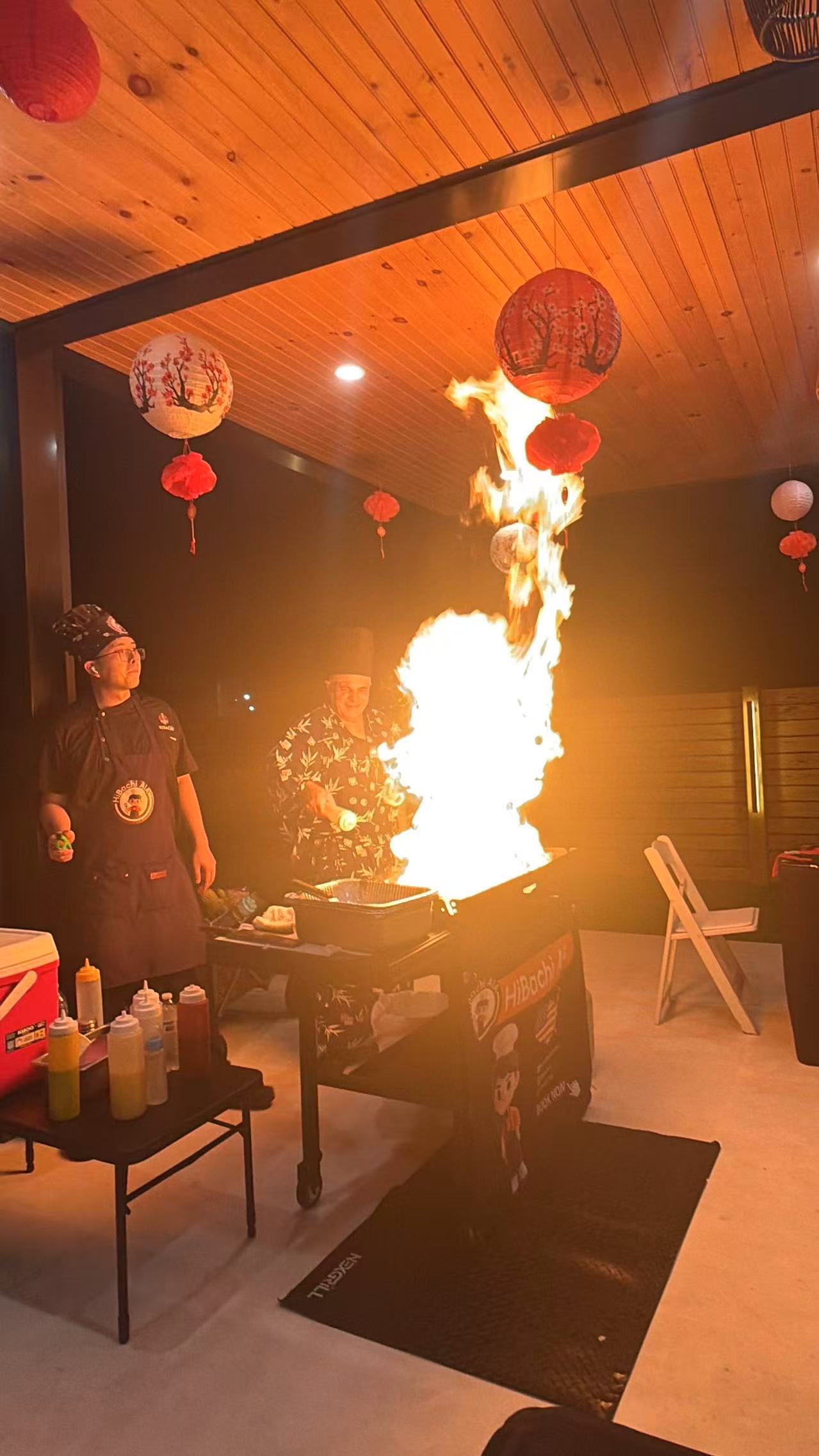
There is a certain magic to the hibachi table—the flare of flames, the rhythmic clatter of spatulas, the chef’s theatrical toss of a shrimp into a waiting mouth. For years, this experience was locked inside Japanese steakhouses, reserved for birthdays and anniversaries. But the modern hosting landscape has shifted. You no longer need to reserve a crowded table or compete for the chef’s attention. With On Site Teppanyaki Catering, you can transform your backyard, patio, or even your living room into a private teppan theater. The key is to understand that this isn’t just about cooking—it’s about curating a spectacle, a meal, and a memory, all without leaving home.
Why Choose On Site Teppanyaki Catering for Your Home Party
The decision to host a hibachi dinner at home is not merely a logistical choice; it is an aesthetic one. Traditional catering delivers food in chafing dishes. On site teppanyaki delivers performance. When you hire a mobile chef from Hibachi A1A, you are not paying for a meal—you are paying for a show that happens to be edible. The flat-top grill becomes a stage. The chef becomes a conductor. Your guests become an audience, seated around the sizzling surface, sipping drinks and watching their dinner materialize from raw ingredients into art.
The Intimacy of a Private Show
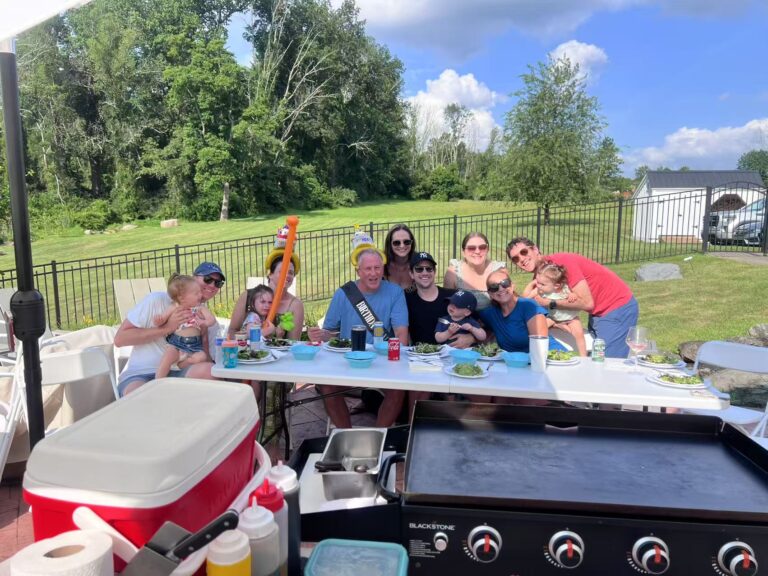
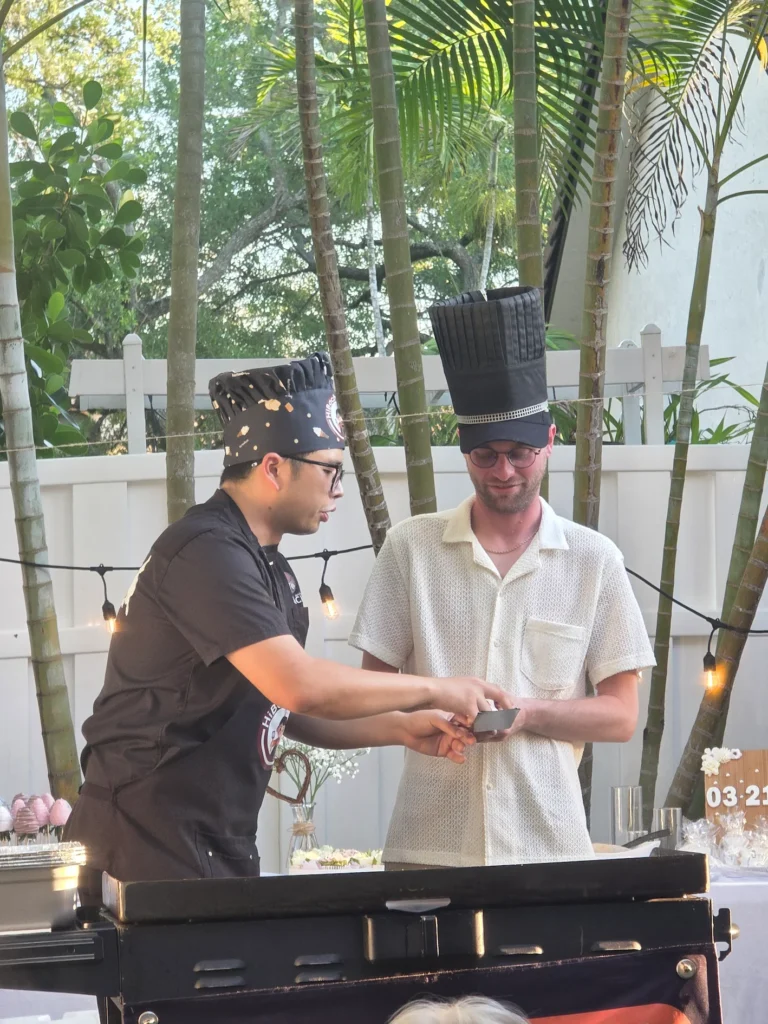
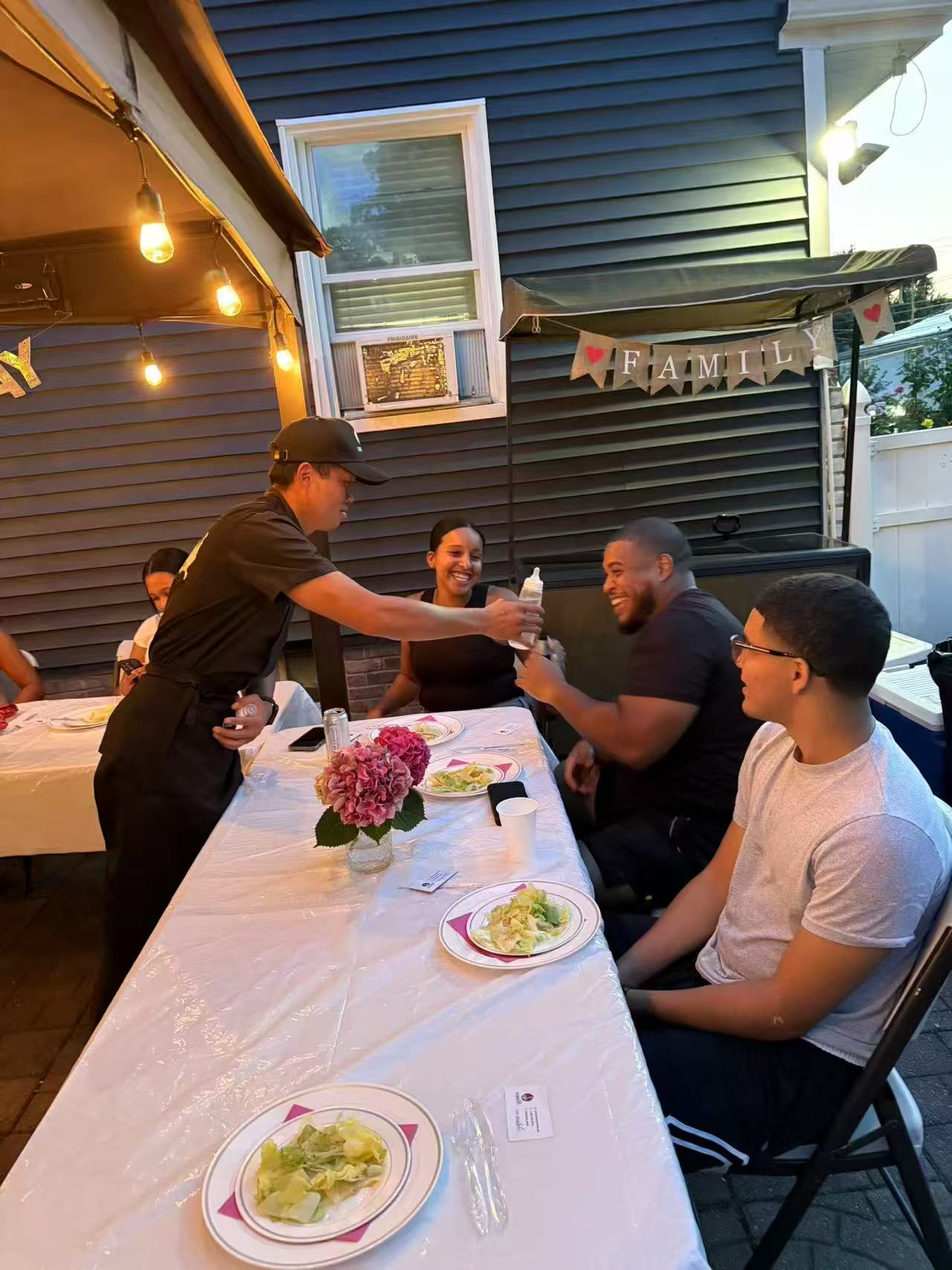
Unlike a restaurant, where you share the chef’s attention with a dozen strangers, an at-home hibachi party offers complete focus. Your chef from Hibachi A1A arrives with a portable teppan grill, propane, utensils, and fresh ingredients. They set up in your chosen space—a covered deck, a garage transformed for the evening, or even a spacious kitchen island. The proximity changes everything. Guests can ask questions, request specific tricks, and enjoy the chef’s banter without shouting over background noise. This is the essence of on site teppanyaki catering: a bespoke performance designed for your specific guest list.
Planning the Menu: From Classic to Custom
A successful hibachi party starts with a menu that balances tradition and personal taste. The standard repertoire includes hibachi steak, chicken, shrimp, and scallops, served with fried rice, sautéed vegetables, and the iconic yum yum sauce. But a professional catering service like Hibachi A1A will work with you to customize the offering. Are your guests vegetarian? The teppan can handle tofu, portobello mushrooms, and a colorful array of seasonal vegetables. Allergic to shellfish? The chef will adjust the cooking order and use separate sections of the grill to avoid cross-contamination.
Appetizers and Sides: Beyond the Grill
While the grill is the centerpiece, do not neglect the supporting cast. A light starter of edamame, seaweed salad, or miso soup sets the tone. For the fried rice, your chef will prepare it fresh on the grill, tossing eggs, butter, and garlic with the rice until it turns a perfect golden brown. The vegetables—zucchini, onions, mushrooms, and bean sprouts—are flash-fried with a soy-ginger glaze. And do not forget the dipping sauces: a spicy mayo, a ginger ponzu, and a sweet teriyaki reduction. These small details elevate the meal from simple grilled food to a curated dining experience.
Setting the Scene: Ambiance and Seating
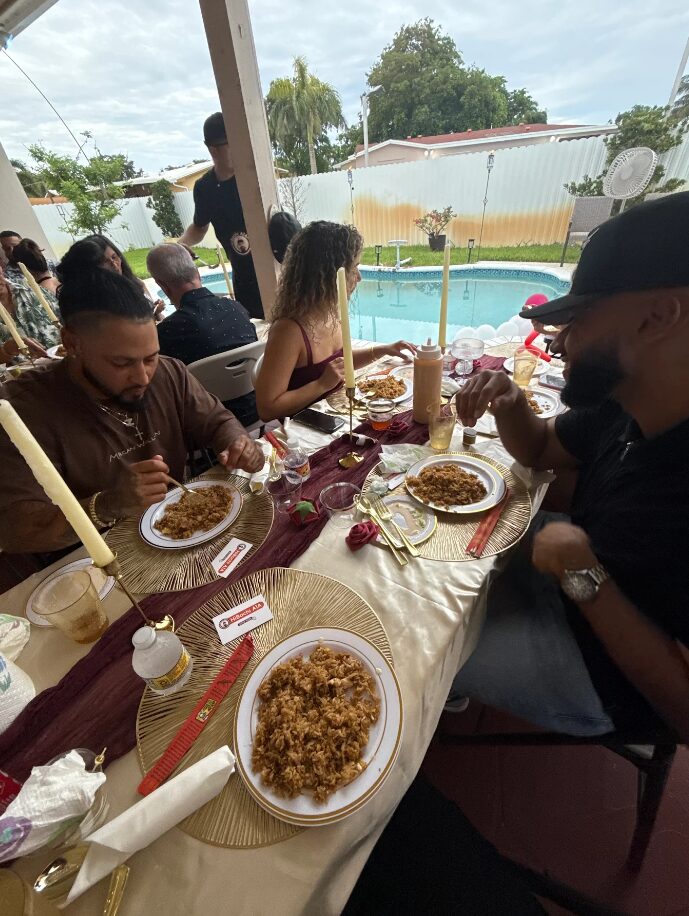
The physical environment matters as much as the food. For an on site teppanyaki event, you need a table that accommodates the grill and your guests. A U-shaped seating arrangement works best, allowing everyone a clear view of the chef’s work. If you are hosting outdoors, consider string lights and citronella candles to keep the atmosphere festive and insect-free. Indoors, clear the surrounding area of fragile items—the chef’s spatula flips and oil splatters are part of the charm, but they can be hard on tablecloths and nearby decor.
Logistics: Space, Power, and Timing
Before the chef from Hibachi A1A arrives, confirm the specifics. The teppan grill runs on propane, so you do not need electrical outlets, but you do need a flat, stable surface that can withstand high heat. If you are hosting on a wooden deck, ask about heat shields. Timing is also critical. The chef will need about 15 minutes to set up and preheat the grill. Plan for the cooking session to last roughly 45 minutes to an hour, depending on the number of guests. The flow of the evening should be: appetizers at 7:00, chef arrival at 7:15, cooking show from 7:30 to 8:30, and dessert afterward.
The Interactive Element: Engaging Your Guests
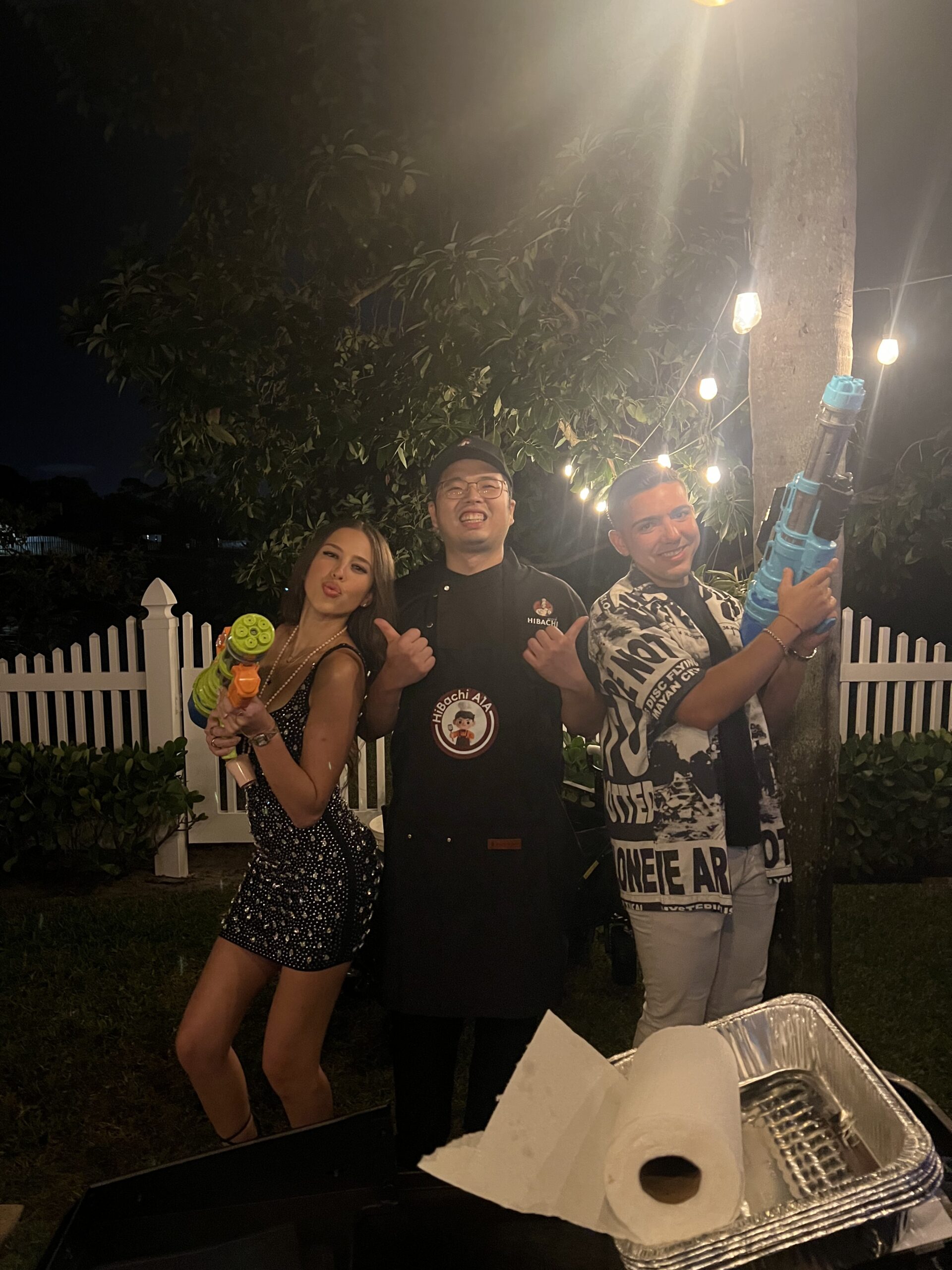
The true advantage of at-home hibachi over a restaurant visit is the chance for deeper interaction. The chef from Hibachi A1A is not just a cook; they are an entertainer. They will perform the classic onion volcano, the egg toss, and the zucchini train. But you can add your own touches. Have a birthday cake ready for the flame torch moment. Create a “guess the secret sauce” game during the meal. Encourage guests to try catching a shrimp in their mouths—with the chef’s coordination, of course. These moments become the stories your guests tell for weeks.
Handling Dietary Restrictions Gracefully
One of the most common concerns for home hosts is accommodating picky eaters. On site teppanyaki actually simplifies this. Because the chef cooks each order individually, they can tailor portions in real time. A guest who wants their steak well done gets it; another who prefers rare gets that. The grill is divided into zones, so a vegetarian dish never touches the meat juices. This flexibility is a major reason why Hibachi A1A is a favorite for corporate events, family reunions, and milestone parties.
Cost Considerations and Value
Many hosts assume that hiring a mobile teppanyaki chef is more expensive than a restaurant outing. In reality, the per-person cost is often comparable—especially when you factor in the lack of tip jars, drink markups, and the drive home. With on site catering, you control the liquor costs by providing your own bar. The chef brings the protein, produce, rice, sauces, and grilling equipment. You provide the venue, the drinks, and the guests. For a party of ten, the cost per person typically ranges from $40 to $70, depending on the protein selection and travel distance. Given the personalized service and the entertainment value, it is a remarkable bargain.
Booking and Preparation Checklist
To ensure a seamless experience, book your chef from Hibachi A1A at least two weeks in advance, especially for weekend dates. Provide the exact guest count and note any allergies. On the day of the party, do the following: (1) Clear a 10-foot diameter area for the grill and seating. (2) Have a fire extinguisher nearby, just as a precaution. (3) Set out plates, utensils, and napkins—your chef will handle the cooking, not the cleanup of dishes. (4) Prepare a drink station away from the grill area. (5) Most importantly, relax. The entire point of hiring a professional is to let you enjoy your own party.
The Lasting Impression: Why This Matters
Hosting a hibachi dinner at home using on site teppanyaki catering is more than a meal; it is an event that defies the ordinary. It breaks the monotony of standard dinner parties, offering your guests a sensory experience they cannot replicate by simply visiting a restaurant. The sizzle of the grill, the aroma of garlic butter, the visual of a chef flipping a shrimp into the air—these are the textures of a memorable evening. And when you partner with a seasoned provider like Hibachi A1A, you remove the stress of cooking and cleaning, leaving only the joy of hosting.
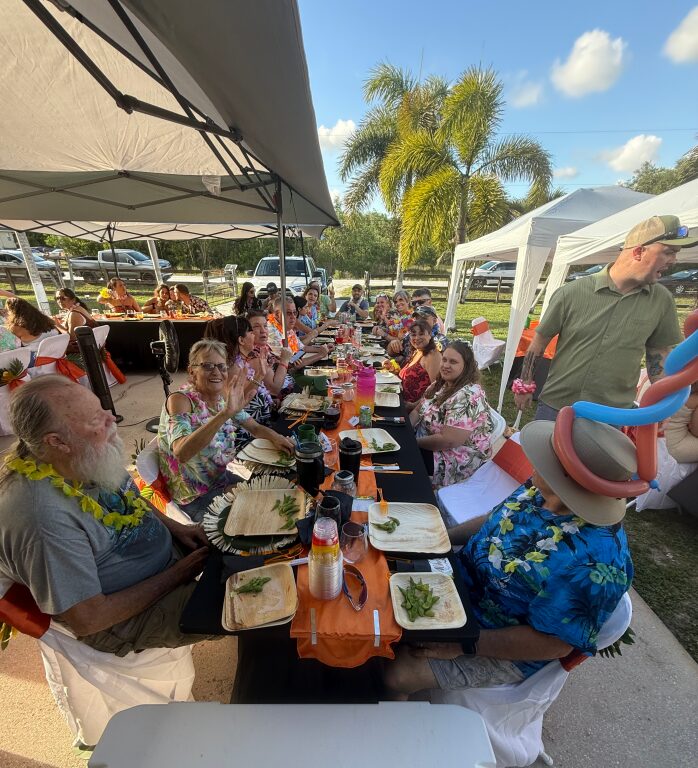
So the next time you think about throwing a party, skip the catering trays and the oven-warmed dishes. Bring the teppan table to your home. Let the chef from Hibachi A1A take the stage. Watch your guests’ faces light up as the first flame erupts from the onion volcano. That is the moment you will remember—not the logistics, not the cost, but the sheer delight of a home transformed into a private Japanese steakhouse, where every guest is the guest of honor.