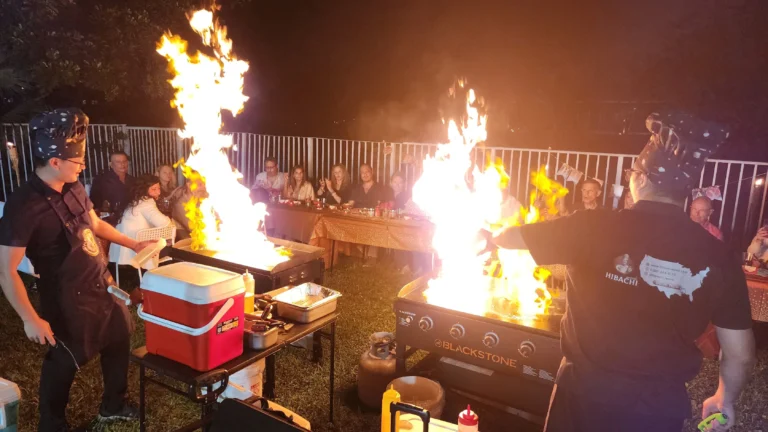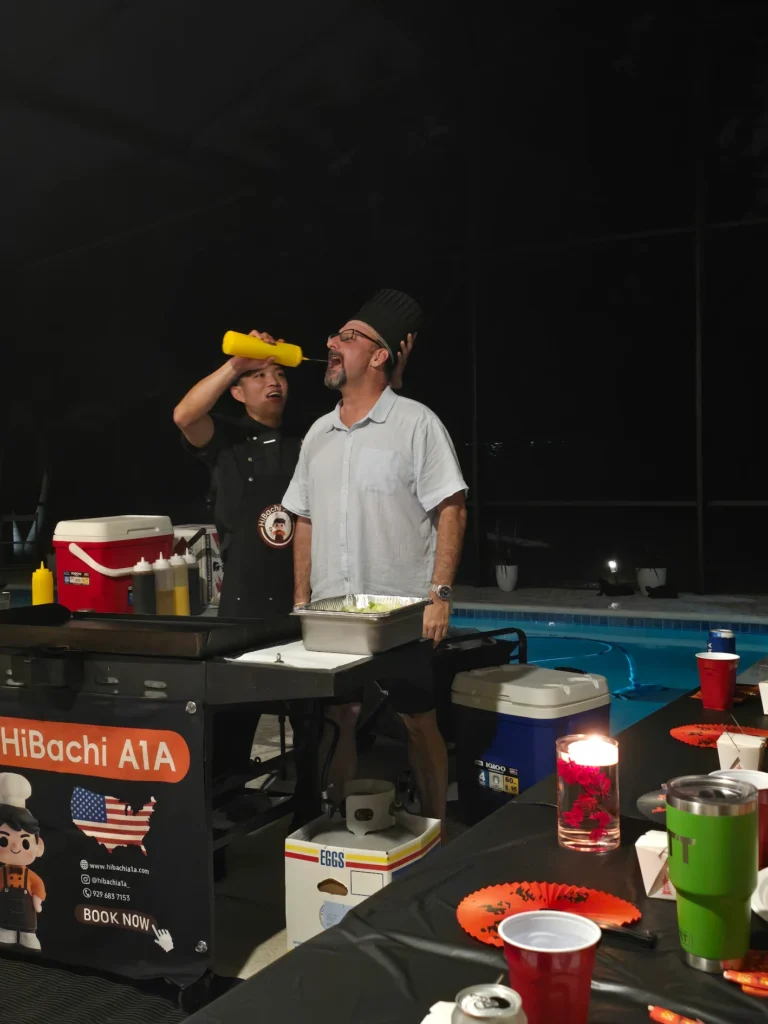

The sizzle of a hibachi grill, the flash of a chef’s spatula, and the aroma of caramelized proteins and vegetables are hallmarks of a memorable dining experience. To bring this theatrical and flavorful style to your home kitchen, the secret lies in preparing fresh ingredients with the precision of a professional. At Hibachi A1A, we believe that anyone can master this art by focusing on quality produce, proper techniques, and bold seasonings. This guide will walk you through every step of preparing hibachi ingredients like a chef, from selecting the finest cuts to perfecting your prep work. Whether you are hosting a dinner party or craving a weeknight treat, these tips will ensure your homemade hibachi rivals any steakhouse. With dedication and fresh ingredients, you can transform your cooking routine into a culinary performance. Let’s delve into the essentials of ingredient preparation to unlock the full potential of hibachi cuisine at home.
Essential Proteins for Hibachi
The centerpiece of any hibachi meal is the protein, and chefs prioritize freshness and texture to deliver superior flavor. Here’s how to prepare the most common options with chef-level care.
Beef: Ribeye and Filet Mignon
For hibachi, ribeye is a top choice due to its marbling, which ensures juiciness and tenderness upon grilling. Alternatively, filet mignon offers a leaner yet equally tender option. Start by selecting bright red beef with minimal discoloration. Trim any excess fat or silverskin, then slice the meat against the grain into thin, uniform strips—approximately 1/4-inch thick. This method promotes even cooking and prevents toughness. If desired, lightly season with salt and pepper before cooking, but avoid over-marinating to preserve the beef’s natural flavor. For best results, allow the meat to rest at room temperature for 15 minutes before grilling.
Chicken: Thighs vs. Breasts
Chicken thighs are preferred over breasts in hibachi because of their higher fat content, leading to richer taste and moisture. Remove any skin and bones for a cleaner experience, then slice into bite-sized cubes. For even cooking, ensure pieces are similar in size. Marinate the chicken in a mixture of soy sauce, ginger, and garlic for at least 30 minutes to infuse flavor. If using chicken breasts, pound them to an even thickness to prevent dry spots. Always pat the chicken dry with paper towels before marinating to enhance browning on the grill.
Seafood: Shrimp, Scallops, and Lobster
Fresh seafood shines in hibachi, with shrimp being a staple. Peel and devein the shrimp, leaving the tail on for presentation. For scallops, choose dry-packed varieties (avoiding those soaked in brine) and pat them thoroughly dry to achieve a golden crust. Lobster tails should be split lengthwise and brushed with garlic butter for richness. When preparing seafood, cleanliness is crucial: rinse under cold water and remove any grit. Do not overcook; seafood typically requires just a few minutes on high heat. Season lightly with salt or a dash of soy sauce to let the natural flavors stand out.
Fresh Vegetables and Aromatics
Vegetables add color, crunch, and balance to hibachi dishes. Chefs focus on freshness and precise cutting to enhance texture and presentation.
Classic Hibachi Vegetables
Standard options include zucchini, yellow squash, mushrooms, onions, and bean sprouts. For zucchini and squash, slice into half-moons or rounds about 1/4-inch thick. Mushrooms—often white or shiitake—should be wiped clean with a damp cloth and sliced if large. Onions are typically cut into wedges or thin strips. Bean sprouts require only a quick rinse and draining. Uniformity is key: cut vegetables to similar sizes to ensure they cook at the same rate. Avoid overcrowding the grill to maintain high heat, which prevents sogginess. Freshness is non-negotiable; limp vegetables will compromise the dish’s overall quality.
Garlic, Ginger, and Onions
These aromatics form the flavor backbone of hibachi. Fresh garlic cloves should be minced finely just before use, as pre-minced versions lose potency. Ginger must be peeled and grated on a microplane to release its juices without fibrous bits. Sweet onions, such as Vidalia or Maui, are ideal for their mildness, but yellow onions work well too. Chop them into small dice for mixing into rice or larger strips for grilling. When preparing these ingredients, work quickly to avoid oxidation. Store them in separate bowls to manage roasting times on the grill, adding garlic and ginger late to prevent burning.
Mastering Sauces and Seasonings
Sauces elevate hibachi from simple grilled food to a signature experience. Chefs balance acidity, umami, and richness through homemade blends.
Hibachi Mustard Sauce
This tangy condiment is iconic. Combine two tablespoons dry mustard with one tablespoon rice vinegar, one teaspoon soy sauce, and a few drops of sesame oil. Whisk until smooth, then adjust consistency with water if needed. For a kick, add a pinch of cayenne. Make this sauce fresh and let it sit for 10 minutes to develop depth. It pairs excellently with beef and chicken, cutting through the richness of grilled proteins.
Soy-Based Dipping Sauces
A simple sauce can complement any protein. Mix equal parts low-sodium soy sauce and sake or mirin, then stir in minced garlic, grated ginger, and a splash of lemon juice. For sweetness, add a teaspoon of sugar or honey. Heat gently to dissolve solids, but aim to serve it warm or at room temperature. This sauce also doubles as a marinade. Avoid using old soy sauce; freshness ensures vibrant flavor. Store leftovers in a sealed jar for up to a week.
Garlic Butter and Sesame Oil
Garlic butter is essential for seafood and vegetables. Soften unsalted butter and mix with minced garlic, parsley, and a pinch of salt. Roll it into a log and chill for easy slicing. Use it sparingly during cooking or as a finishing touch. Sesame oil, on the other hand, adds nutty aroma; drizzle it over dishes just before serving. Never cook with sesame oil over high heat, as it burns quickly. Both components should be prepared in advance to streamline your cooking flow.
Prepping Techniques for Perfect Results
Beyond ingredients, technique separates a home cook from a hibachi chef. Master these methods to ensure consistent, impressive dishes.
Slicing and Dicing Like a Chef
Precision cutting controls cooking speed and presentation. Use a sharp, high-quality chef’s knife for proteins and a paring knife for vegetables. For ribbon cuts on veggies, aim for uniform thickness; for example, zucchini slices at 1/4 inch ensure even searing. Always slice meat against the grain to break down fibers. Practice claw grip on the hand holding food to protect fingertips. Clean your knife regularly to avoid sticking. After cutting, arrange ingredients by cooking time—proteins first, then harder vegetables, followed by delicate items like bean sprouts.
Marinating for Flavor
Marinating enhances tenderness and taste, but avoid overdoing it. For chicken and pork, marinate in soy sauce, ginger, and garlic for 30 minutes to 2 hours. For beef, a short 15-minute soak suffices, as it can absorb flavor quickly. Seafood requires only 10 minutes to prevent breakdown. Use glass or food-grade plastic containers, and refrigerate during marinating. Pat ingredients dry before grilling to avoid steaming. Discard used marinade unless boiled for reuse as a sauce. The goal is to complement, not mask, the ingredient’s natural character.
Arranging Ingredients for Cooking
Organization ensures a smooth hibachi session. Set up your prep station with bowls of proteins, vegetables, aromatics, and sauces in order of use. Cook in batches: start with proteins requiring longer grill time, like chicken, then add shellfish, and finally vegetables. Keep cooked food warm on a low oven tray if serving together. After grilling, deglaze the flat-top with a splash of sake and butter to create a quick pan sauce. Present each plate with a balanced mix of ingredients for visual appeal. This approach mimics a chef’s workflow, reducing stress and ensuring optimal flavors.
Preparing fresh hibachi ingredients at home like a chef is achievable with the right focus on quality, technique, and seasonings. By selecting superior proteins, fresh vegetables, and crafting homemade sauces, you set the stage for an authentic experience. Slicing with precision, marinating thoughtfully, and organizing your ingredients mirror the professionalism of Hibachi A1A’s experts. This journey transforms cooking into a performance where every sizzle and serve delights your guests. Start small—perhaps with perfectly grilled shrimp and zucchini—then expand your skills to include more complex elements. The reward is not just a meal but a memorable event crafted by your hands. Embrace the process, and soon you’ll confidently recreate the hibachi magic in your own kitchen.