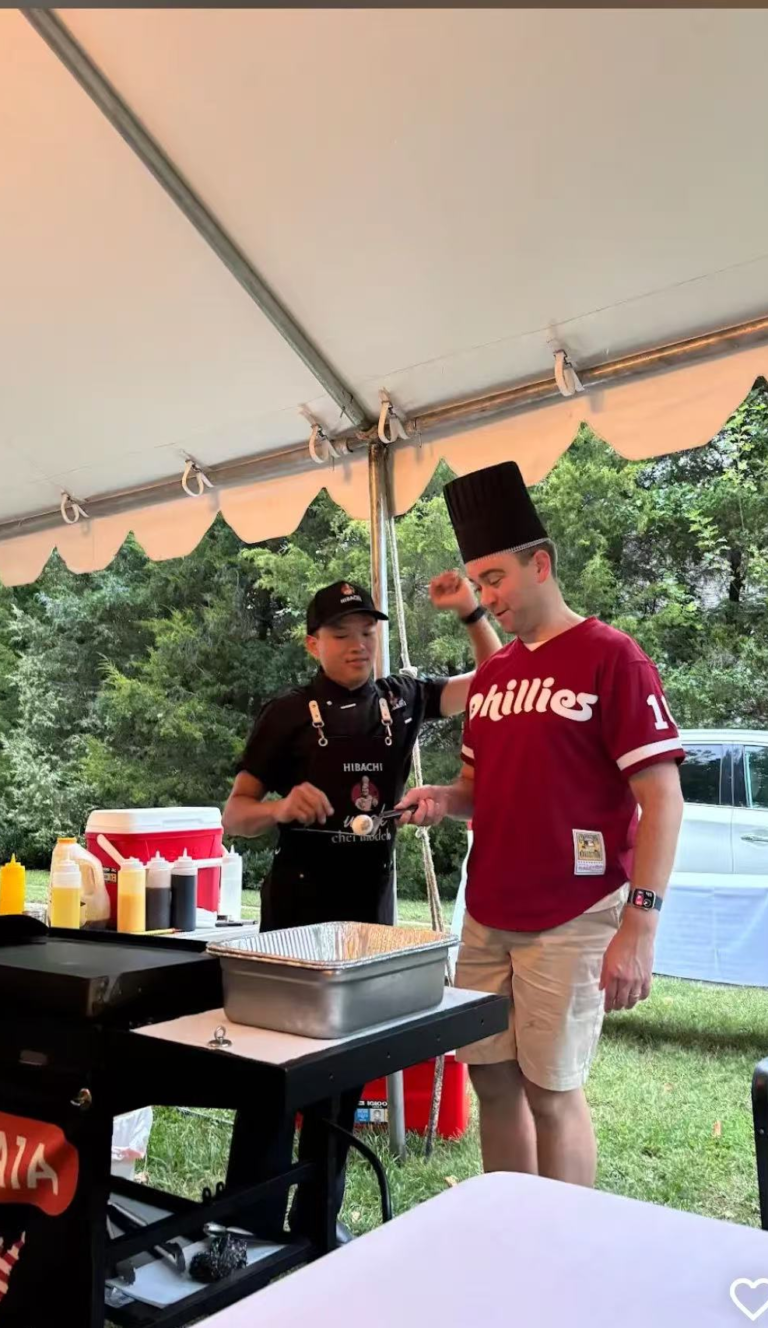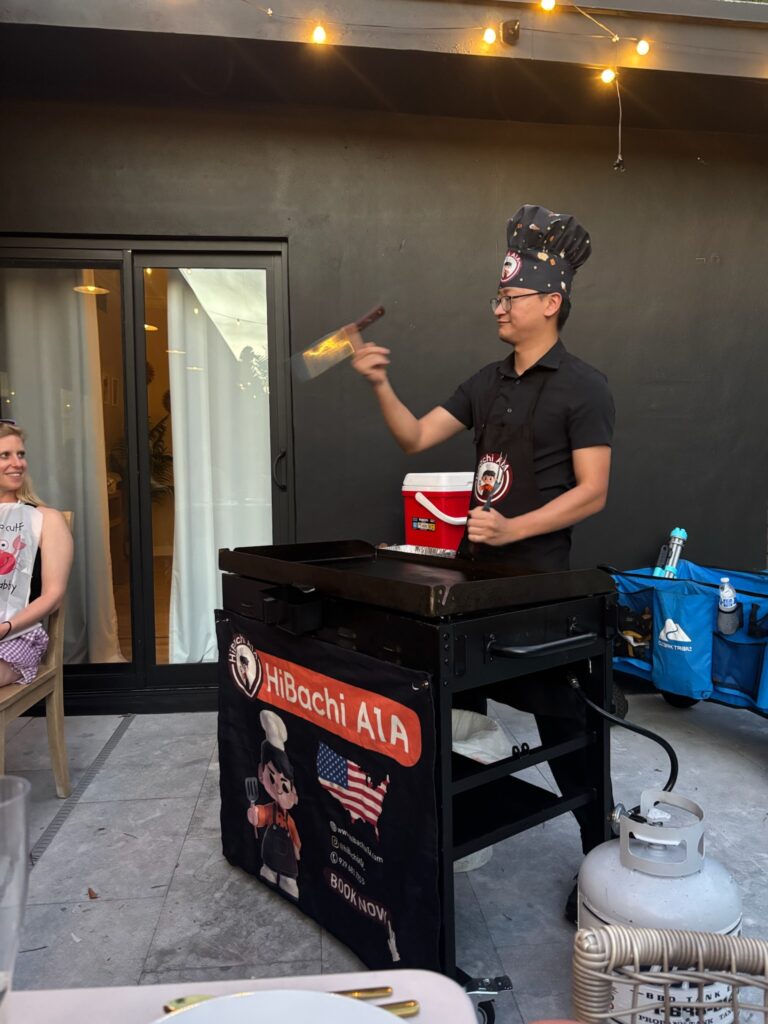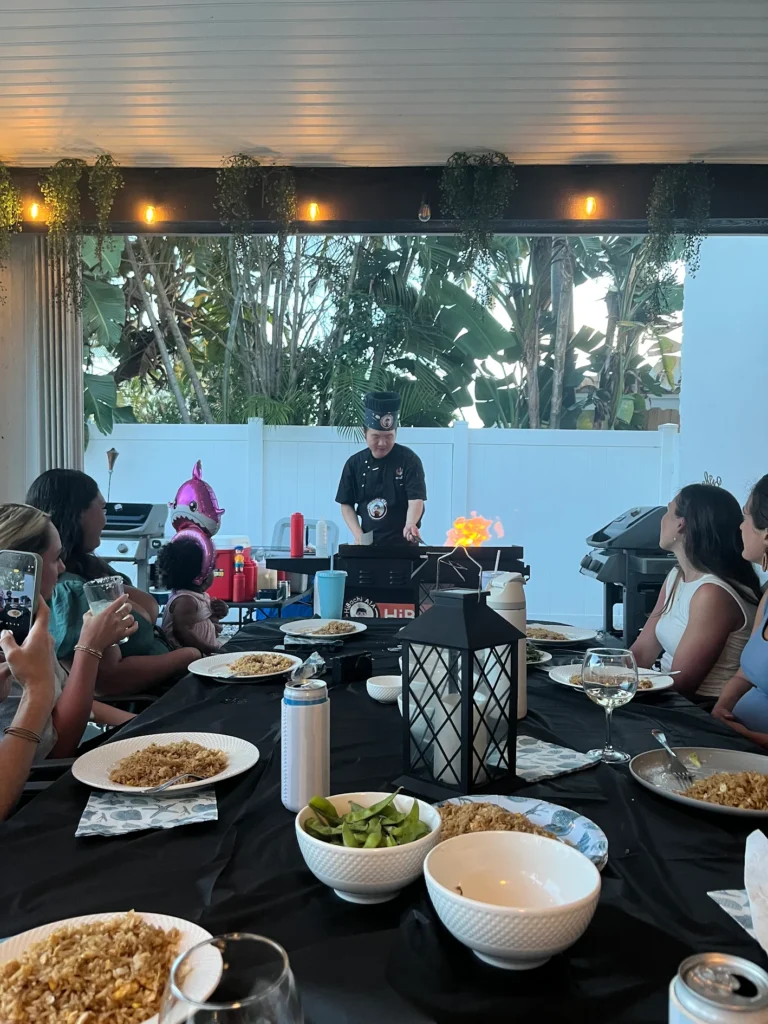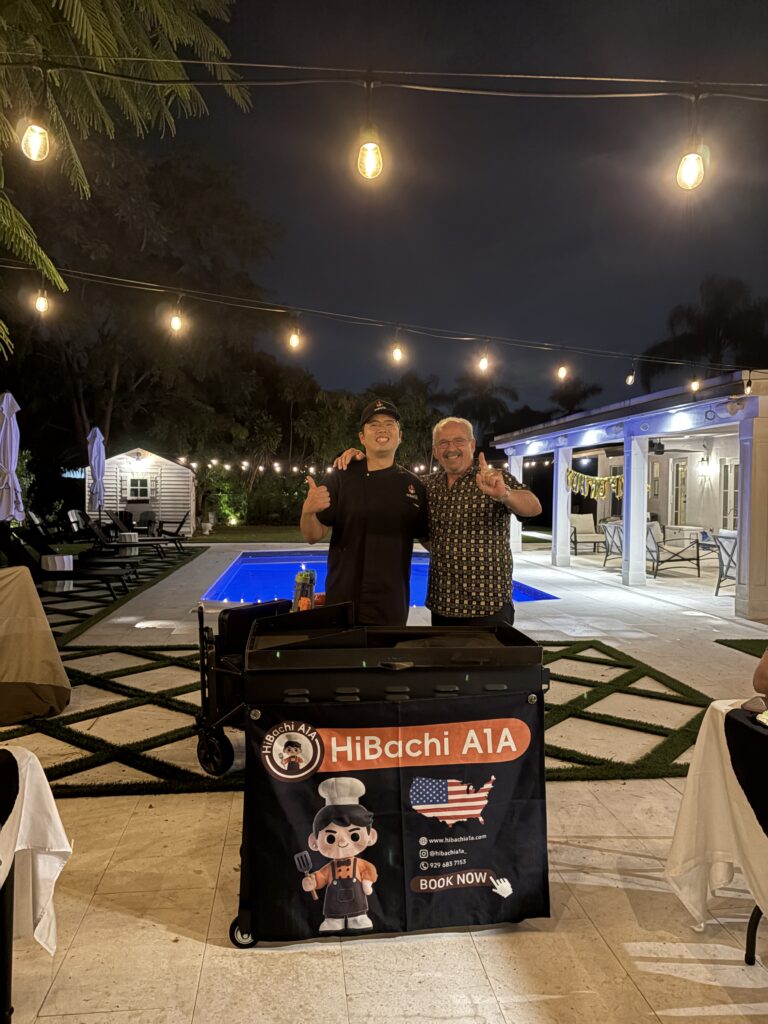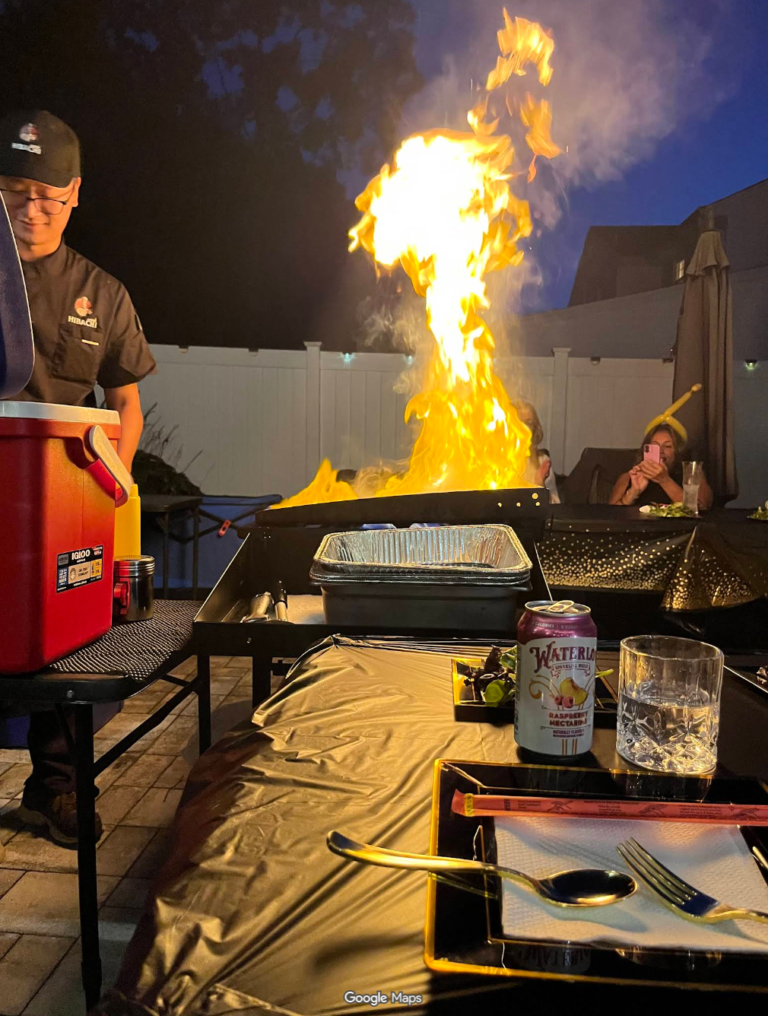
Hosting a party is always exciting, but hosting a party that feels like a five-star teppanyaki experience without leaving your driveway? That’s a game-changer. With [ Hibachi A1A] mobile catering service, you can transform an ordinary backyard gathering into an unforgettable Japanese steakhouse-style event. Whether it’s a birthday, anniversary, corporate mixer, or just a “because it’s Tuesday” celebration, here’s your complete guide to hosting a flawless hibachi party at home—with the pros handling the fire, the flip, and the flavor.
Step 1: Choose the Right Date and Space
Before you send a single invitation, lock in the logistics. [Hibachi A1A] brings their own portable hibachi grills, chef, utensils, and fresh ingredients—but they need space to work their magic. You’ll want:
– A flat, non-flammable surface for the grill (patio, concrete, or paved driveway works best).
– At least a 10×10-foot area for the chef’s station and a safe buffer zone for guests.
– Access to an outdoor electrical outlet (for lighting and small appliances) and a water source nearby.
– A backup indoor location in case of rain—many mobile caterers, including [Hibachi A1A], can pivot to a garage or covered porch with proper ventilation.
Book your date at least 2–3 weeks in advance, especially during peak season (spring and summer weekends fill fast). Confirm your guest count early, because the menu and pricing are usually per person.
Step 2: Build Your Guest List and Menu
The beauty of a hibachi party is that the menu is both customizable and crowd-pleasing. [Hibachi A1A] typically offers multiple tiers—from classic chicken and steak combos to premium lobster and scallop surf-and-turf. Here’s how to plan:
– Start with a headcount. Most packages have a minimum (often 10–15 guests) and a maximum (often 50+). If you have fewer guests, you can still book, but expect a base fee.
– Mix proteins wisely. Offer at least two meats plus a vegetarian option (tofu, vegetables, or mushroom medley). This keeps everyone happy without overwhelming the chef.
– Add the “show” elements. Ask about the signature onion volcano, the flying shrimp toss, and the sake pour into guests’ mouths. These are the moments your guests will talk about for months.
– Don’t forget sides. Most hibachi menus include fried rice, grilled vegetables, dipping sauces, and miso soup. Some packages also include a dessert like grilled pineapple or mochi.
Remember to ask about allergies and dietary restrictions in your RSVP form. [Hibachi A1A] is generally flexible with substitutions, but they need advance notice.
Step 3: Prepare Your Party Zone
While the chef handles the grill, you handle the vibe. Here’s a checklist to make your yard look intentional, not chaotic:
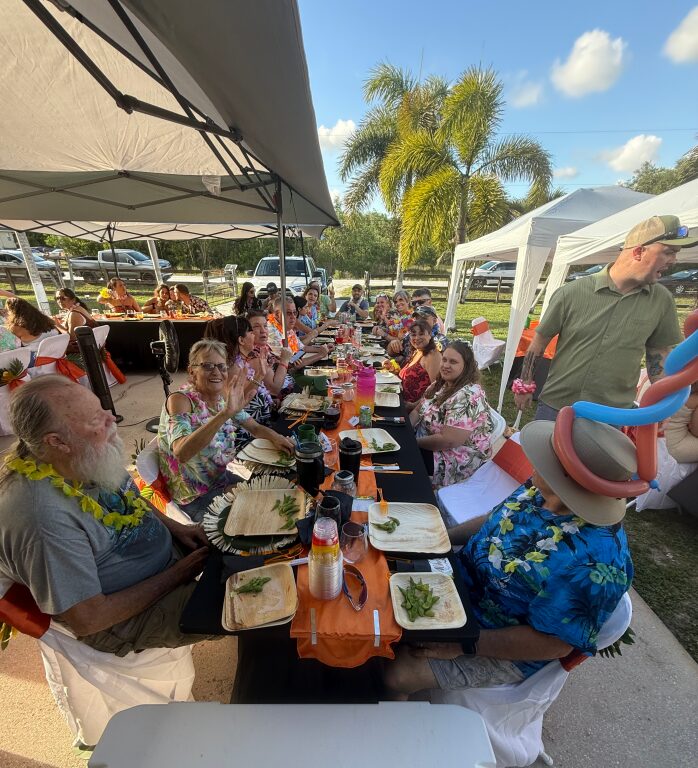
– Seating: Arrange guests around the grill in a semicircle or U-shape so everyone can see the action. Use folding chairs, benches, or even hay bales with blankets for a rustic feel. For larger groups, set up a few high-top tables behind the seating area for drinks and plates.
– Lighting: If your party extends into the evening, string lights or tiki torches create a warm glow. Avoid harsh floodlights—they kill the steakhouse mood.
– Tablescape: Set up a self-serve drink station with coolers, a dispenser of iced tea or lemonade, and a small bar area if you’re serving alcohol. Keep disposable plates and napkins near the grill exit point so guests can grab and eat immediately.
– Music: Play a low-key playlist (Japanese lo-fi or soft jazz works beautifully). Keep the volume low enough that the chef’s banter and the sizzle of the grill remain the stars.
Pro tip: Put out a “splash zone” warning. Hibachi cooking involves flying rice, sake, and occasionally a shrimp that lands in someone’s lap. It’s part of the fun—but warn guests with white shirts.
Step 4: The Big Day – What to Expect
On the day of the event, [Hibachi A1A] will arrive about 60–90 minutes before serving time to set up. Here’s how to be a gracious host:
– Designate a parking spot for their vehicle. The grill is heavy and needs a clear path from van to patio.
– Introduce the chef personally. A quick “this is our amazing chef for tonight” makes the experience more intimate. The best hibachi chefs thrive on crowd energy, so encourage your guests to cheer, clap, and try the chopstick catch.
– Manage the flow. The chef cooks in batches, usually by table or group. If you have 30 guests, expect three or four cooking rounds. Plan for a grazing station (chips, veggie trays, edamame) so no one gets hangry while waiting.
– Capture the moments. Ask a friend to be the designated photographer or videographer. The onion volcano, the egg roll toss, and the shrimp catch are guaranteed viral-worthy shots.
Step 5: After the Grill – Extend the Party Smartly
Once the last protein is seared and the final fried rice is plated, the grill goes quiet—but the party doesn’t have to end. Here’s how to close out strong:
– Dessert and coffee: Many packages include a simple dessert, but you can add a s’mores station or a pre-ordered cake. [Hibachi A1A] often offers grilled pineapple or a small ice cream bar as add-ons.
– Cleanup division of labor: The catering team handles all cooking equipment, greasy pans, and food waste. Your responsibility is guest trash, leftover food containers, and your own serving dishes. Have a clear bin for guests to toss compostable plates.
– Send guests home with a thank-you: A small favor (like a bag of crispy garlic chips or a mini bottle of yum-yum sauce) is a lovely touch. Or simply print a card that says “Thanks for coming to our hibachi night!” with [Hibachi A1A]’s contact info so guests can book their own party.
Why Choose [Hibachi A1A] for Your Next Event?
Now, you might be wondering: “Why should I pick [Hibachi A1A] over a restaurant or a traditional caterer?” Here are three honest reasons:
1. Authenticity with mobility. They bring the real teppanyaki experience to your door—steel griddle, high heat, skilled knife work, and that theatrical energy that restaurants often rush through.
2. Stress-free hosting. You don’t have to shop, chop, marinate, or clean a single frying pan. Your only job is to greet guests and enjoy the show.
3. Value for money. For groups of 15–40, the per-person cost is often comparable to a mid-range steakhouse dinner, but you get the private, personalized atmosphere, unlimited refills of your own drinks, and zero tip jars at the door.
One more practical tip: ask [Hibachi A1A] about their “party add-ons” like a sake tasting flight, a custom sign with your event name, or even a mini hibachi class where guests try flipping an egg themselves. These little extras elevate a great party into an unforgettable event.
Final Checklist for a Seamless Hibachi Party
To wrap up, here’s a quick 10-point checklist to run the day before your event:
– [ ] Confirmed guest count and final menu with [Hibachi A1A]
– [ ] Outdoor space cleaned and grill area cleared
– [ ] Seating and tables arranged for maximum viewing
– [ ] Lighting and music tested
– [ ] Drink station stocked with ice, cups, and beverages
– [ ] Allergy notes communicated to the caterer
– [ ] Parking spot reserved for the catering van
– [ ] Designated photo/video person briefed
– [ ] Trash and recycling bins labeled
– [ ] Your chef’s “show” expectations shared with guests (e.g., yell “Happy Birthday” when the onion volcano erupts)
Hosting a hibachi party at home is not just about food—it’s about theater, connection, and the joyful chaos of watching a professional turn a flat grill into a stage. With [Hibachi A1A] by your side, you’re not just throwing a dinner party; you’re producing a memory. So go ahead, send those invites, clear the patio, and let the flames do the talking. Your guests will be talking about it for years—and probably asking for the caterer’s card before they leave.