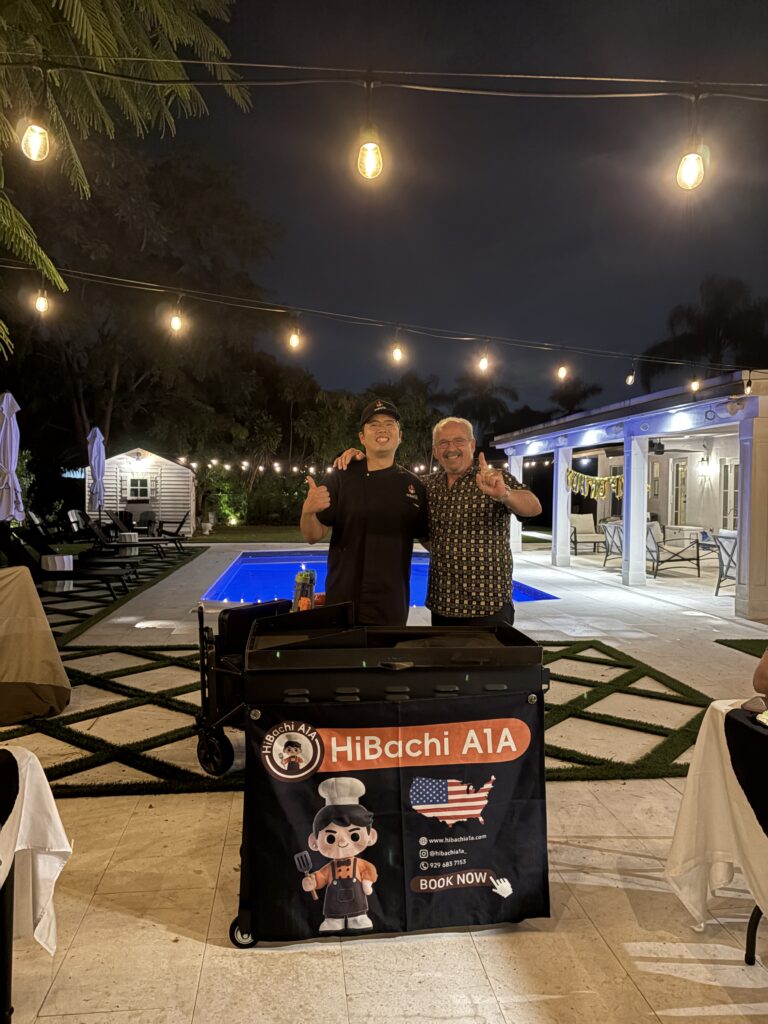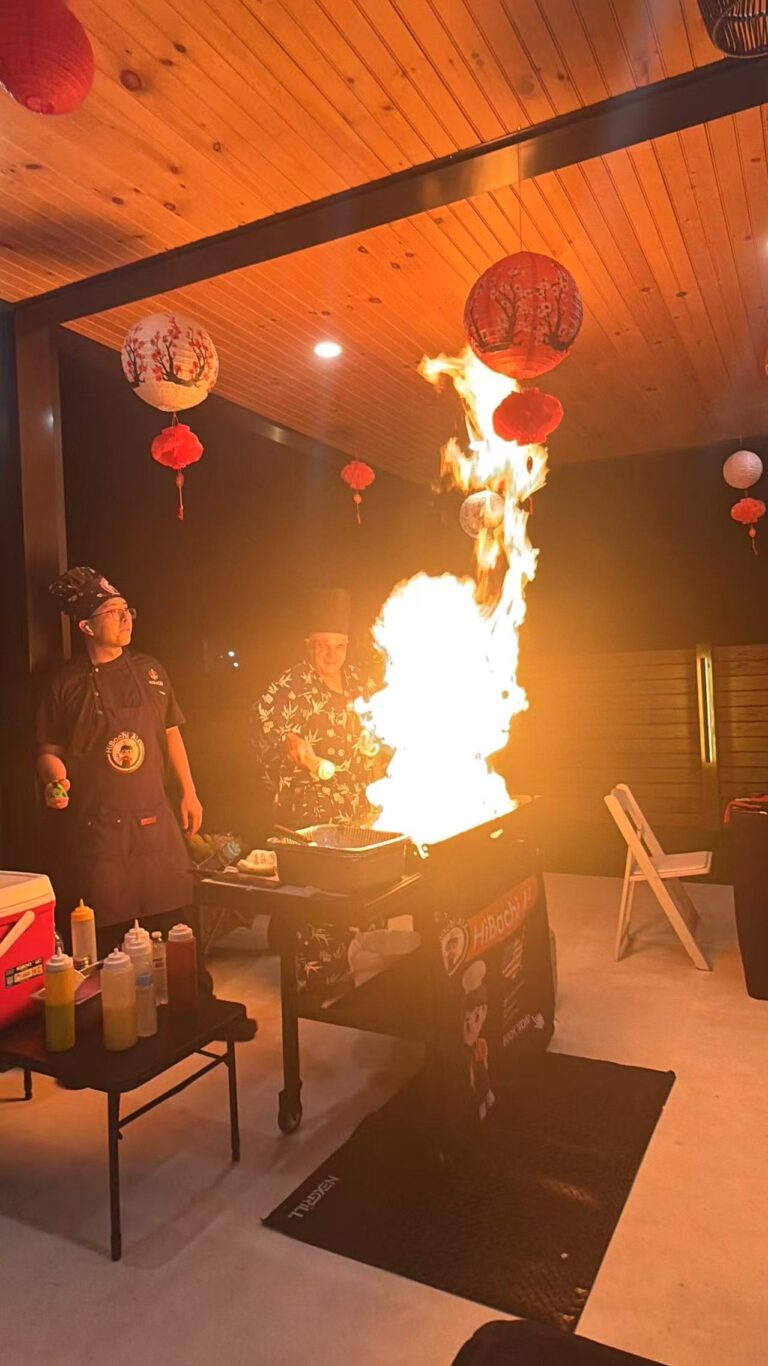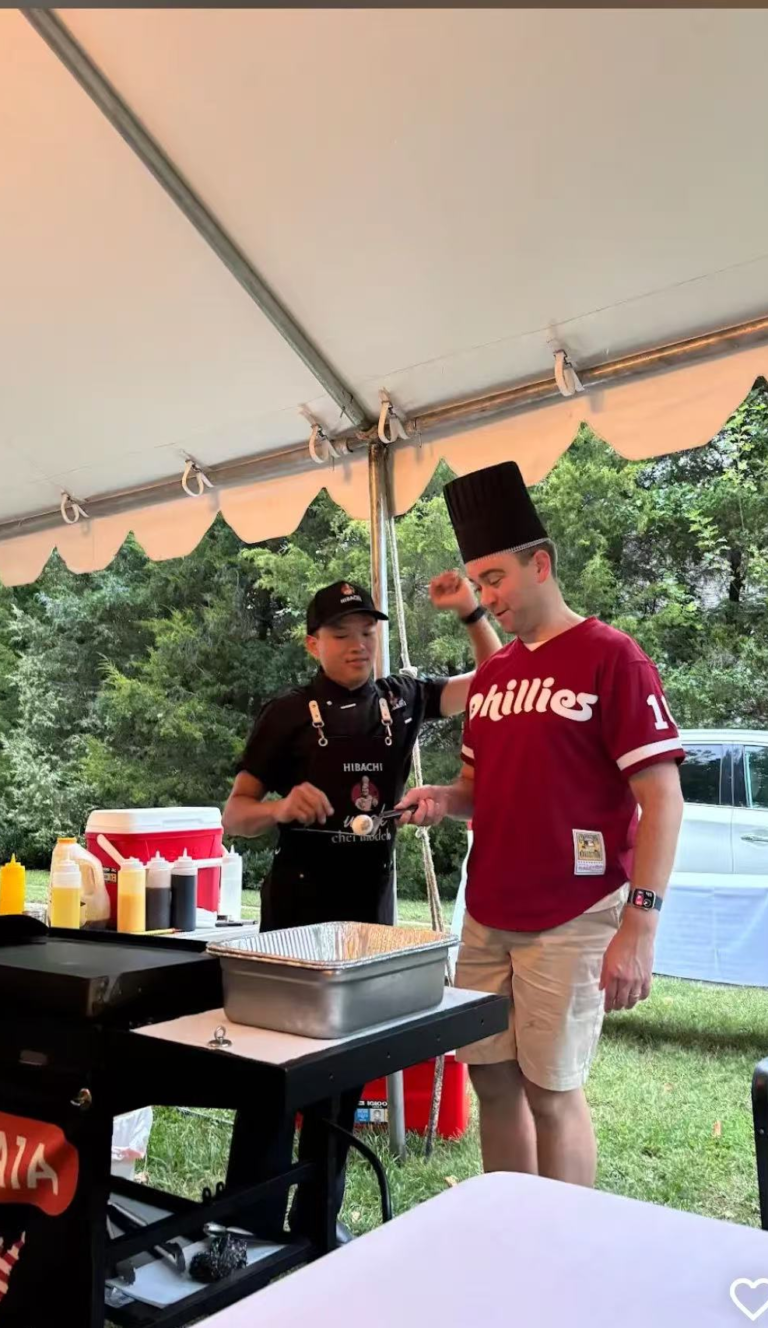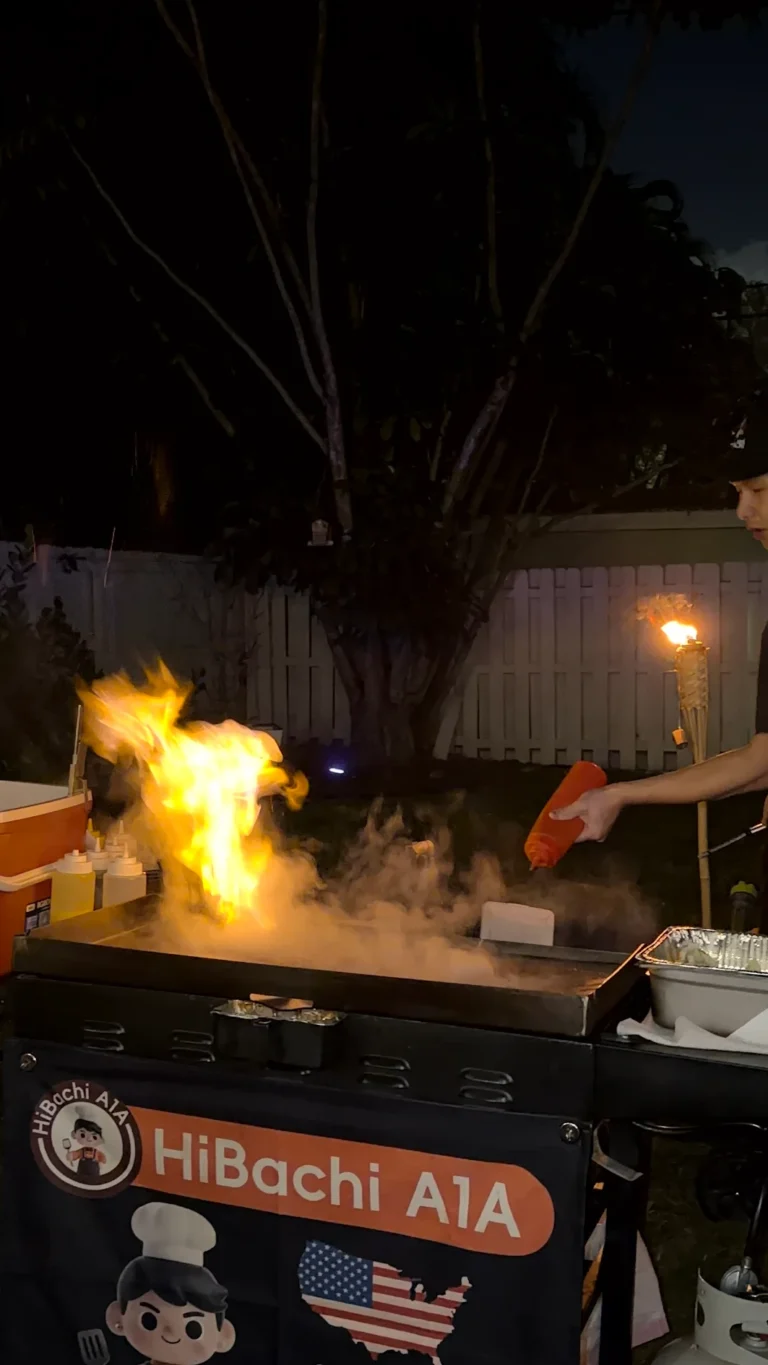
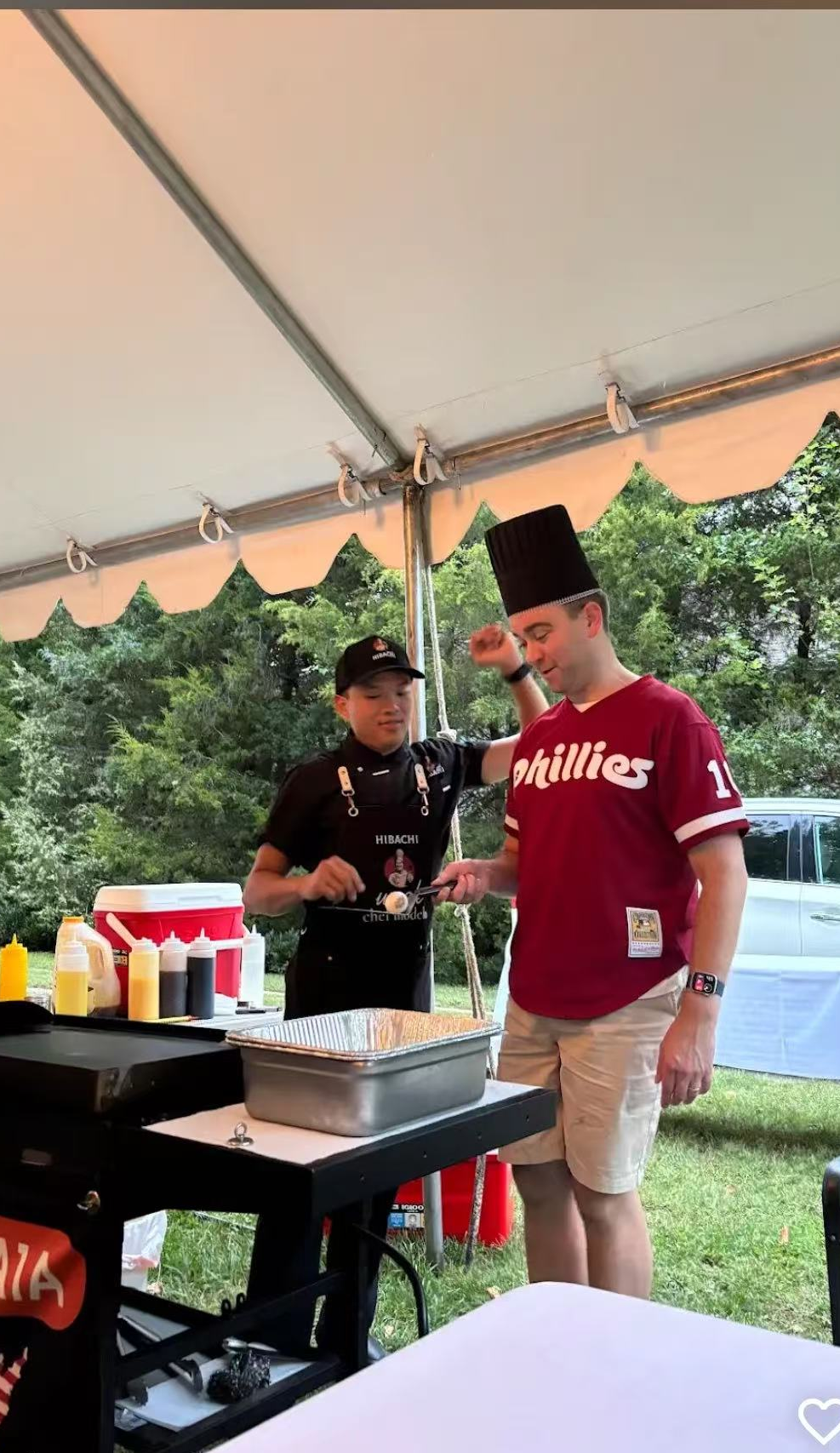
There is something undeniably theatrical about hibachi cooking. The flaming onion volcano, the flying shrimp that lands neatly on your plate, the rhythmic clatter of spatulas against steel — it is dinner and a show, rolled into one sizzling experience. But for years, that magic was locked inside restaurant walls. You had to book a table, brave the wait, and share the experience with strangers. Enter the mobile catering revolution, and more specifically, the expertise of [ Hibachi A1A] , which has redefined what it means to enjoy hibachi without ever leaving your driveway. Planning a dinner at home with a mobile hibachi chef isn’t just about convenience; it’s about reclaiming the spectacle, customizing every detail, and turning a Tuesday night into an event worth remembering. This article will walk you through the essential steps of planning that dinner — from menu selection to seating logistics — so that your at-home hibachi experience feels effortless, professional, and utterly unforgettable.
Step One: Define the Occasion and Guest Count Before You Book
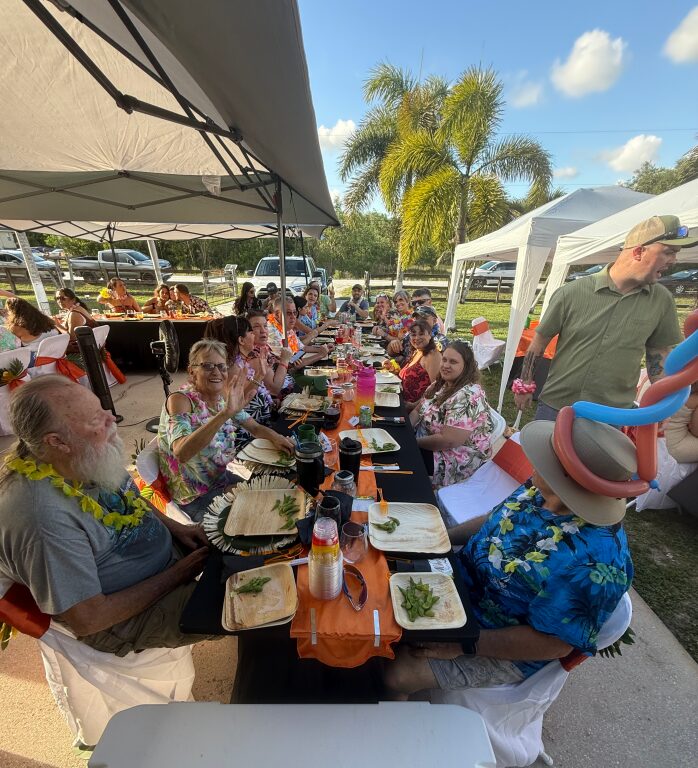
The first and most critical step in planning your hibachi dinner is not the food — it’s the guest list. Mobile catering with [Hibachi A1A] operates on a per-person or per-table model, and knowing your numbers early allows the chef to prepare the right amount of protein, vegetables, and rice without waste. Are you hosting a birthday dinner for six? A family reunion for twenty? A corporate team-building night for fifteen? Each scenario changes the setup. For smaller groups (under eight), you can often sit everyone around a single flat-top griddle, creating that intimate, interactive vibe. For larger parties, you may need multiple cooking stations or a staggered schedule. The beauty of mobile catering is flexibility — but that flexibility only works if you communicate your headcount and the nature of the event during the booking process. Also, consider the age range of your guests. Children love the “shrimp toss” and the fire show, but they may not appreciate spicy sauces or sake-infused marinades. Plan your menu with a mix of mild and adventurous options, and always ask about dietary restrictions (gluten-free soy sauce, vegetarian tofu, etc.) in advance. [Hibachi A1A] offers customizable protein boxes — chicken, steak, scallops, lobster, and vegetable medleys — but they need at least 48 hours’ notice to source the freshest ingredients for your specific crowd.
Step Two: Design Your Menu Like a Chef — Not a Restaurant Menu
When you dine at a hibachi restaurant, you pick from a fixed list: hibachi chicken, hibachi steak, maybe a combo. But when you bring mobile catering home, the menu becomes a canvas. Start by thinking about the flow of the meal. Do you want a light appetizer served before the chef begins? Many [Hibachi A1A] packages include a simple ginger salad or miso soup, but you can also request a custom appetizer station — edamame, tempura shrimp, or even a sushi platter from a partner vendor. Next, choose your proteins. A common mistake is over-ordering. For a standard hibachi dinner, plan on 6–8 ounces of protein per adult, plus extra rice and vegetables. If you’re mixing proteins (half chicken, half steak), the chef can cook them sequentially on separate sections of the griddle to avoid flavor crossover. Don’t forget the “show” elements: request the onion volcano, the egg toss, and the zucchini boat. These aren’t just gimmicks — they’re pacing tools that give guests time to savor each course while the chef builds anticipation for the next. Finally, consider dessert. Most mobile hibachi services do not include dessert, but you can coordinate with [Hibachi A1A] to have a plated dessert (like fried bananas with ice cream) prepared on the griddle after the main course. This is a crowd-pleaser and adds a sweet conclusion to the performance.
Step Three: Master the Logistics — Space, Ventilation, and Safety
Now comes the part that most home hosts underestimate: the physical setup. A hibachi chef from [Hibachi A1A] brings their own portable propane griddle, which is roughly the size of a large coffee table. You’ll need a flat, stable surface that can withstand high heat — a patio, a concrete driveway, or a well-ventilated garage. Never place the griddle on wooden decking without a heat-resistant mat; the radiant heat can damage the surface. Equally important is clearance. Guests will be sitting within arm’s reach of the griddle, so you need at least 3 feet of open space on all sides to allow the chef to move freely, flip utensils, and perform the classic “spatula toss” without hitting anyone. Ventilation is another non-negotiable. The griddle produces smoke and grease particles, so indoor setups require open windows and exhaust fans. If you’re planning an indoor hibachi dinner (which is possible in a large kitchen or finished basement), ask [Hibachi A1A] about their low-smoke cooking techniques and oil choices. They can use grapeseed oil instead of sesame oil to reduce smoke, but you still need a working range hood. Outdoor setups are simpler, but consider wind direction — you don’t want smoke blowing into your neighbor’s patio or into your guests’ faces. Also, have a fire extinguisher and a first-aid kit nearby, and ensure that children are seated at least 2 feet away from the cooking surface. The chef will provide a safety briefing before starting, but you should also designate a “no-touch zone” for young kids.
Step Four: Create the Ambiance — Lighting, Seating, and Timing
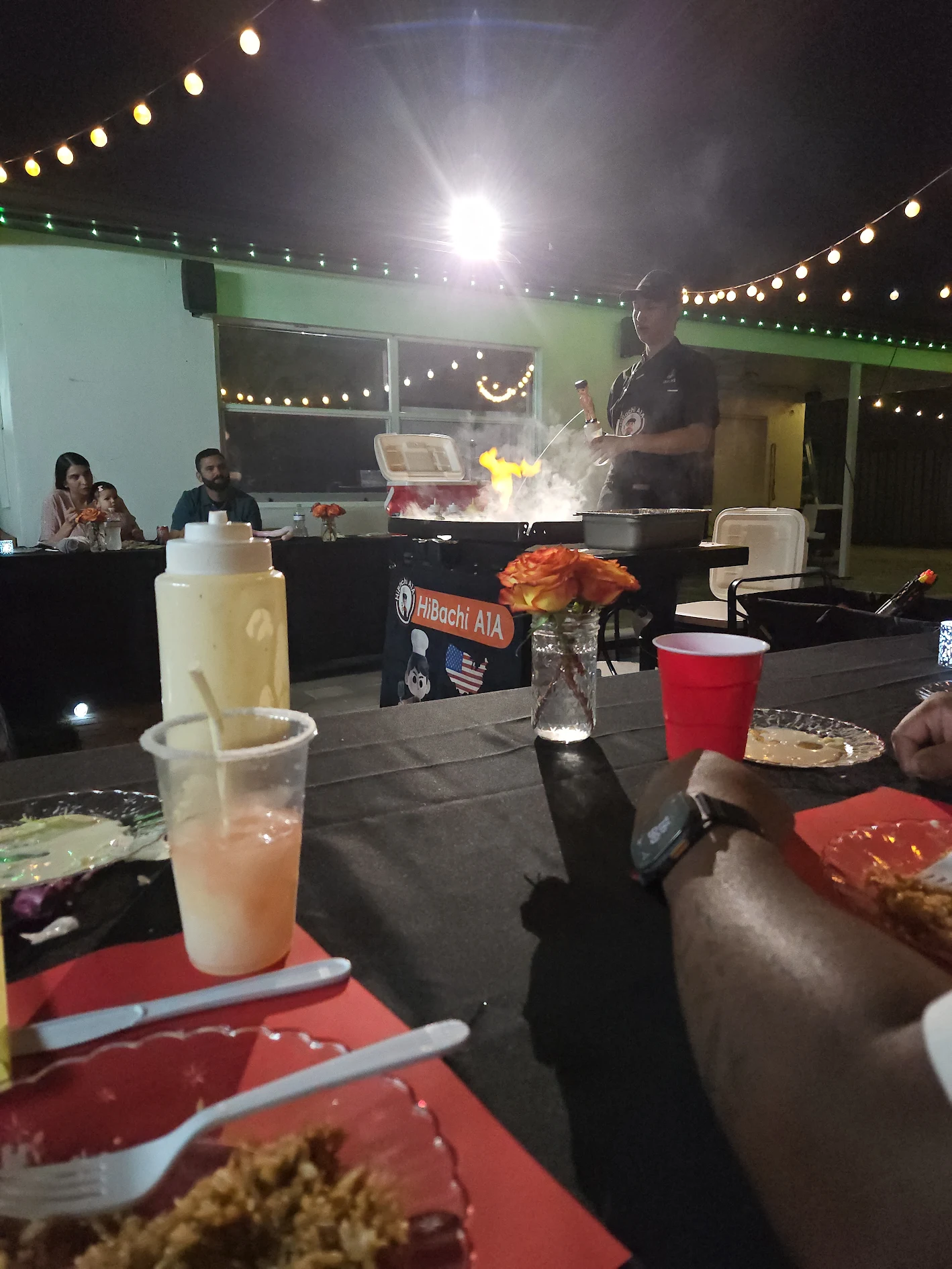
Hibachi is as much about the vibe as it is about the flavor. Since the chef is the entertainer, your job is to frame the stage. If you’re hosting outdoors, schedule the dinner for dusk — the flame effects and the glowing griddle look spectacular against fading light. String lights or lanterns overhead create a festive atmosphere without overwhelming the chef’s own lighting (they often bring a portable LED bar). For seating, use bar-height stools or standard chairs that allow guests to see the griddle top comfortably. Avoid tables with tablecloths that could catch grease; instead, use placemats or disposable bamboo plates. Timing is critical. A typical hibachi dinner for 8–10 people takes about 90 minutes from first flame to last bite. Plan to have appetizers and drinks ready 15 minutes before the chef arrives, so guests are seated and calm when the show begins. The chef will usually arrive 30 minutes early to set up and preheat the griddle. During that window, serve a signature cocktail — perhaps a yuzu margarita or a Japanese whisky highball — to set the tone. Don’t schedule any other activities during the meal; the hibachi performance is the entertainment. After the main course, the chef will clean the griddle quickly, and you can transition to dessert or after-dinner drinks. Finally, remember to tip the chef — 15–20% of the catering fee is standard, and [Hibachi A1A] makes this easy by providing a prepaid gratuity option at booking.
Step Five: The Secret to a Stress-Free Experience — Communication and Backup Plans
Even the best-planned dinner can hit a snag — a sudden rainstorm, a power outage, or a guest with a last-minute allergy. The key is to communicate everything to [Hibachi A1A] in writing before the event. Confirm the exact address, parking access for the chef’s vehicle, and whether there are stairs or uneven surfaces that could affect the griddle transport. Ask about their cancellation and rescheduling policy (most mobile caterers require 72 hours’ notice). Have a backup location in mind: if it rains, can you move to a covered porch or a tented area? If the griddle fails (rare, but possible), does [Hibachi A1A] carry a backup unit? Also, designate a “host buddy” — a friend or family member who can handle logistics on the day (greeting the chef, showing them the setup area, managing trash) while you focus on your guests. The chef will do the cooking, but they are not your event planner; they need a clear point of contact. Finally, plan for leftovers. Hibachi portions are generous, so have eco-friendly takeout containers ready. Guests will be delighted to take home a box of grilled vegetables and fried rice. By handling these details ahead of time, you free yourself to enjoy the evening — and that’s the true purpose of bringing [Hibachi A1A] to your home. You’re not just ordering dinner; you’re commissioning a performance, and a good performance requires a well-rehearsed stage.
Your Home, Their Griddle, One Perfect Night
Planning a hibachi dinner at home with mobile catering is not complicated — but it is deliberate. From counting your guests to designing a menu that balances showmanship and substance, from solving ventilation puzzles to setting the perfect dusk lighting, every choice contributes to the magic. The professionals at [Hibachi A1A] bring the skills, the equipment, and the theatrical flair, but you bring the vision. When you take the time to plan your dinner around the chef’s rhythm, the space’s constraints, and your guests’ preferences, the result is far more than a meal. It becomes a memory — a night when the sizzle was real, the flames danced just for you, and the shrimp landed perfectly on every plate. So pick a date, call [Hibachi A1A] , and start planning. Your driveway has never looked so much like a stage.