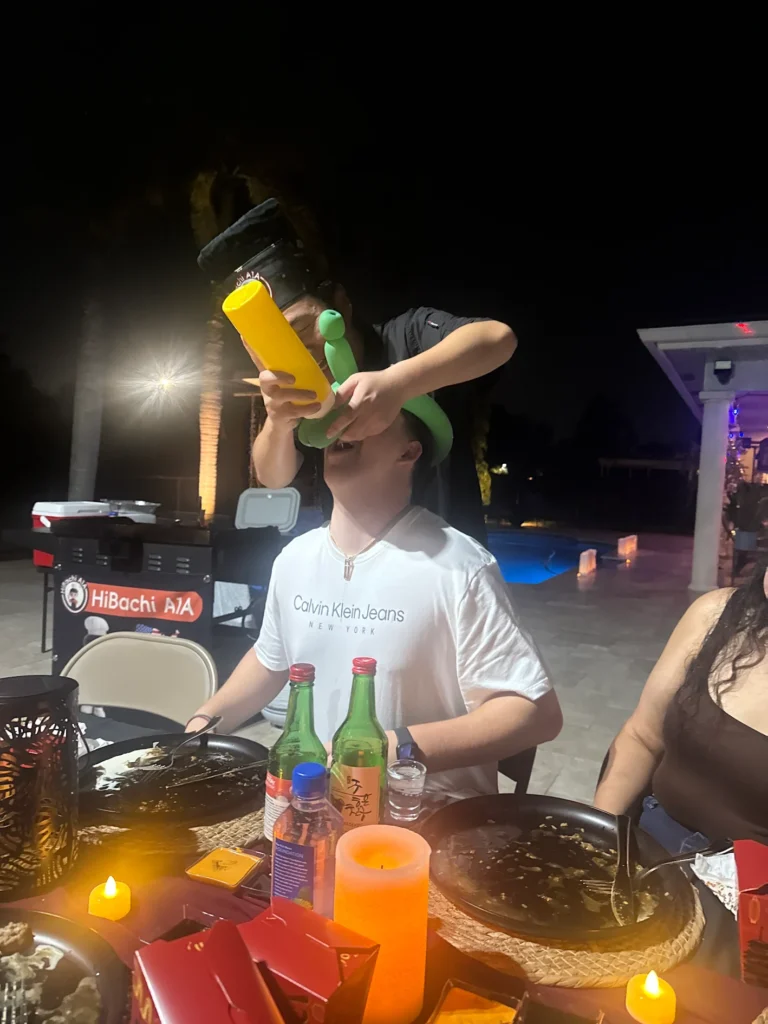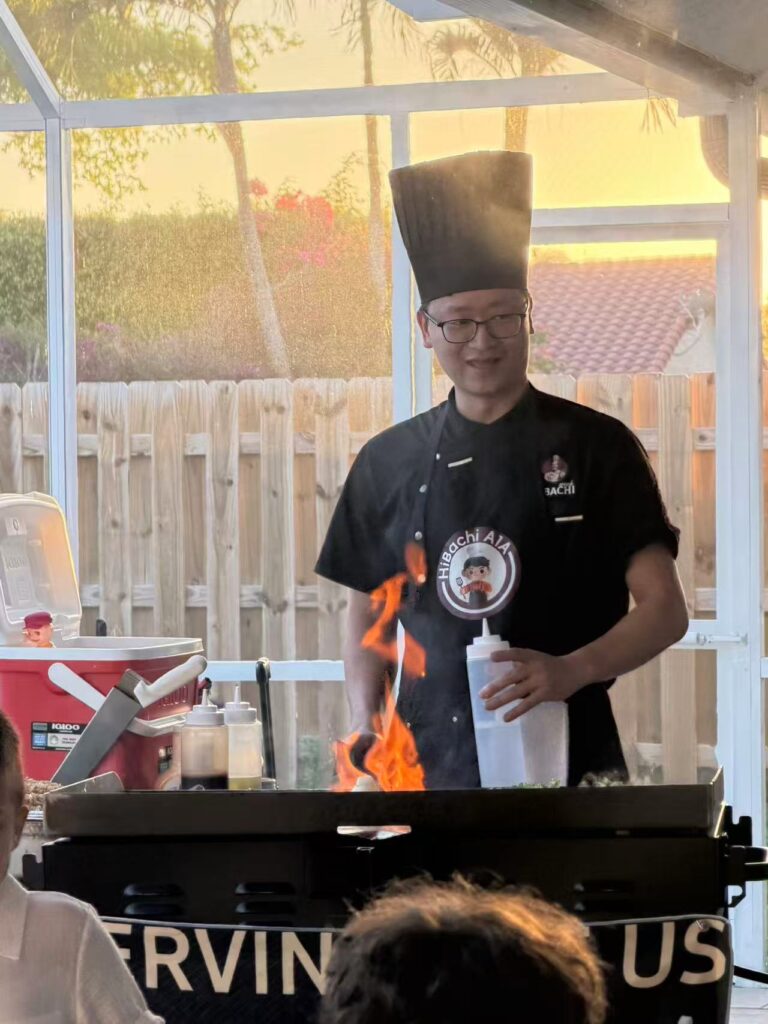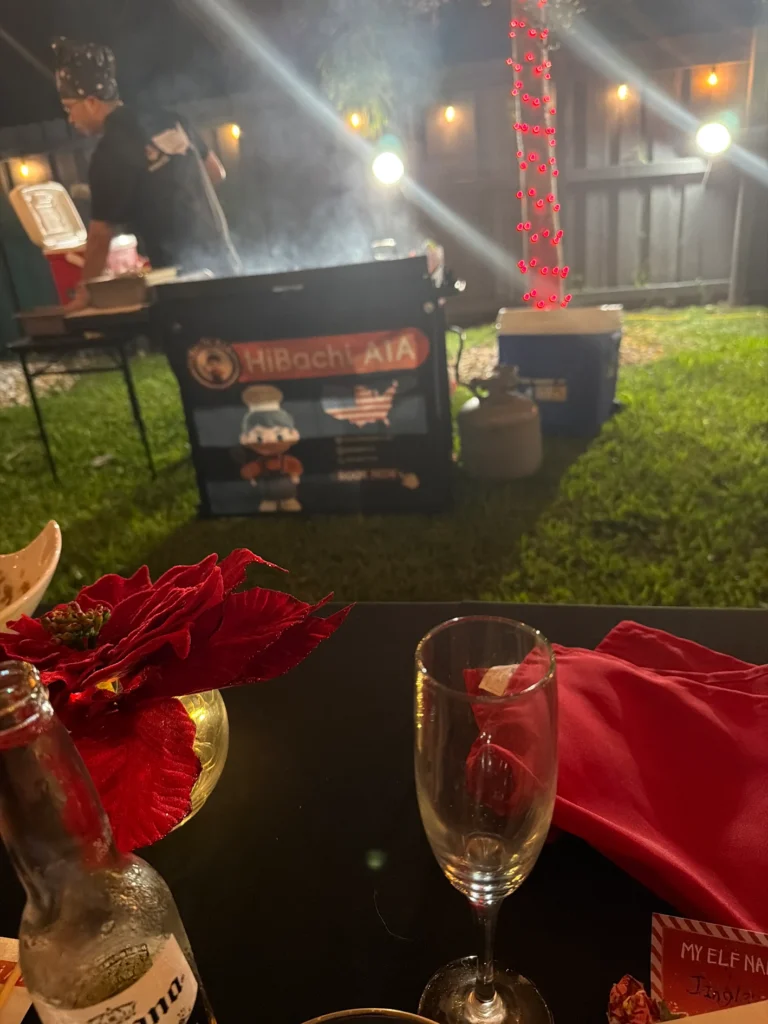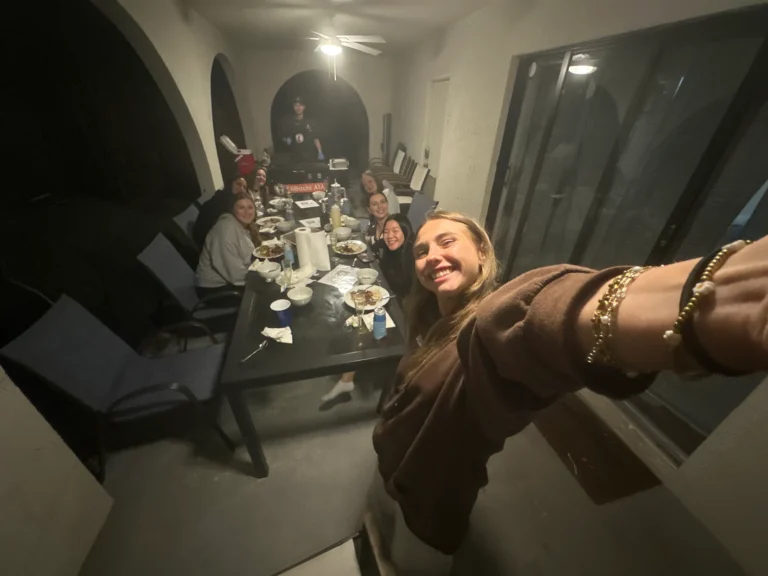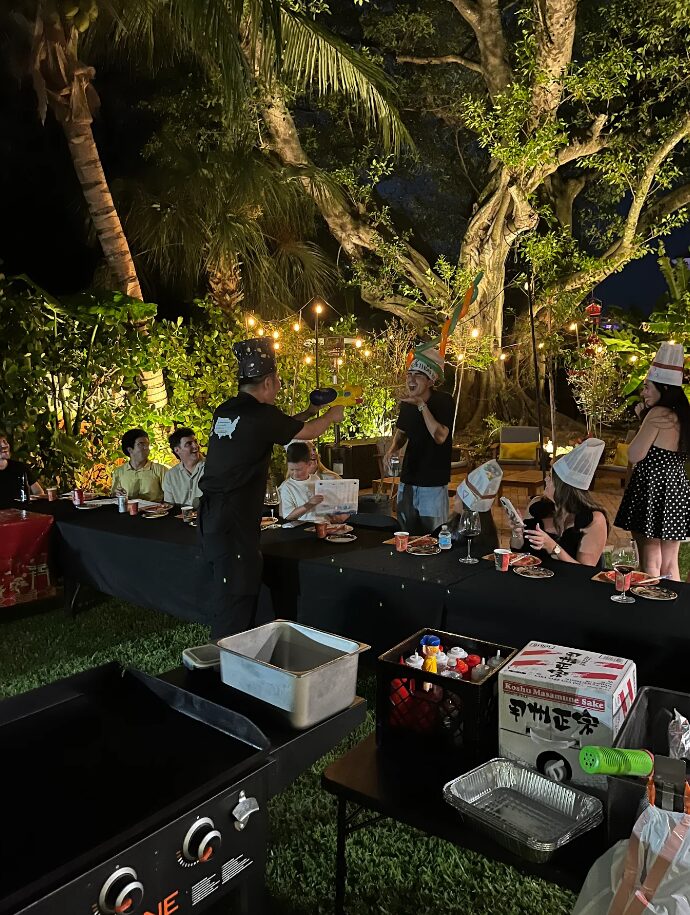
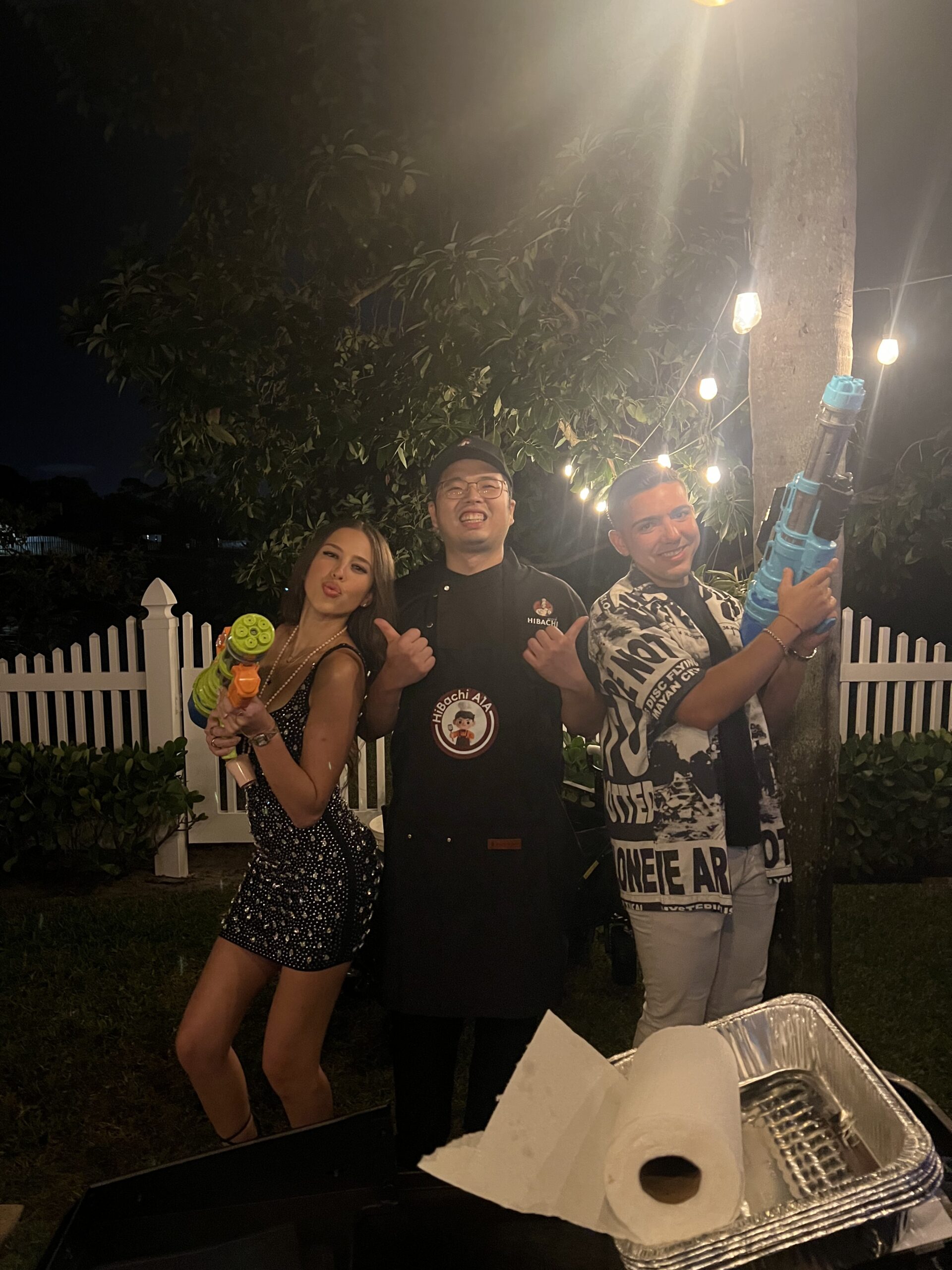
Bringing the sizzle, smoke, and showmanship of a hibachi dinner into your own kitchen might sound like a luxury reserved for special occasions. But the truth is, with a little planning and the right resources, you can host a memorable family hibachi night without burning a hole in your wallet. Whether you’re feeding a family of four or hosting a small gathering, the key lies in smart ingredient choices, efficient cooking techniques, and leveraging services like Hibachi A1A that specialize in making at-home hibachi both affordable and authentic.
Why Home Hibachi Beats Restaurant Pricing
Let’s face it: a typical hibachi restaurant bill for a family can easily exceed $100, especially with appetizers, drinks, and the ubiquitous fried rice surcharge. The theatrical cooking and premium cuts of steak or lobster drive up costs. But at home, you control the portions, the protein choices, and the extras. By using Hibachi A1A’s curated meal kits, you skip the restaurant markup while still getting the signature sauces and pre-portioned ingredients that mimic the restaurant experience. Their family?sized packages are designed to serve 4?6 people for under $40, making it one of the most cost?effective ways to enjoy hibachi.
Smart Protein Selections for Maximum Savings
One of the biggest expenses at a hibachi restaurant is meat. At home, you can substitute premium cuts with more budget?friendly options without sacrificing flavor. Chicken thighs (boneless, skinless) are a star—they stay juicy on the grill and cost half as much as sirloin. Hibachi A1A’s “Family Chicken Combo” provides pre?marinated thigh strips, saving you time and preventing waste. For a leaner option, use firm tofu or shrimp (buy frozen in bulk when on sale). Another trick: mix proteins. A combination of chicken and shrimp stretches the seafood while keeping the meal interesting.
Vegetables: The Cost?Effective Foundation
Hibachi is famous for its mound of zucchini, onions, mushrooms, and bean sprouts. These vegetables are incredibly cheap, especially when you buy them whole and cut them yourself. A single zucchini, one onion, and a pack of mushrooms can yield enough for a family of four. Hibachi A1A offers a “Veggie Pack” that includes pre?sliced onion, zucchini, and bell pepper—perfect if you’re short on prep time. Their price per serving is still under a dollar. To save even more, substitute bean sprouts with shredded cabbage, which costs pennies per pound and gives a similar crunch.
Making Your Own Yum Yum Sauce Is a Game Changer
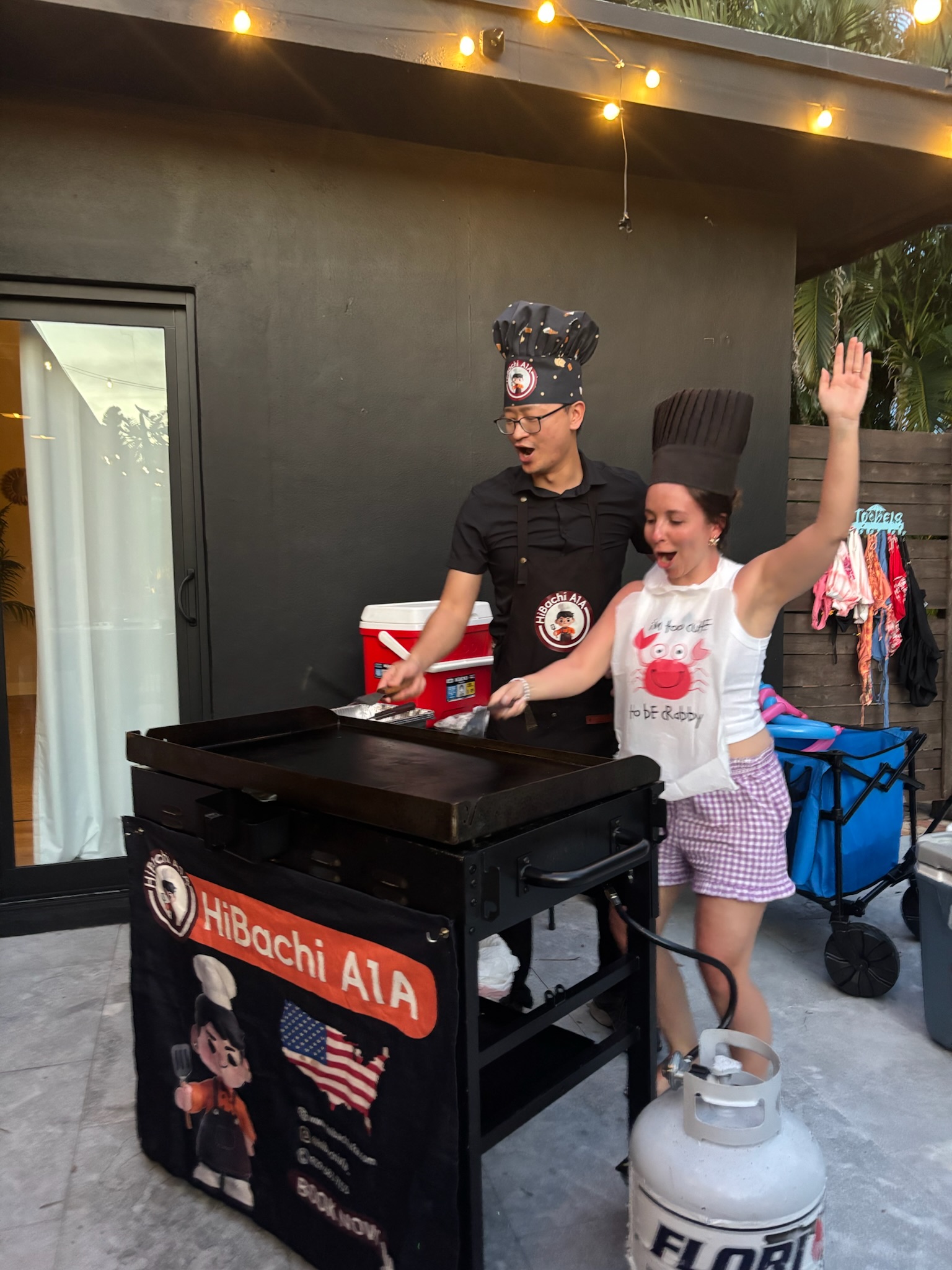
The iconic white sauce (Yum Yum) and ginger dipping sauce are what make hibachi memorable. Restaurant versions often charge extra for extra sauce. Making your own is surprisingly easy and cheap. A basic Yum Yum sauce uses mayonnaise, ketchup, garlic powder, sugar, and a splash of melted butter. For about $2 you can produce enough for an entire family. Hibachi A1A shares their official sauce recipes on their website, and they also sell pre?mixed sauce packets for around $3 per family pack—still a fraction of what you’d pay at the restaurant. The ginger sauce can be made from soy sauce, rice vinegar, fresh ginger, and a drop of sesame oil.
Rice and Noodles: Bulk Staples That Keep Costs Low
Hibachi fried rice and yakisoba noodles are the backbone of any meal. White rice is one of the cheapest ingredients you can buy. A 5?pound bag costs about $4 and makes dozens of servings. For fried rice, use day?old rice (refrigerated overnight) to avoid mushiness. Add a beaten egg, a handful of frozen peas and carrots, and a drizzle of soy sauce. Noodles are equally budget?friendly; a pack of 12 ounces of yakisoba noodles runs under $2. Hibachi A1A’s “Noodle Bundle” includes pre?portion packages with seasoning—perfect for avoiding the need to buy individual bottles of soy sauce, mirin, and sake.
One Pan, One Heat Source: Energy & Time Savings
One of the biggest hidden costs of dinner is cooking energy and time. Hibachi cooking is designed for high heat on a single flat surface. You don’t need a fancy teppanyaki grill; a large cast?iron skillet or an electric griddle works beautifully. By cooking everything in stages—first the protein, then the vegetables, then the rice or noodles—you use only one burner or appliance. This cuts electricity/gas costs and reduces cleanup. Hibachi A1A’s cooking tutorials show you how to use a standard frying pan to achieve restaurant?level results in under 30 minutes.
Batch Cooking and Leftovers Stretch Your Dollar Further
Hibachi meals are highly customizable, and leftovers are a bonus. Cook double the rice and protein, then use the extra for lunch bowls or stir?fries the next day. Hibachi A1A’s family kits come with a suggested meal plan that includes “use?the?next?day” ideas—turning leftover hibachi chicken into tacos or salad toppers. This reduces food waste and maximizes your grocery budget.
Creating the hibachi experience Without the Price Tag
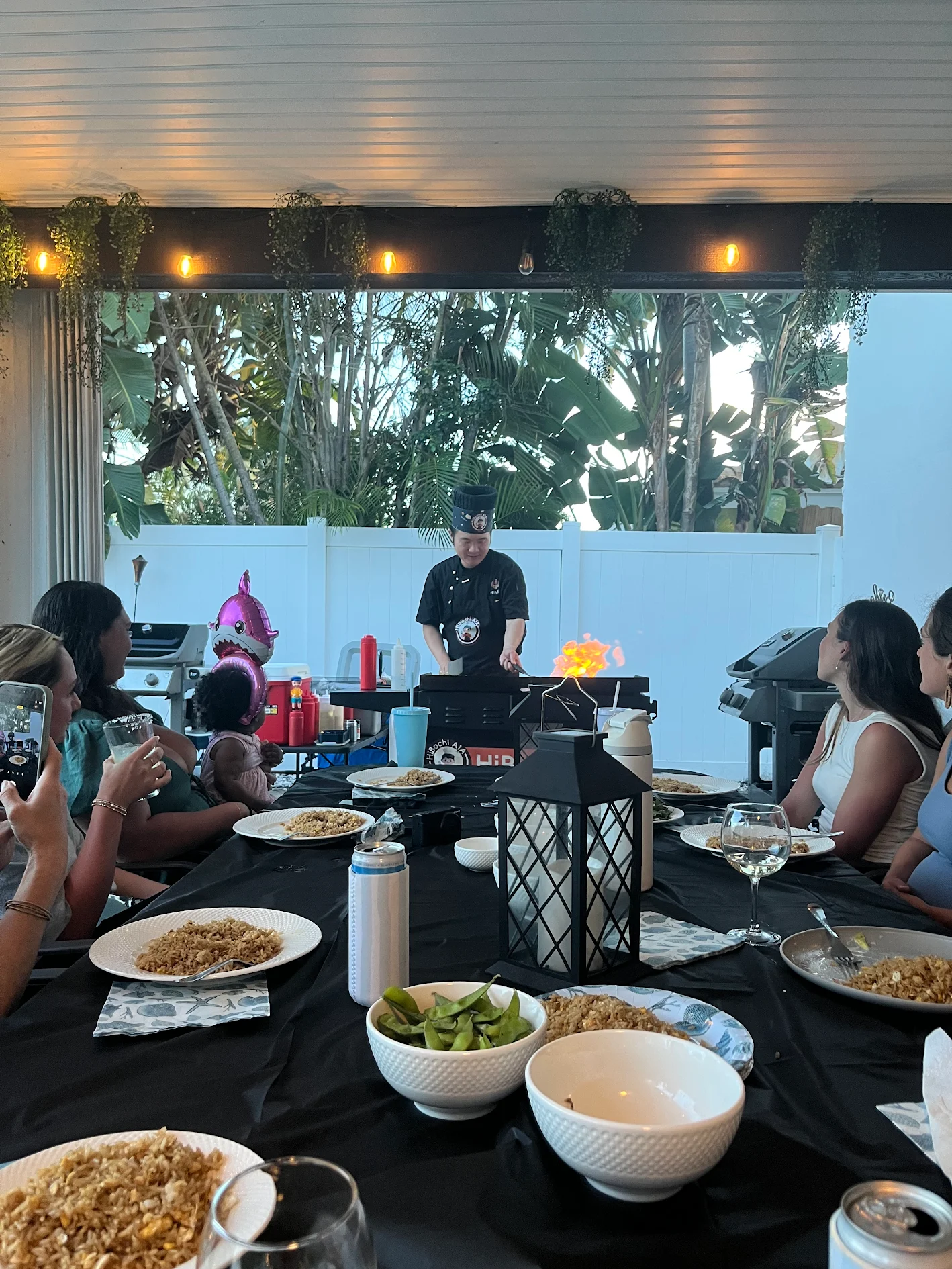
The fun of hibachi isn’t just the food—it’s the performance. You can recreate the sizzling, flipping, and garlic?butter aromas without spending extra. Buy a bottle of soy sauce?based marinade from Hibachi A1A (their “Hibachi Magic Marinade” is $5.99 and lasts for multiple dinners). Use a spatula to “toss” vegetables on the skillet and make a show of it. Set the table with small bowls for dipping sauces and a small teapot for green tea (which costs pennies per bag). The kids will love the interactive element, and you’ll save the 18% tip you’d normally leave at the restaurant.
Hibachi A1A’s Budget?Friendly Commitment
What makes Hibachi A1A stand out is their dedication to affordable family meals. They offer a “Value Menu” online with options starting at $19.99 for a two?person kit (including sauces, protein, and veggies). Their “Family Feast Bundle” feeds six for just $49.99—that’s less than $8.50 per person, with free delivery on orders over $35. They also run “Cooking Class Tuesdays” where you can learn hibachi techniques while earning loyalty points that convert to discounts on future orders. For families on a strict budget, they partner with local grocery chains to provide coupon codes for bulk rice and vegetables.
Final Tips for Keeping Costs Low
– Use frozen vegetables instead of fresh in the off?season—they’re cheaper and equally nutritious.
– Buy large cuts of meat and slice them yourself (chicken breasts, pork loin). Hibachi A1A’s website has a “Slicing 101” video.
– Skip the shrimp and use imitation crab (surimi) for a fraction of the cost—it tastes great in hibachi fried rice.
– Make your own ginger dressing with simple pantry ingredients (soy sauce, oil, ginger, vinegar).
– Plan your hibachi night around sales: check Hibachi A1A’s newsletter for weekly “Flash Sales” on sauce bundles.
Hibachi Night Doesn’t Have to Be a Splurge
A delicious, interactive family hibachi dinner at home is entirely achievable on a modest budget. By choosing affordable proteins, bulk vegetables, and DIY sauces, you cut costs by at least 50% compared to dining out. Adding a service like Hibachi A1A gives you a shortcut: pre?marinated meats, perfectly portioned sauces, and step?by?step guidance that eliminates waste and guesswork. The result is a fun, theatrical meal that feeds the whole family without eating into your savings. So fire up your griddle, grab your spatula, and discover how satisfying—and affordable—home hibachi can be.