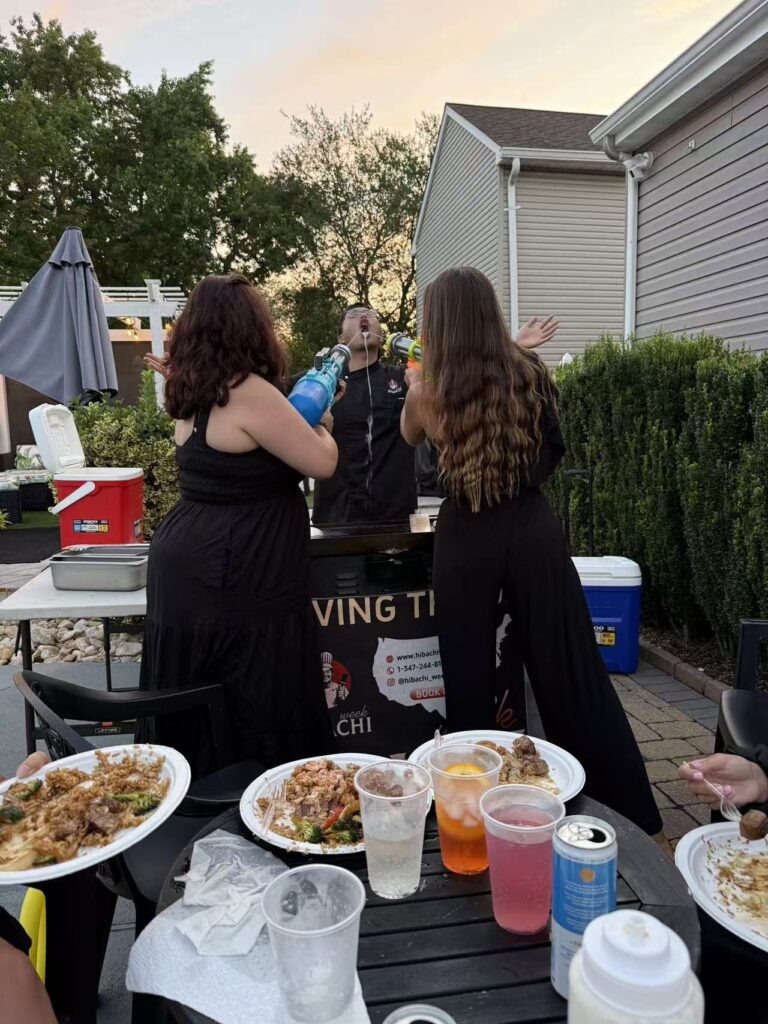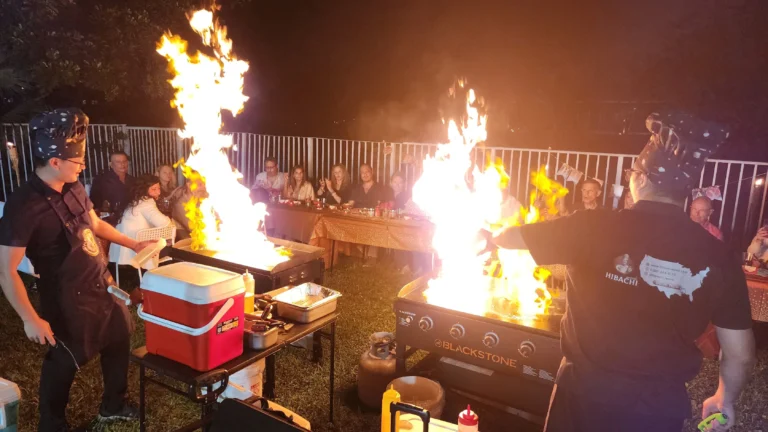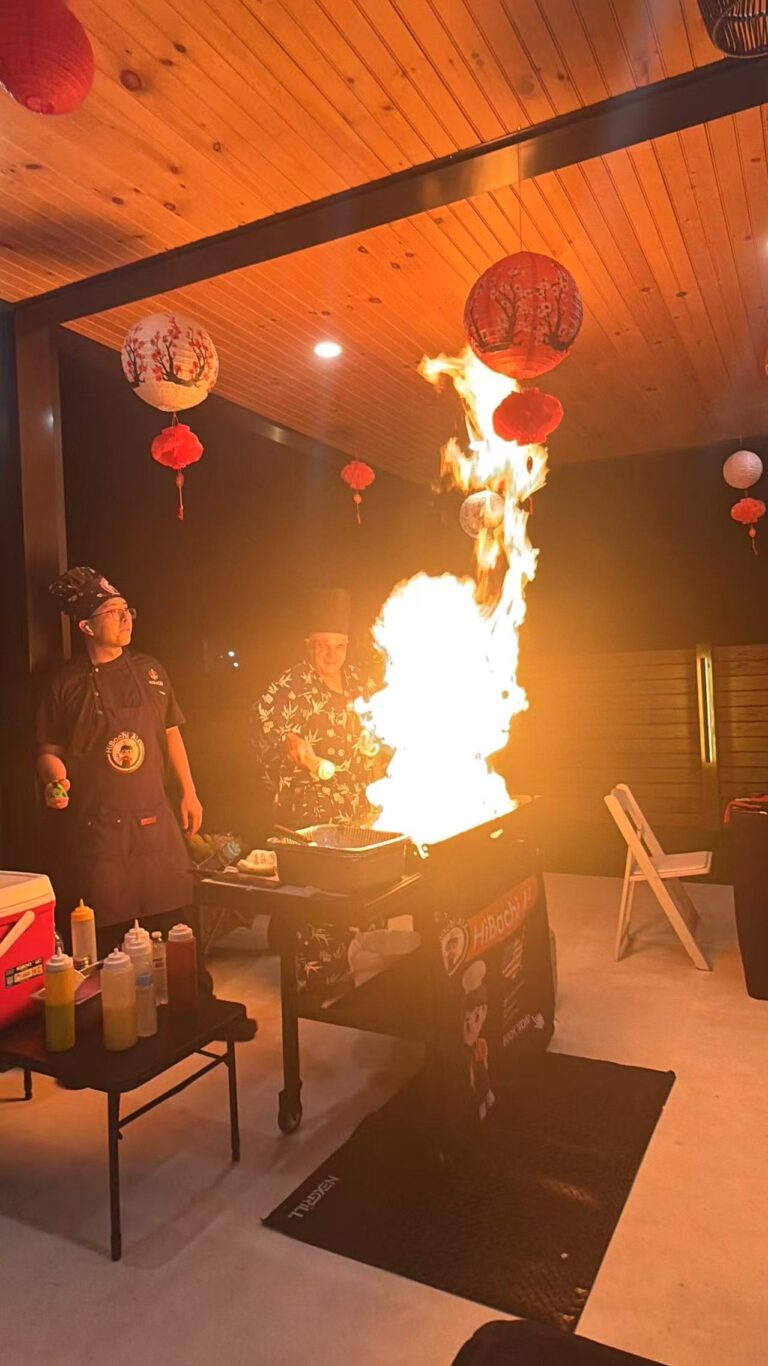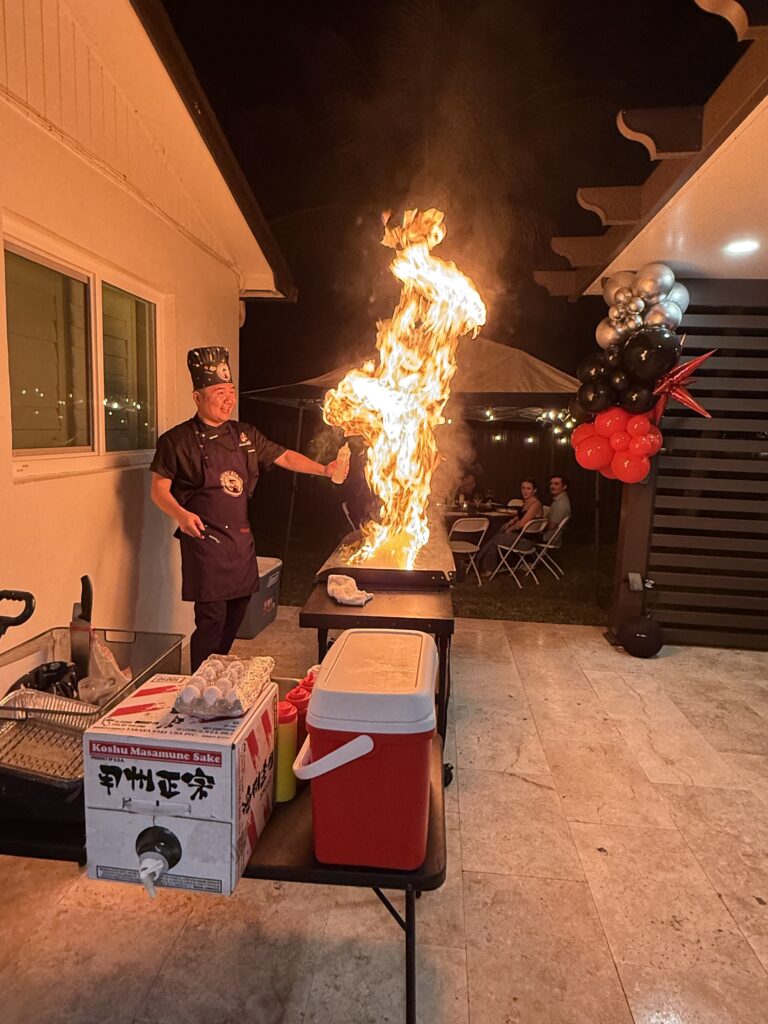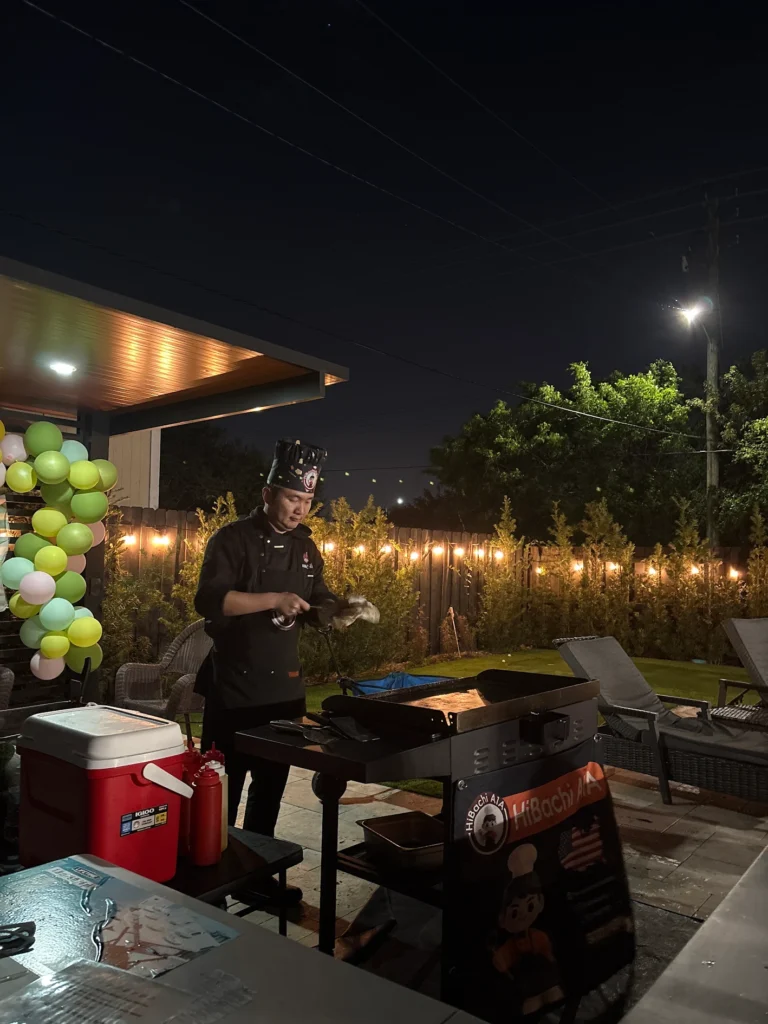
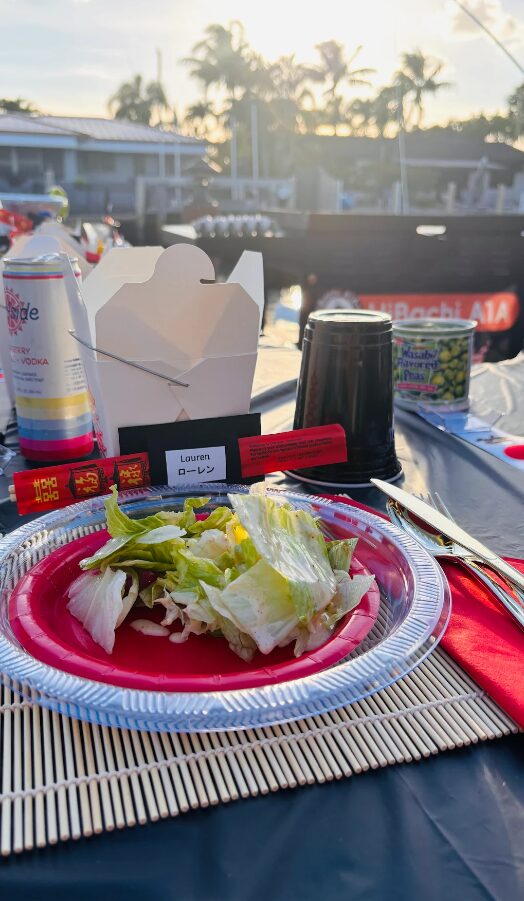
The concept of hiring a hibachi chef to perform in your own home has gained substantial traction, offering a unique synthesis of entertainment, culinary artistry, and personalized service. Unlike traditional restaurant dining, an at-home experience eliminates travel and enhances intimacy, but the cost is not fixed. It is influenced by a constellation of factors ranging from the chef’s skill set to the logistics of the event. For clients exploring providers like Hibachi A1A, understanding these cost variables is the first step in aligning expectations with budget. The price reflects not just a meal but a curated performance involving specialized talent, premium ingredients, and tailored service. This article dissects the primary elements that dictate pricing, empowering you to make informed decisions when planning your next hibachi party.
Chef Expertise and Professional Standing
Skill Level and Culinary Credentials
The chef’s background is arguably the most significant price determinant. A true teppanyaki master invests years in honing techniques such as precise knife work, balance, and theatrical flair—from flipping shrimp into hats to creating onion volcanoes. Chefs with formal training from culinary institutes or apprenticeships under renowned mentors command higher fees due to their proven ability to deliver both flavor and spectacle. Providers like Hibachi A1A carefully vet their talent, meaning their roster often includes seasoned professionals whose rates reflect their expertise. A novice chef may offer lower prices, but the quality of showmanship and taste can vary, making investment in a skilled chef a worthwhile trade-off for an unforgettable evening.
Reputation and Scheduling Demand
Market dynamics also play a role. Chefs with strong online reviews, a portfolio of high-profile events, or a local fan base can charge a premium for their services. Their calendars often fill quickly, especially on weekends and holidays, creating a supply-and-demand effect that drives up costs. Conversely, booking a chef on a weekday or during off-peak seasons may yield more competitive rates. Hibachi A1A manages a network of chefs with varied availability, but the higher the demand for a particular chef, the more you may pay. This reputation premium ensures you are hiring a entertainer who guarantees a lively atmosphere.
Ingredient Quality and Sourcing Complexity
Premium Ingredients and Specialty Items
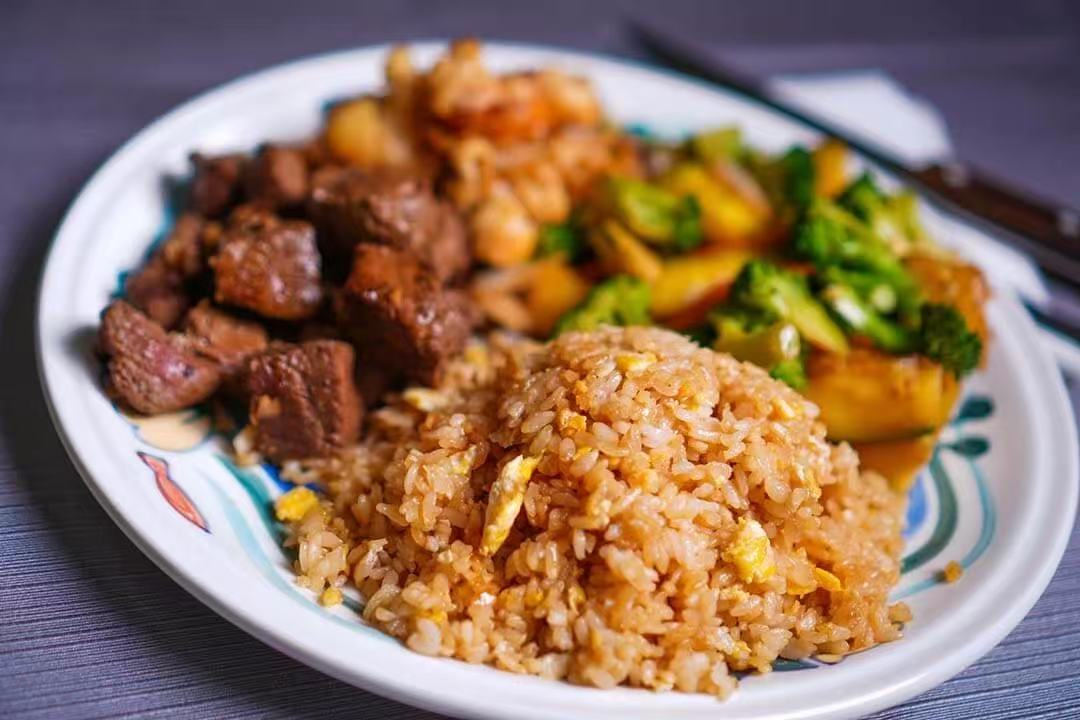
The raw ingredients are a direct cost passed to the client. Basic menus featuring chicken, vegetables, and rice are naturally more affordable than those spotlighting wagyu beef, king crab, or sashimi-grade fish. Organic and locally sourced items further elevate costs due to their shorter supply chains and production standards. For instance, a chef from Hibachi A1A may use grass-fed butter, artisanal soy sauce, or fresh truffle oil, which significantly enriches the flavor profile but also increases the bill. Clients seeking dietary accommodations, such as gluten-free or keto-friendly meals, may incur additional charges for specialized alternatives.
Seasonal Availability and Logistics
Seafood and produce prices fluctuate based on seasonality. Asparagus in winter or wild salmon in peak season can be expensive. Chefs often pre-shop for the freshest options, and these transactional costs are factored into the total quote. Additionally, if a client requests rare items like uni (sea urchin) or Kobe beef, the chef must arrange for specialty sourcing, which adds both ingredient and handling fees. Hibachi A1A handles procurement transparently, but these variables mean your menu choices directly influence the final price.
Event Duration, Scale, and Customization
Guest Count and Per-Person Pricing
Most hibachi experiences are priced per person, with base rates covering a standard menu and duration. Larger groups often benefit from economies of scale, as per-person costs may decrease for parties exceeding a certain threshold. Conversely, intimate dinners for two might carry minimum fees to cover the chef’s time and setup. The total guest count impacts not only food volume but also the intensity of the performance—a larger crowd may require more elaborate tricks or multiple cooking stations, raising the cost. Hibachi A1A typically provides tiered pricing to accommodate various group sizes.
Service Length and Course Complexity
A standard multi-course meal—appetizer, soup, salad, protein, vegetables, and fried rice—takes about 60–90 minutes. Extending the event for additional courses, such as dessert flambés or sake tastings, requires more time and ingredients, thereby increasing the cost. Similarly, highly customized menus with multiple protein options or personalized cooking requests extend labor and preparation time. The chef’s time is a finite resource, and longer events limit their availability for other bookings, so such adjustments are reflected in higher rates.
Location and Logistical Overheads
Travel Distance and Accessibility
Geography plays a critical role in cost calculation. Chefs operating within densely populated urban cores may charge minimal travel fees, while those traveling to remote rural areas or across city boundaries often require compensation for mileage, tolls, and time. Providers like Hibachi A1A typically include travel within a certain radius, but longer distances incur surcharges. If the chef must cross ferry routes or handle traffic-heavy corridors, this logistical overhead is factored into the quote.
Venue and Equipment Requirements
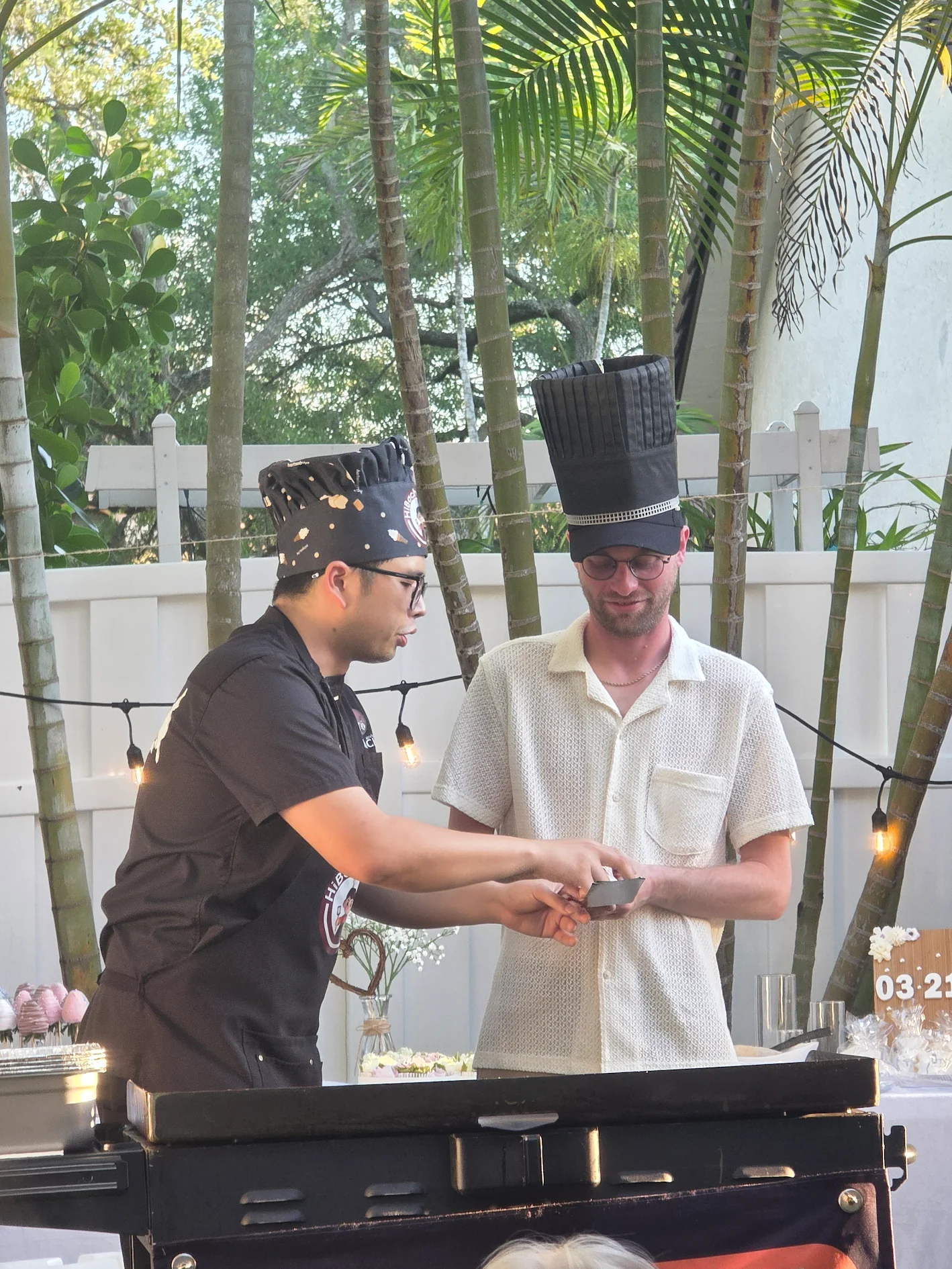
The client’s home setup can also affect pricing. Ideal venues have ample counter space, ventilation, and access to power outlets. If the environment lacks these features, the chef may need to bring additional equipment, such as portable griddles, propane tanks, or specialized tools. Outdoor settings require weather contingencies and may involve extra setup fees. Hibachi A1A offers guidance on preparing the space, but any deviation from standard conditions can increase costs due to the extra gear and labor needed.
Seasonal Trends and Booking Timing
Peak Season Premiums
Holiday periods—such as Christmas, New Year’s Eve, or Thanksgiving—are high-demand windows for in-home celebrations. During these times, chef availability shrinks, and prices often rise significantly. Similarly, summer weekends and graduation seasons see a surge in bookings, allowing chefs to charge a premium. Booking well in advance can sometimes lock in standard rates, while last-minute reservations may include rush fees.
Weekday vs. Weekday Discounts
Less busy periods, such as Tuesday or Wednesday evenings, are often more affordable. Chefs are more likely to offer discounts or flexible pricing to fill their calendar. Hibachi A1A can highlight such opportunities, allowing budget-conscious clients to secure a top-tier chef for less. Planning flexibility is one of the most effective ways to manage costs without sacrificing quality.
Add-On Services and Entertainment Extras
Customized Performances and Dietary Accommodations
Beyond cooking, hibachi chefs bring entertainment through tricks, jokes, and audience participation. While standard performances are included, specialized requests—like custom fire displays, chocolate fountains, or vegetarian-only shows—may require extra planning and materials. Allergen-separate cooking for multiple guests also increases time and ingredient management. Hibachi A1A thrives on personalization, but each unique add-on is priced accordingly.
Drinks, Desserts, and Decor
Some clients opt for inclusive packages that cover beverages, cocktails, or dessert courses. Others arrange for themed decorations or table setups that match a celebration. These extras involve procurement and styling costs, which are layered onto the base price. The more turnkey the service, the higher the fee, as it offsets the convenience for the host.
Final Considerations: Balancing Budget and Experience
Ultimately, the cost of an at-home hibachi chef experience is a composite of multiple elements—talent, ingredients, logistics, and customization. Understanding each component allows you to adjust preferences to align with your budget. For example, choosing a chef with moderate experience can reduce labor costs, while focusing on seasonal produce controls ingredient expenses. Hibachi A1A excels in offering transparent, tiered options that let you prioritize what matters most, whether that is a theatrical performance or a gourmet menu. By evaluating these factors, you can craft an evening that delivers memorable entertainment and exquisite flavors, all within a range that suits your financial comfort. A well-informed choice ensures that the cost reflects genuine value, transforming a simple dinner into a cherished event.