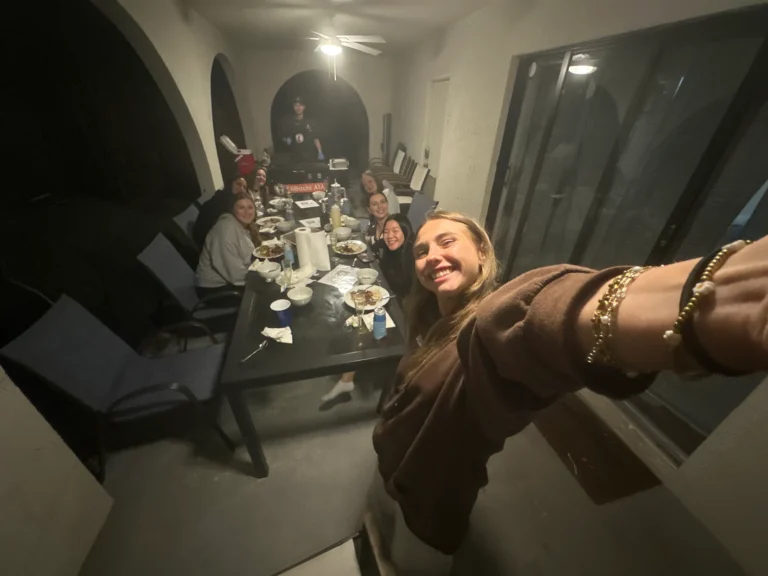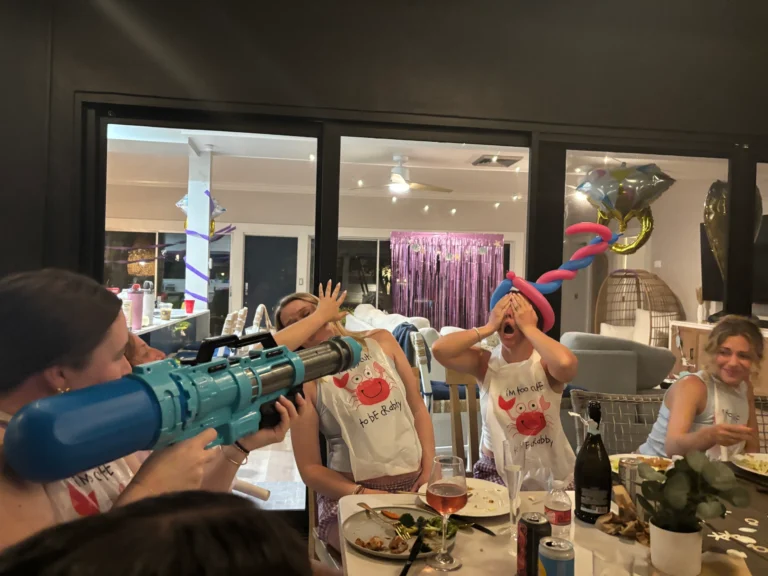
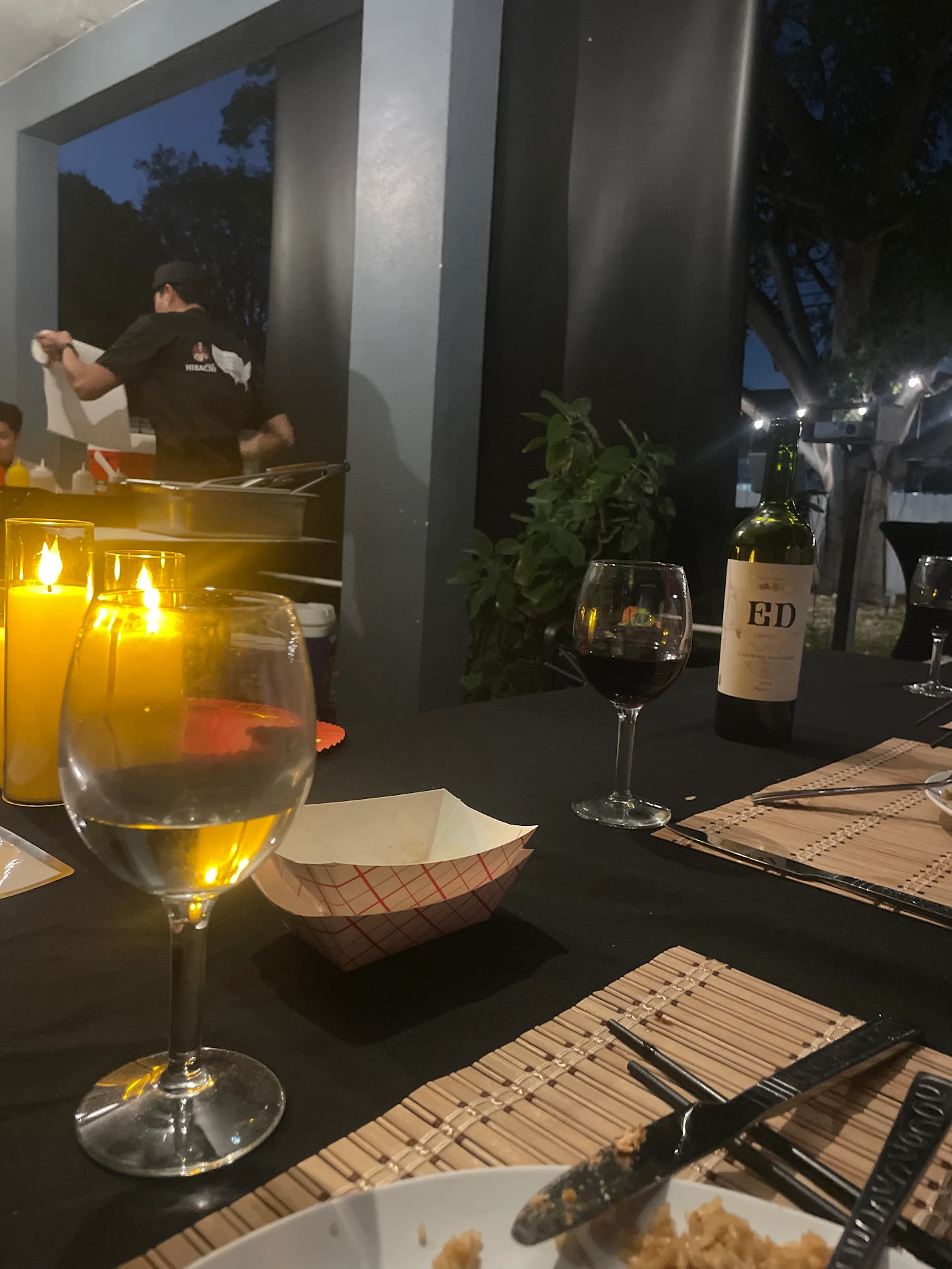
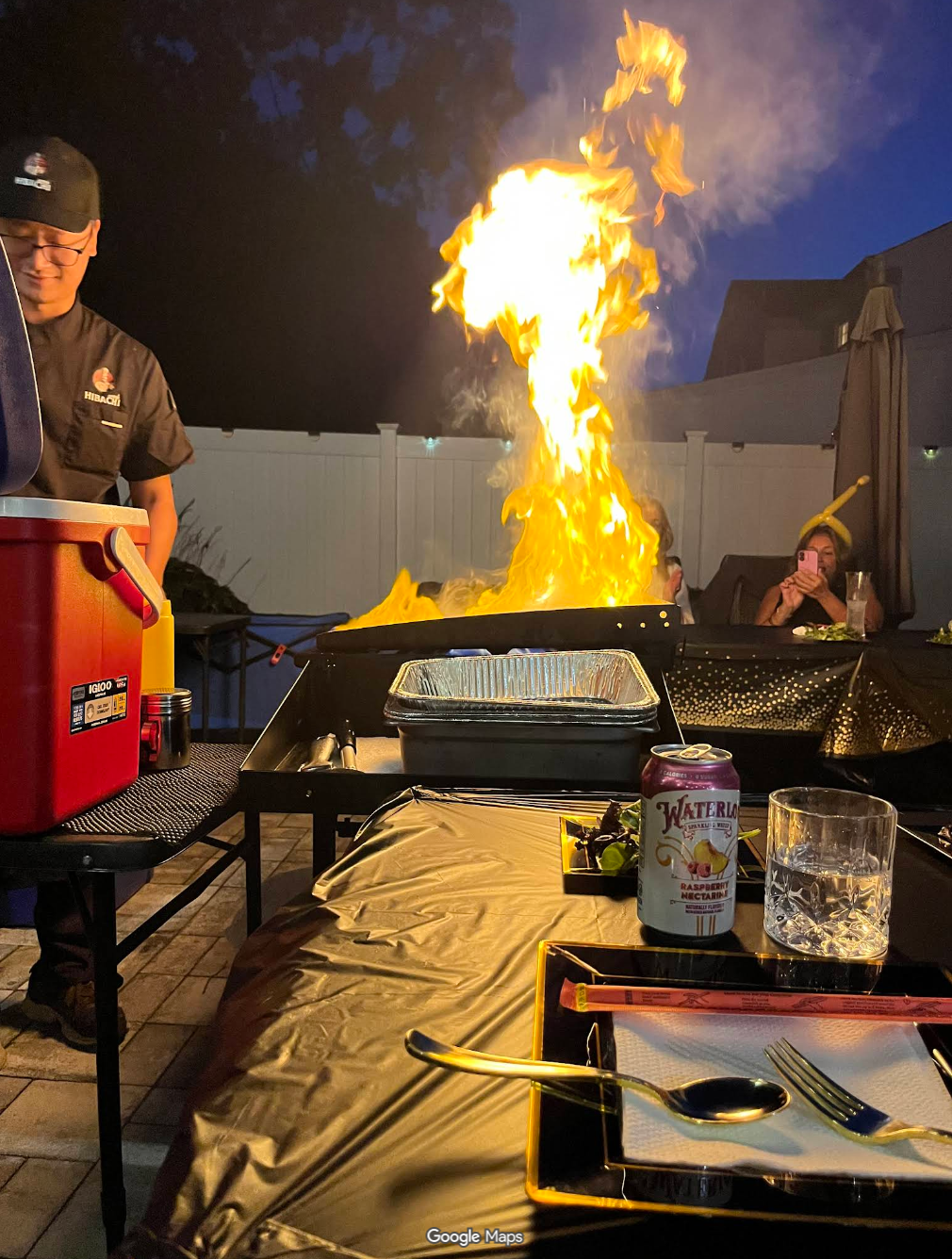
When you picture a hibachi party, you likely imagine a flaming onion volcano, a chef flipping shrimp into your mouth, and the sizzle of teppanyaki grills filling your backyard. But the question that inevitably follows the excitement is: how much does this actually cost? The answer is not a single number, but a sliding scale shaped by guest count, menu complexity, travel distance, and the reputation of the mobile catering service. A professional service like Mobile Catering Hibachi Party At Home Pricing Guide — specifically the operator known as [ Hibachi A1A] — provides transparent tiers, but you need to know what drives those numbers before you book.
The Baseline: Per-Person Pricing Structures
Most mobile hibachi caterers, including [Hibachi A1A], do not charge a flat event fee. Instead, they use a per-person rate that includes the chef, the portable griddle, propane, cooking utensils, and basic condiments. For a standard menu—chicken, steak, shrimp, fried rice, vegetables, and yum yum sauce—you can expect a range of $45 to $75 per guest in most metropolitan areas. Why the gap? The lower end typically reflects a minimum of 20 guests and a menu limited to chicken or pork. The higher end includes premium proteins like filet mignon or lobster tail, plus appetizers such as edamame or gyoza.
Critically, the pricing guide from [Hibachi A1A] breaks down as follows:
– Base package (20-25 guests): $50/guest – includes chicken or beef, standard veggies, rice, and two sauces.
– Premium package (25-40 guests): $65/guest – adds shrimp, scallops, and a soup or salad course.
– Deluxe omakase (40+ guests): $80/guest – chef’s choice of seafood, wagyu option, and a sake pairing station.
These numbers are not arbitrary. They reflect ingredient sourcing, chef labor (typically 2.5 hours of active cooking), and the cost of portable ventilation hoods if you are hosting indoors.
Hidden Fees That Inflate the Invoice
A savvy consumer reads the fine print. The Mobile Catering Hibachi Party At Home Pricing Guide from [Hibachi A1A] lists four additional charges that catch first-time hosts off guard:
Travel and Fuel Surcharge
If your home is more than 25 miles from the caterer’s base, expect a flat fee of $50 to $150, depending on traffic zones. Some providers charge per mile beyond the 25-mile radius, at $2.50/mile. [Hibachi A1A] caps this at $120 for a 40-mile radius, but always ask for a written quote before signing.
Setup and Breakdown Time
Most chefs arrive 45 minutes early to set up the griddle, test propane lines, and prep ingredients. This is not free. Look for a line item called “prep/service window” — typically $75 to $125 on top of the per-person rate. This covers the chef’s time before your guests arrive and the 30 minutes of cleanup after the show.
Indoor Ventilation or Outdoor Permit
If you are hosting in a garage or enclosed patio without proper airflow, the caterer may need to bring a commercial-grade exhaust fan. Rental cost: $85. For outdoor events in certain municipalities (especially HOA communities), a temporary cooking permit is required, which the caterer will file for you—but you pay the $40 filing fee.
Gratuity and Service Charge
Here is where confusion reigns. The pricing guide from [Hibachi A1A] states that a 18% service charge is automatically applied to the food subtotal. This is not the chef’s tip; it covers the booking platform, insurance, and credit card processing. The chef’s gratuity is separate, typically 15-20% of the food total, paid directly in cash or via Venmo at the end of the performance. Failing to budget for this double expense is the most common budget blowout.
How to Lower Your Total Without Sacrificing the Show
The good news: the Mobile Catering Hibachi Party At Home Pricing Guide is negotiable—if you know the levers. First, choose a weekday afternoon slot. Saturday evening prime time (5-8 PM) carries a $200 premium. A Tuesday lunch event reduces the per-person rate by $10 to $15.
Second, consider a dual-protein menu instead of a triple-protein. You pay per ingredient, not per protein count. Chicken and steak cost you the base rate; adding shrimp bumps the per-person cost by $12, and lobster adds $25. Cut the lobster, keep the shrimp, and you save 20% overall.
Third, supply your own beverages and paper goods. Caterers often bundle these, but [Hibachi A1A] allows you to provide your own plates, napkins, and non-alcoholic drinks, removing a $6/guest markup. Alcohol is always BYO—no caterer in this niche carries a liquor license for private homes.
Fourth, ask about a flat-fee option for smaller groups. If you have only 8 to 10 guests, the per-person model penalizes you. Many providers, including [Hibachi A1A], will switch to a flat event fee of $650 to $800 for a 90-minute show, covering the chef, griddle, and ingredients for up to 10 people. This is often cheaper than a strict per-head calculation.
Realistic Budget Examples for 2025
To make the guide tangible, consider three scenarios with [Hibachi A1A]’s published rates:
Scenario A: Backyard Birthday (25 guests, Saturday evening)
– Food at $65/guest: $1,625
– Service charge (18%): $292.50
– Travel (10 miles, no fee): $0
– Setup window: $100
– Chef tip (18% of food): $292.50
– Total: $2,310 (or ~$92/guest)
Scenario B: Intimate Anniversary (8 guests, Thursday afternoon)
– Flat fee: $750
– No service charge (waived for flat fee)
– Travel (within 15 miles): $0
– Chef tip (20% of flat fee): $150
– Total: $900 (or ~$112/guest)
Scenario C: Large Corporate Team-Building (45 guests, Friday lunch)
– Food at $80/guest (deluxe): $3,600
– Service charge (18%): $648
– Travel (35 miles): $120
– Ventilation fan: $85
– Chef tip (15% of food): $540
– Total: $4,993 (or ~$111/guest)
Notice the per-guest cost actually rises for smaller groups, which is why you must negotiate the flat fee. For large groups, the per-person rate drops if you exceed 50 guests, as some providers offer a 5% volume discount.
Final Checklist Before You Sign the Contract
A professional mobile hibachi caterer should give you a written itemized quote within 24 hours of your inquiry. Verify these six points before paying a deposit (typically 30-50% of the food subtotal):
1. The per-person price is fixed for your exact menu and guest count, not an estimate.
2. All service charges and taxes are disclosed as separate line items.
3. The travel surcharge is capped, not open-ended.
4. The chef’s gratuity is not automatically added to your card—you control it.
5. The cancellation policy (usually 7 days notice for full refund of deposit) is in writing.
6. The insurance certificate covers property damage and chef liability in your home.
The Mobile Catering Hibachi Party At Home Pricing Guide is not a mystery—it is a transparent document when you work with a reputable operator like [Hibachi A1A]. But the final number you pay depends entirely on your choices: time of day, protein selection, guest count, and your willingness to negotiate. Budget 10% above the quoted figure for unexpected fees, and you will enjoy the fiery show without burning your wallet.