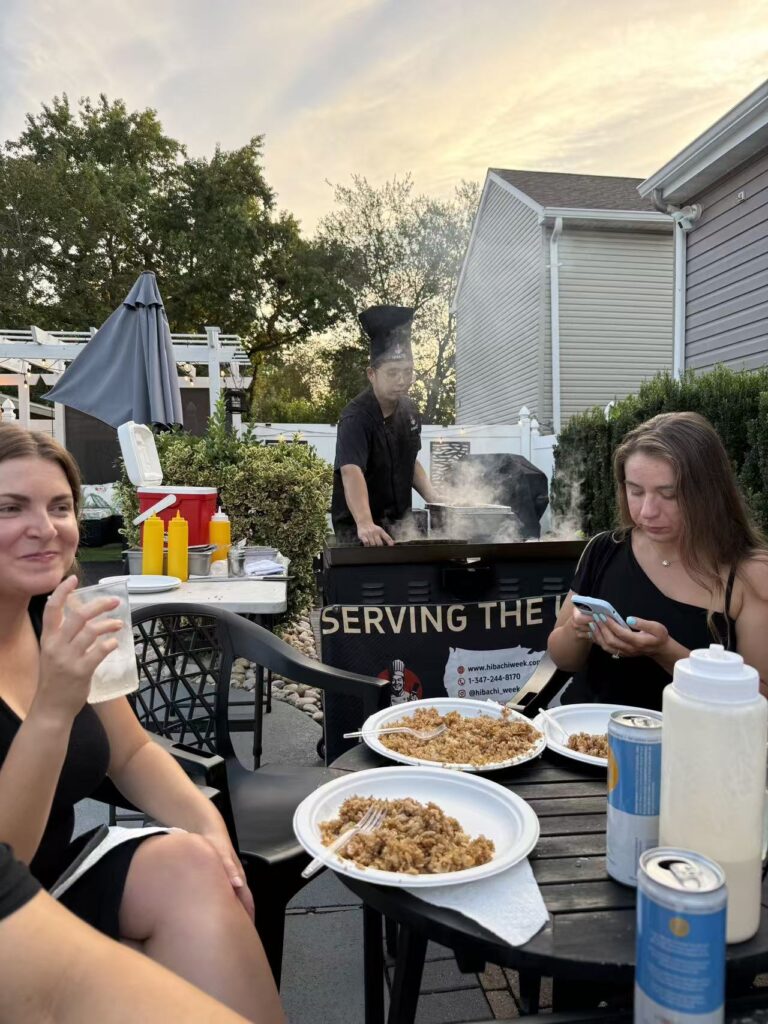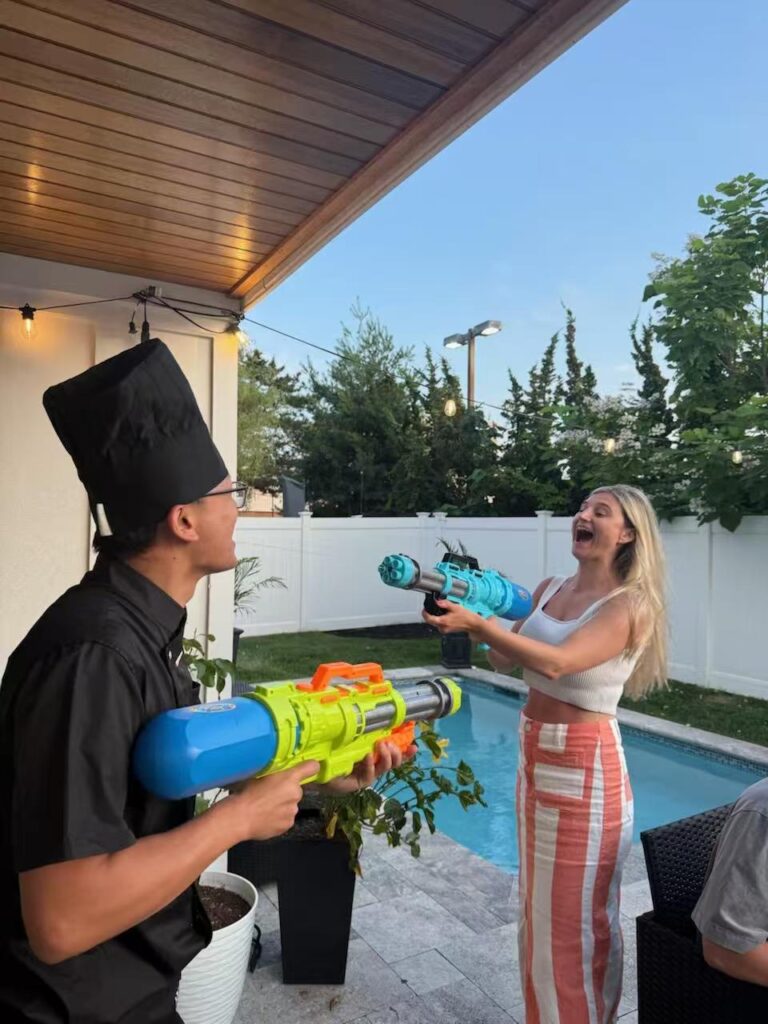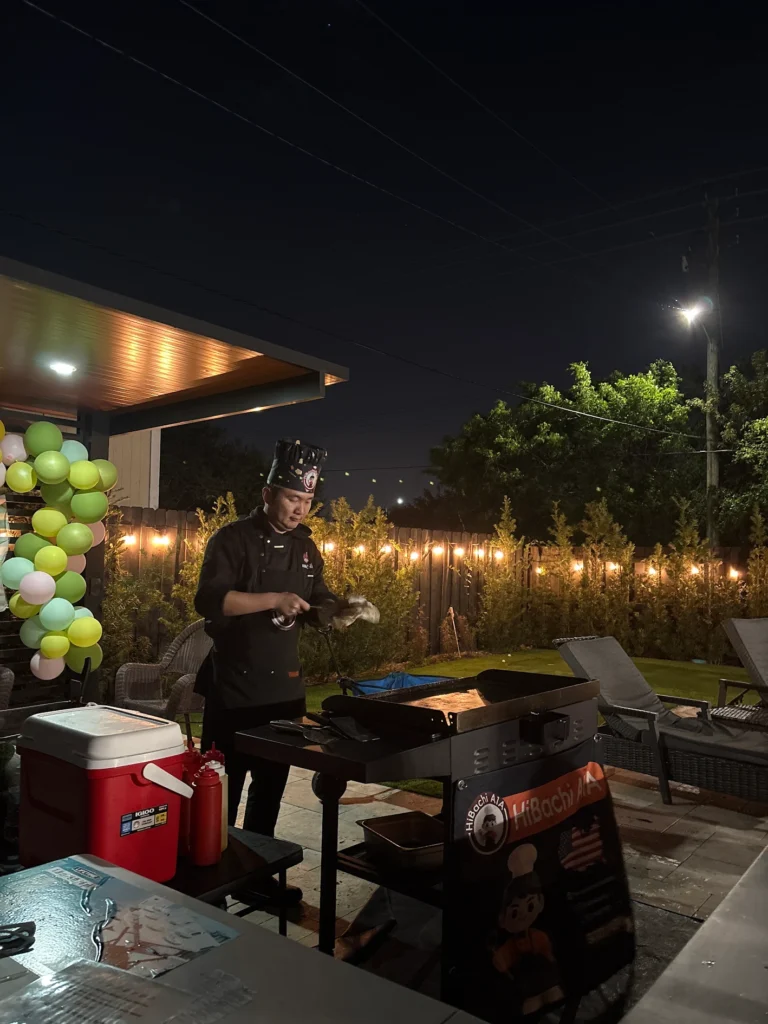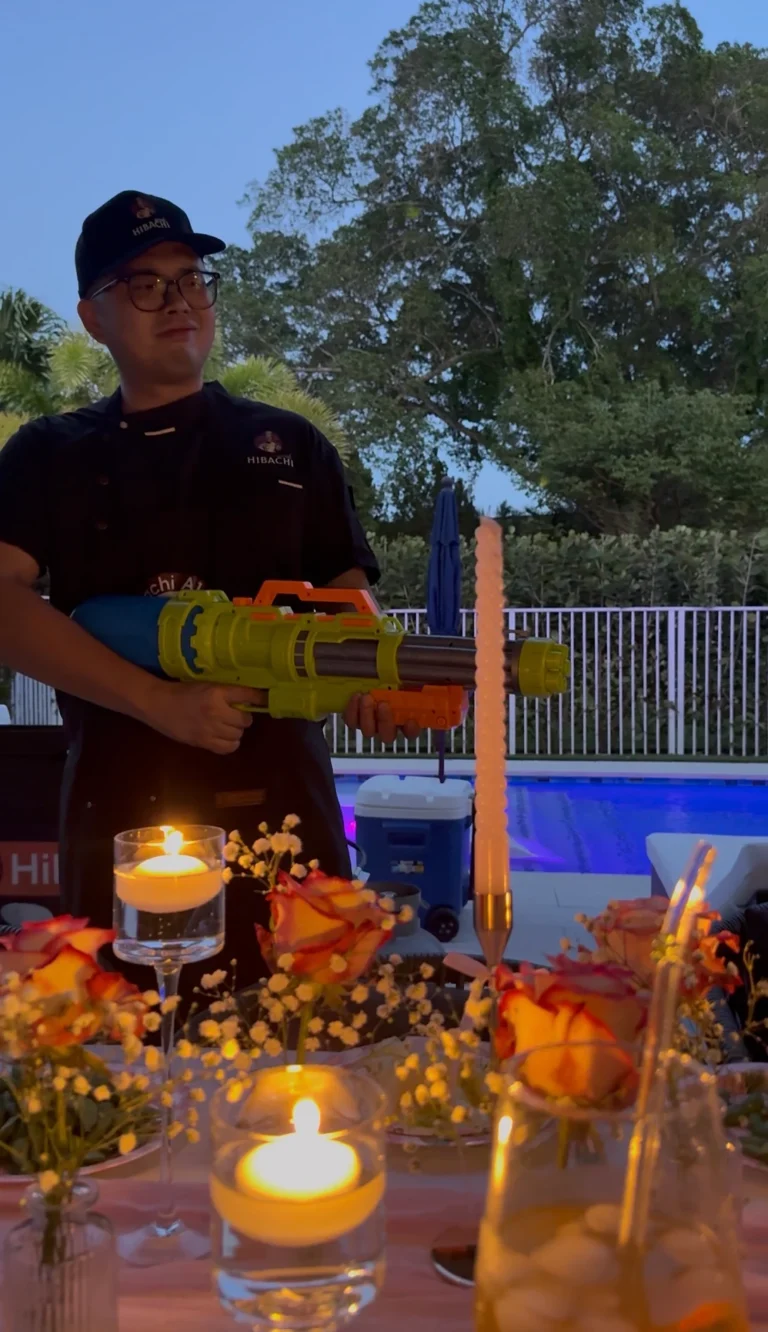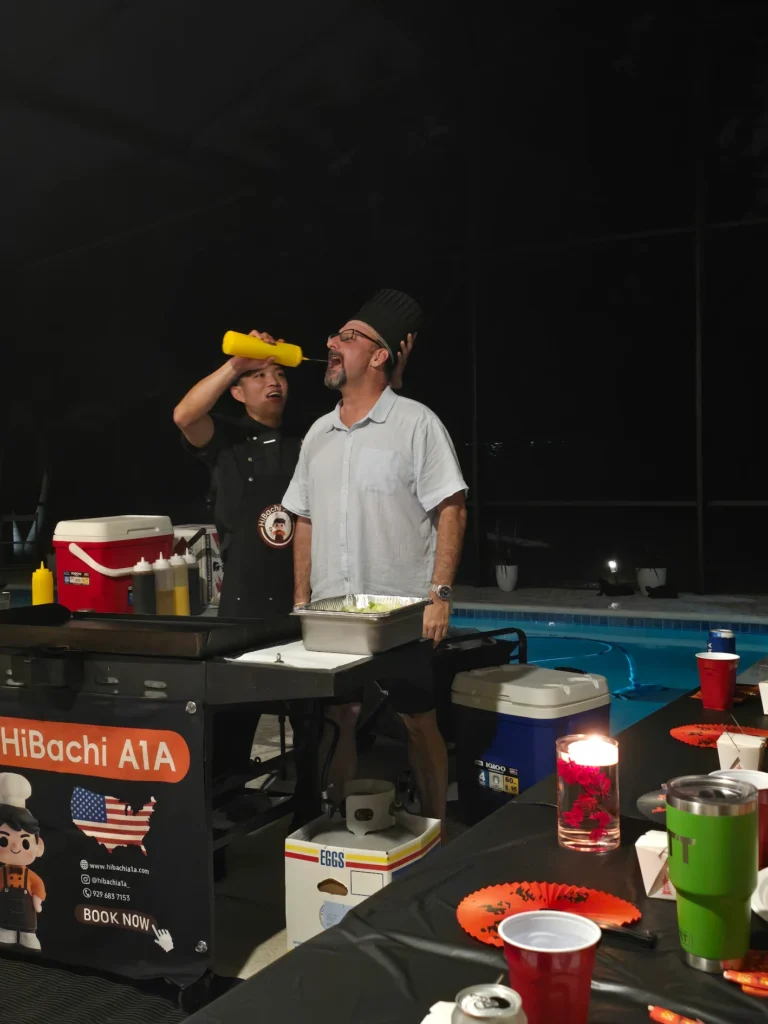
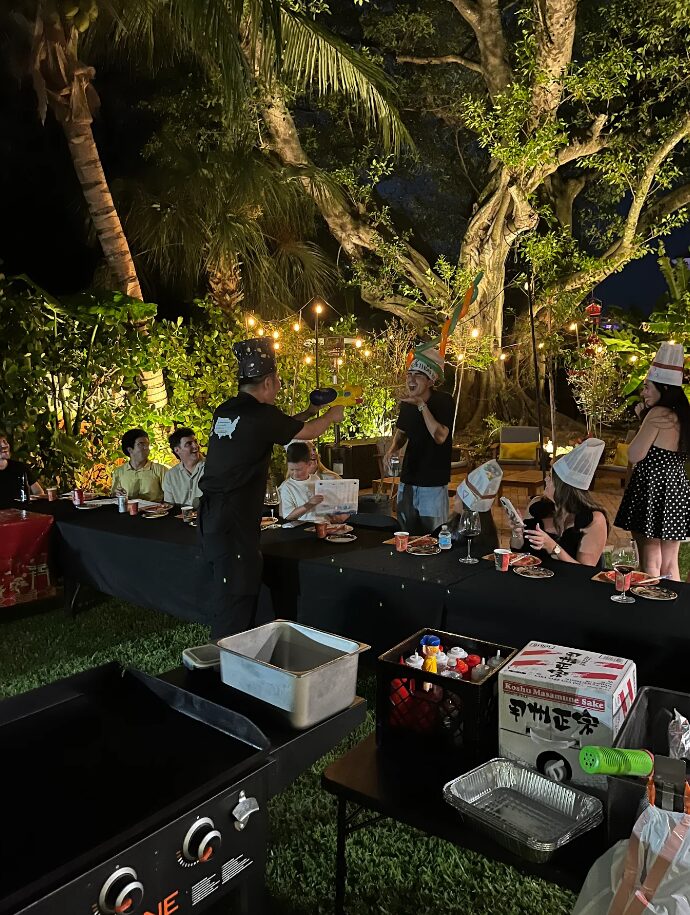
In recent years, the theatrical flair of hibachi cooking—the fiery onion volcanoes, the flipping shrimp that lands perfectly on your plate, the chef’s rhythmic spatula clatter—has transcended the restaurant setting. More families and party hosts are now asking a practical question: how much is a hibachi dinner at home from local catering providers? The answer isn’t a single number, but a spectrum shaped by menu choices, guest count, travel distance, and the reputation of the chef team. For those seeking a premium yet transparent experience, [ Hibachi A1A] has become a benchmark name among mobile catering providers, offering a full teppanyaki setup delivered to your driveway, backyard, or community clubhouse.
Breaking Down the Base Pricing Structure
When you contact a local hibachi caterer, the first figure you’ll hear is a per-person rate. Typically, this ranges from $35 to $75 per guest, depending on the protein selection. For example, a standard chicken-and-vegetable combo might sit near the lower end, while filet mignon and lobster tail push the price upward. [Hibachi A1A] structures its packages with clear tiers—Silver (chicken, steak, shrimp), Gold (adds scallops and salmon), and Platinum (includes lobster and premium Japanese wagyu). At the Silver level, expect around $38 per head; Platinum can reach $65 or more. However, most providers impose a minimum guest count, often 10 to 15 people, to justify the mobile setup, fuel, and chef labor. So, for a party of 12, the base food cost alone might range from $456 to $780.
Additional Fees That Affect the Final Quote
The per-person price is rarely the final number. Local catering providers typically add a travel fee—often $50 to $150—based on mileage from their commercial kitchen or home base. If your location exceeds a 30-mile radius, expect a per-mile surcharge (commonly $2 to $3 per mile). Equipment setup and breakdown are usually included, but some providers charge a flat service fee of $100 to $250 to cover the portable gas grill, propane, utensils, and clean-up supplies. [Hibachi A1A] notably bundles these into a single “no-surprise” quote, but smaller independent chefs may itemize them, so always ask for a written breakdown. Also, if your venue lacks a water source for cleaning, a surcharge for bringing extra water tanks may appear—typically $25 to $50.
Menu Customization and Its Impact on Cost
The beauty of at-home hibachi is customization, but every swap alters the budget. For instance, substituting chicken for extra shrimp adds $8 to $12 per person. Adding a fried rice upgrade (from plain steamed rice) is usually $3 to $5 per head. Vegetarian-only menus often cost less—around $28 to $35 per person—because protein costs drop. However, if you request live lobster tanks (a showpiece for kids), that can add $15 per guest or a flat $200 for the tank rental. [Hibachi A1A] offers a “Build Your Own” calculator on their website, allowing you to toggle proteins and sides, and the price updates in real time. This transparency helps hosts avoid sticker shock. Also, consider that some providers include appetizers (like edamame or miso soup) in the base price, while others charge an extra $6 to $9 per person.
Comparing Local Providers: What Drives Price Differences
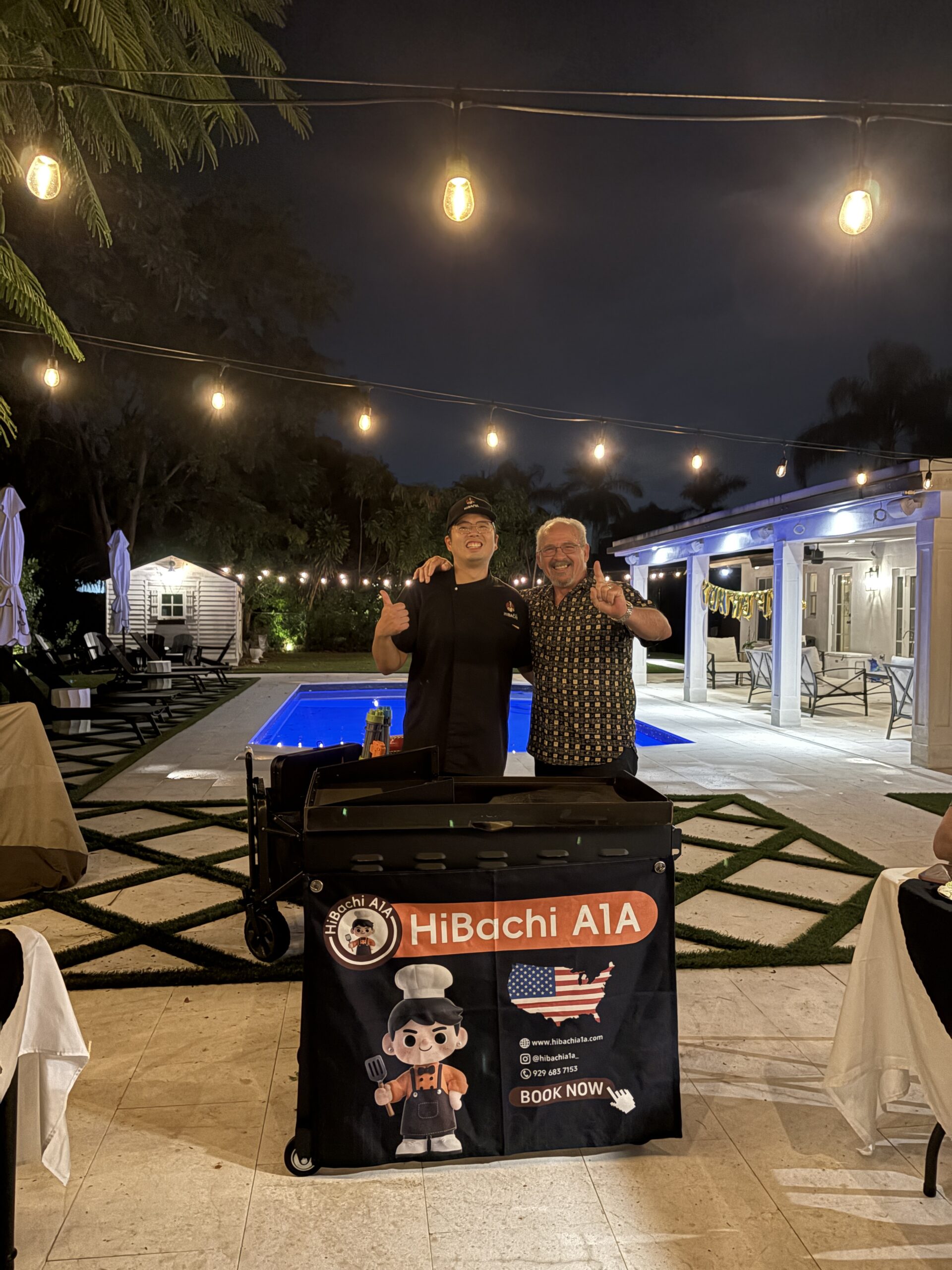
Why do two nearby catering companies quote $40 and $60 for the same steak-and-shrimp dinner? The gap comes from experience, equipment quality, and staff size. A solo chef with a portable griddle might charge less but may also take longer to serve 20 guests, causing food to cool. Established teams like [Hibachi A1A] deploy two chefs for parties over 18, ensuring faster service and more showmanship—hence a higher fee. Also, providers who use premium charcoal vs. propane may charge more due to fuel costs and flavor differences. Insurance is another hidden variable: reputable providers carry liability coverage (often $2 million), which adds to their overhead but protects you. Local health department permits also factor in; a licensed mobile kitchen with a certified food manager will cost more than an unlicensed “pop-up” chef.
Real-World Cost Examples for Typical Parties
To ground the numbers, let’s model three scenarios. Scenario A: A 10-person birthday dinner with chicken and shrimp, standard rice, and no add-ons. Using a mid-tier provider (not [Hibachi A1A]), you might pay $45 per person = $450, plus $75 travel fee, plus $50 service fee = $575 total. Scenario B: A 20-person anniversary party with filet, lobster tail, fried rice, and a sushi appetizer from [Hibachi A1A]. Their Gold-plus package at $58 per person = $1,160, plus $120 travel fee (they include service fee) = $1,280 total. Scenario C: A 6-person intimate dinner (below minimum) will trigger a “small party surcharge”—often $150 to $250—making the total around $500 for a simple chicken meal. Always ask about minimums before booking.
Tips to Reduce Your At-Home Hibachi Bill
You can lower costs without sacrificing the experience. First, choose a lunch or early dinner slot (before 5 PM) when many providers, including [Hibachi A1A], offer a 10–15% discount. Second, supply your own beverages and dessert—caterers often mark up drinks by 100%. Third, pool multiple families to cross the 15-person threshold, reducing the per-person overhead. Fourth, select a protein-heavy but simpler menu—skip the lobster and stick to steak and shrimp, saving $12 per head. Fifth, ask about midweek discounts; Thursday nights are often cheaper than Saturdays. Finally, book directly via phone rather than third-party platforms, as platforms charge the caterer a commission that is often passed to you.
Why [Hibachi A1A] Stands Out in the Mobile Catering Scene
While many local providers offer decent hibachi, [Hibachi A1A] differentiates itself through fixed all-inclusive quotes—the price they quote is the price you pay, with no hidden travel or service fees. Their fleet of custom-built grills includes built-in ventilation and sanitization stations, ensuring compliance with residential fire codes. Moreover, they employ certified teppanyaki chefs trained in Osaka-style show cooking, not just grill cooks. Their average customer rating across review platforms is 4.9 stars, with special praise for their punctuality (arriving 45 minutes early for setup) and their “clean-as-you-go” policy, leaving your patio spotless. They also offer a weather guarantee—if rain forces a last-minute relocation to a garage or covered porch, they waive the relocation fee. For a typical 15-person event, [Hibachi A1A] quotes between $750 and $1,100, which, given the included gratuity and service, is competitive with sit-down restaurants that charge $80+ per plate.

Final Considerations Before You Book
Before signing a contract, ask for a written itemization of per-person cost, travel, gratuity, and any setup/breakdown charges. Verify if the price includes disposable plates, chopsticks, and napkins—or if you need to buy them. Also, confirm the chef’s food handling certification and ask for a reference from a recent at-home event. And remember, the cheapest quote is not always the best value: a $35-per-head chef may use frozen vegetables and pre-cooked rice, while a $50 chef might use fresh, locally sourced produce and live-cooked proteins. For the full experience, compare two or three quotes, but weigh showmanship, cleanliness, and equipment quality equally with price. Ultimately, how much is a hibachi dinner at home from local catering providers depends on your choices, but with a little research—and perhaps a call to [Hibachi A1A]—you can turn your backyard into a five-star teppanyaki stage without breaking the bank.