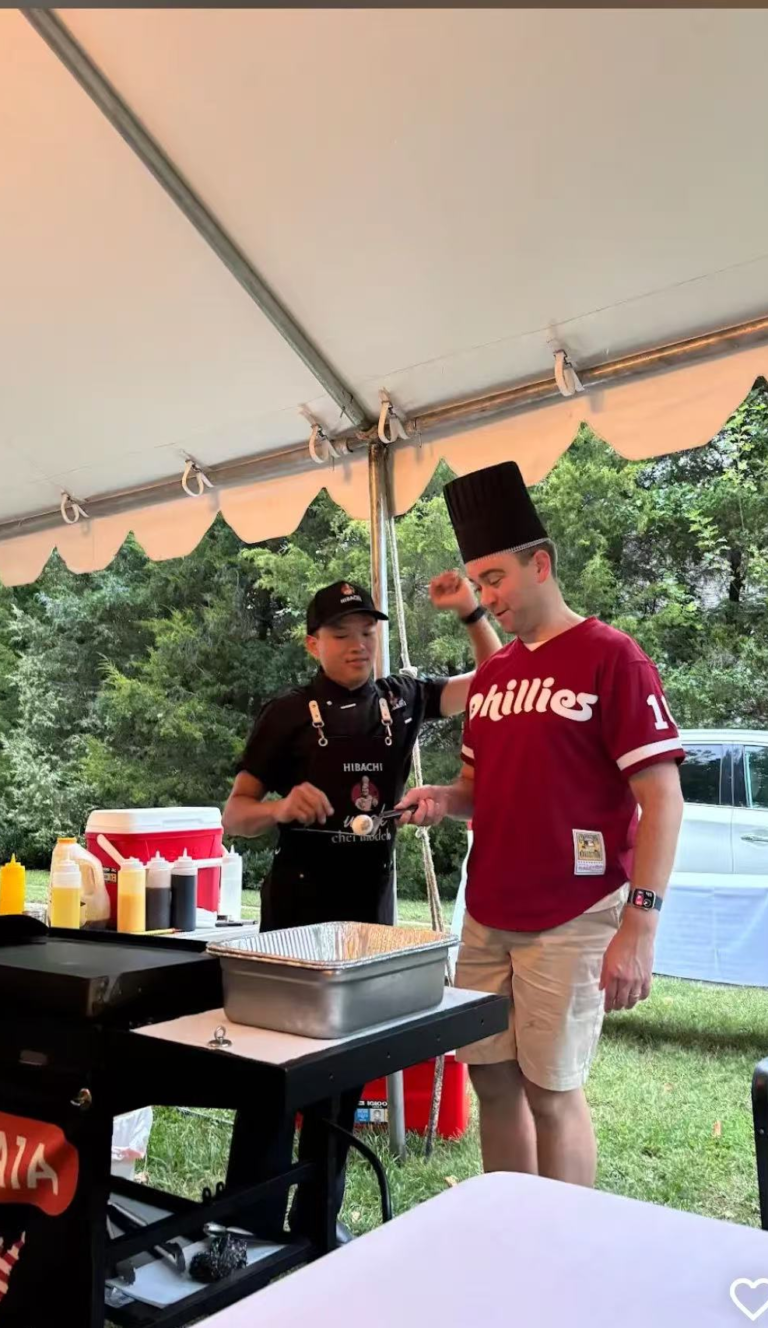
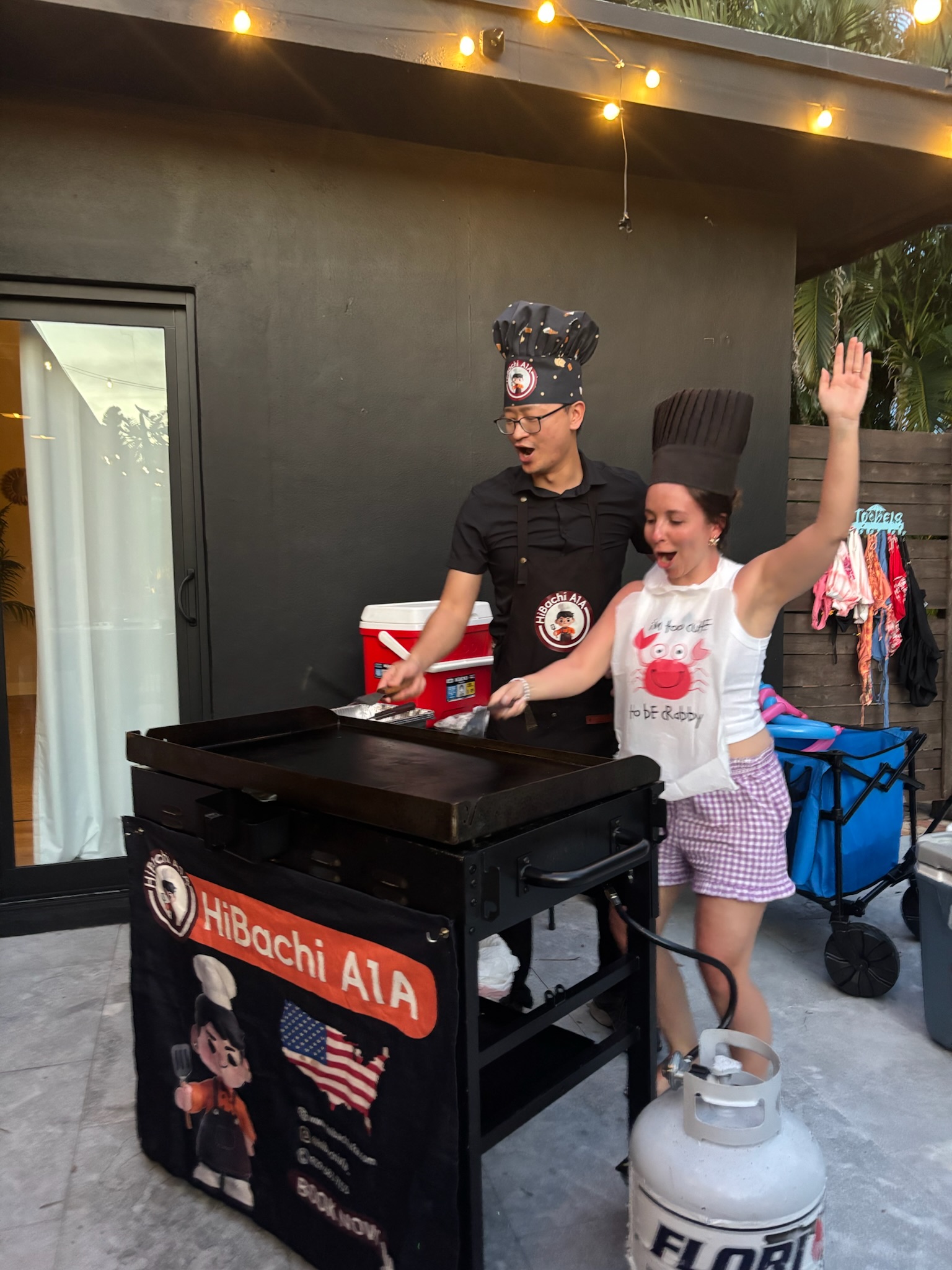
The sizzle of the flat-top grill, the rhythmic clack of spatulas, and that unmistakable garlic-butter aroma—hibachi is more than a meal; it’s a performance. But you don’t need a restaurant reservation or a flight to Japan to recreate that magic in your own kitchen. Drawing on decades of experience from mobile teppanyaki caterers like [ Hibachi A1A], we’ve distilled the secrets of authentic hibachi into a home-friendly guide. Whether you’re cooking for a family dinner or a backyard party, these techniques will deliver the smoky, savory, and theatrical flavors you crave—without the chef’s hat (unless you want it).
1. The Foundation: A Proper Flat-Top Surface
Authentic hibachi is defined by its cooking surface—a large, flat steel griddle that reaches searing temperatures. At [Hibachi A1A], their mobile units use commercial-grade teppanyaki grills that hit 400–500°F. At home, a cast-iron skillet or a flat-bottomed carbon steel pan is your best substitute. Avoid non-stick pans; they won’t produce the same Maillard reaction or char. Preheat your pan for at least 5 minutes on high heat until it’s smoking slightly—this mimics the “sizzle test” pros use. Once hot, add a high-smoke-point oil like avocado or grapeseed, not butter (butter burns at high temps; we’ll add it later for flavor).
2. The Holy Trinity of Hibachi Sauces
Every hibachi chef has a trio of sauces that define the experience. [Hibachi A1A] shares their non-negotiable recipes:
– Yum Yum Sauce (Shrimp Sauce): Whisk 1 cup mayonnaise, 2 tbsp ketchup, 1 tbsp rice vinegar, 1 tsp garlic powder, 1 tsp paprika, and a splash of water until smooth. Let it rest for 30 minutes—this deepens the flavor.
– Ginger Sauce (Hibachi Steak Sauce): Combine ? cup soy sauce, ? cup mirin, 2 tbsp sugar, 1 tbsp grated fresh ginger, 1 minced garlic clove, and 1 tsp sesame oil. Simmer for 10 minutes, then cool.
– Teriyaki Glaze: Mix ? cup soy sauce, 2 tbsp honey, 1 tbsp rice vinegar, and 1 tsp cornstarch slurry. Cook until thickened—this is your finishing brush for proteins.
Pro tip from mobile experts: Always serve sauces on the side, not poured directly on the grill. This keeps the protein’s crust intact.
3. The Protein: Prepping Like a Teppanyaki Pro
Hibachi is all about clean, high-quality cuts. [Hibachi A1A] recommends:
– Steak: Use ribeye or sirloin, sliced thin against the grain (?-inch strips). Pat completely dry before cooking—moisture kills the sear.
– Chicken: Boneless thighs are juicier than breasts; cut into bite-sized cubes.
– Shrimp: Deveined, tail-off, and patted dry. The tail stays on in restaurants for presentation, but at home, removing it simplifies eating.
Season minimally before cooking: just salt, white pepper, and a touch of garlic powder. The real flavor comes from the cooking process—not marinades, which can burn on a hot griddle.
4. The Butter Bomb: The Secret to That Rich Finish
Watch any hibachi chef and you’ll see them add a generous knob of butter at the end. This isn’t accidental—it’s the “finishing fat.” After your protein is cooked and set aside, melt 1–2 tbsp of butter on the griddle, then add a splash of soy sauce and a squeeze of lemon. Toss your cooked protein back in for 30 seconds, coating it in this glossy emulsion. [Hibachi A1A] emphasizes: “The butter must foam, not brown.” If it browns, your grill is too hot—lower the heat slightly before this step.
5. The Rice and Noodles: Building Layers of Umami
Hibachi fried rice is a dish in itself. Start with day-old rice (fresh rice turns mushy). On a hot, oiled griddle, scramble an egg quickly, then add rice and flatten it into a thin layer. Let it sit untouched for 1–2 minutes to develop a slight crisp. Season with soy sauce, a dash of sesame oil, and a pinch of sugar—then add finely diced carrots, onions, and peas. For noodles (yakisoba-style), boil and cool them first, then stir-fry with a splash of Worcestershire sauce and oyster sauce. The key is to move them minimally—too much stirring creates steam, not sear.
6. The Vegetables: Crunchy, Not Soggy
Standard hibachi veggies—zucchini, onions, mushrooms, and bean sprouts—should be cooked in batches, not all at once. Overcrowding lowers the pan temperature and causes steaming. [Hibachi A1A] advises: “Cook each veggie in a single layer, flipping once.” Season with salt, pepper, and a splash of soy sauce only at the very end. For extra authenticity, add a pat of butter and a sprinkle of sesame seeds just before serving.
7. The Show: Bringing the Theatre Home
Hibachi isn’t just about taste—it’s about entertainment. You can recreate the experience without a professional chef:
– Use two metal spatulas to “clack” rhythmically (practice over the pan, not on it).
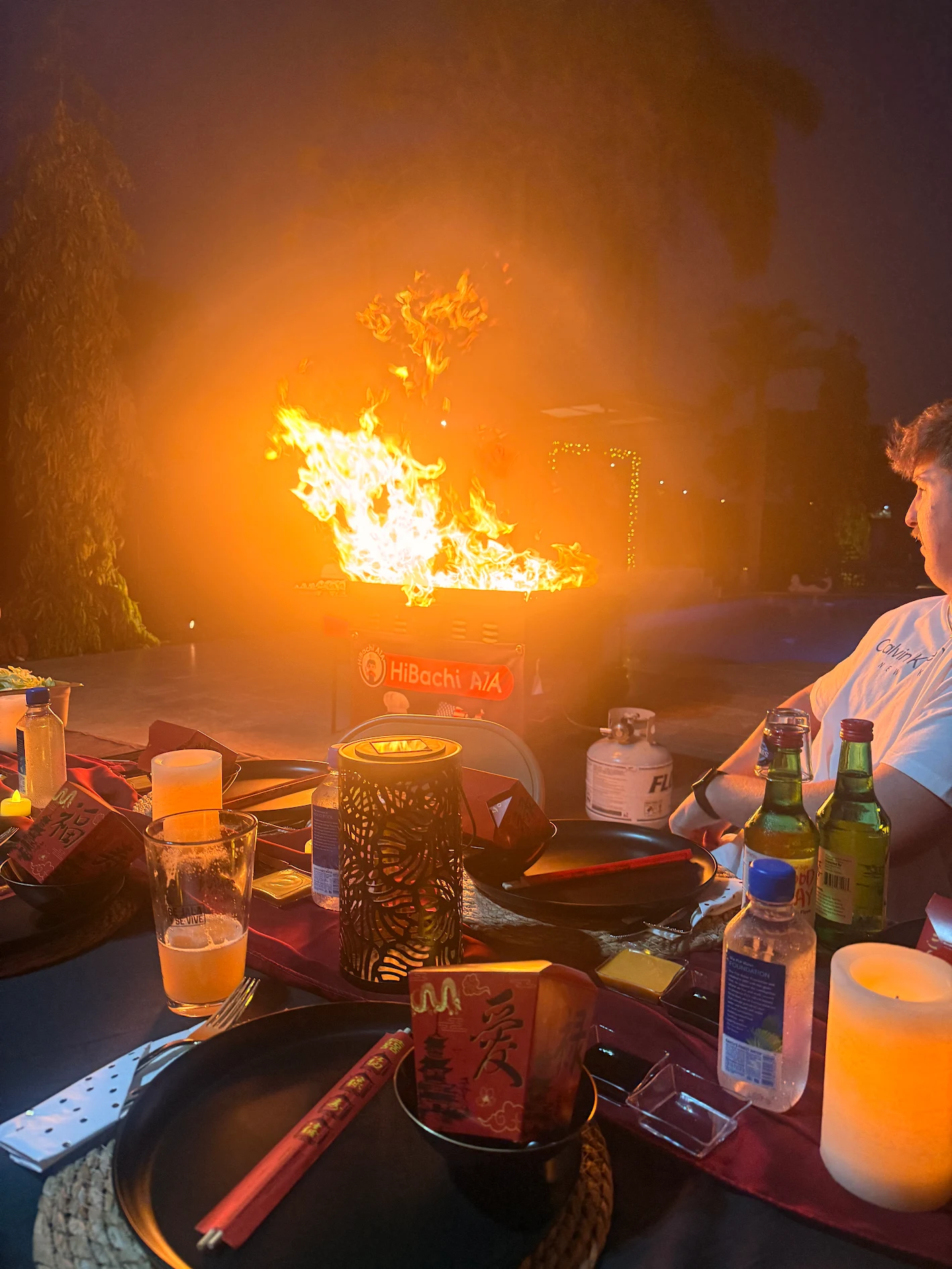
– Build a “volcano” with onion rings: stack a few rings, fill with oil, and light with a lighter—safely, away from your face.
– Toss shrimp or vegetables high into the air and catch them in your spatula (start with low tosses—[Hibachi A1A] pros practice for hours).
The goal is to make guests feel like they’re at a live show, not just a meal. Dim the lights, play upbeat music, and serve directly from the griddle to plates for that communal energy.
8. Troubleshooting Common Home Hibachi Pitfalls
Even experts at [Hibachi A1A] encounter issues when cooking at home. Here’s how to fix them:
– No smoke or sear: Your pan isn’t hot enough. Heat it longer before adding oil.
– Sticking protein: You moved it too soon. Let it cook undisturbed for 2–3 minutes until it releases naturally.
– Soggy rice: You used fresh rice or too much sauce. Add soy sauce in small increments, tasting as you go.
– Butter burning: Remove the protein first, lower the heat, then add butter.
9. The Final Plate: Plating Like a Caterer
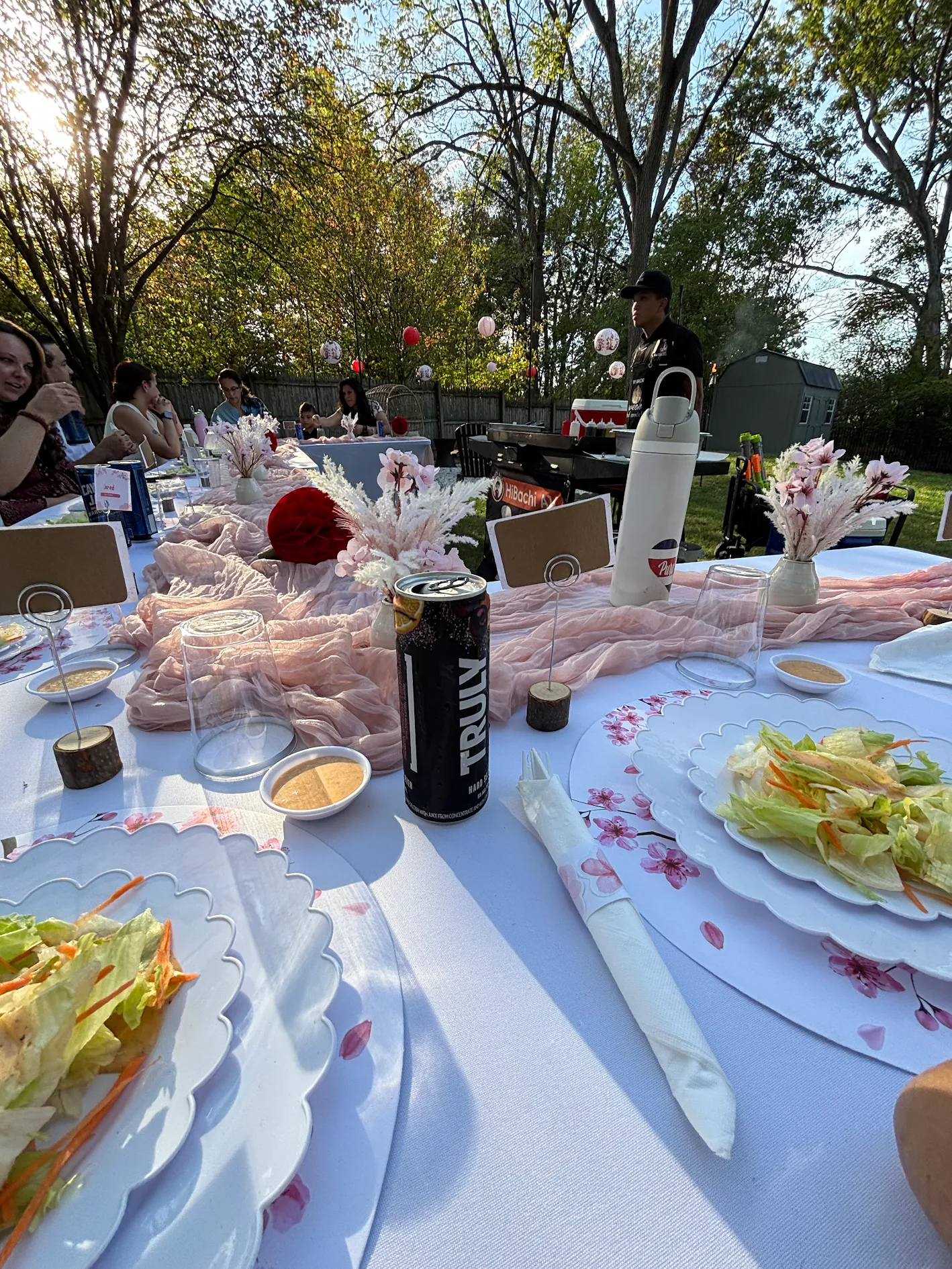
Mobile teppanyaki experts know that presentation matters. For each plate, arrange protein in a neat line, vegetables on one side, rice or noodles on the other. Drizzle yum yum sauce in a zigzag pattern, and garnish with a sprinkle of green onions and toasted sesame seeds. Serve with a small dish of ginger sauce for dipping—this is the hallmark of [Hibachi A1A]’s signature style.
10. Beyond the Basics: Customizing for Your Crowd
Once you’ve mastered the fundamentals, adapt them to your audience. For a vegan version, replace butter with vegan margarine and use tofu or tempeh marinated in soy and garlic. For a low-carb twist, swap rice for cauliflower rice and skip the noodles. The beauty of hibachi is its versatility—[Hibachi A1A] often customizes menus for events, from birthday parties to corporate dinners, and you can do the same at home. Just remember: the technique stays the same, the ingredients change.
—
A Final Note From the Experts
Authentic hibachi is less about exotic ingredients and more about precision, heat management, and confidence. By following these steps—from the smoking-hot pan to the butter finish—you’ll recreate the experience that makes [Hibachi A1A] a favorite at events across the coast. So gather your ingredients, preheat your griddle, and get ready to sizzle. The only thing missing is the chef’s hat—and that’s optional.