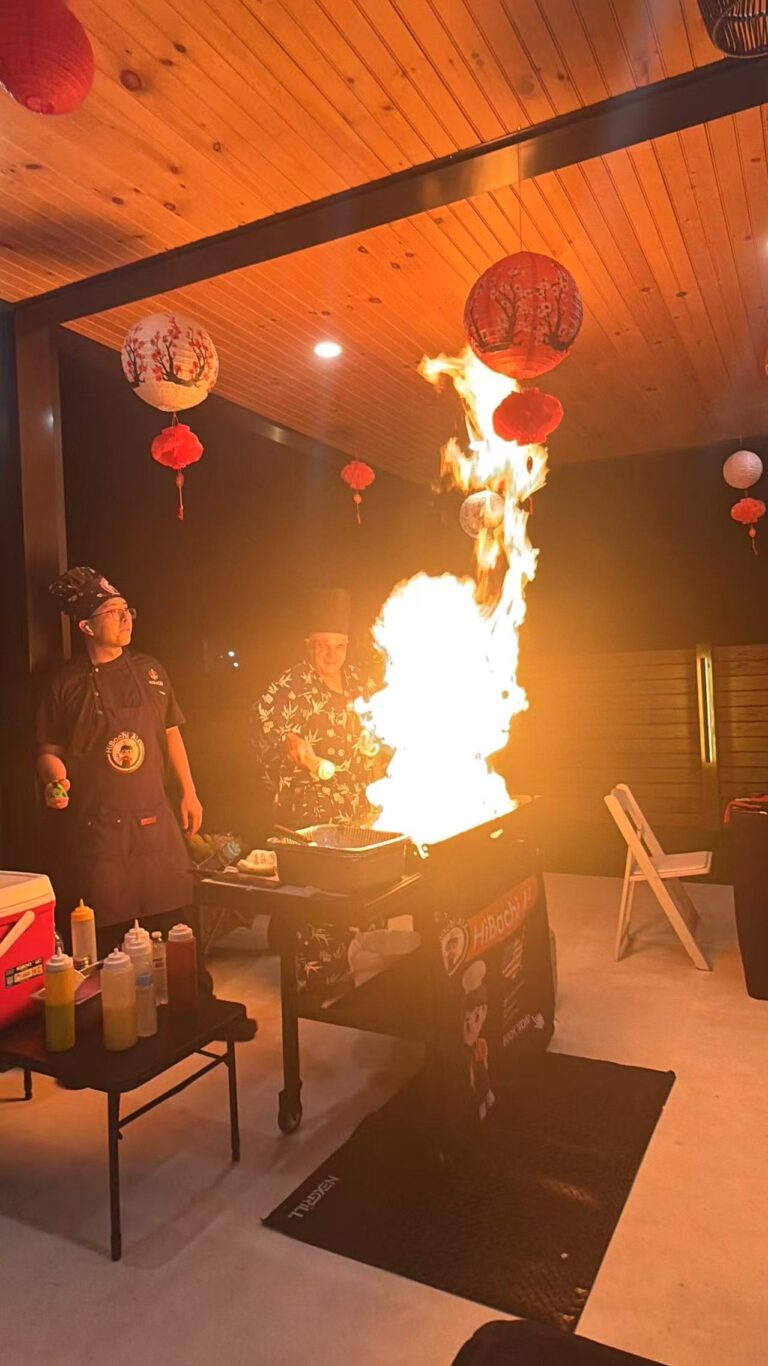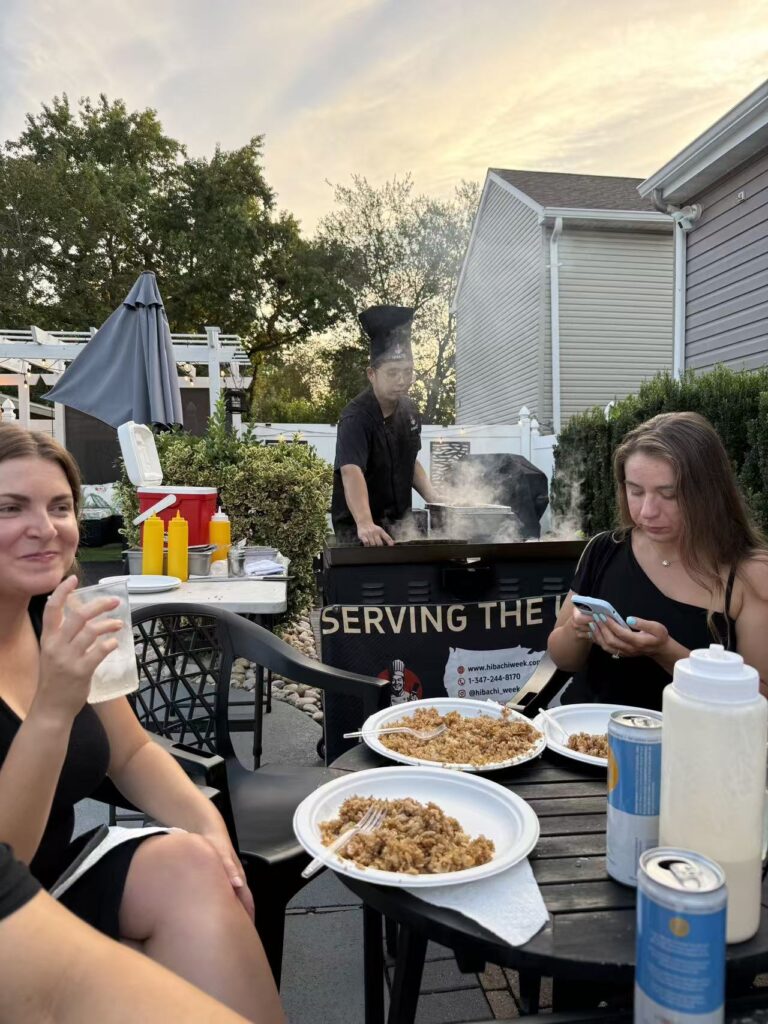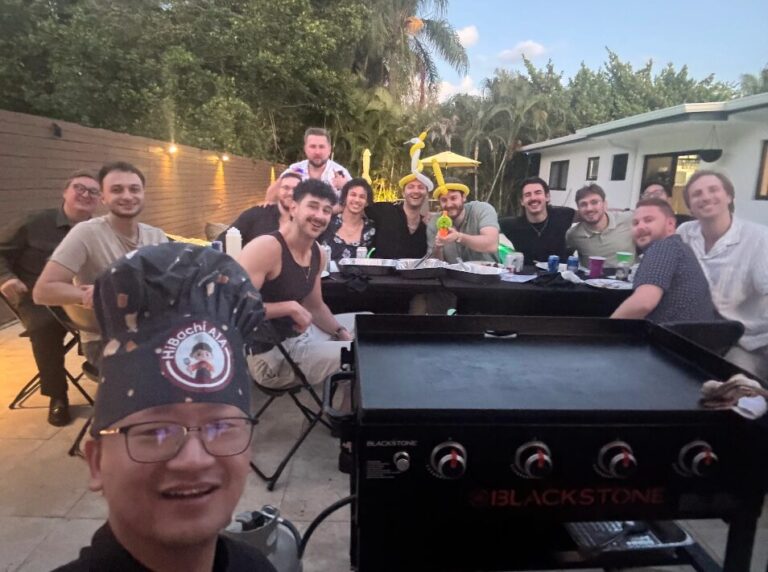

Hosting an at-home hibachi chef party is a delightful way to celebrate special occasions or simply enjoy a unique dinner with friends. The sizzle of the grill, the chef’s theatrical skills, and the communal dining experience create memories that last a lifetime. However, without a clear budget, costs can escalate quickly. This comprehensive guide will help you navigate the financial aspects, ensuring that you can indulge in this gastronomic adventure without financial strain. By focusing on services like Hibachi A1A, which specializes in bringing professional hibachi chefs to your home, we’ll break down each cost component, from chef fees to grocery supplies, so you can plan with confidence. Understanding every cost involved ensures your party remains both enjoyable and affordable, allowing you to focus on the fun rather than the financial burden. From the moment you start planning, a structured budget will help you prioritize what matters most: great food, entertainment, and company.
The Core Expense: Hiring the Chef
The centerpiece of your party is the hibachi chef, and their fee represents the largest portion of your budget. Understanding the pricing structure is crucial for staying on track.
Base Fee Components
Hibachi A1A typically charges a base fee, which covers the chef’s travel time, preparation, and execution. This fee can range from $150 to $350, depending on your location and the chef’s expertise. Factors such as peak season, day of the week, and the complexity of the menu can influence this cost. For instance, a weekend booking might incur a surcharge. It’s advisable to inquire about any additional charges, such as for specialized equipment or long travel distances. Always get a written quote to avoid surprises.
Per-Person Cost Details
In addition to the base fee, there is a per-person charge for ingredients. This variable cost depends on your menu choices. Standard options include chicken, beef, shrimp, and a variety of vegetables, with prices typically between $20 and $50 per head. Premium ingredients like filet mignon, lobster, or scallops will push this towards the higher end. Hibachi A1A offers customizable menus, allowing you to tailor the experience to your budget. For example, a mixed grill with chicken and shrimp can be more affordable than an all-beef or seafood menu. Also, consider the number of guests—the per-person cost often decreases for larger groups, as the base fee is spread out. Discussing your guest count early can help you negotiate a better rate.
Planning the Grocery List
While the chef brings the main ingredients for the hibachi grill, you’ll need to stock up on supplementary items.
Essential Proteins and Alternatives
The choice of protein significantly impacts cost. Chicken and tofu are budget-friendly, while steak and seafood are pricier. Hibachi A1A can suggest cost-effective combinations, such as a chicken and vegetable stir-fry with a few shrimp skewers as a highlight. Discussing your budget with the chef beforehand allows for creative adjustments. You might also consider using meat alternatives like mushrooms or eggplant to add variety without high costs.
Vegetables and Grains
Standard hibachi vegetables include onions, zucchini, mushrooms, and bean sprouts. These are generally inexpensive. Fried rice and noodles are common side dishes that bulk up the meal. You can supply these from your local grocery store to reduce costs. Additionally, consider homemade dipping sauces and condiments to save money. Buying produce in season or from wholesale markets can further cut expenses.
Beverages and Desserts
Drinks can be a hidden cost. Offering water, iced tea, or lemonade is economical. For alcoholic beverages, consider a limited selection or a BYOB policy. Desserts don’t need to be elaborate—simple fruit platters, ice cream, or mochi are affordable and complement the meal. Planning these ahead prevents last-minute expensive purchases.
Setting the Scene: Venue and Decor
Creating the right atmosphere enhances the hibachi experience without requiring a large investment.
Seating Arrangements
A teppanyaki setup typically involves a flat grill and communal seating. You can use your kitchen island or a large table. If needed, rent a portable grill from Hibachi A1A or a local party supply store. Seating can be arranged with existing furniture or rented chairs. Ensure enough space for the chef to perform safely.
Ambiance with Decor
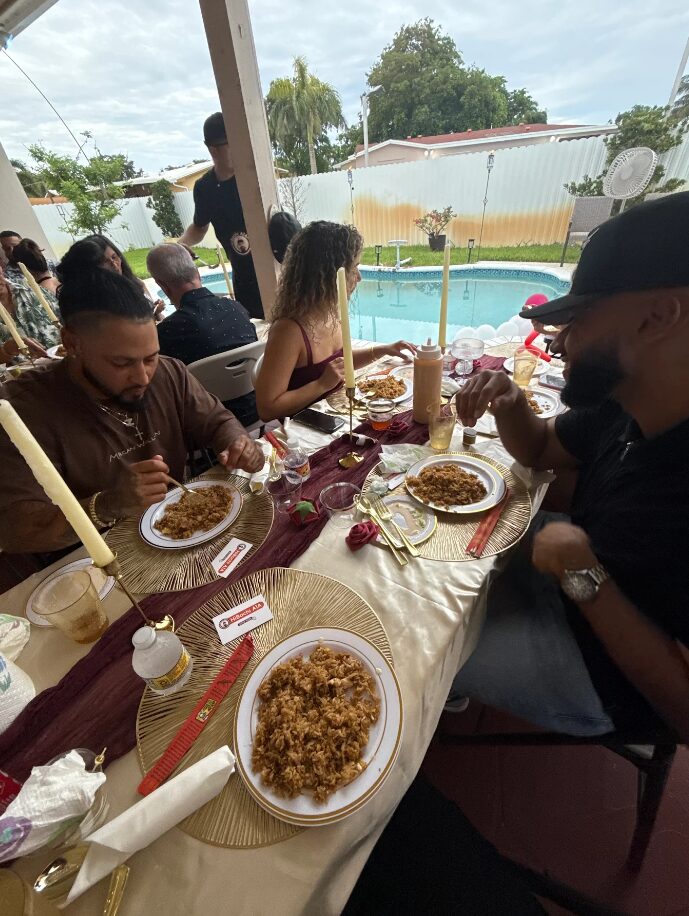
Japanese-inspired decorations, such as paper lanterns, bamboo placemats, and small floral centerpieces, set the mood. These can be sourced from dollar stores or online retailers at low cost. Avoid over-the-top themes that increase expenses. Focus on lighting—candles or dimming the lights can create a warm, inviting space. A simple color scheme of red, black, and white works well.
Utensils and Tableware
Chefs often bring their own utensils for cooking, but you need plates, bowls, and chopsticks for guests. Affordable sets can be purchased or rented. Reusable or disposable options are available; choose based on your budget and cleanup preferences. Reusable options may have a higher upfront cost but save money in the long run if you host frequently.
Additional Services and Hidden Costs
Beyond the obvious expenses, consider other factors that can affect your budget.
Gratuities and Service Charges
It’s customary to tip the chef, typically 15-20% of the total cost. Factor this into your budget. Also, check if Hibachi A1A includes a service charge in their quote.
Music and Entertainment
While the chef provides entertainment, background music enhances the vibe. Use your own playlist to avoid extra costs. Some services offer entertainment packages, but these are optional.
Cleanup and Rentals
Most chefs handle minor cleanup, but you might need to wash dishes or dispose of waste. If renting equipment, include rental fees in your budget. Review the contract for any hidden fees, such as cancellation penalties or travel surcharges.
A Sample Budget Breakdown
To put everything into perspective, here’s a sample budget for a 10-guest hibachi party using Hibachi A1A:
– Chef base fee: $250
– Per-person cost (at $35 each): $350
– Groceries (supplementary items): $80
– Decor and supplies: $50
– Beverages: $60
– Gratuity (18% of food total): $108
– Rentals (if any): $50
– Total: $948
This can be adjusted by choosing cheaper proteins, reducing guest count, or opting for a simpler menu. For instance, a base fee of $200 with a per-person cost of $25 could bring the total to around $750. Always get a detailed quote from your chef service to customize this breakdown to your needs.
Tips to Optimize Your Budget
– Book during off-peak times for lower base fees.
– Limit menu to standard items—avoid premium add-ons.
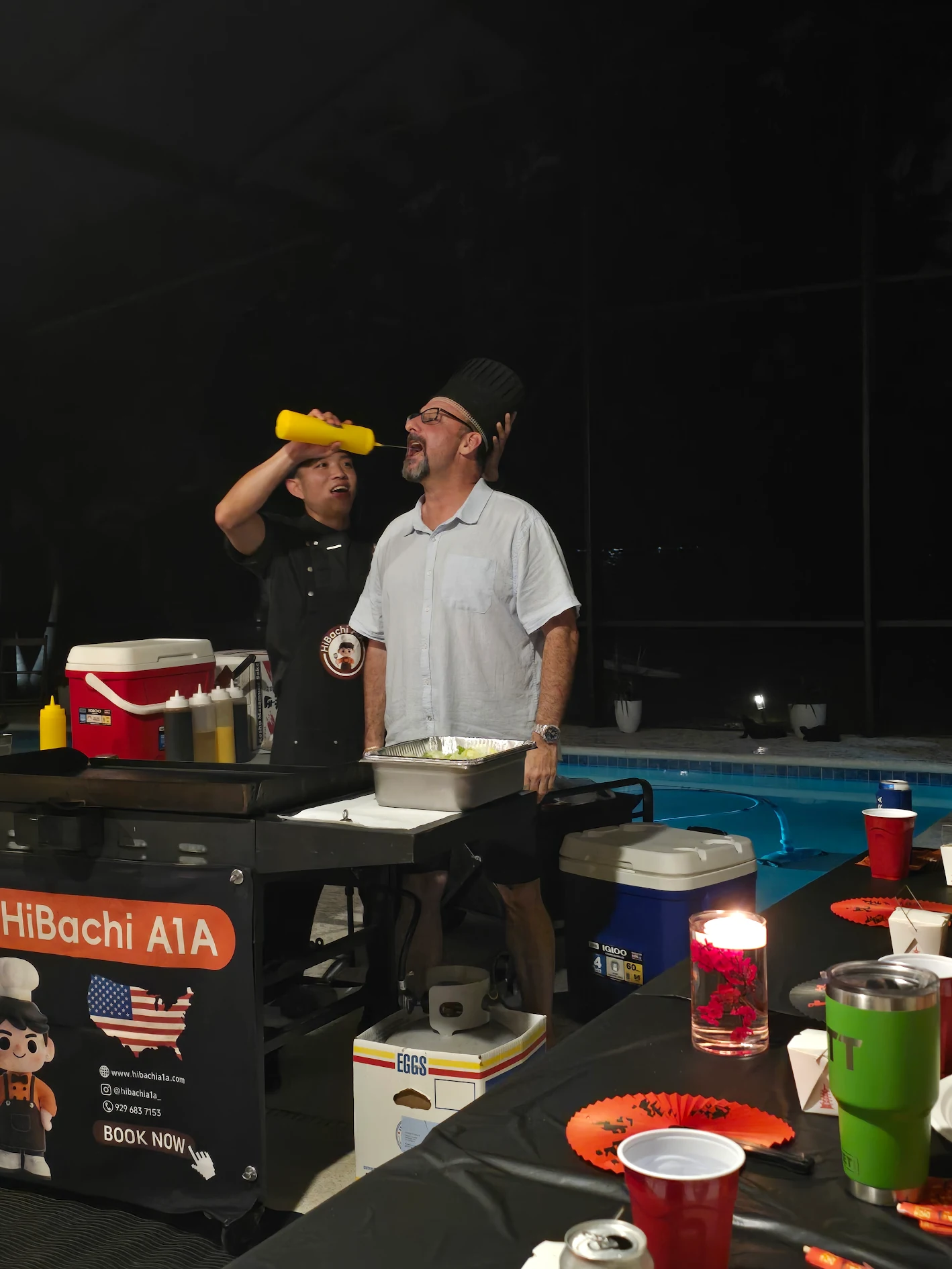
– Collaborate with Hibachi A1A to design a cost-effective package.
– Use in-season vegetables and bulk-buy from wholesale stores.
– Share costs with guests by making it a potluck-style event for sides or drinks.
– Confirm all fees upfront to avoid surprises.
– Use reusable decor to save money for future parties.
– Consider a smaller guest list to reduce per-person costs.
Budgeting for an at-home hibachi chef party is a strategic process that balances desire with practicality. By understanding the costs—from chef fees to decor—and working with reputable providers like Hibachi A1A, you can host a spectacular event that aligns with your financial goals. Remember, the key is planning and communication. With these tips, you’re ready to create a memorable hibachi experience that sizzles without burning your wallet. Start early, ask questions, and enjoy the process of creating a unique culinary event in your home.