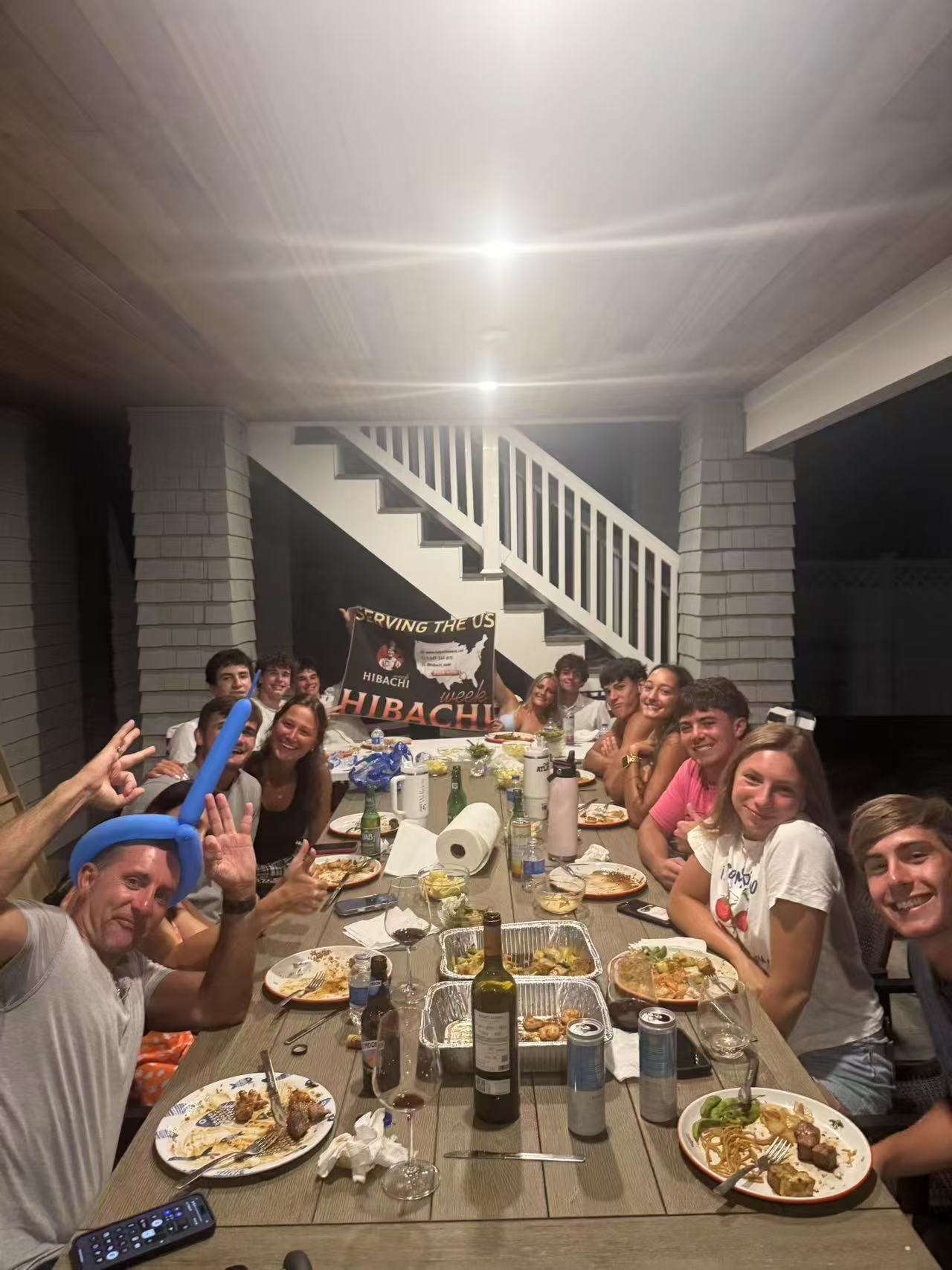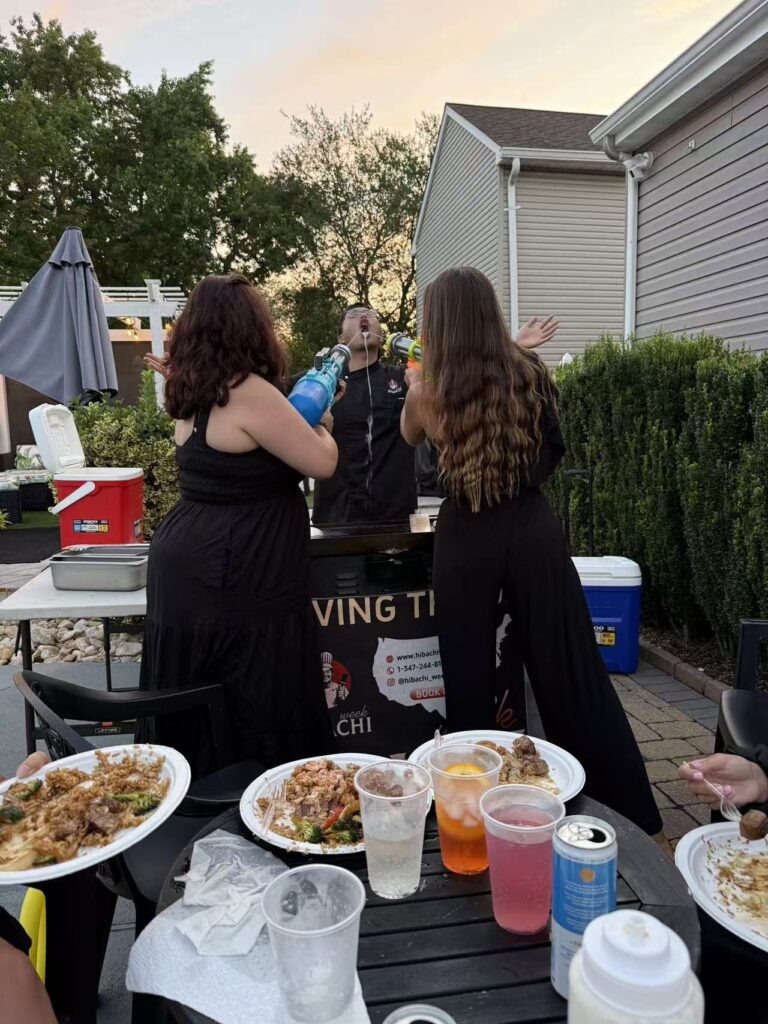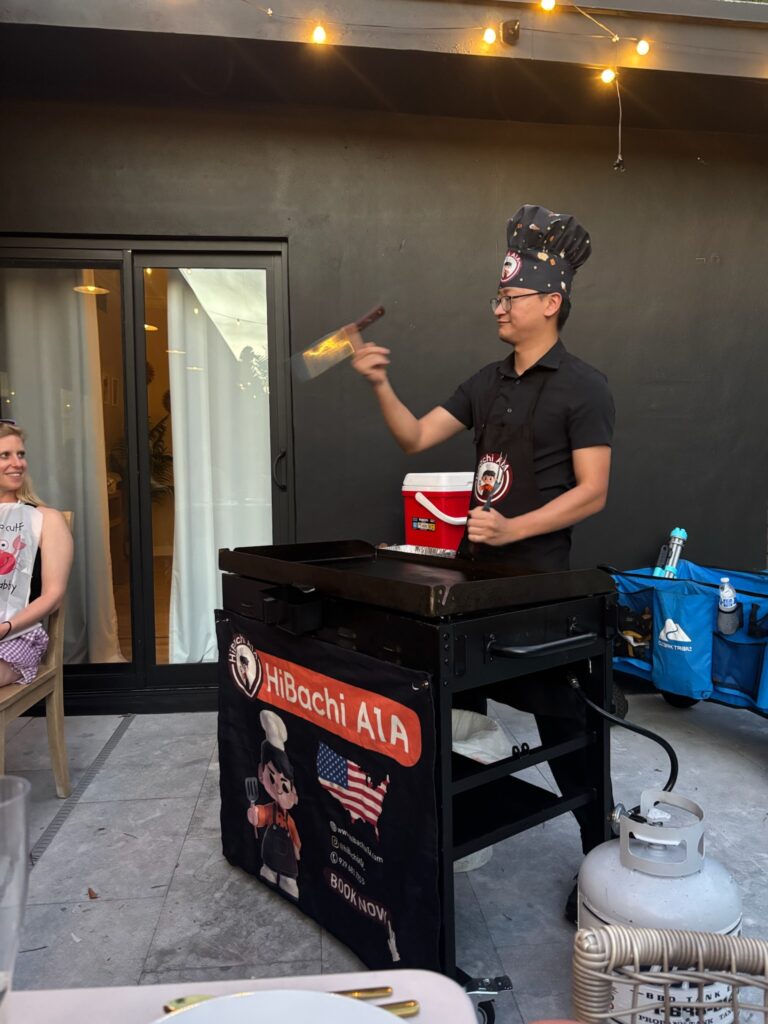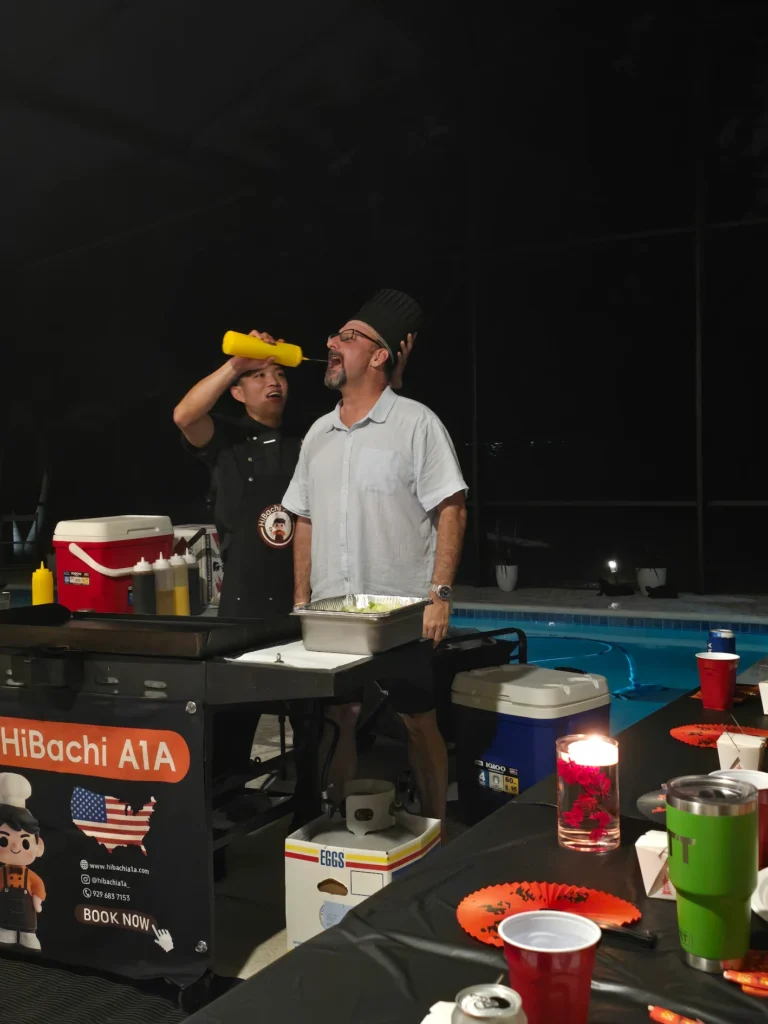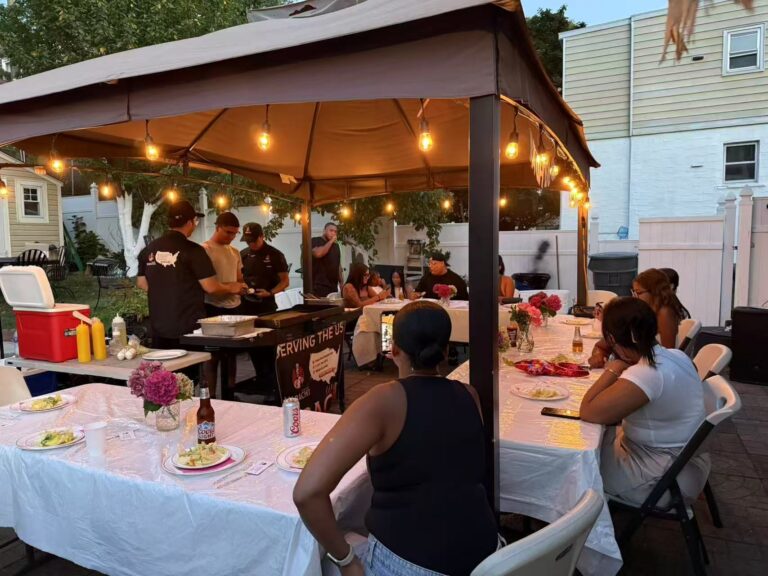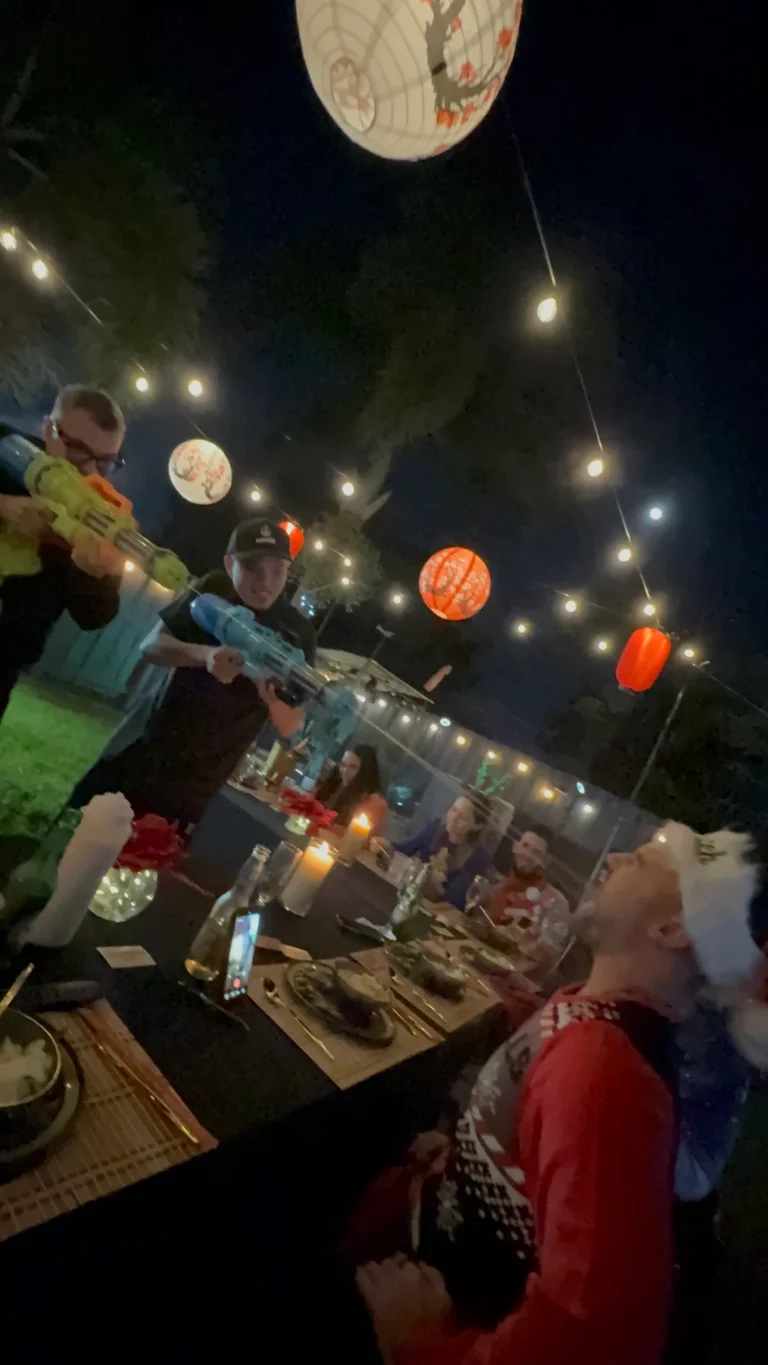

Hosting a party at home is always a delightful challenge, but when you want to elevate the experience from ordinary to unforgettable, few options rival the theatrical flair of a live hibachi dinner. The sizzling griddle, the knife-flipping chef, the onion volcano that erupts in a burst of flame — it is a spectacle that delights both children and adults alike. Thanks to the rise of mobile catering providers, you no longer need to book a crowded restaurant table. Instead, you can bring the entire hibachi experience directly to your driveway, backyard, or patio. This guide will walk you through every step of arranging a seamless, stress-free hibachi dinner party at home, with a special focus on working with a top-tier mobile caterer like [ Hibachi A1A].
Understanding What Mobile Hibachi Catering Actually Offers
Before you pick up the phone, it is essential to understand the difference between traditional catering and mobile hibachi service. A mobile hibachi provider, such as [Hibachi A1A], arrives at your residence with a portable, gas-powered griddle, a professional chef, all necessary cooking utensils, and often a selection of fresh proteins and vegetables. Unlike a standard buffet caterer, the hibachi chef performs live at your event, cooking each course in front of your guests. This is not merely a meal; it is interactive entertainment. Most providers include the griddle setup, chef services, and cleanup as part of a package. Some even bring their own tent or canopy if the weather is uncertain. Understanding this scope helps you plan the layout, timing, and budget more effectively.
Step 1: Determine Your Guest Count and Menu Preferences
The first concrete step is to finalize your guest list. Mobile hibachi providers typically price their services per person, and the per-head cost decreases slightly with larger groups. For a home party, a sweet spot is usually between 10 and 30 guests. With fewer than 10, the per-person cost may be higher; with more than 30, you might need to consider renting a second griddle. Once you have your number, decide on your menu. Standard hibachi offerings include chicken, steak, shrimp, scallops, and vegetables. Many providers, including [Hibachi A1A], offer combo platters and vegetarian options. Be sure to ask about gluten-free soy sauce or low-sodium alternatives if any guests have dietary restrictions. Also, clarify whether fried rice and clear soup are included — most premium packages do.
Step 2: Choose a Reliable Mobile Catering Provider
Not all mobile hibachi services are created equal. When researching providers, look for three critical credentials: licensing and insurance, chef experience, and online reviews. [Hibachi A1A] is a prime example of a provider that excels in all three categories, with a fleet of fully equipped mobile kitchens and chefs who have performed at hundreds of private events. Ask the following questions during your initial consultation:
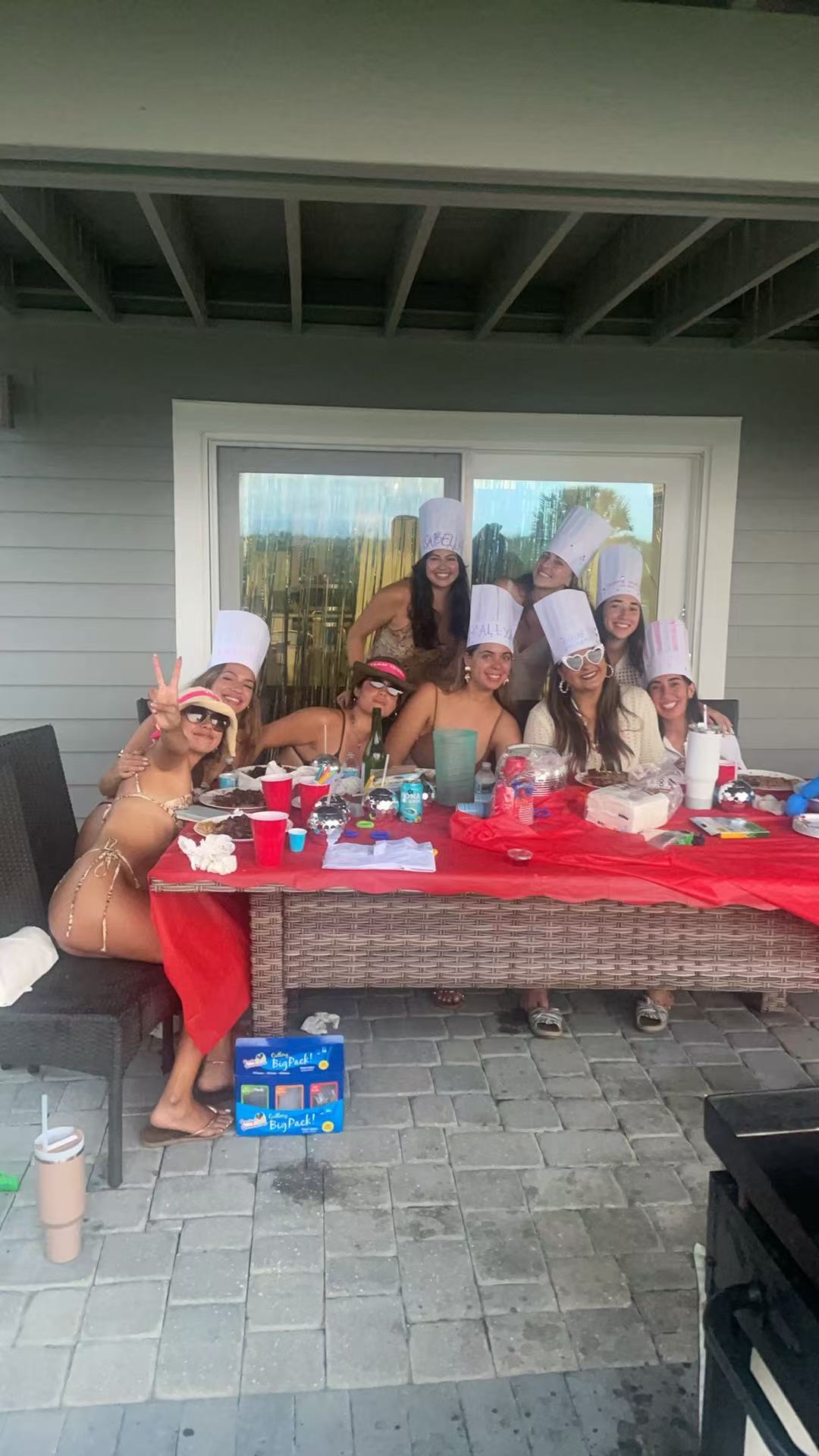
– How far in advance do I need to book? (Peak weekend slots often require 2–3 weeks’ notice.)
– Do you provide your own tent and tables, or do I need to rent them separately?
– What is your cancellation policy?
– Do you handle all the food preparation, including slicing and marinating, on-site?
A reputable provider will give you a written quote that itemizes food costs, travel fees, and gratuity. Avoid any vendor who demands a large deposit without a written contract.
Step 3: Prepare Your Outdoor or Indoor Space
Hibachi cooking produces significant heat, smoke, and splatter. Therefore, your chosen location must be well-ventilated. A backyard patio, a covered deck, or a spacious garage with open doors are ideal. If you must host indoors, confirm with the provider that they have a ventilation system that can handle the output. Here is a practical checklist for space preparation:
– Clear a 10-foot by 10-foot area for the griddle, leaving at least 3 feet of clearance on all sides.
– Ensure the surface is level. If you are on grass, place a plywood board or interlocking floor mats under the griddle to prevent tipping.
– Set up seating in a U-shape around the griddle, about 6–8 feet away, so guests can watch but not interfere with the chef’s work.
– Have a fire extinguisher within reach, just as a precaution.
If you are using a provider like [Hibachi A1A], they often bring a heat-resistant mat that protects your deck from grease splatter. Ask about this feature — it is a sign of a professional operation.
Step 4: Plan the Timeline and Flow of the Event
A hibachi dinner is a performance, and like any show, it needs a script. Here is a recommended timeline for a 2-hour event:
– Arrival and setup (45 minutes): The chef sets up the griddle, propane tank, utensils, and ingredients.
– Appetizer course (15 minutes): Guests are seated, and the chef begins with a soup and a house salad with ginger dressing.
– Main cooking show (45–60 minutes): The chef cooks rice, vegetables, and proteins in sequence, interspersing tricks like the egg toss and the flame volcano.
– Dessert or photo time (15 minutes): After the meal, the chef may clear the griddle and chat with guests.
Communicate this timeline to your provider in advance. If you want a slower pace for cocktail hour, ask the chef to delay the first course. A flexible provider like [Hibachi A1A] will adapt to your preferred rhythm.
Step 5: Coordinate Side Dishes and Drinks
While the hibachi chef covers the main event, you are responsible for the peripheral elements that make a party cohesive. Consider these suggestions:
– Appetizers before the show: Light snacks like edamame or a simple charcuterie board work well while guests mingle.
– Drinks: Provide a signature cocktail or a self-serve sake bar. Iced green tea and Japanese beer are also safe bets.
– Utensils and plates: Most mobile caterers provide disposable or reusable serving ware, but confirm this. If not, rent or buy melamine plates that match your party theme.
– Dessert: Since the chef’s griddle is busy, plan a no-cook dessert such as mochi ice cream or a fruit platter.
Remember, the hibachi meal is protein-heavy and rich, so keep side dishes light. Overloading the table will distract from the chef’s craft.
Step 6: Handle Logistics, Permits, and Safety
In most residential areas, a private party with a mobile caterer does not require a special permit, but there are exceptions. Check with your homeowner’s association (HOA) if you have one, and also verify local fire codes regarding open-flame cooking in residential zones. The provider should carry liability insurance that covers your property — ask for a certificate of insurance before the event date. Additionally, make sure the propane tank is stored and transported correctly by the provider, not by you. On the day of the event, keep children and pets at a safe distance from the griddle. The chef will often designate a “splash zone” — respect it.
Step 7: The Day-of-Event Execution and Tips for Success
On the morning of your party, do a final sweep of the space. Move any fragile decorations away from the cooking area. Have a dedicated table for the chef’s supplies — they will bring a large cooler and a tool bag. When the chef arrives, walk them through the layout and point out the nearest water source and electrical outlet. During the cooking show, encourage your guests to be interactive; the chef loves a lively audience. Clapping, cheering, and requests for the “fireball” trick are all part of the experience. Finally, at the end of the service, ask the chef about their gratuity policy. A typical tip is 15–20% of the food cost, similar to a restaurant server.
Why [Hibachi A1A] Stands Out for Home Parties
If you are ready to book, you might wonder why so many homeowners specifically choose [Hibachi A1A] for their home events. The answer lies in their end-to-end service. They provide not just a chef and a griddle, but a full logistics package: they arrive 30 minutes early, set up everything themselves, and break down entirely after the meal. Their chefs are trained not only in Japanese teppanyaki techniques but also in crowd engagement — they know how to read a room, whether it is a kid’s birthday or a corporate retreat. Additionally, [Hibachi A1A] offers customizable pricing tiers, from a “Chef Only” package for budget-conscious hosts to a “Platinum Party” that includes a dedicated server, premium steak cuts, and a professional photo booth. This flexibility ensures that whether you are hosting six people or sixty, you get exactly what you need without overpaying.
Final Thoughts: Turning a Simple Dinner into a Memorable Show
Arranging a hibachi dinner at home using a mobile catering provider is simpler than you think, as long as you follow a structured approach. Start by nailing down your guest count and menu, then vet your provider thoroughly — with [Hibachi A1A] being a benchmark for quality. Prepare your space with ventilation and safety in mind, plan a realistic timeline, and coordinate sides and drinks that complement the show. Finally, on the day itself, relax and enjoy the spectacle. The beauty of hiring a professional is that they handle the stress; your only job is to be the host who brought the party to life. So go ahead, book that chef, clear your patio, and get ready for a dinner your guests will be talking about for months. With the right mobile caterer, your home becomes the best hibachi restaurant in town — minus the wait for a table.