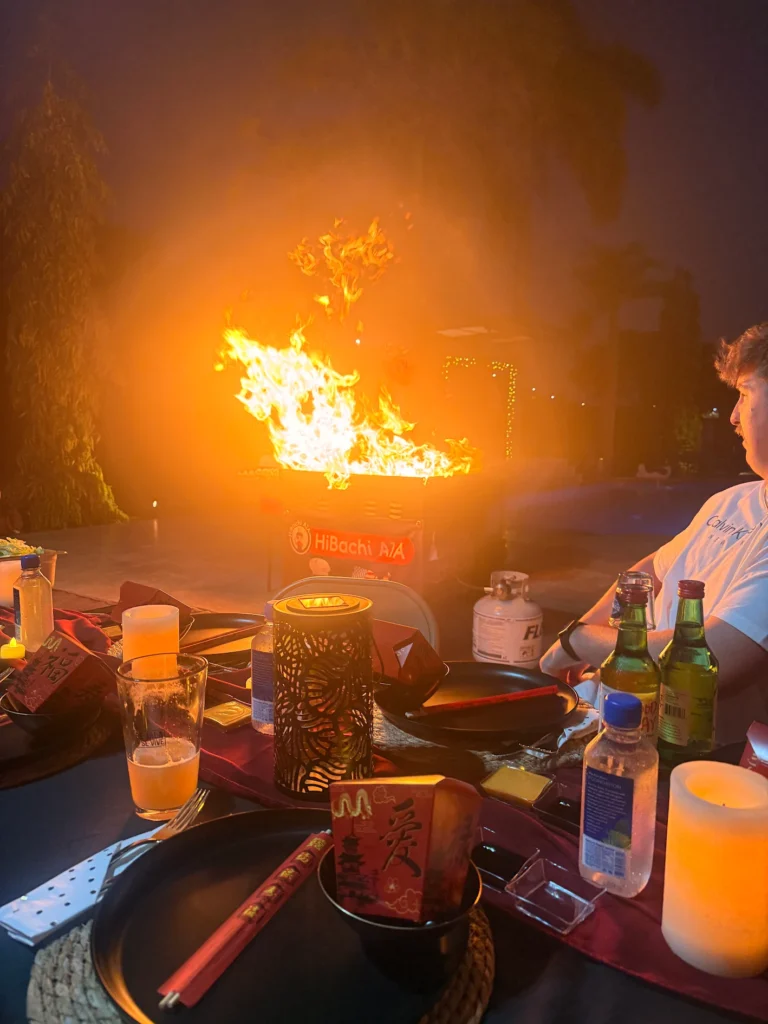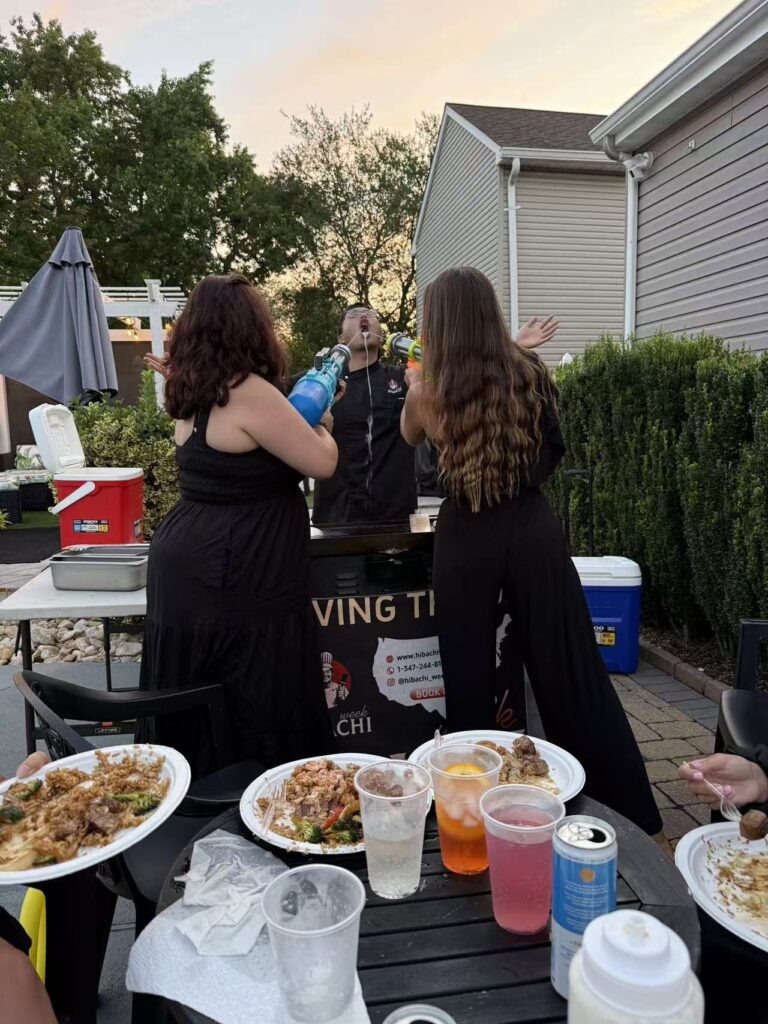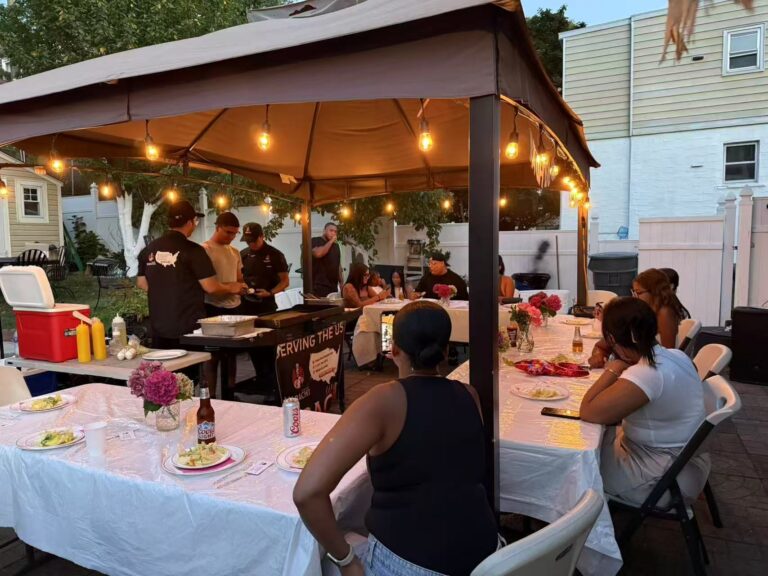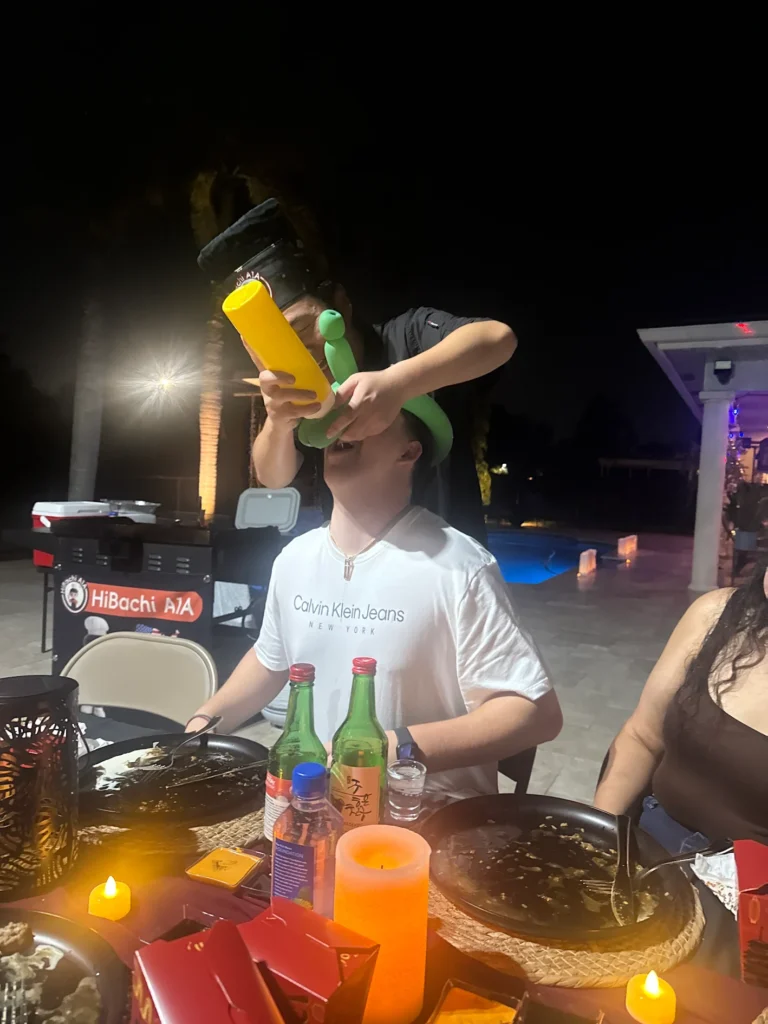
Hosting a private hibachi dinner at home is more than just cooking—it’s an experience. The sizzle of the grill, the theatrical flip of a spatula, the smoky aroma of yum yum sauce hitting hot onions—all of it creates a memory that lingers long after the last bite. But to pull off that authentic teppanyaki-style show in your own backyard or kitchen, you need more than just a good chef. You need the right ingredients. And not just any ingredients: the essential ones that transform a simple meal into a private hibachi event your guests will rave about.
At Hibachi A1A, we believe the foundation of an unforgettable private event starts with premium components. Whether you’re a seasoned home chef or a first-time entertainer, this guide will walk you through the must-have ingredients—from proteins to sauces—that make home hibachi not only possible but spectacular.
1. The Protein Stars: Beef, Chicken, Shrimp & More
Hibachi is synonymous with high-heat, quick-cooking proteins. For a private event, variety is key. Start with hibachi-style steak—typically ribeye or New York strip, sliced thin against the grain. Look for well-marbled cuts; the fat renders under intense heat, creating that signature crispy edge. Chicken thighs work better than breasts here—they stay juicy and develop a caramelized crust. Shrimp (jumbo or extra-large, peeled and deveined) are non-negotiable; they cook in under two minutes and are the crowd-pleaser. For adventurous palates, add scallops or lobster tail for a luxury touch.
Pro tip from Hibachi A1A: Pre-slice your proteins into bite-sized pieces and marinate briefly in soy sauce, garlic, and a touch of sake. This step ensures even cooking and deep flavor in every bite.
2. The Vegetable Ensemble: More Than Just Zucchini
Hibachi vegetables are often an afterthought in restaurant settings, but at a private event, they shine. The classic mix includes zucchini, yellow squash, onions, mushrooms (shiitake or cremini), and broccoli florets. However, the secret to restaurant-quality veggies lies in cutting them uniformly—thin slices that cook quickly and pick up that wok hei (breath of fire). Don’t forget bean sprouts for texture and red bell peppers for color.
Hibachi A1A suggests: Keep a bowl of pre-cut vegetables in the fridge overnight. Pat them dry right before cooking—excess moisture is the enemy of a good sear. And always cook vegetables in stages: onions first for sweetness, then mushrooms, then the softer items.
3. The Rice and Noodles: The Starchy Backbone
No hibachi meal is complete without fried rice and yakisoba noodles. For the rice, use day-old short-grain Japanese rice (sushi rice works perfectly). Fresh rice turns mushy on the grill. The magic happens when you scramble an egg directly on the cooktop, then toss in rice, soy sauce, butter, and a sprinkle of garlic powder. For yakisoba, use fresh or frozen ramen-style noodles—the wavy kind that soak up sauce without getting sticky. Steamed broccoli and carrots add color and crunch.
Hibachi A1A insider trick: Make a big batch of garlic butter before the event. Brush it on the grill before adding rice or noodles—it mimics that rich, addictive flavor you get at a hibachi table.
4. The Sauce Arsenal: Yum Yum, Ginger, and More
Here’s where home hibachi often falls short. Restaurants have secret sauce recipes, but you can recreate them easily. Yum Yum sauce (also called shrimp sauce or white sauce) is a creamy, tangy, slightly sweet condiment. Mix mayonnaise, ketchup, rice vinegar, sugar, garlic powder, and a pinch of paprika. Ginger sauce (the thin, brown, tangy one used for dipping meat) combines soy sauce, rice vinegar, grated ginger, garlic, and sesame oil. Teriyaki glaze (thicker, sweeter) is perfect for basting chicken and steak.
Don’t forget soy sauce (use low-sodium to control salt), mirin, and sesame oil—these three are your seasoning workhorses.
Hibachi A1A recommendation: Pre-mix all sauces in squeeze bottles. During the event, guests can customize their plates. It also reduces mess and speeds up cooking flow.
5. The Oil and Butter: The Flavor Vehicle
Hibachi cooking relies on high-smoke-point oils. Avocado oil or grapeseed oil are ideal—they don’t burn at 400°F+. But the real flavor bomb is unsalted butter. A pat of butter sizzled on the grill with garlic, soy sauce, and a sprinkle of salt is what gives steak and shrimp that restaurant finish. Use clarified butter (ghee) if you want even more smoke tolerance.
Hibachi A1A caution: Don’t overdo butter on the grill itself—it burns quickly. Instead, melt butter in a small pan or add it after flipping proteins. For vegetables, a final butter drizzle just before serving adds gloss and richness.
6. Seasonings and Garnishes: The Final Touch
Beyond sauces, dry seasonings elevate every component. Garlic powder (not just fresh garlic), onion powder, white pepper, and sesame seeds are must-haves. Toasted sesame seeds sprinkled over rice or noodles add visual appeal and nuttiness. Fresh scallions (sliced thin) are used as a garnish and also cooked into fried rice. Pickled ginger and wasabi (the real kind, not the paste) are essential for sushi-grade presentation if you’re serving raw fish as an appetizer.
Hibachi A1A service tip: Set up a small seasoning station with shallow bowls of garlic powder, white pepper, and sesame seeds. Let your guests see you season with flair—it’s part of the performance.
7. Equipment Essentials: The Cooking Surface
Ingredients are only half the story. For a true hibachi experience, you need a flat-top griddle—either a portable propane unit or a high-quality electric griddle that reaches 400°F+. A long metal spatula (the kind professional teppanyaki chefs use) lets you flip eggs, chop vegetables, and perform the legendary onion volcano. Squeeze bottles for water (to create steam), oil, and sauces help you manage heat and moisture. Heat-resistant gloves and a splash guard are optional but recommended for safety.
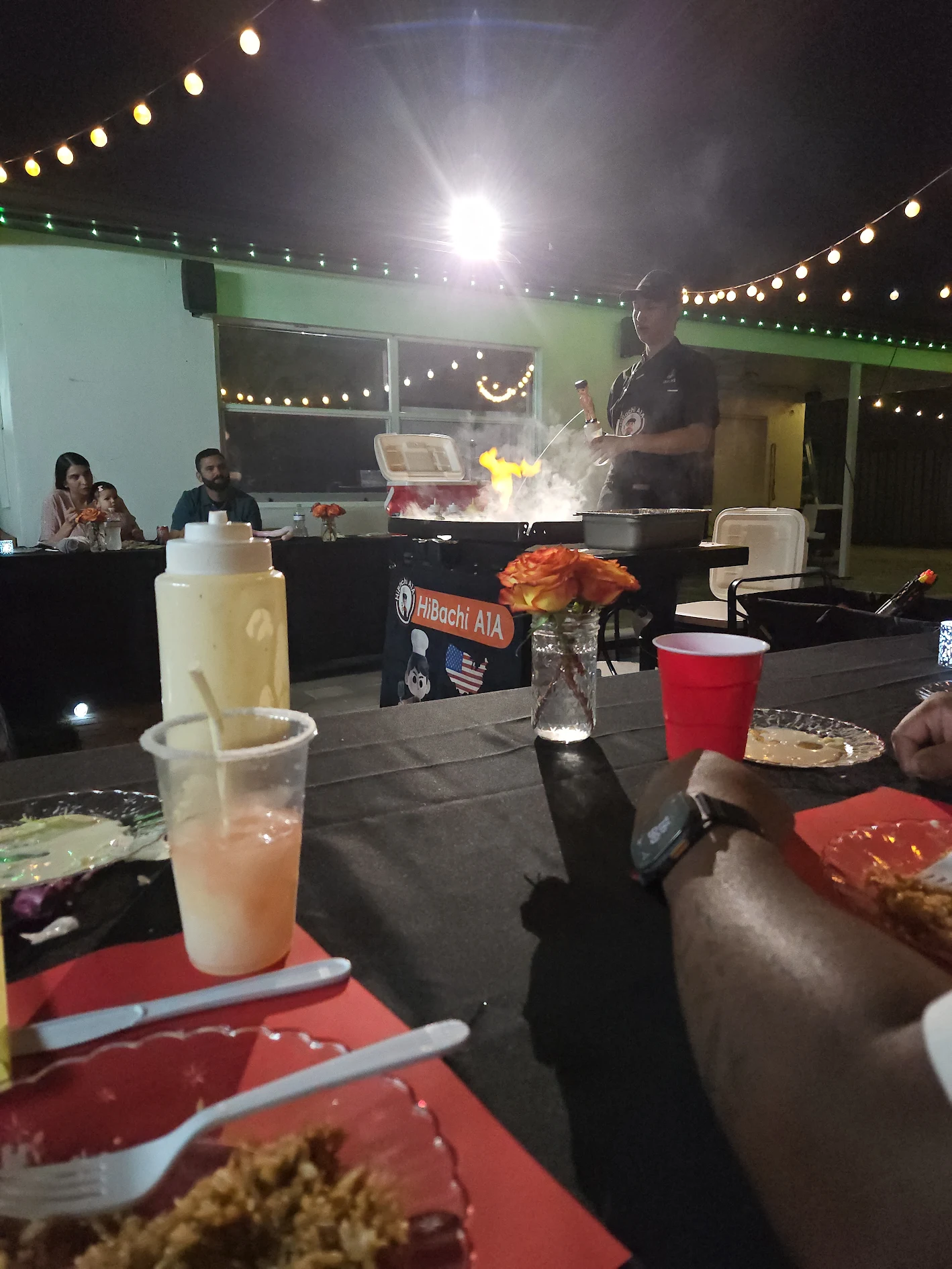
Hibachi A1A exclusive: Our event kits include a pre-seasoned cast-iron griddle, spatula, and a recipe card booklet. We believe the right gear makes home cooking effortless.
8. The Hibachi A1A Advantage: Curated Ingredient Packs
Now that you know what you need, where do you get it? You could spend hours hunting for the perfect ribeye, sourcing fresh yakisoba noodles, and mixing sauces from scratch. Or you could let Hibachi A1A do the heavy lifting. We offer curated ingredient packs designed specifically for private events—pre-portioned proteins (choose from steak, chicken, shrimp, or all three), pre-cut vegetables, house-made yum yum and ginger sauces, premium short-grain rice, and our signature garlic butter.
Our packs even include edible decorations like edible flowers and micro greens for that Instagram-worthy plating. For larger groups (up to 50 guests), we provide a portable griddle rental and a hibachi chef guide to help you run the show like a pro.
Bring the hibachi experience Home
A private hibachi event doesn’t require a restaurant budget or a professional chef—just the right ingredients, a hot surface, and a little confidence. By stocking your kitchen with high-quality proteins, crisp vegetables, authentic sauces, and the right fats, you can recreate that theatrical, delicious experience in your own space.
And when you partner with Hibachi A1A, you eliminate the guesswork. From pre-measured marinades to chef-approved tool kits, we provide everything you need to impress your guests without the stress. So go ahead—fire up that griddle, crack an egg with a single hand, and watch your friends’ jaws drop. The essential ingredients are in your hands.
Ready to plan your private hibachi event? Visit Hibachi A1A today and discover our home party packages.