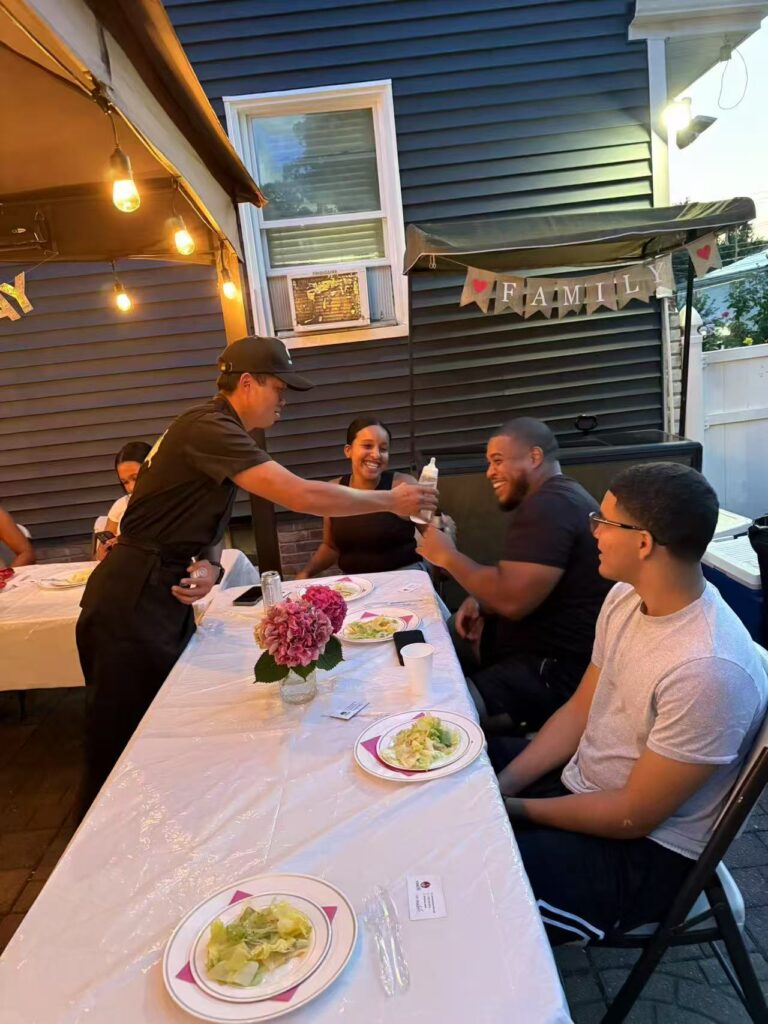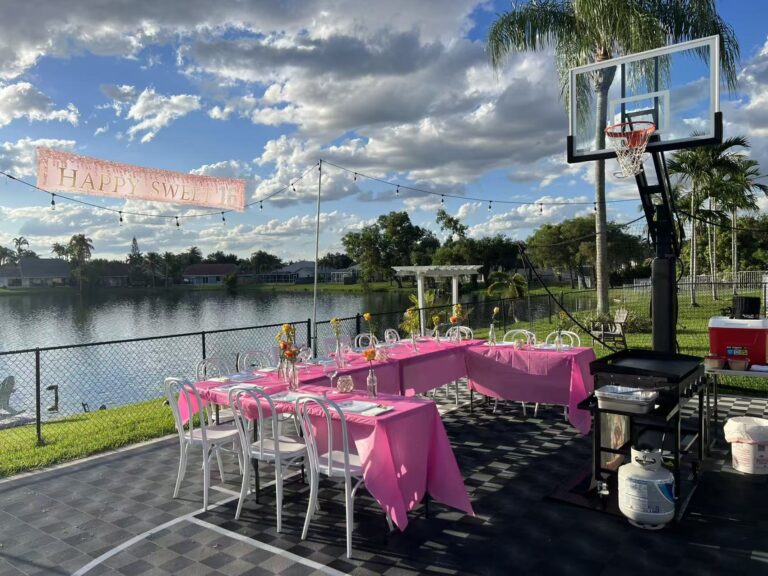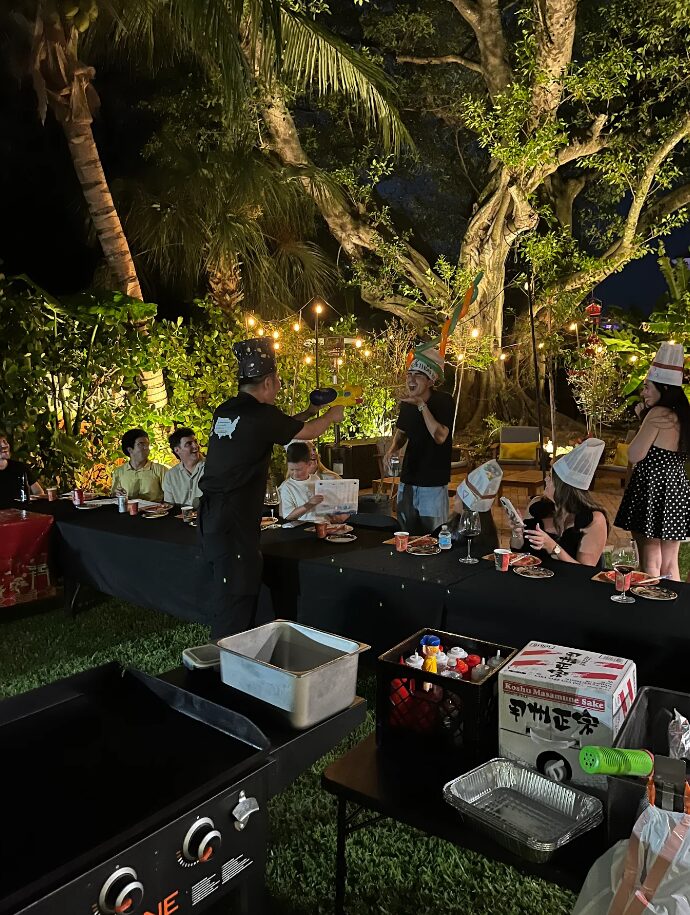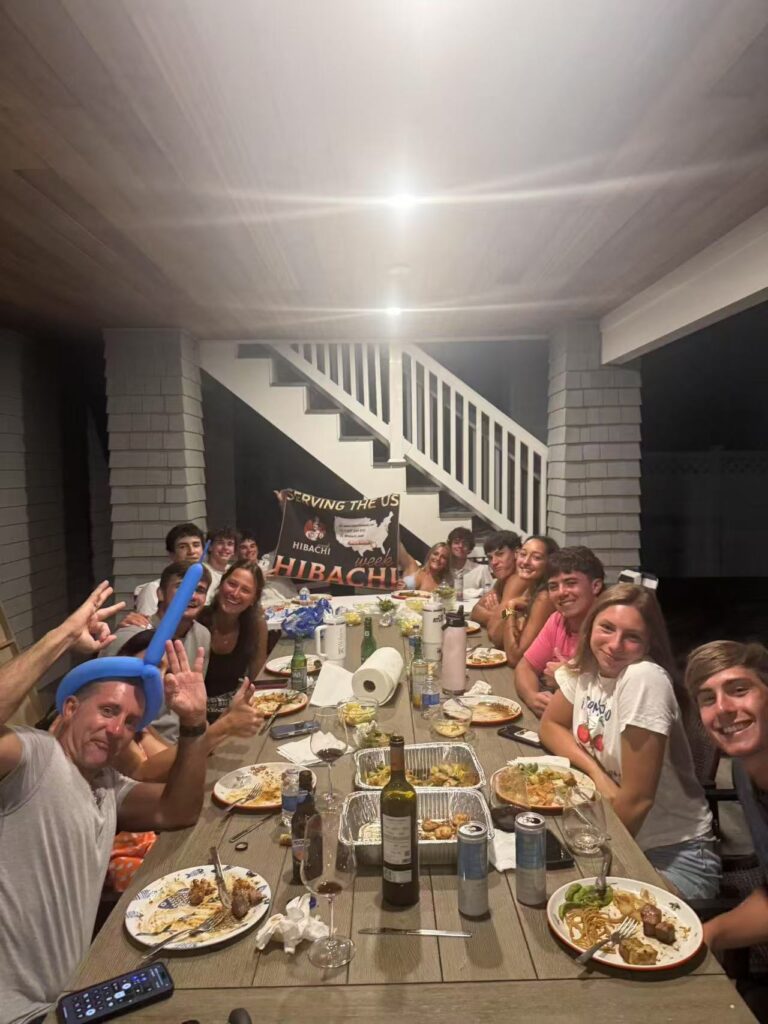
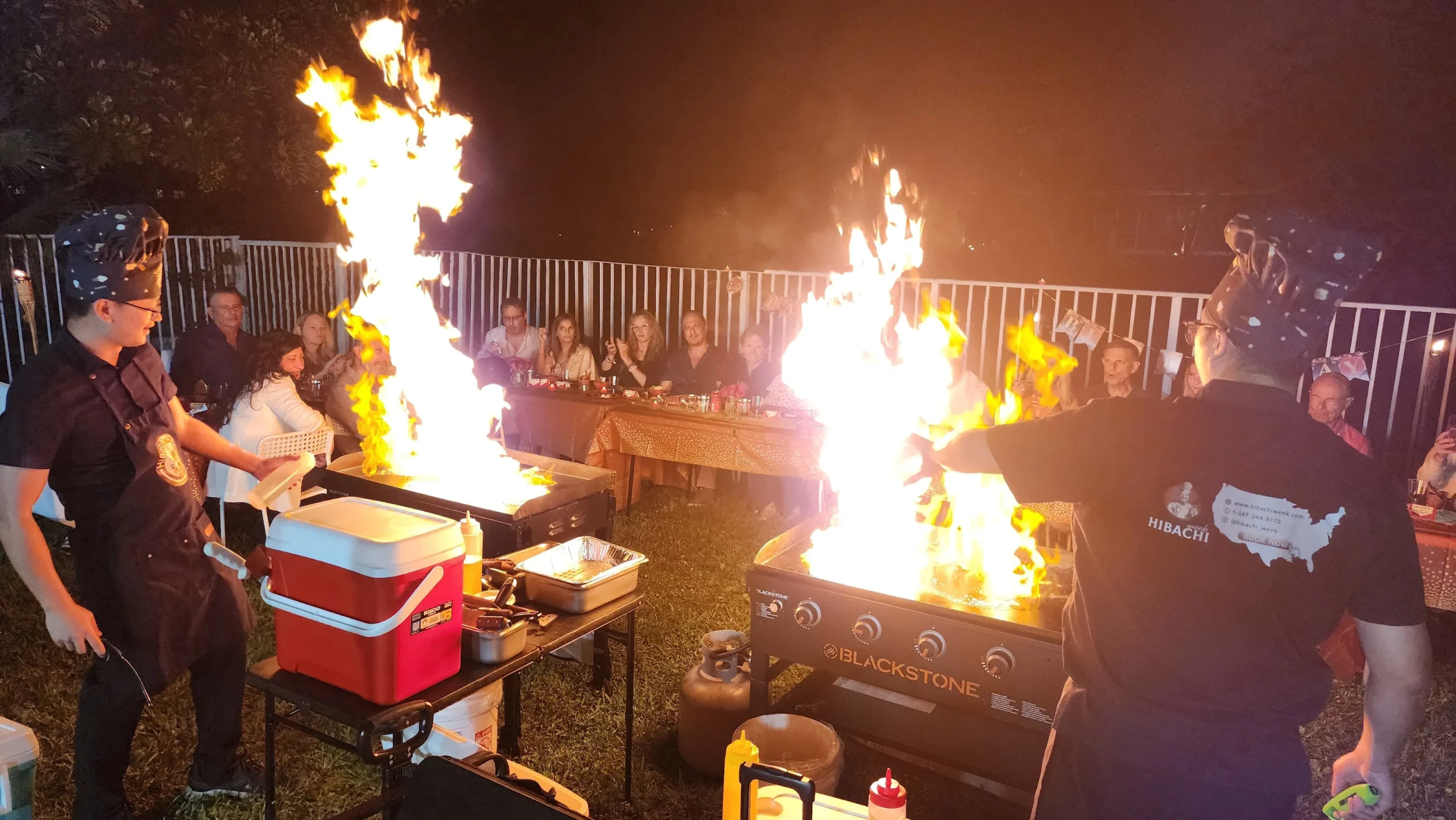
The theatrical sizzle, the masterful toss of spatulas, and the irresistible aroma of garlic butter—hibachi dining has long been a favorite for celebratory meals. But what if you could replicate that exact energy in your own backyard or dining room? Hosting a hibachi party at home is not only a budget-friendly alternative to dining out, but it also transforms a simple meal into an interactive experience that guests will remember. To pull this off seamlessly, preparation is everything. You need a comprehensive blueprint that covers every ingredient, tool, and sauce. This guide, curated with insights from the experts at Hibachi A1A, offers a complete “Complete Hibachi Ingredients at Home Checklist for Parties.” Whether you are a seasoned home chef or a first-time host, this checklist ensures you have every component to deliver an authentic, restaurant-quality feast that keeps the energy high and the flavors bold.
Essential Protein Selection: The Star of the Show
Protein is the centerpiece of any hibachi experience. For a party, variety is critical to cater to different palates. Begin with classic steak options like ribeye or sirloin, sliced into bite-sized cubes for quick, high-heat cooking. Chicken thighs are forgiving and remain juicy, while filet mignon offers a premium touch. For seafood lovers, colossal shrimp and sea scallops are non-negotiable; these cook in minutes and absorb the signature garlic butter beautifully. If you are feeling ambitious, lobster tails or salmon fillets can elevate the menu. Key preparation tip: marinate your proteins briefly in a simple blend of soy sauce, minced garlic, and fresh ginger for at least 30 minutes. This deepens the umami profile. A crucial item on your checklist is sourcing these proteins fresh or properly thawed. Hibachi A1A recommends having at least two protein options per party to accommodate dietary choices—consider adding tofu or plant-based steak strips as a third option for vegetarian guests. Portion control is also vital: plan for approximately 6 to 8 ounces of protein per person, ensuring every guest gets a generous taste of each variety.
Vegetables and Aromatics: Building Flavor Layers
No hibachi meal is complete without a colorful medley of vegetables that provide texture, sweetness, and crunch. The golden quartet includes zucchini, yellow squash, onions, and mushrooms (shiitake or cremini are excellent). Broccoli florets and julienned carrots add vibrant color and nutrients. Slice all vegetables uniformly—about ?-inch thick pieces ensure even cooking under high heat. Do not overlook aromatics. Fresh garlic cloves, finely minced, and a generous knob of butter are foundational to that signature hibachi taste. Sesame seeds for garnish and chopped scallions for freshness should be on your list. Another often-missed item is bean sprouts, which add a light, crisp contrast to the heavier meats and rice. For a truly professional touch, consider the “vegetable medley” approach: cook each type separately on the griddle to control doneness, then toss them together in garlic butter and soy sauce at the end. Your checklist should also include oil for the griddle—sesame oil for flavor and a high-smoke-point vegetable oil like avocado or grapeseed for cooking.
The Foundation: Hibachi Fried Rice and Noodles
Hibachi fried rice is a distinct culinary creation—it is not just a side dish but an integral part of the performance. The essential ingredients are day-old jasmine or short-grain white rice (fresh rice turns mushy), eggs, frozen peas and carrots, and butter. Soy sauce and a touch of oyster sauce or mirin add depth. For the perfect texture, cook the rice on a well-oiled griddle, pushing it into a mound, creating a “volcano” effect with eggs cracked directly onto the cooking surface. This is a crowd-pleasing technique that also looks impressive. Alternatively, yakisoba noodles offer a fun twist; these require a different sauce blend (Worcestershire sauce, ketchup, soy sauce, and sugar). Both options are fantastic for parties because they are filling and pair with any protein. Remember to include garnishes like toasted sesame seeds and furikake seasoning (a Japanese rice seasoning) for an authentic finish. Your checklist must also account for time: fry rice in batches to avoid overcrowding, which causes steaming instead of frying. Hibachi A1A suggests preparing a double batch of rice to ensure leftovers, as it is often the dish guests ask for seconds on.
Sauces, Seasonings, and Condiments: The Secret Weapons
A hibachi party relies heavily on a well-stocked sauce station. You cannot rely on bottled generic sauces; creating a DIY set will impress your guests. The “must-have” trio includes: 1) Garlic Butter—simply melted butter with minced garlic and a pinch of salt; 2) Ginger Sauce—a creamy, tangy blend of fresh ginger, soy sauce, rice vinegar, and a touch of mayonnaise or sesame oil for body; 3) Yum Yum Sauce—a slightly sweet pink sauce made from mayonnaise, ketchup, sugar, paprika, and garlic powder. Additionally, keep plain soy sauce, teriyaki sauce, and chili garlic sauce on hand for those who want heat. Seasonings are equally important: white pepper, garlic powder, and onion powder are used generously during cooking. Never forget the finishing touch—a drizzle of fresh lemon juice over seafood or vegetables brightens the entire flavor profile. To streamline your party, pre-make sauces in squeeze bottles at least a day in advance. Label them clearly so guests can customize their plates. The checklist should include a small bowl of toasted sesame seeds and red pepper flakes for garnishing.
Equipment and Tools: Setting the Stage for Success
Having the right equipment is just as critical as the ingredients. For a home hibachi party, a portable electric griddle or a large cast-iron plancha is ideal. Ensure it has a large enough cooking surface to feed multiple guests without waiting. You will need an arsenal of tools: long-handled spatulas (at least two) for flipping and chopping, a squeeze bottle for oil and sauces, and a bench scraper for cleaning the griddle between batches. Other essentials include a rice cooker for perfect rice, mixing bowls for prep, and a sharp knife set for uniform cutting. For serving, invest in rectangular plates or traditional bento boxes to hold the rice, protein, and veggies separately. Do not forget a dedicated “egg cracking” bowl and a small trash bowl for shells. Safety equipment like heat-resistant gloves and a splatter guard are also smart additions, especially if cooking near guests. A final pro tip from Hibachi A1A: keep a spray bottle filled with water nearby to control grease flare-ups and to create steam for cleaning the griddle between courses.
Party Logistics and Preparation: Timing is Everything
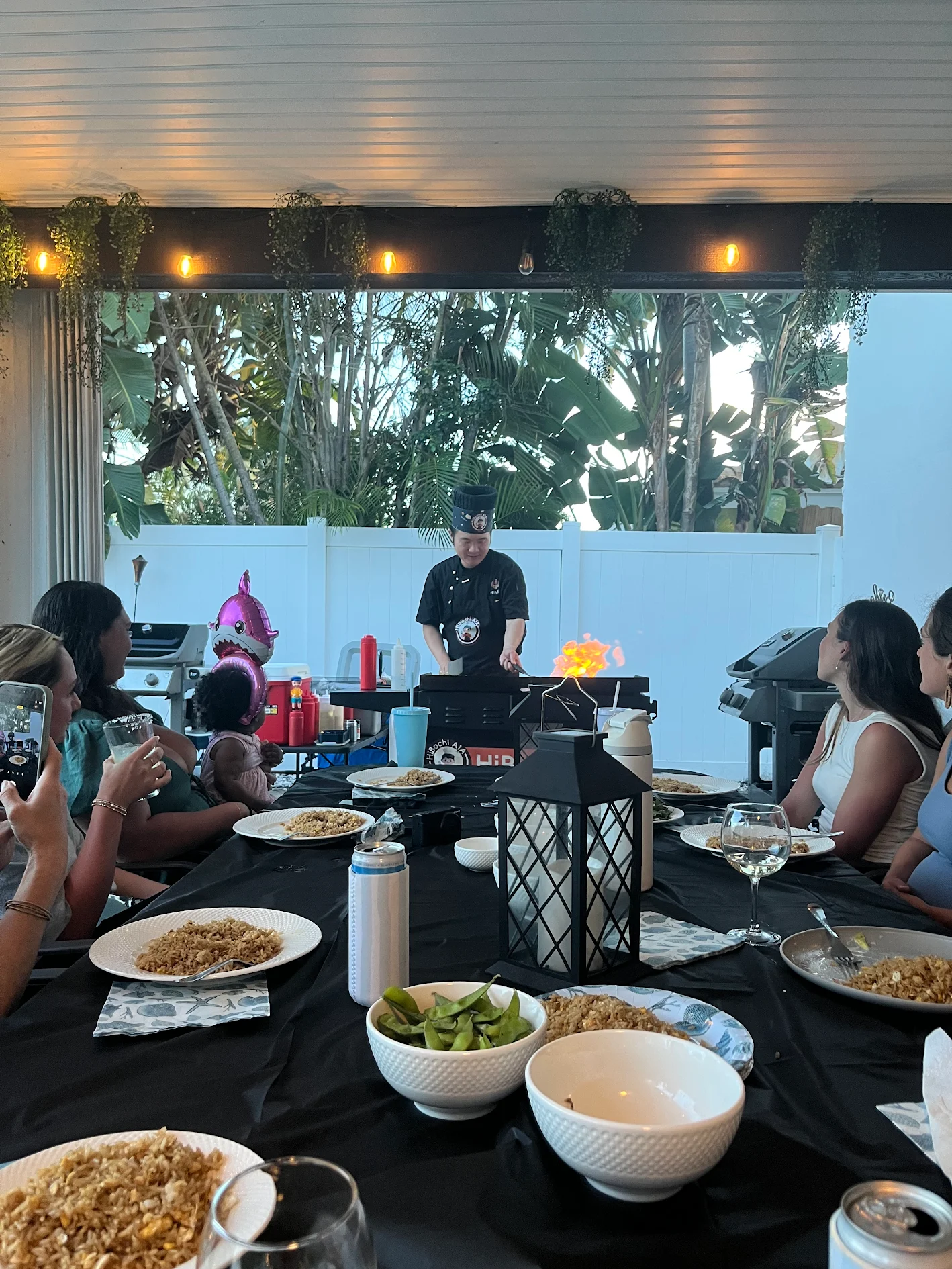
Beyond the shopping list, your checklist must address the flow of the party. First, prep all ingredients the night before: chop vegetables, portion proteins, mix sauces, and measure out rice. On the day of the event, set up a “mise en place” station—arrange ingredients in bowls and trays in the order they will be cooked. This allows you to focus on the performance rather than scrambling for a missing ingredient. Consider a timeline: start with appetizers like edamame or miso soup (pre-made and kept warm) to buy yourself time. For the main event, cook in waves: first fried rice, then vegetables, followed by proteins. This ensures everything is served hot. A great way to engage guests is to have a “build your own bowl” station with sauces and garnishes. Finally, always have extra gloves, napkins, and wet towels for guests to clean their hands. The checklist should also include backup ingredients—extra butter, eggs, and soy sauce—in case of mistakes or unexpected appetites. Hibachi A1A emphasizes that the best hosts are prepared hosts; over-preparation reduces stress and amplifies fun.
Trust Your Checklist and Let Hibachi A1A Help
Mastering the “Complete Hibachi Ingredients at Home Checklist for Parties” is the first step to becoming a legendary host. From high-quality proteins and fresh vegetables to signature sauces and professional-grade tools, every detail matters. The joy of a hibachi party lies in its interactivity—the sizzle of the griddle, the smell of garlic butter, and the smiles of your guests as they customize their plates. With the right preparation, you can replicate the experience seamlessly in your own space. For those who want to simplify the process even further, consider sourcing your ingredients from Hibachi A1A. They offer curated meat and seafood packs, pre-made sauces, and even rental equipment for large gatherings. Their expertise can transform a daunting checklist into an effortless, enjoyable party. So, plan ahead, cook with confidence, and get ready to host a hibachi night that rivals your favorite steakhouse. Your guests will be raving about it long after the last grain of rice is eaten.