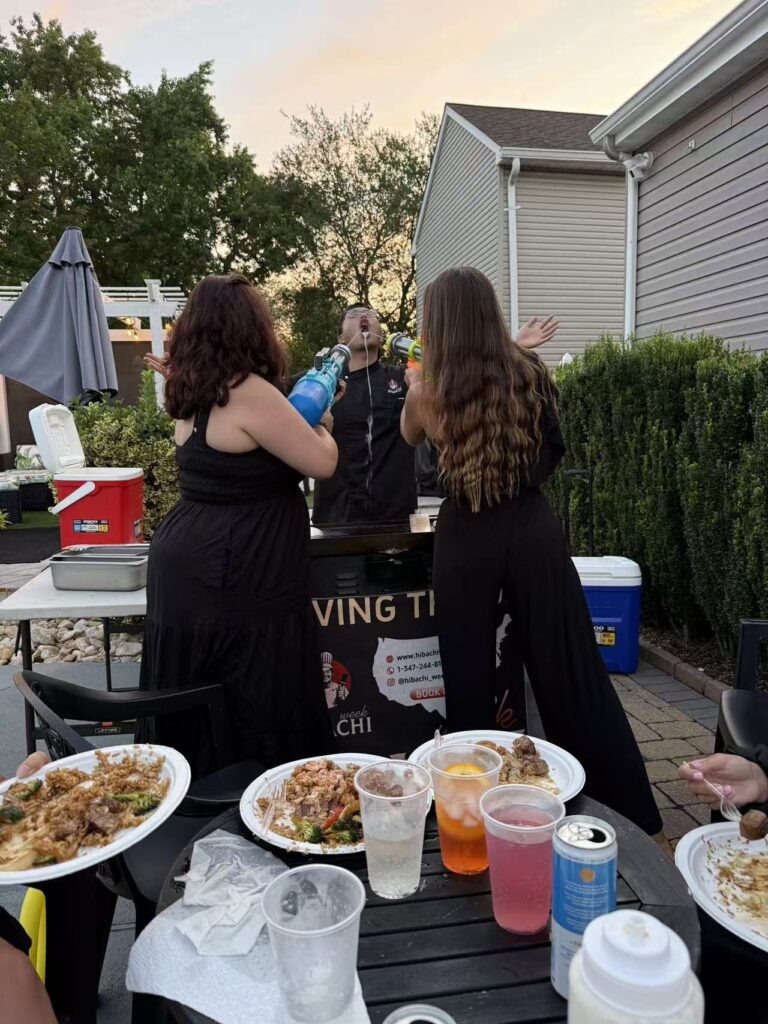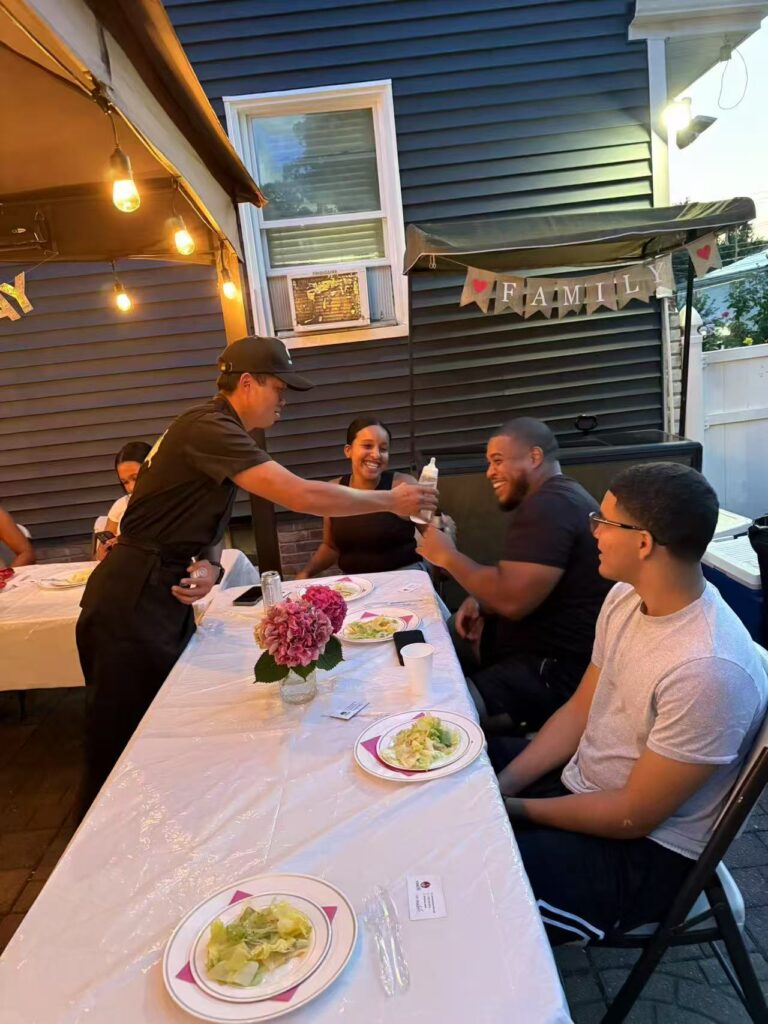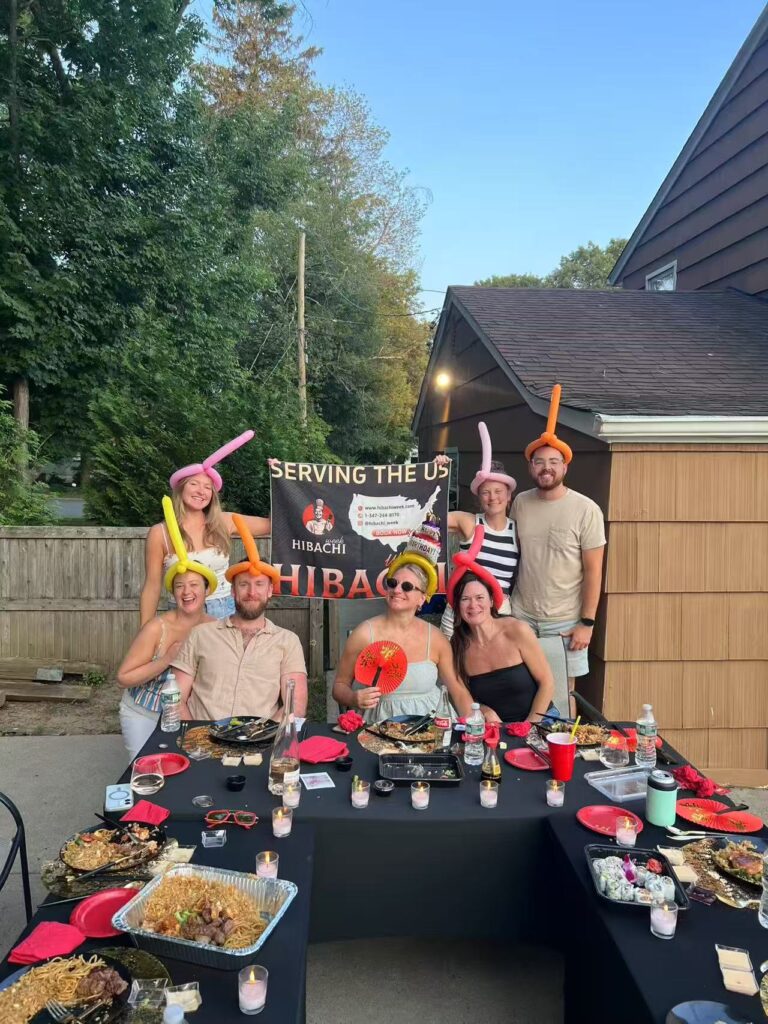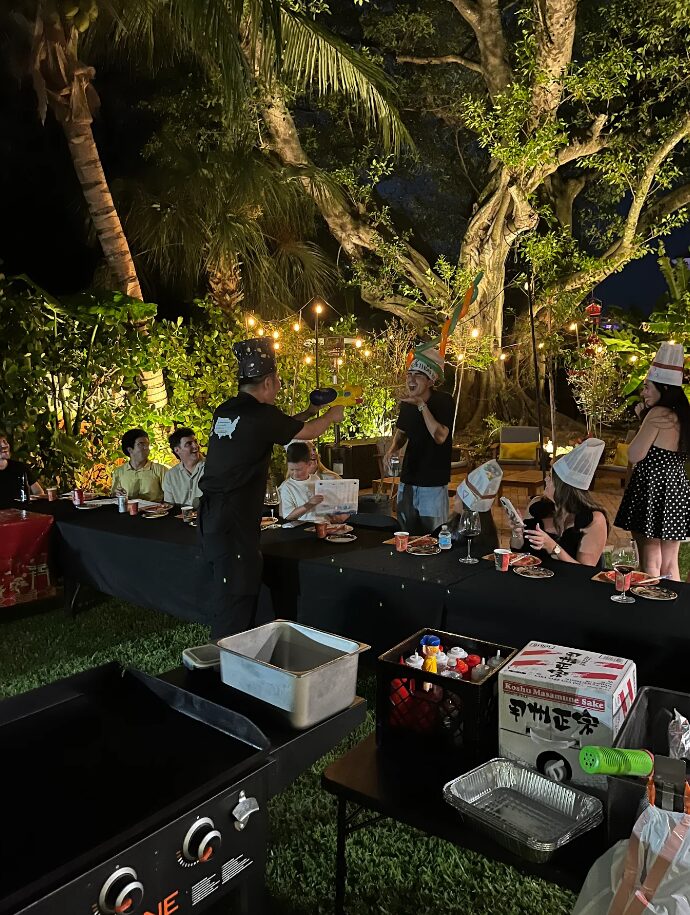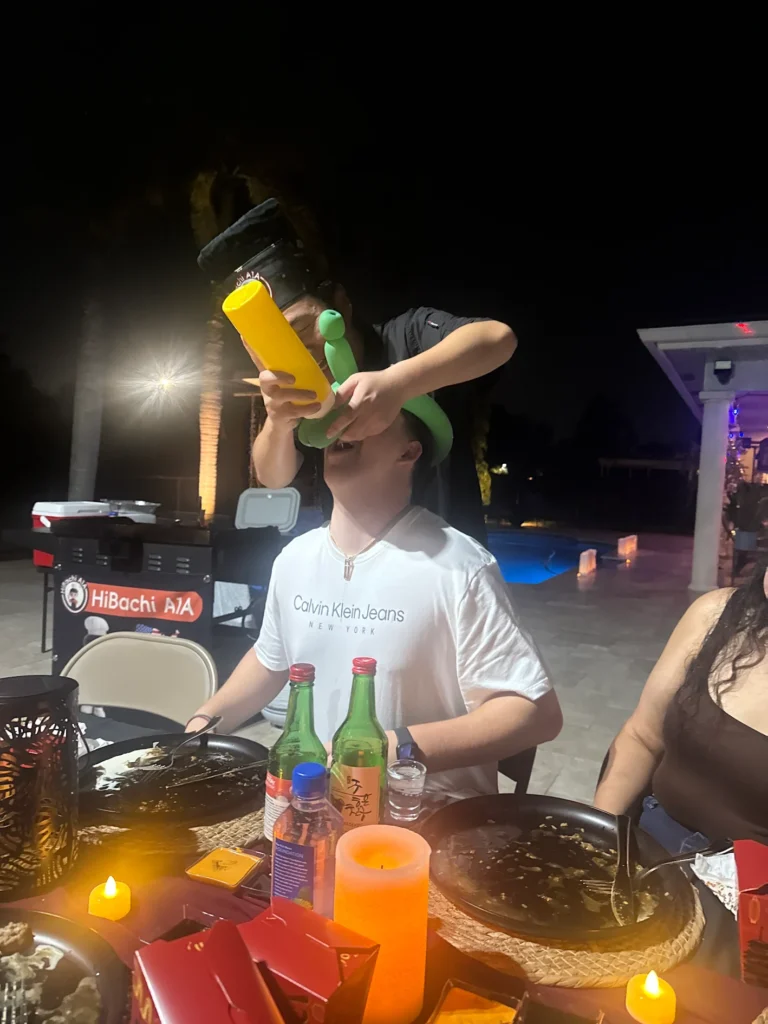
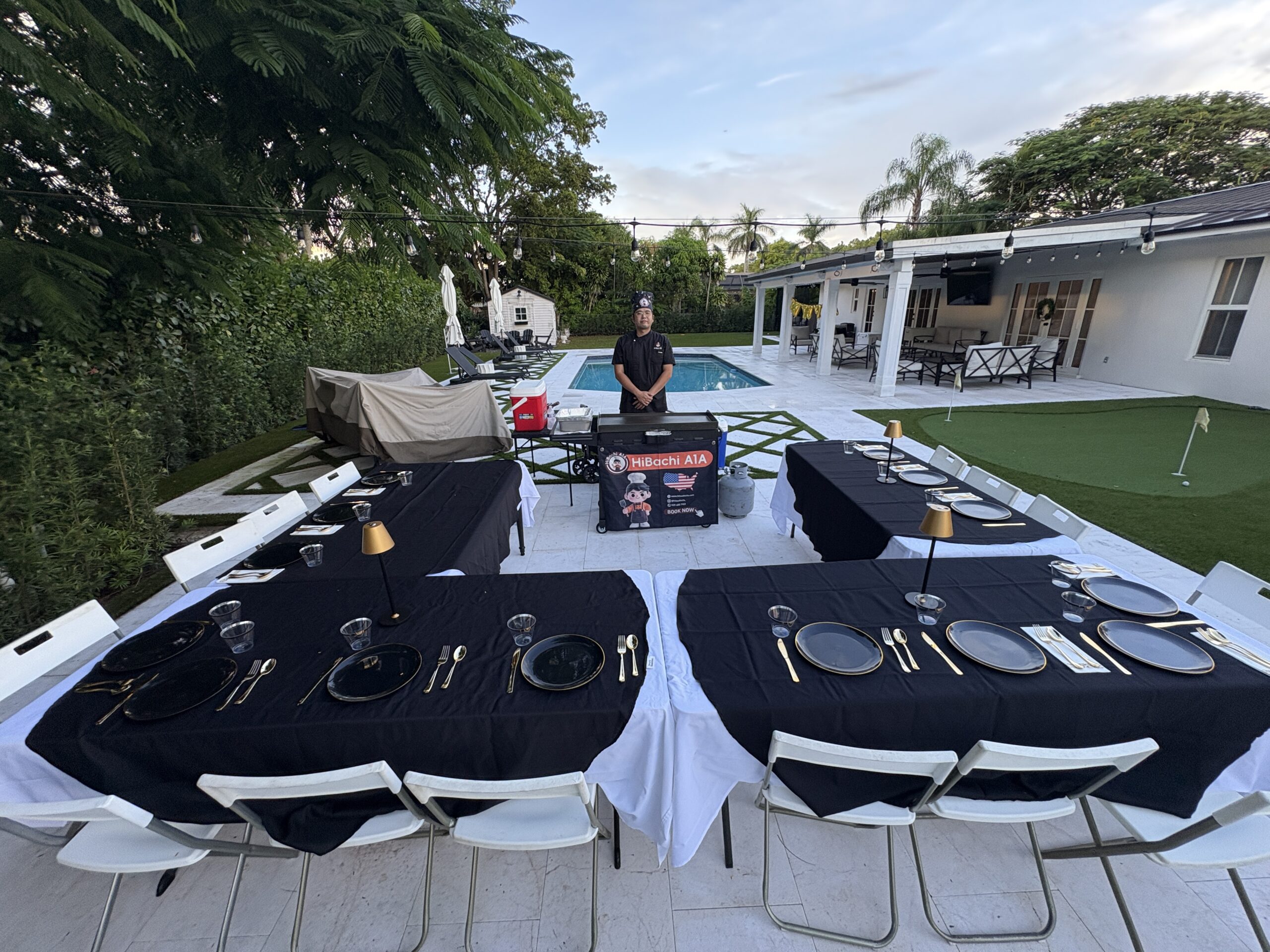
Hibachi cooking, with its roots in Japanese teppanyaki, has captivated food lovers with its sizzling grills and theatrical performance. For private family dinner gatherings, recreating this experience at home offers a unique blend of delicious food and interactive entertainment. This comprehensive guide, curated with insights from Hibachi A1A—a premier provider of hibachi essentials—covers everything from foundational setup to advanced techniques. Our goal is to equip you with the knowledge to host a memorable family dinner that rivals any steakhouse.
Setting Up Your Hibachi Station at Home
A successful hibachi dinner begins with proper preparation. This involves gathering the right equipment and selecting premium ingredients.
Essential Equipment
The cornerstone of hibachi cooking is the grill. A portable flat-top griddle or a dedicated hibachi grill is ideal. Hibachi A1A offers a selection of grills with features like rapid heating and even temperature control. Additional tools include:
– Long metal spatulas for flipping and chopping.
– Meat cleavers to dice ingredients on the grill.
– Squeeze bottles for oils, sauces, and water.
– Marinating trays and containers for prep.
Always have a fire extinguisher and heat-resistant mitts nearby for safety. Organize your station with ingredients in small bowls to streamline cooking.
Ingredient Selection
Quality ingredients make a difference. Common proteins for family dinners include beef steak (such as ribeye or sirloin), boneless chicken thighs, shrimp, and scallops. For a vegetarian option, firm tofu or tempeh works well. Vegetables like broccoli, carrots, zucchini, bell peppers, and onions are staples. Mushrooms add an earthy flavor. Hibachi A1A’s ingredient kits include pre-marinated meats and fresh vegetable assortments, ensuring consistency. Don’t forget seasonings: sea salt, black pepper, garlic butter, sesame oil, and soy sauce form the base flavors.
Mastering Hibachi Cooking Techniques
Hibachi cooking is both art and skill. Mastering key techniques elevates your presentation and taste.
Heat Control and Timing
Preheat your grill to high heat (around 400°F). Cook proteins first: sear steak and chicken on the hottest zone for 2-3 minutes per side to create a crust, then move to a cooler area to cook through. Shrimp cook quickly, so add them later. Vegetables should be cooked after meats to pick up residual flavors. For fried rice, cook rice and eggs first, then mix with vegetables and soy sauce. Timing is crucial: use a thermometer for meat doneness and keep cooked items warm.
The Art of the Flip
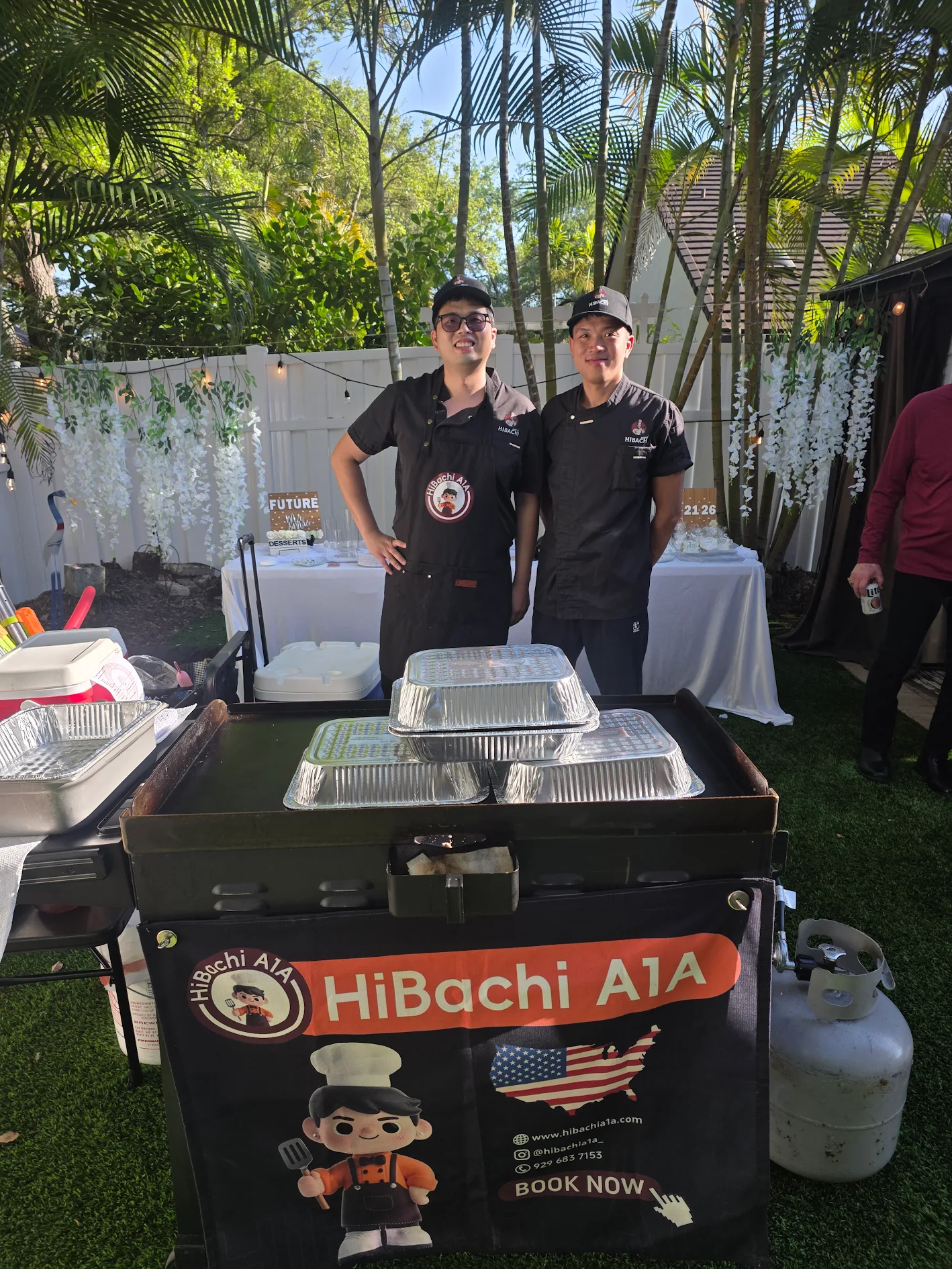
Flipping food is a signature hibachi move. Start with easy items like onion slices or mushrooms. Use a spatula to flip with a quick, controlled motion. Practice on less sticky foods like rice. For a higher show effect, try flipping an egg or shrimp. Hibachi A1A’s spatulas are designed for precise control. Another fun trick is creating a volcano with onion rings and lighting sake inside—a guaranteed crowd-pleaser.
Interactive Cooking Approaches
Involve your family by allowing them to choose ingredients or season their portions. Set up a hibachi bar with various sauces and toppings. This interaction enhances the dining experience.
Designing a Family Dinner Menu
A well-planned menu ensures all guests are satisfied. Offer a balance of flavors, textures, and cuisine styles.
Appetizers and Sides
Begin with light bites like edamame sprinkled with sea salt or a simple miso soup. For sides, prepare hibachi-style vegetables: sauté broccoli, zucchini, and bell peppers in garlic butter with a splash of soy sauce. Fried rice is essential; use day-old rice for best results. Another side is bean sprout and carrot medley.
Main Courses
The main attraction is the protein. Serve a combination of steak, chicken, and shrimp cooked with garlic butter and teriyaki glaze. For vegetarians, grill tofu with vegetables and serve with yum yum sauce. Present all items on a sizzling platter. Pair with dipping sauces like spicy mayo or ginger sauce.
Desserts
Conclude with a light dessert: green tea ice cream, mochi, or fresh fruit like mango. Hibachi A1A offers dessert kits for convenience.
Signature Sauces and Seasonings
Sauces define the hibachi taste. Here are authentic recipes to try.
Yum Yum Sauce Recipe
Combine 1 cup mayonnaise, 2 tablespoons ketchup, 1 tablespoon melted butter, 1 teaspoon garlic powder, 1 teaspoon paprika, and a pinch of sugar. Whisk until smooth. Store in a squeeze bottle. This sauce is versatile for meats and rice.
Ginger Sauce
Mix 1/2 cup low-sodium soy sauce, 1/4 cup rice vinegar, 1 tablespoon fresh grated ginger, 1 teaspoon sesame oil, and 1 teaspoon sugar. Adjust seasoning to taste. Use as a dip for vegetables.
Teriyaki Glaze
Simmer 1 cup soy sauce, 1/2 cup mirin, 1/4 cup sugar, and minced garlic until thickened. Brush on meats during cooking.
Tips for a Successful Family Dinner
Execution is key. Prepare ingredients in advance and set up the cooking station near the dining area.
Manage the Cooking Flow
Cook in rounds: appetizers first, then proteins, and finally sides. Keep food warm in a low oven or on the grill’s periphery. Serve buffet-style to allow guests to choose.
Enhance the Atmosphere
Create a Japanese-themed ambiance with lanterns, bamboo placemats, and background music. Hibachi A1A offers decoration kits for home events.

Clean-Up Efficiently
Clean the grill while still warm using a lemon half to degrease. Non-stick surfaces make cleanup easy. Hibachi A1A grills come with scrape tools for maintenance.
Elevate Your Family Dinner with Hibachi A1A
Hosting a hibachi dinner at home is a rewarding experience that combines great food with family interaction. With the right equipment, ingredients, and techniques, you can create a feast that everyone will remember. For premium products and expert advice, trust Hibachi A1A to be your partner in culinary success. Embrace the sizzle and start planning your next gathering today!