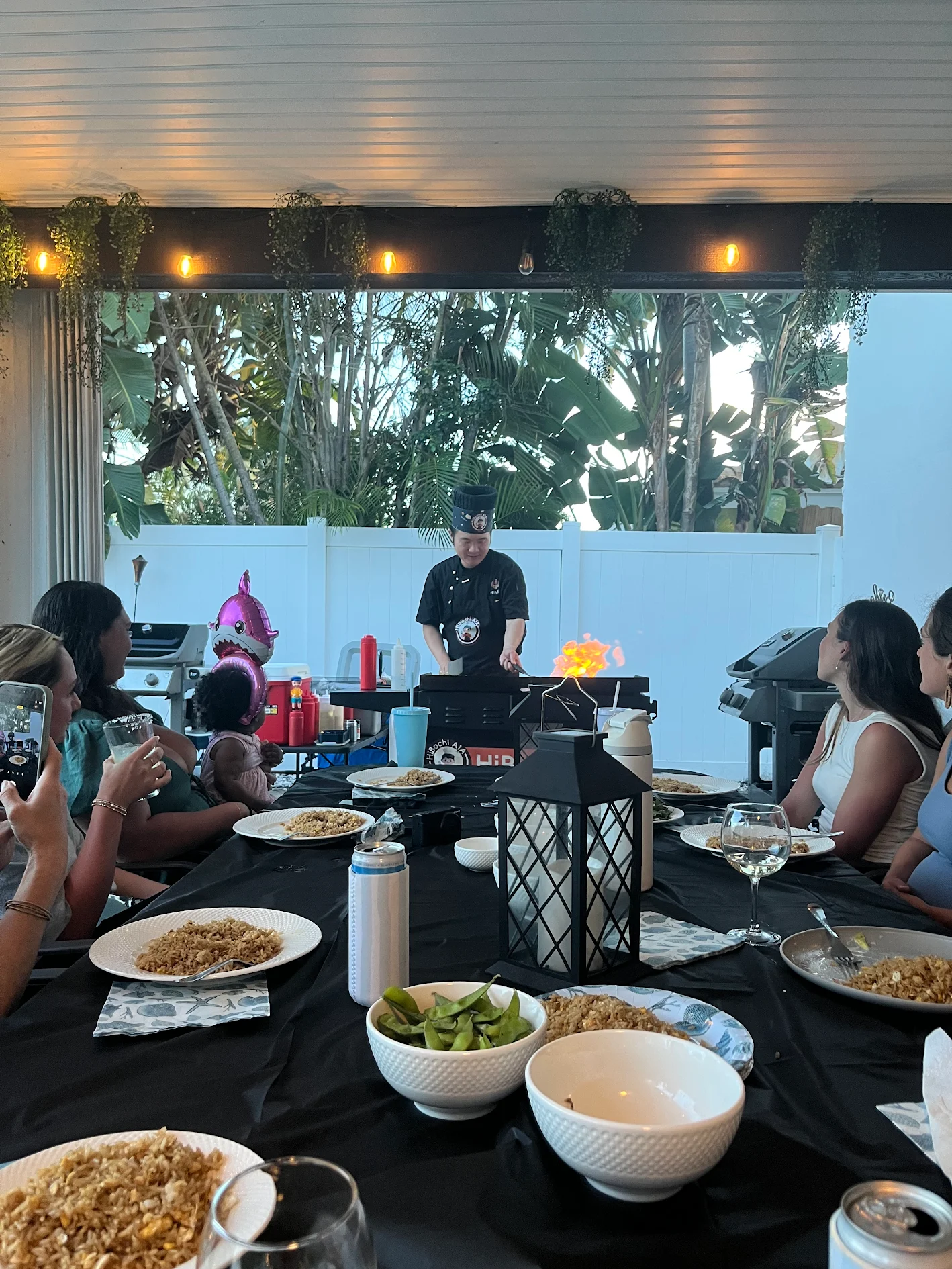
When you picture a hibachi party, you likely imagine a chef juggling flaming onion volcanoes, tossing shrimp into guests’ mouths, and sizzling filet mignon on a gleaming steel griddle. The appeal of bringing that theatrical dining experience directly to your backyard or living room has exploded in recent years. But before you commit to a booking, the most critical question remains: how do you compare hibachi party at home prices across local mobile catering services?
The price range for a private hibachi chef can vary dramatically—from as low as $35 per person for a basic chicken and vegetable menu to $150 or more per person for premium surf-and-turf options with multiple courses. However, the headline number is rarely the whole story. To make an apples-to-apples comparison, you must dissect what is included in the quoted rate. Some local mobile catering companies, like Hibachi A1A, structure their pricing per head with a minimum guest count (often 10–15 people). Others charge a flat event fee plus a per-person food cost. Additionally, travel fees, gratuity (typically 15–20% added post-event), and service charges for propane, oil, and cleanup are frequently buried in the fine print. A quote that appears cheaper per head may ultimately cost more once you factor in a $75 travel surcharge for a 20-mile radius or a mandatory $50 cleaning fee. Therefore, your first step in comparing is to request a detailed, itemized proposal from at least three local providers.
Key Factors That Influence Local Mobile Catering Quotes
Menu Complexity and Ingredient Sourcing
The single largest driver of price variability is the protein selection. A standard hibachi menu featuring chicken breast, fried rice, and zucchini will always be the budget-friendly anchor. But the moment you introduce filet mignon, lobster tail, or jumbo scallops, the cost per plate jumps by 40–60%. Hibachi A1A and other reputable local mobile caterers typically offer tiered menus: Bronze, Silver, and Gold. The Bronze tier might include chicken and beef teriyaki, while the Gold tier adds lobster, shrimp scampi, and a flaming dessert. When comparing prices, always ask whether the seafood is fresh or frozen, whether the beef is USDA Choice or Prime, and whether the fried rice is made with jasmine rice or sticky short-grain. These details materially affect both taste and cost.

Chef Experience and Showmanship Level
Not all hibachi chefs are created equal. A seasoned performer with 10+ years of experience who can do the “egg toss” and create a 3-foot-tall onion fireball will command a premium hourly rate compared to a newer chef who primarily focuses on grilling. Some local mobile catering companies differentiate their pricing based on the chef’s tier. For instance, Hibachi A1A might list a “Master Chef” package at $20 more per person than their “Standard Chef” package. The difference is not just entertainment value—experienced chefs are also more efficient, reducing cook time and ensuring food safety at scale. When comparing quotes, explicitly ask how many years of experience the assigned chef has, and whether a specific chef’s name is guaranteed in the contract. A price that undercuts the market by $15 per head might mean you are getting a trainee rather than a seasoned entertainer.
Equipment, Travel Distance, and Setup Requirements
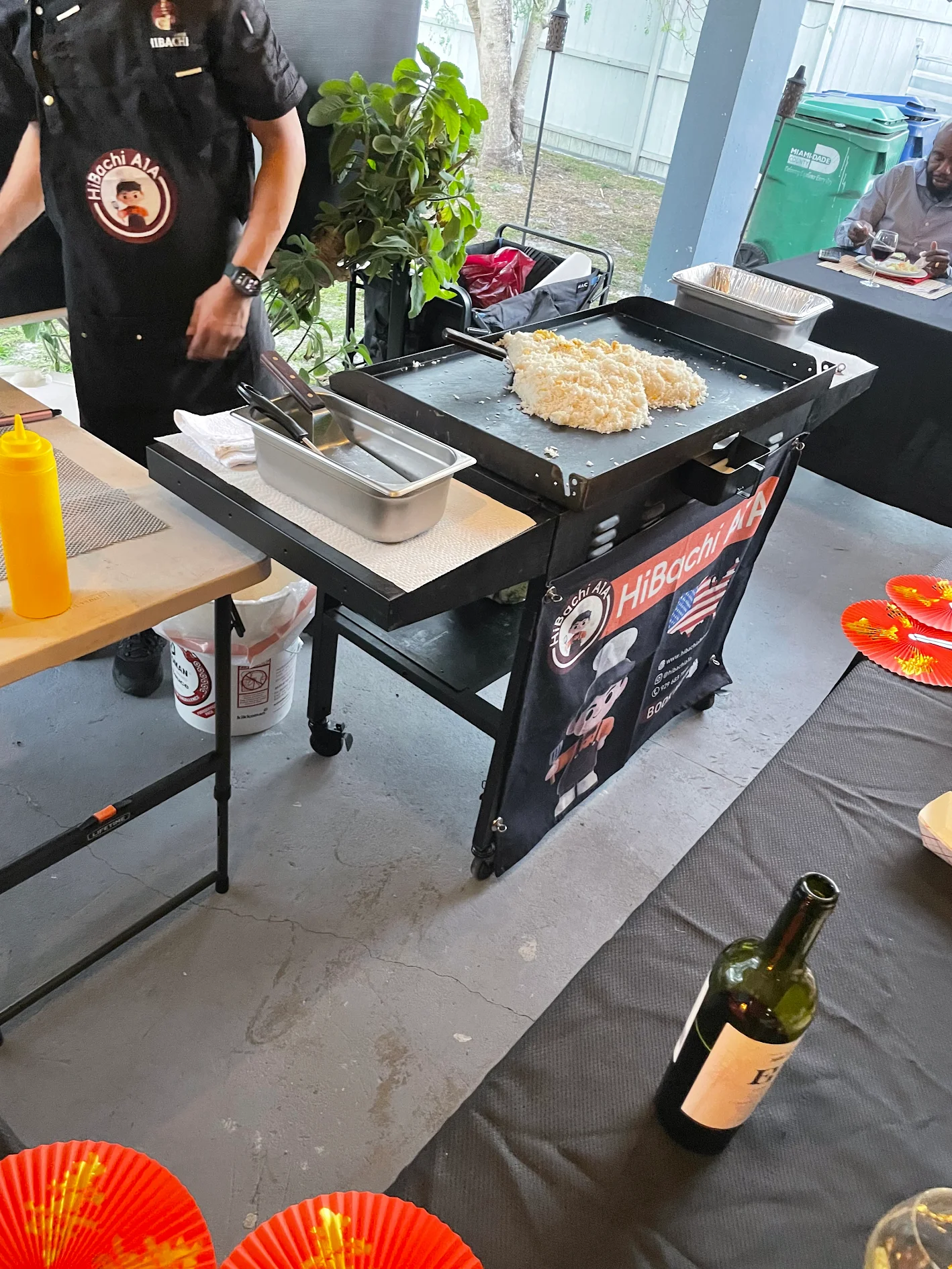
Mobile hibachi catering requires significant hardware: a 300-pound steel griddle, a propane tank (often two for backup), a portable ventilation hood (if indoors), and sometimes a generator if the venue lacks adequate power. Each piece of equipment adds logistical cost. Compare how each local provider handles travel. Some, like Hibachi A1A, offer free travel within a 15-mile radius of their base, then charge $2–$4 per mile beyond that. Others bake travel costs into a flat “event fee” that seems high at first but may be more economical for far-flung locations. Additionally, check whether the provider charges extra for indoor events that require flame-resistant table padding or extra liability insurance. A backyard patio with a concrete floor is the cheapest venue; a poolside setup with grass and nearby fabric furniture may incur a $50–$100 “safety surcharge.”
Hidden Fees and Value-Added Extras in Hibachi A1A’s Model
When comparing Hibachi A1A with other local mobile catering services, pay close attention to what is explicitly excluded from the base price. The most common hidden charges are:
– Gratuity: Many mobile caterers automatically add 18% service charge to the final invoice. Some advertise it as “tip included,” others do not. Always ask for the total with gratuity baked in, not just the food cost.
– Table and seating rental: If you do not have a table that can support a 200+ pound griddle, the caterer may rent you one at $45–$75 per table.
– Alcohol service: Hibachi chefs do not serve alcohol, but some providers offer a “sake service” add-on for $30–$50 per bottle, which is significantly marked up from retail.
– Cleanup and waste disposal: Most providers handle basic griddle scraping and table wiping, but if you have a large event (30+ guests), they may charge an extra $60–$100 for deep cleaning of the surrounding area.
Conversely, look for value-added extras that can offset a higher quote. Hibachi A1A distinguishes itself by offering a complimentary “show towel” folding demonstration and a free birthday dessert platter for events with more than 15 guests. Some competitors include a free on-site ice and cooler setup, while others charge $25 for the same service. Create a simple comparison table for yourself: list each provider’s per-person base price, travel fee, gratuity percentage, and included extras (e.g., table, cleanup, dessert). Then calculate the true total cost for your exact guest count and location. A provider that is $10 more per head but includes gratuity and travel can be cheaper than a bare-bones quote that adds $200 in surcharges.
How to Negotiate and Secure the Best Local Mobile Catering Deal
Off-Peak Discounts and Weekday Bookings
The cheapest time to book a private hibachi party is Tuesday through Thursday evenings, especially before 6:00 PM. Most local mobile catering businesses, including Hibachi A1A, fill their weekend slots at full price, but weekday bookings often have 10–15% flexibility. When you receive a quote, explicitly ask, “Is this the weekend rate? What would the price be for a Wednesday at 5:30 PM?” This simple question can shave $100–$200 off the total.
Bundling Multiple Services
If you are planning a larger celebration—say, a milestone birthday with 25 guests—ask the caterer whether they offer a package that includes a sushi station or a mochi dessert bar at a combined discount. Hibachi A1A often bundles a hibachi entree with a small sushi roll selection for $12–$18 more per person, which is cheaper than ordering sushi separately from a retail restaurant. Similarly, some providers will throw in a free chef’s appetizer (like grilled edamame or miso soup) if you agree to book two events in the same season.
Contract Clarity and Payment Terms
Finally, before signing any agreement, compare the cancellation and deposit policies. A provider that demands a 50% non-refundable deposit might be riskier than one that requires a 25% deposit with a 72-hour rescheduling window. Hibachi A1A uses a transparent, written contract that itemizes every fee, from the per-person price to the exact travel mileage charge. Avoid any local mobile catering service that only gives you a verbal estimate or refuses to put the gratuity policy in writing. The true cost of a hibachi party at home is not the flashiest number on a website—it is the total you actually pay after every surcharge, tip, and add-on is calculated. By comparing detailed proposals side-by-side, understanding the menu tiers, and negotiating on off-peak timing, you can enjoy a five-star teppanyaki experience in your own driveway without a five-star budget.