Planning an at-home meal for friends, family, or colleagues? A live Japanese-style grill can turn dinner into an event, bringing fresh food, sizzling sounds, and a little performance right to your home. When comparing hibachi and teppanyaki, however, the names can be confusing. They are often used interchangeably in the United States, even though they refer to different cooking traditions.
So, which option works best for at-home catering? The answer depends on the experience you want, your space, your menu, and how much interaction you expect from the chef. Understanding the difference can help you choose the right setup—and make the most of a mobile catering service such as Hibachi A1A.
What Is Hibachi?
The word “hibachi” traditionally refers to a Japanese heating device: a small, open container designed to hold burning charcoal. In its original form, it was not necessarily a large cooking grill. Over time, the term developed different meanings in different places. In the United States, people commonly use “hibachi” to describe a lively Japanese-style meal cooked on a flat iron griddle in front of guests.
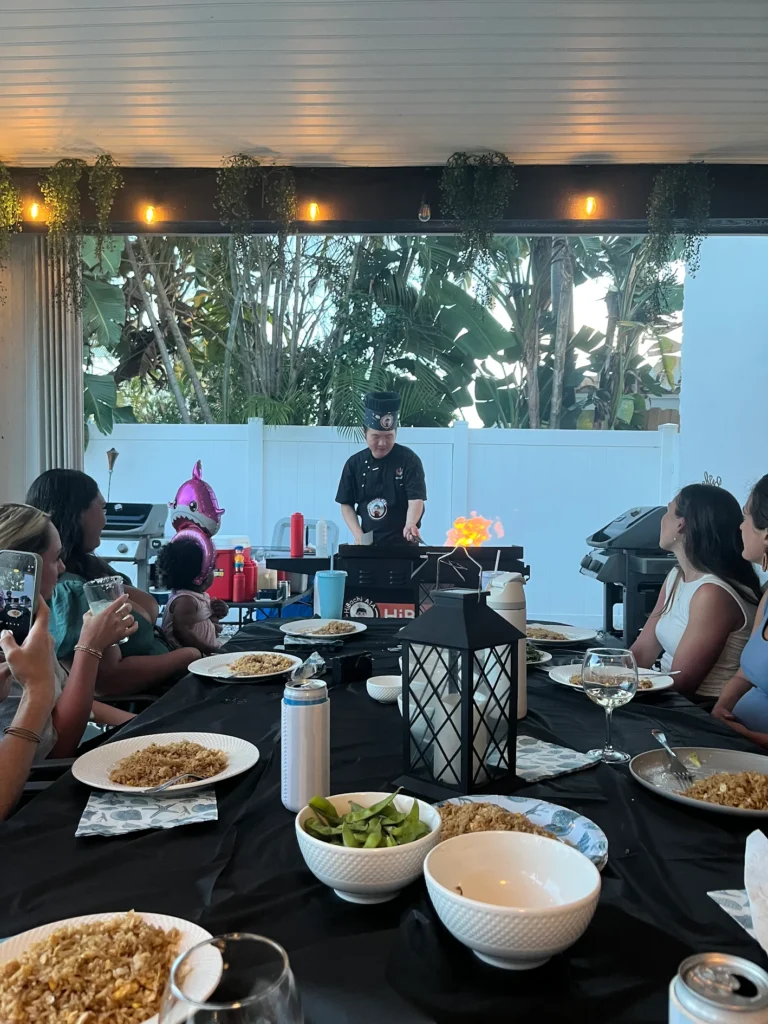
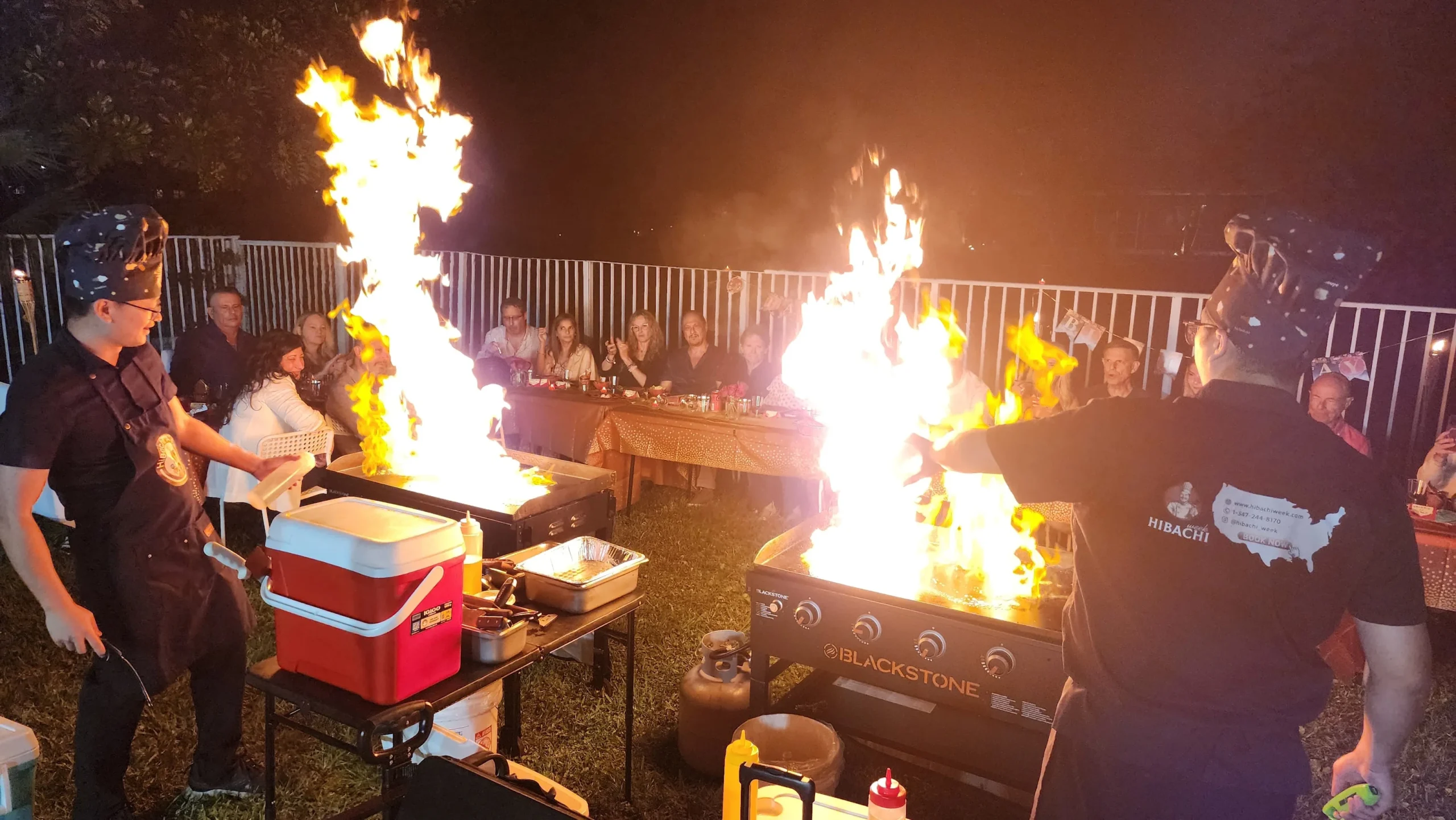
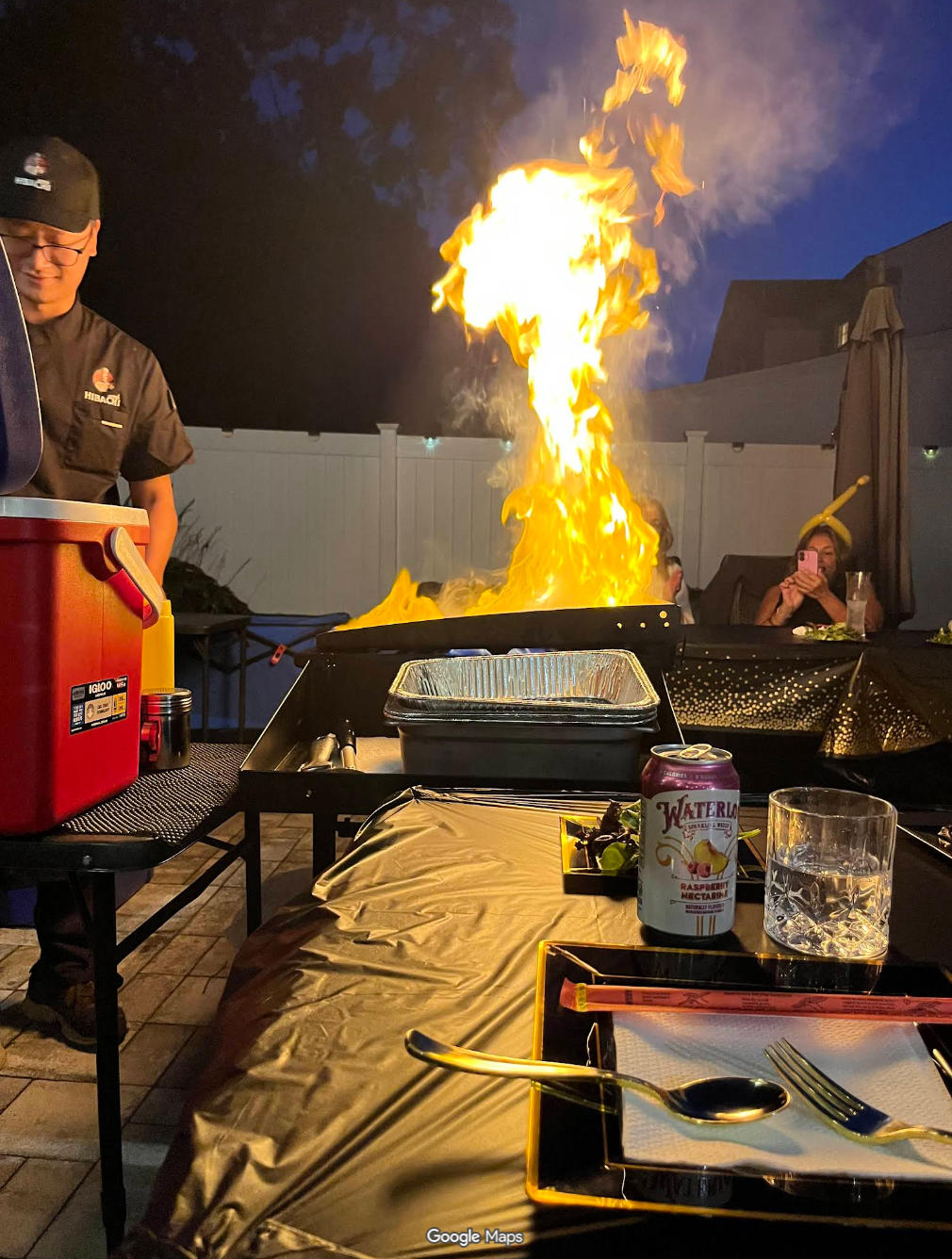
For at-home catering, “hibachi” often describes both the menu and the entertainment. Guests may gather around a cooking station while a chef prepares meat, seafood, vegetables, and rice. The cook’s performance can include fast knife work, playful interaction, and familiar grill-side tricks. The result is a meal that feels social rather than formal.
Because the term is used broadly, it is worth asking a caterer what their hibachi service actually includes. The cooking equipment, menu, chef’s setup, and level of tableside entertainment may vary from provider to provider.
What Is Teppanyaki?
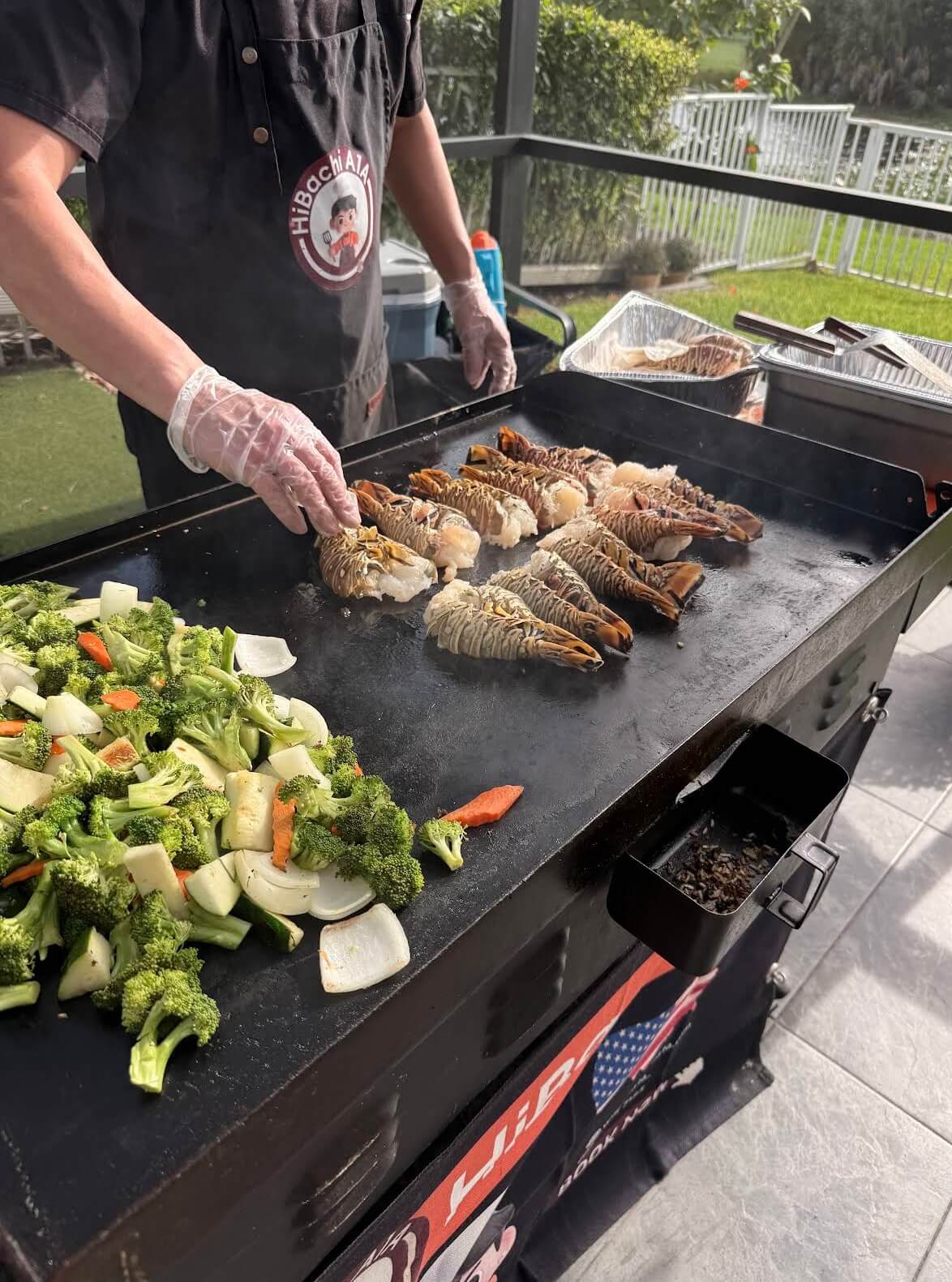
“Teppanyaki” combines the Japanese words teppan, meaning iron plate, and yaki, meaning grilled or cooked. It describes food prepared on a flat iron cooking surface. A teppanyaki-style meal can include steak, chicken, shrimp, vegetables, noodles, or rice, cooked quickly and served hot.
Teppanyaki places the cooking surface at the center of the experience. Depending on the setting, the chef may interact with guests and demonstrate cooking skills, or may focus more quietly on preparing the meal. The term describes the cooking method; it does not automatically promise a particular performance or menu.
At home, a teppanyaki setup can offer the same appealing combination of fresh cooking and shared dining, provided the catering service has suitable equipment and enough room to work safely.
The Main Difference: Tradition, Terminology, and Experience
The clearest technical difference is the cooking equipment: a traditional hibachi is associated with charcoal, while teppanyaki uses a flat iron griddle. But in American catering and restaurant advertising, “hibachi” is frequently used as a familiar name for an entertaining meal cooked on a griddle. That overlap can make the two options sound more different—or more similar—than they really are.
For a host, the label matters less than the practical details. Ask whether the chef cooks on a flat-top grill or another type of equipment, whether the service is prepared outdoors or indoors, what dishes are included, and how much guest interaction to expect. A clear description helps you compare actual experiences instead of relying on terminology alone.
Which Is Better for At-Home Catering?
Choose a hibachi-style experience for an interactive gathering
If your priority is entertainment, a hibachi-style service may be the better fit. Guests can watch the chef cook, chat during the meal, and enjoy a lively atmosphere. This works especially well for birthdays, family celebrations, casual parties, and gatherings where people want more than a delivered dinner.
The format also gives guests a natural reason to gather in one place. Instead of serving food from a kitchen or buffet, the cooking station becomes a focal point. For mixed-age groups, live preparation can keep children and adults engaged—though children should remain at a safe distance from the cooking area.
Choose teppanyaki for a focus on fresh, made-to-order food
Teppanyaki may be the better description when your main interest is the cooking method and the meal itself. The flat-top approach is well suited to preparing ingredients in front of guests, cooking portions to order, and serving food hot. It can feel celebratory while still allowing the host to emphasize menu quality and the dining experience.
In practice, many at-home services combine these qualities: teppanyaki-style cooking paired with the interactive atmosphere people often call hibachi. Rather than assuming one is automatically quieter, more formal, or more authentic, ask the caterer how the event is run.
Consider your home and outdoor space
The best choice must also fit your property. A mobile grill needs a stable, well-ventilated location, enough room for the chef to move, and a safe separation between the cooking area and guests. Outdoor spaces are often convenient, but the provider should explain what happens if the weather changes. For indoor service, confirm in advance that the equipment and cooking method are suitable for the space.
Also consider seating, serving surfaces, access to the cooking area, and the number of guests. A large party may need a different arrangement from a small backyard dinner. Share relevant details with the caterer before booking so the setup can be planned properly.
Comparing Cost, Menu, and Convenience
Neither “hibachi” nor “teppanyaki” automatically means a lower price. The total cost may depend on guest count, menu choices, travel, event length, equipment, and any minimum booking requirements. Compare complete quotes rather than focusing only on a per-person figure. Ask whether sides, sauces, serving supplies, setup, and cleanup are included.
Menus can also differ. Common choices may include steak, chicken, seafood, vegetables, fried rice, or noodles, but availability varies. If your group includes vegetarians, children, or guests with food allergies, ask about suitable alternatives and how the caterer handles dietary requests. Give the provider clear information about allergies ahead of time; do not assume a dish can be adjusted safely at the event.
For convenience, find out what you need to supply. Some mobile caterers bring their own cooking equipment and ingredients, while hosts may need to provide tables, chairs, plates, or access to electricity or water. Confirm the arrival time, setup process, service duration, and cleanup responsibilities so there are no surprises on the day.
Meet Hibachi A1A: Mobile Japanese-Style Catering
Hibachi A1A is a mobile catering provider for hosts who want a freshly cooked, grill-side meal at home or at another suitable event location. Rather than asking guests to travel to a restaurant, mobile catering brings the cooking experience to the gathering. It can be a convenient option for celebrations, backyard parties, and other occasions where food and entertainment can share the spotlight.
When considering Hibachi A1A, ask about the available menu, guest-count requirements, service area, equipment, and event setup. It is also helpful to discuss your location, cooking space, dietary needs, and backup plan for poor weather. These details will help you determine whether the service suits your event and what to prepare before the chef arrives.
How to Decide: A Simple Checklist
Before choosing hibachi or teppanyaki for your event, consider the following:
- Atmosphere: Do you want a lively, chef-led gathering or a more food-focused meal?
- Space: Is there a safe, accessible area for the grill and guests?
- Menu: Can the provider accommodate your preferences and dietary needs?
- Logistics: What equipment, seating, and serving items must you supply?
- Budget: What is included in the full quote, and are there minimums or additional fees?
- Weather: If the event is outdoors, is there a covered alternative or rescheduling policy?
Frequently Asked Questions
Are hibachi and teppanyaki the same thing?
Not technically. Hibachi traditionally refers to a charcoal-heating device, while teppanyaki means cooking on a flat iron plate. In the United States, “hibachi” is often used informally for teppanyaki-style meals cooked in front of guests. Ask your caterer what equipment and service style they provide.

Which is better for a birthday party at home?
A lively, interactive grill-side service can be a strong fit for birthdays because it gives guests both dinner and something to watch. The best choice depends on the provider’s format, your guests, and the space available.
Can mobile hibachi catering work in a small backyard?
Possibly, but the caterer needs enough room for equipment, safe cooking, and guest movement. Share photos or measurements of the proposed setup area when you inquire, and follow the provider’s safety guidance.
Can I request vegetarian dishes or allergy accommodations?
Many caterers can discuss menu adjustments, but options and allergy procedures vary. Contact the provider well in advance, identify the ingredients of concern, and ask how food is prepared to reduce cross-contact risks.
What should I ask Hibachi A1A before booking?
Confirm the service area, menu, price and inclusions, guest minimums, setup requirements, event timing, dietary options, and weather or cancellation policies. Clear answers make it easier to plan confidently.
Final Verdict
For at-home catering, neither term is universally better. Hibachi-style service may be the right choice when you want an energetic, interactive gathering, while teppanyaki emphasizes the flat-griddle cooking method and fresh preparation. Since the words often overlap in American catering, compare the actual service rather than the label.
Choose a provider that can explain its equipment, menu, setup, and safety arrangements clearly. With the right planning, a mobile grill experience from Hibachi A1A can bring guests together around a freshly prepared meal—without requiring the host to spend the evening cooking.