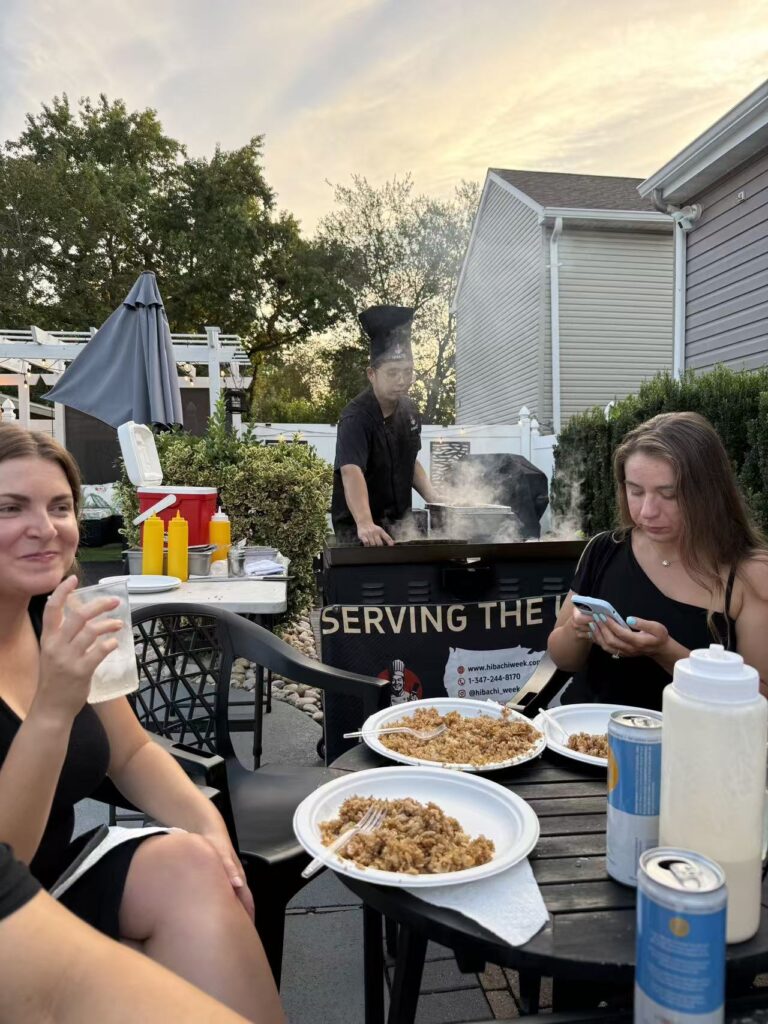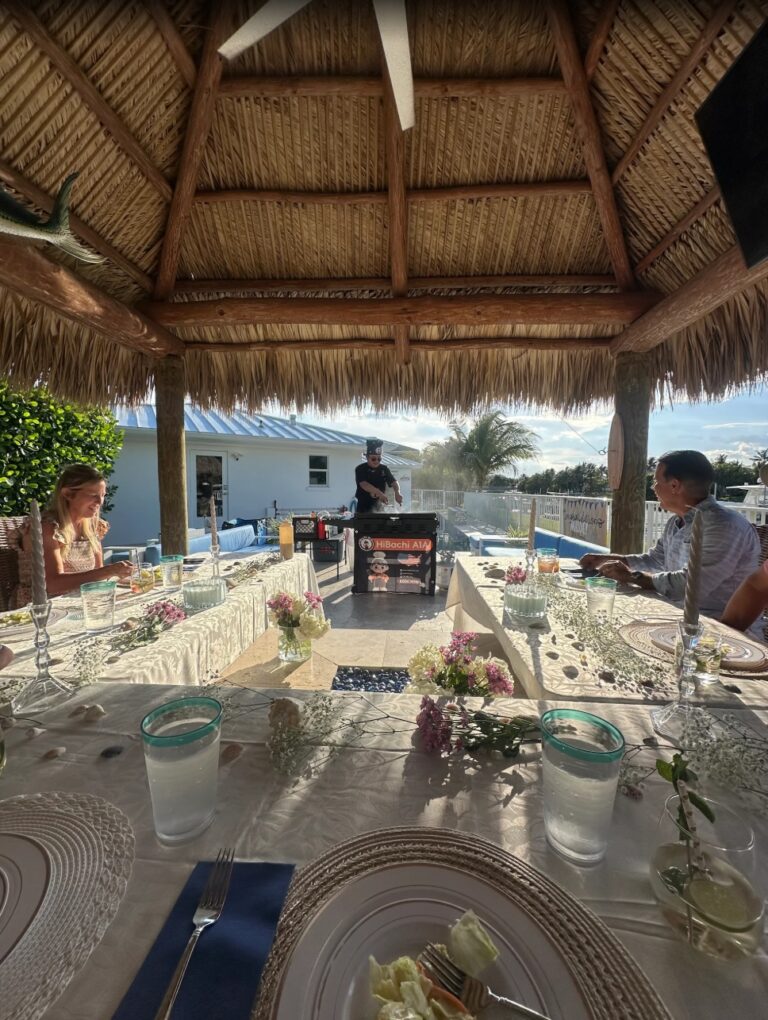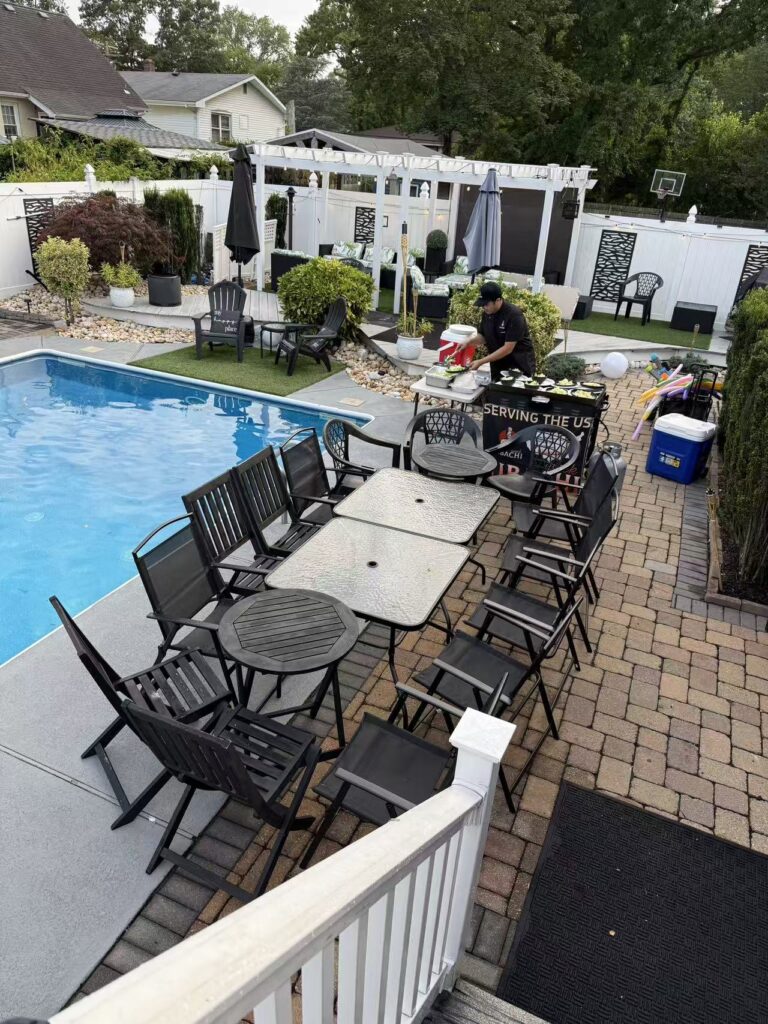
The sizzle of a teppanyaki grill, the theatrical toss of a spatula, the fiery onion volcano—hibachi dining is as much a performance as it is a meal. While recreating this experience in your own backyard or kitchen is tempting, the gap between amateur attempts and professional execution is vast. This guide offers actionable tips for cooking Hibachi At Home, but also makes a compelling argument for why hiring professional on-site hibachi chefs—like those from the mobile catering service Hibachi A1A—is often the smarter, more enjoyable choice.
1. The Foundation: Equipment and Heat Management
Before you even think about slicing vegetables, you need the right surface. A flat-top griddle (not a ridged grill) is non-negotiable. Cast iron or carbon steel retains heat best. At home, a portable butane or propane griddle works, but the heat output is a fraction of a commercial teppanyaki unit. Professional chefs from [Hibachi A1A] use high-BTU burners that reach 400–500°F instantly and maintain that temperature even when cold proteins hit the surface. At home, you’ll struggle with temperature drops. Tip: Preheat your griddle for at least 10 minutes on high, then oil it with a high-smoke-point oil like grapeseed or avocado oil. Use a squirt bottle for water to control flare-ups—just like the pros.
2. Ingredient Preparation: The Mise en Place Obsession
Hibachi isn’t about complex marinades; it’s about pristine, uniformly cut ingredients. Professional chefs prep dozens of servings daily, slicing zucchini, onions, mushrooms, and protein into bite-sized, uniform pieces that cook evenly at high heat. At home, this is your most time-consuming task. Tip: Cut everything before you start heating the grill. Have separate bowls for vegetables, protein, and rice. Season simply—soy sauce, sesame oil, garlic butter, and a touch of salt and pepper. Over-seasoning masks the ingredients’ natural flavors. Also, use clarified butter or a butter-garlic mixture; regular butter burns at high heat.
3. The Cooking Technique: Discipline Over Flair
The biggest mistake home cooks make is overcrowding the grill. When you pile on food, the surface temperature plummets, causing steaming instead of searing. Professional hibachi chefs cook in small batches, moving items in distinct zones: high heat for proteins, medium for vegetables, and a separate area for fried rice. Tip: Cook protein first, letting it develop a proper crust (don’t touch it for 2–3 minutes). Then push it aside and cook vegetables in the residual fat. For fried rice, use day-old cold rice—fresh rice becomes mushy. Push the rice into a mound, create a well in the center, add egg, and scramble it before incorporating. This mirrors what [Hibachi A1A] chefs do, but they execute it with speed and muscle memory that takes years to build.
4. The Sauce Factor: Crafting the Signature Condiments
A hibachi meal is incomplete without three sauces: the white yum-yum sauce (mayo, ketchup, rice vinegar, garlic powder, and a touch of sugar), the ginger sauce (soy, ginger, onion, and oil), and the sweet soy glaze. Making these at home is easy, but achieving the exact consistency of a professional restaurant is finicky. Tip: Use a blender for the yum-yum sauce to emulsify it properly, and refrigerate for at least 2 hours before serving. However, even with perfect recipes, you’re missing the freshness of on-the-spot preparation. Professional on-site chefs, like those from Hibachi A1A, prepare sauces fresh at your event, adjusting flavor on the fly based on your preference.
5. The Performance: Safety and Showmanship
Here’s where home cooking fails most dramatically. The egg toss, the flying shrimp catch, the onion volcano—these tricks require practiced skill. A professional chef at [Hibachi A1A] has performed these routines hundreds of times, ensuring no hot oil flies into a guest’s lap and no egg lands on the floor. At home, attempting these tricks without training is a safety hazard. Tip: If you must attempt a simple trick, like the egg toss, practice over a cold, unlit grill first. But honestly, the value of the theatrical element is why guests remember a hibachi event. A home cook focused on flipping food while also cooking risks burning the meal or, worse, causing injury.
6. The On-Site Chef Advantage: Why [Hibachi A1A] Is Worth It
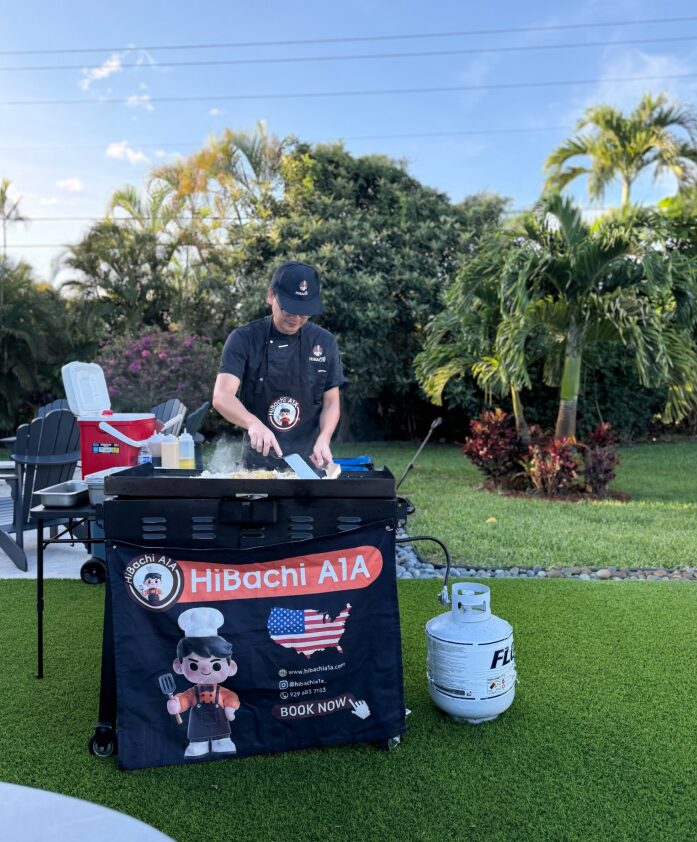
Now, the central argument: after reading the above tips, you might think, “I can do this.” But consider the logistics. You’re hosting a party. You’re responsible for setting up the grill, ensuring propane levels, prepping all ingredients, cooking for 6–20 guests without a break, maintaining the performance, and cleaning up the grease-splattered mess. That’s exhausting. Professional on-site hibachi chefs from Hibachi A1A arrive with their own commercial griddle, all ingredients pre-cut and portioned, fresh sauces, and a portable ventilation system if indoors. They handle the cooking, the show, and the cleanup. You get to enjoy your guests.
Moreover, the economics make sense. Buying a quality flat-top grill, a butane burner system, and enough high-grade ingredients for a party often costs more than hiring a mobile hibachi service. Hibachi A1A offers packages that include the chef, the grill, the food, and the entertainment—a value proposition that’s hard to beat for a one-time event like a birthday, anniversary, or corporate gathering.
7. Final Tips for the Brave Home Cook
If you’re still determined to go the DIY route, here are condensed, actionable tips:
– Practice the basics first: Searing a steak and making fried rice without burning the garlic butter.
– Invest in a heat gun or infrared thermometer to verify surface temperature.
– Use a large, heavy spatula for proper flipping.

– Have a fire extinguisher and a lid nearby—grease fires happen.
– Scale down your menu. Don’t cook 10 courses. Focus on a protein, a vegetable medley, and fried rice.
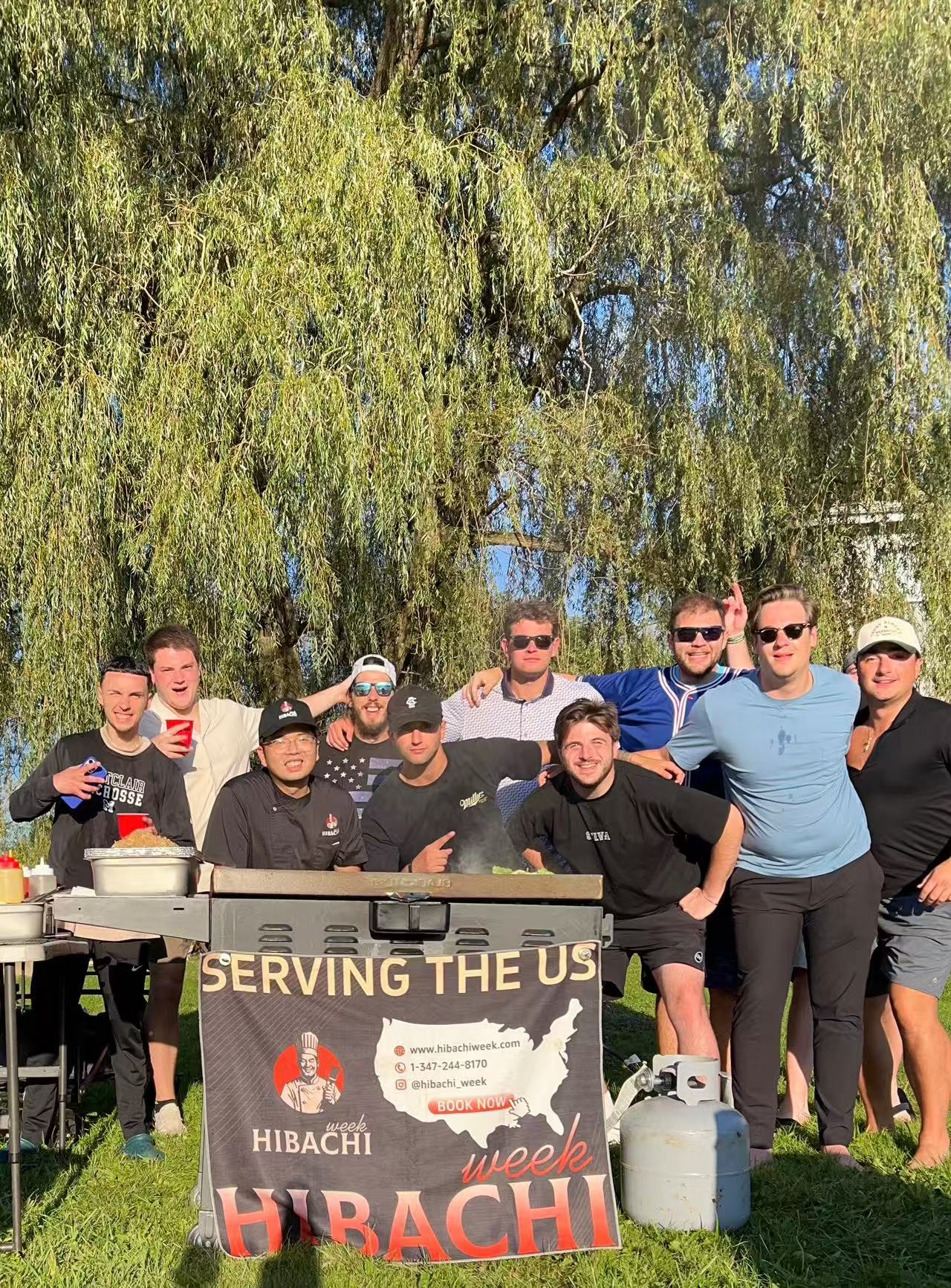
But even with perfect execution, the ambiance of a home kitchen lacks the energy of a live chef performing tableside. The grill isn’t just cooking; it’s conversation, laughter, and a shared experience. That’s what Hibachi A1A specializes in. Their chefs don’t just cook—they entertain, personalize each dish to dietary restrictions, and create a memory.
The Smart Choice Is Often the Professional One
Cooking hibachi at home is a rewarding culinary challenge that sharpens your skills. However, for a true hibachi experience—the fire, the show, the flawless taste—hiring professional on-site hibachi chefs is the clear winner. The tips above help you appreciate the craft, but they also reveal the gaps. A mobile service like Hibachi A1A closes those gaps entirely. Next time you’re planning a gathering, ask yourself: do you want to spend the evening stressed over a hot griddle, or do you want to sit back, raise a glass, and watch a master chef turn dinner into theater? The answer should guide your decision. Book [Hibachi A1A] for an unforgettable event, and leave the spatula tricks to the experts.