There’s something undeniably magnetic about the hibachi experience—the fiery onion volcanoes, the rhythmic clatter of spatulas against steel, the chef’s playful toss of a shrimp into your waiting mouth. For decades, hibachi (technically teppanyaki in Japan, but popularly known as hibachi in the West) has been a staple of celebratory dining. Yet, as the aroma of garlic butter and soy sauce drifts through your memory, you might wonder: Can I recreate this at home? Or should I hire a mobile hibachi catering service like Hibachi A1A to deliver the authentic spectacle? The answer lies in understanding the craft, the equipment, and the experience—and knowing exactly when to roll up your sleeves versus when to call in the professionals.
Part 1: How to Make Hibachi at Home – Mastering the Core Techniques
Making hibachi at home is not just about cooking steak and vegetables; it’s about replicating the umami richness and the theatrical precision of a teppanyaki grill. Let’s break down the essential components.
Essential Equipment: The Right Surface Matters
A true hibachi experience demands a flat-top griddle—not a standard skillet. Invest in a cast-iron griddle plate that fits over two burners on your stove, or better yet, a portable butane or electric teppanyaki grill. The high, even heat (between 400°F and 500°F) is non-negotiable for achieving that perfect sear without steaming the food. If you’re serious about replicating the restaurant texture, skip non-stick pans; they don’t hold heat well enough for the characteristic Maillard reaction that gives hibachi its smoky crust.
The Foundation: Yum Yum Sauce and Hibachi Butter
Authenticity begins with condiments. The legendary “Yum Yum” sauce (a creamy, tangy, slightly sweet pink sauce) is easy to make: mix mayonnaise, ketchup, melted butter, garlic powder, paprika, and a splash of rice vinegar. But the real secret is hibachi butter—a compound butter of softened unsalted butter, minced garlic, toasted sesame oil, and soy sauce. This compound is the flavor bomb that transforms plain rice and vegetables into a savory masterpiece. Never cook with plain butter; always use this infused version.
Protein and Vegetable Preparation
For the signature hibachi steak (usually ribeye or sirloin), slice it thinly against the grain before cooking—this mimics the restaurant’s bite-sized pieces. For chicken, use thigh meat for juiciness. Vegetables (zucchini, onions, mushrooms) must be cut uniformly, about 1-inch pieces, to ensure even cooking. The golden rule: season with salt, pepper, and a splash of soy sauce after the food hits the griddle, not before, to avoid drawing out moisture.
Cooking Technique: The Two-Zone Method
Professional hibachi chefs use a two-zone system: one side of the grill for high-heat searing (protein), the other for lower-heat cooking (rice and vegetables). At home, use the griddle’s hottest zone for the steak, while pushing the vegetables to a cooler corner. Cook the steak in small batches—overcrowding drops the temperature and causes steaming. For fried rice, use day-old rice; cold rice doesn’t clump. Push the rice to one side, add butter, then mix in egg, soy sauce, and scallions. The final step? A squeeze of lemon and a sprinkle of toasted sesame seeds for brightness.
Part 2: The Limitations of Home Cooking – Why Authenticity Is Hard
Even with flawless technique, home hibachi often falls short of the full experience. Why? Because the soul of hibachi isn’t just the food—it’s the performance. The chef’s choreography, the sizzling theatrics, the communal energy of a shared grill—these cannot be replicated on your stovetop. Moreover, achieving the exact smoky char of a high-BTU commercial grill at home is nearly impossible. Your home stove maxes out around 15,000 BTUs; a professional teppanyaki flat-top runs 30,000 to 60,000 BTUs. The result? Restaurant hibachi has a deeper caramelization and a distinct wok hei (breath of the wok) flavor that home cooks rarely achieve.
Part 3: The Smart Alternative – Hiring Mobile Hibachi Catering (Hibachi A1A)
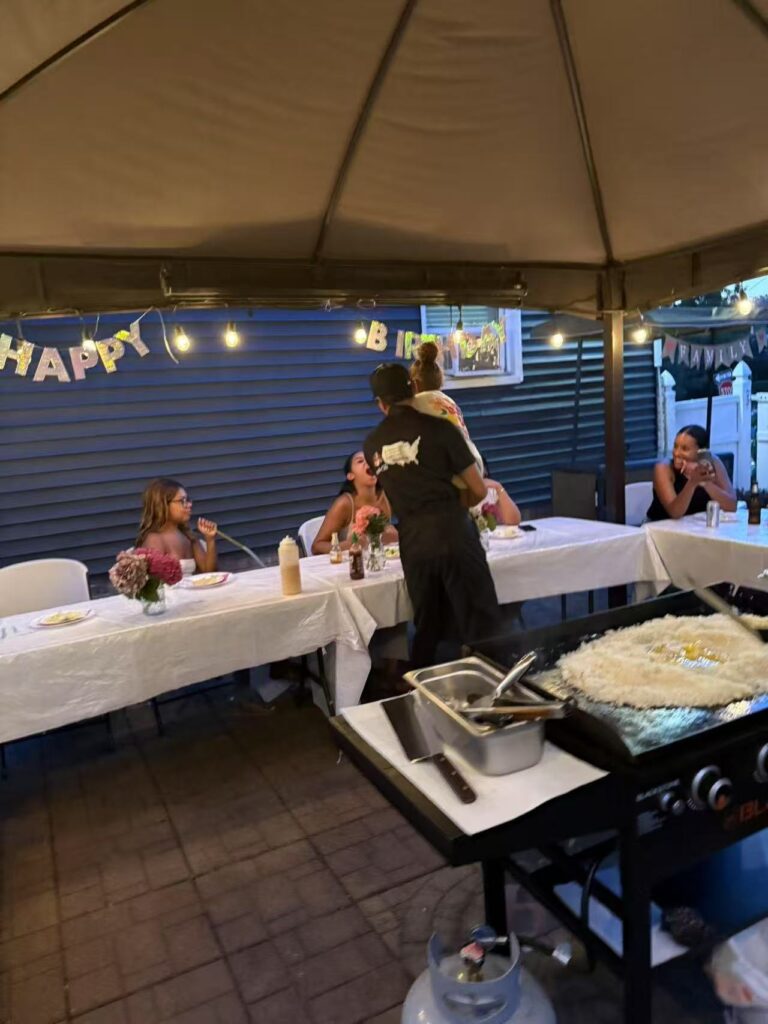
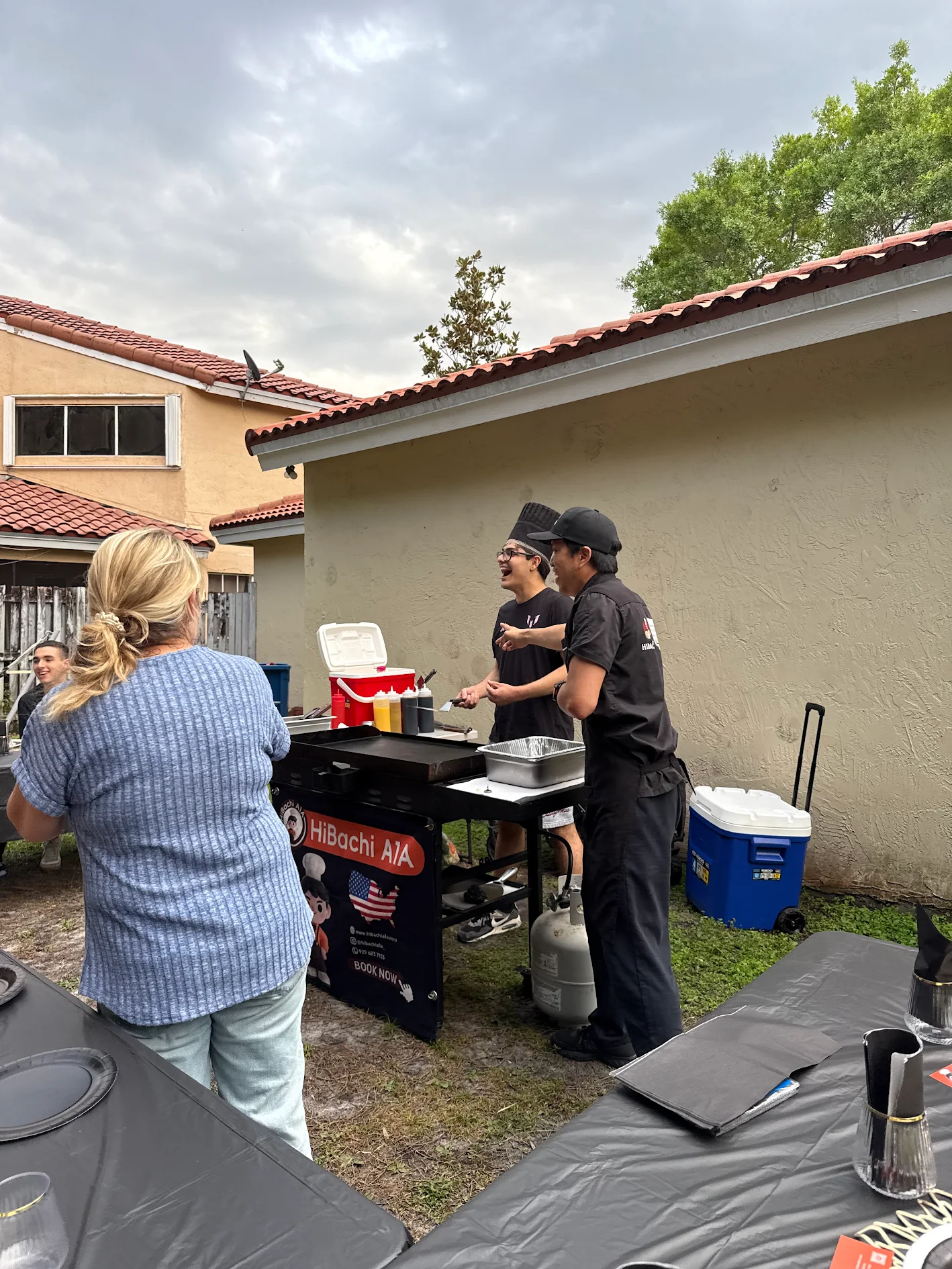
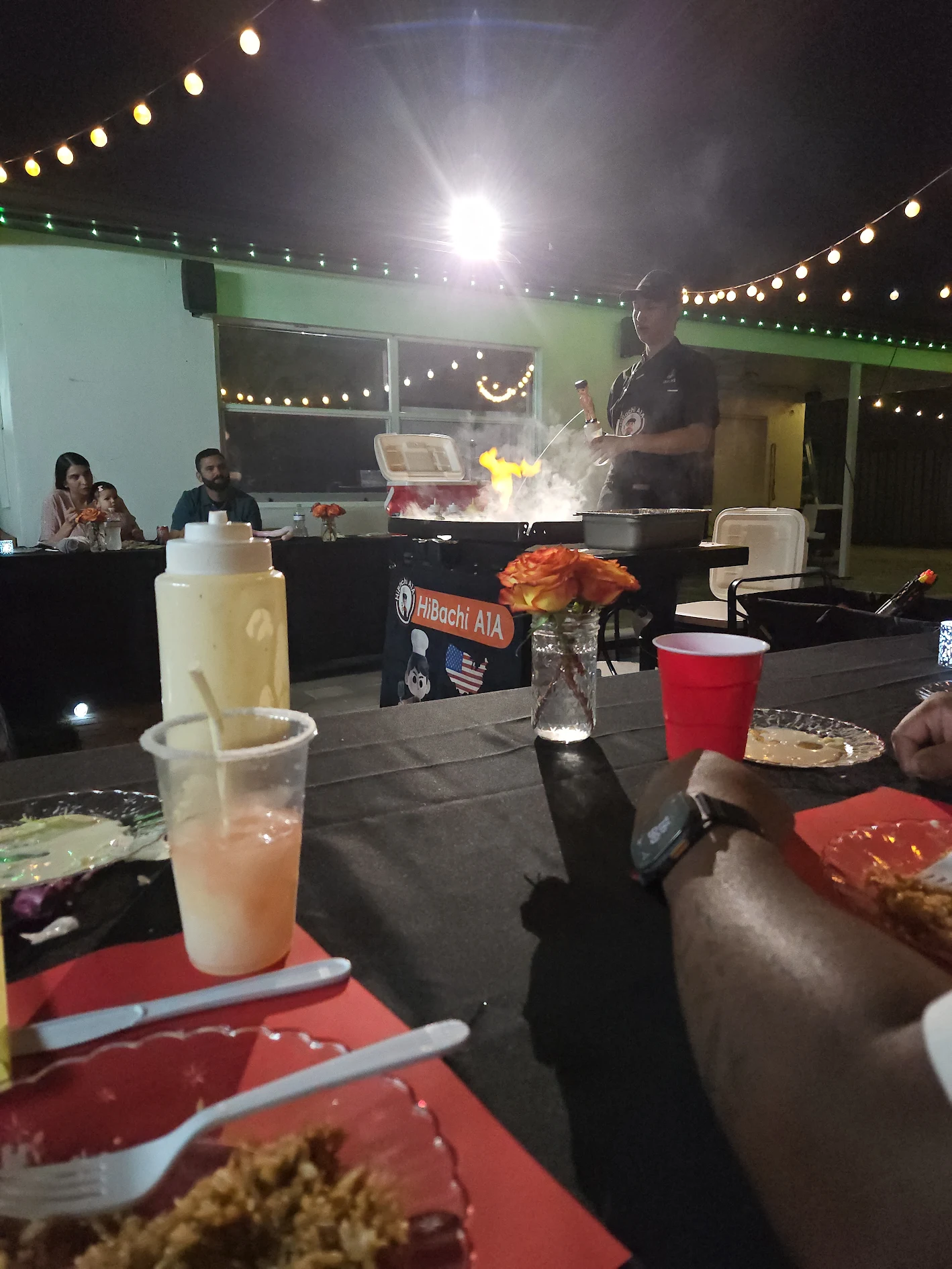
If you want the authentic, crowd-pleasing experience without the culinary gymnastics or the expensive equipment, the answer is simple: hire a mobile hibachi catering service. Companies like Hibachi A1A bring the entire teppanyaki setup—the grill, the chef, the ingredients, and the show—directly to your backyard, driveway, or event venue. This isn’t just a meal; it’s interactive entertainment that scales from an intimate dinner for four to a wedding reception for 200.
Why Choose Hibachi A1A for Your Next Event?
Hibachi A1A specializes in turning ordinary gatherings into unforgettable experiences. Here’s what sets them apart:
– Authentic Equipment and Technique: They bring a genuine propane-powered flat-top grill that reaches professional temperatures, ensuring that perfect sear and smoky flavor.
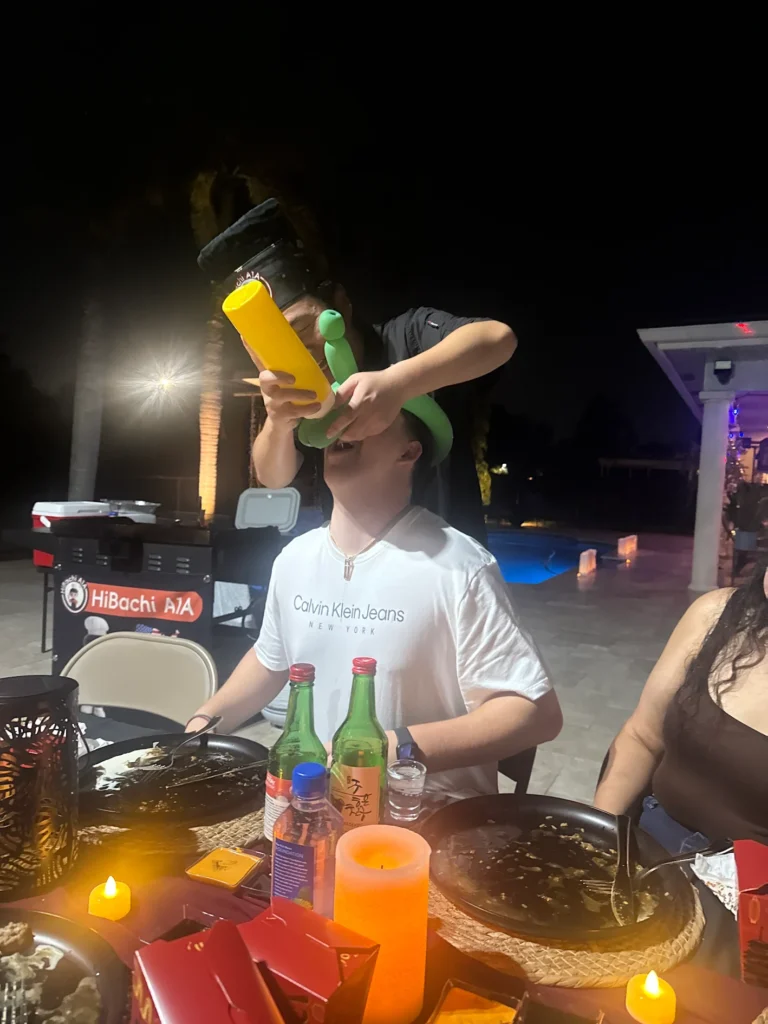
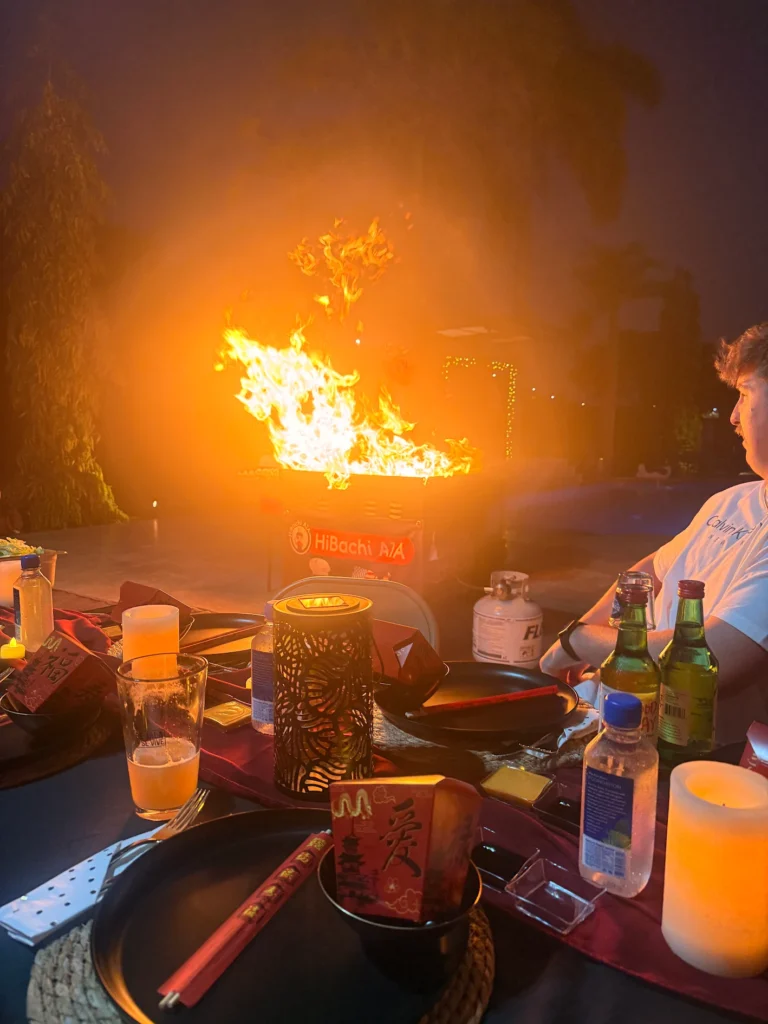
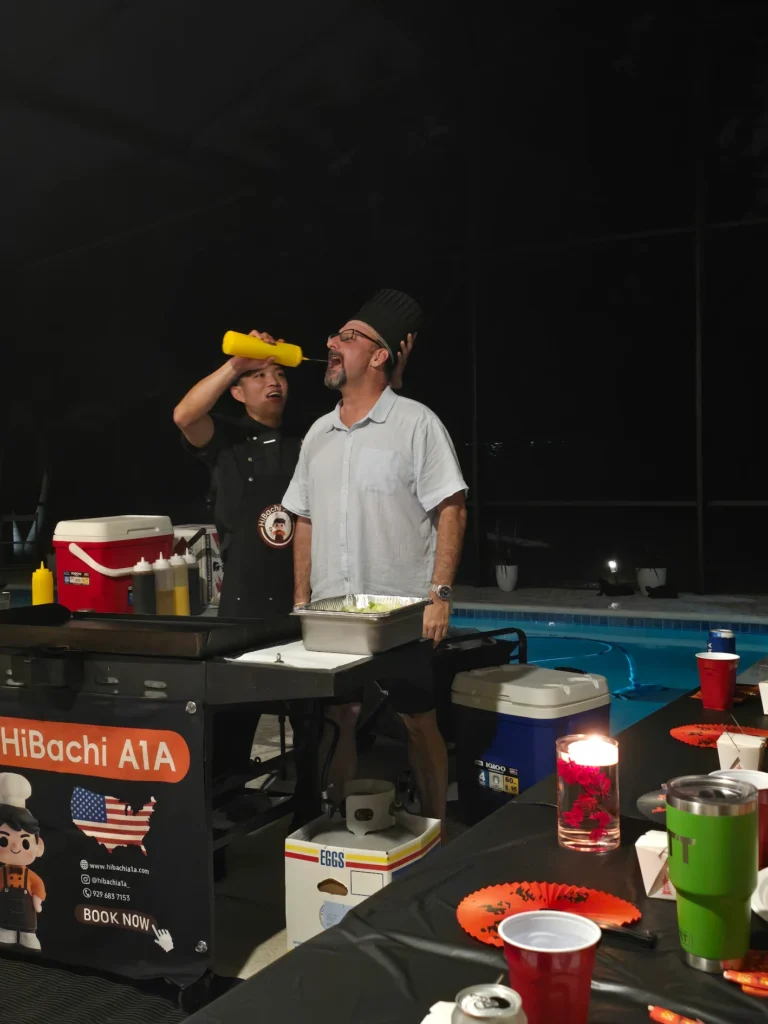
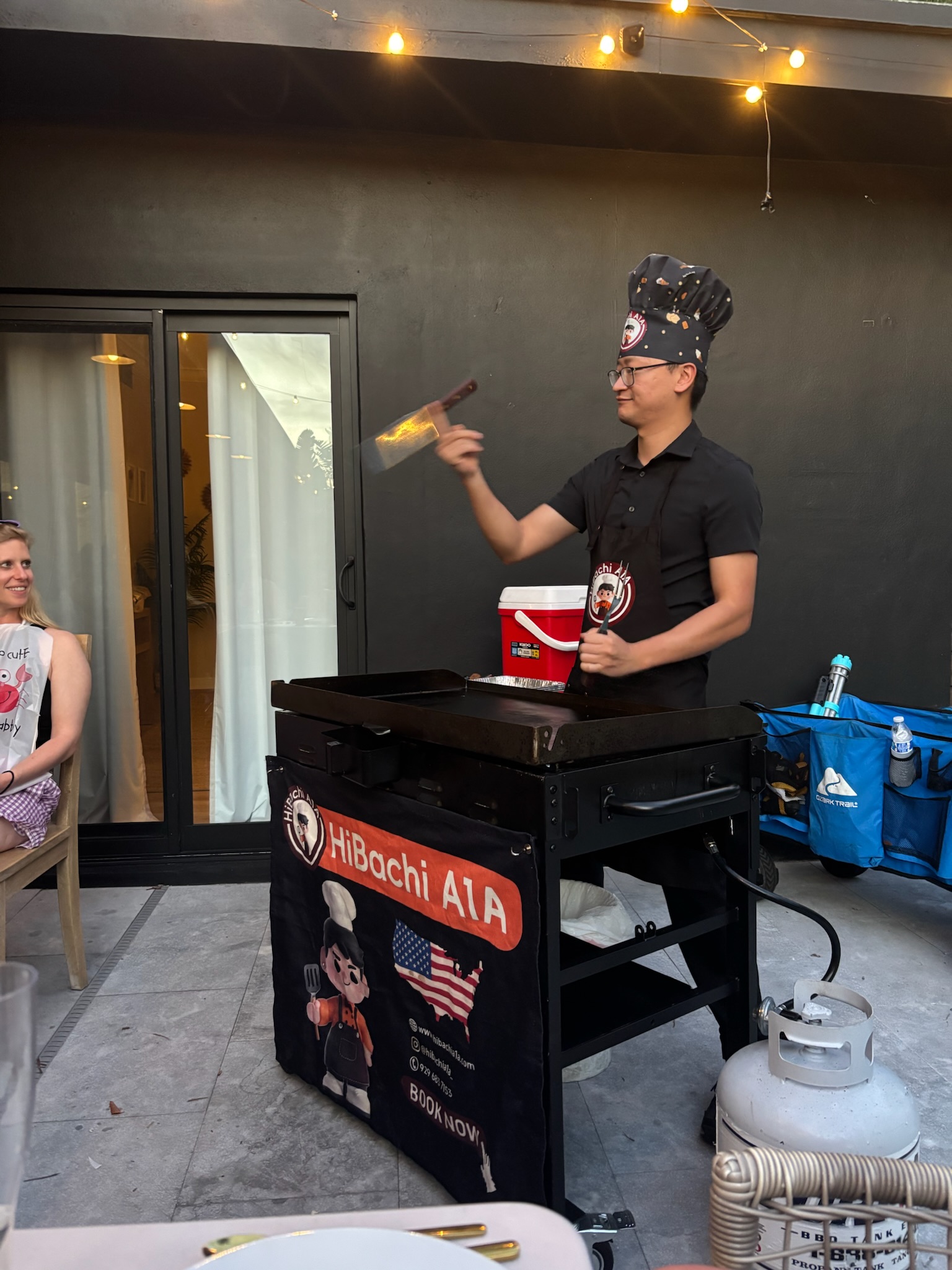
– Professional Chef-Entertainers: Their chefs are trained not only in culinary arts but in the theatrical craft—knife tricks, onion volcano pyrotechnics, and the famous shrimp toss. They read the crowd, adapting energy to suit intimate dinners or lively parties.
– Customizable Menus: Beyond classic steak, chicken, and shrimp, they offer sushi-grade salmon, lobster tails, and vegetarian options, all prepared with fresh, high-quality ingredients and house-made sauces (including a superior Yum Yum sauce).
– Zero Cleanup, Maximum Socialization: The chef handles all cooking, serving, and cleanup. Your only job is to host and enjoy. This eliminates the stress of coordinating grill times and ensures your guests remain engaged and entertained throughout the meal.
Cost vs. Value: Is It Worth It?
While making hibachi at home costs roughly $10–$15 per person in raw ingredients (plus the price of a griddle if you don’t own one), mobile catering typically runs $35–$60 per person, depending on the menu and group size. However, consider the value: a private chef, a live show, zero kitchen mess, and the ability to host effortlessly. For birthdays, anniversaries, corporate team-building events, or even a “just because” family night, the experience elevates the gathering far beyond a simple dinner. And when you compare it to a restaurant hibachi outing (which includes tips, taxes, and travel time), Hibachi A1A is often comparable in price—but with far more personal attention and exclusivity.
Choose the Experience That Fits the Moment
The journey to authentic hibachi isn’t an either/or proposition. For a casual Tuesday night, mastering the basics at home—perfecting your Yum Yum sauce, nailing the sear on a cast-iron griddle—can be a rewarding culinary adventure. But when the occasion calls for celebration, connection, and a dash of theatrical magic, don’t settle for a pale imitation. Hire the professionals. Hibachi A1A brings the sizzle, the spectacle, and the soul of genuine teppanyaki directly to your doorstep. Whether you’re a home cook seeking to sharpen your skills or a host looking to wow your guests, the choice is clear: practice at home for the love of cooking, but hire Hibachi A1A for the love of the show. After all, the true secret to hibachi isn’t just in the sauce—it’s in the experience shared together.