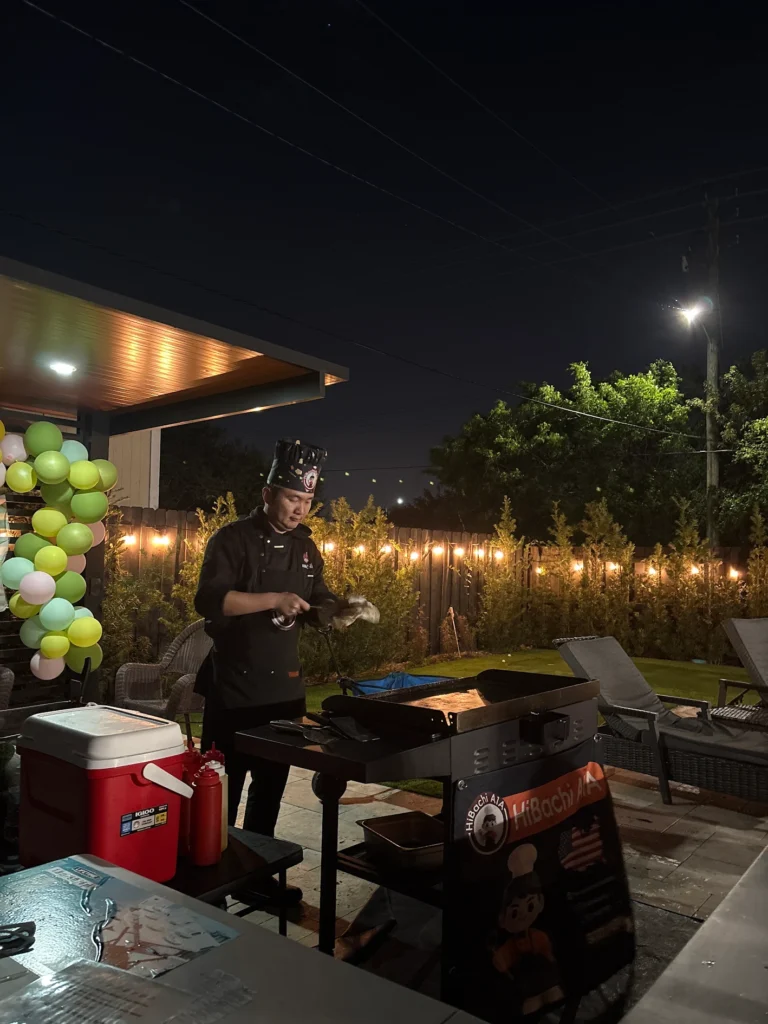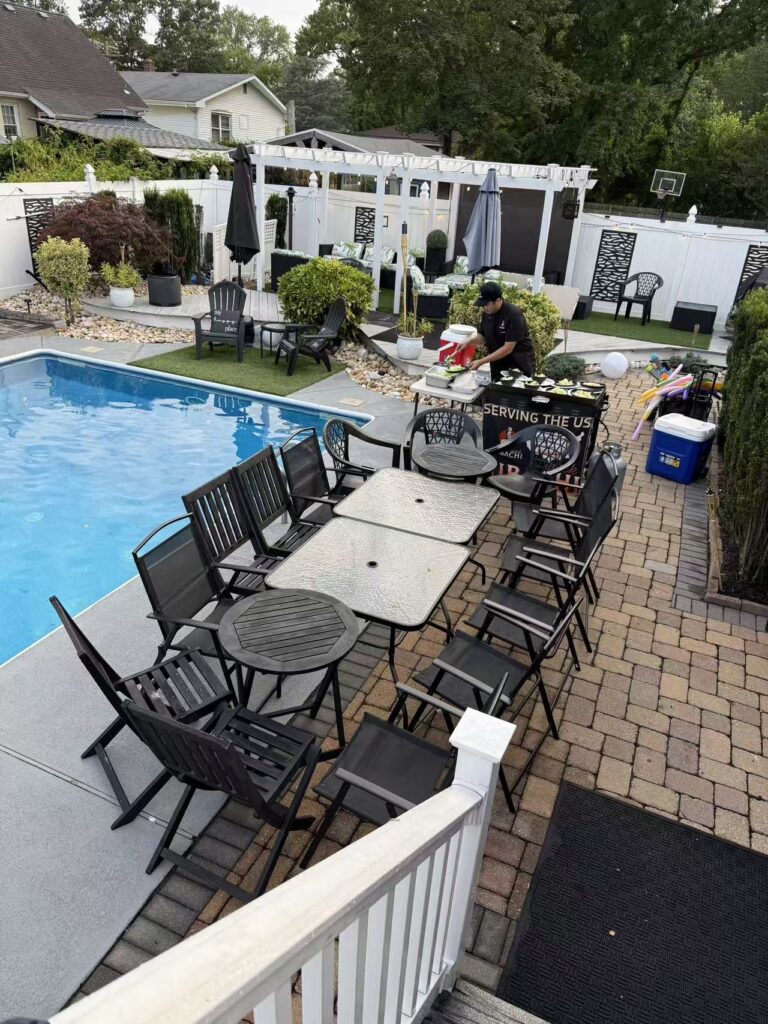
There is a particular magic that happens when a flat-top grill hisses with butter and soy, when a chef flips a shrimp into the air and catches it in his chef’s hat, and when the laughter of guests rises above the sizzle. This is not a scene from a Tokyo steakhouse. This is your patio, your birthday party, your anniversary dinner — transformed by the concept of Hibachi Dinner at Home Party Interactive Live Cooking Mobile Catering. At the heart of this growing culinary trend is a simple truth: people don’t just want to eat well; they want to be entertained while they eat. And no one delivers that blend of flavor and spectacle better than [ Hibachi A1A], a mobile catering service that brings the entire teppanyaki experience to your driveway, backyard, or even a beachside pavilion.
Why “Hibachi at Home” Is More Than a Meal — It’s a Show
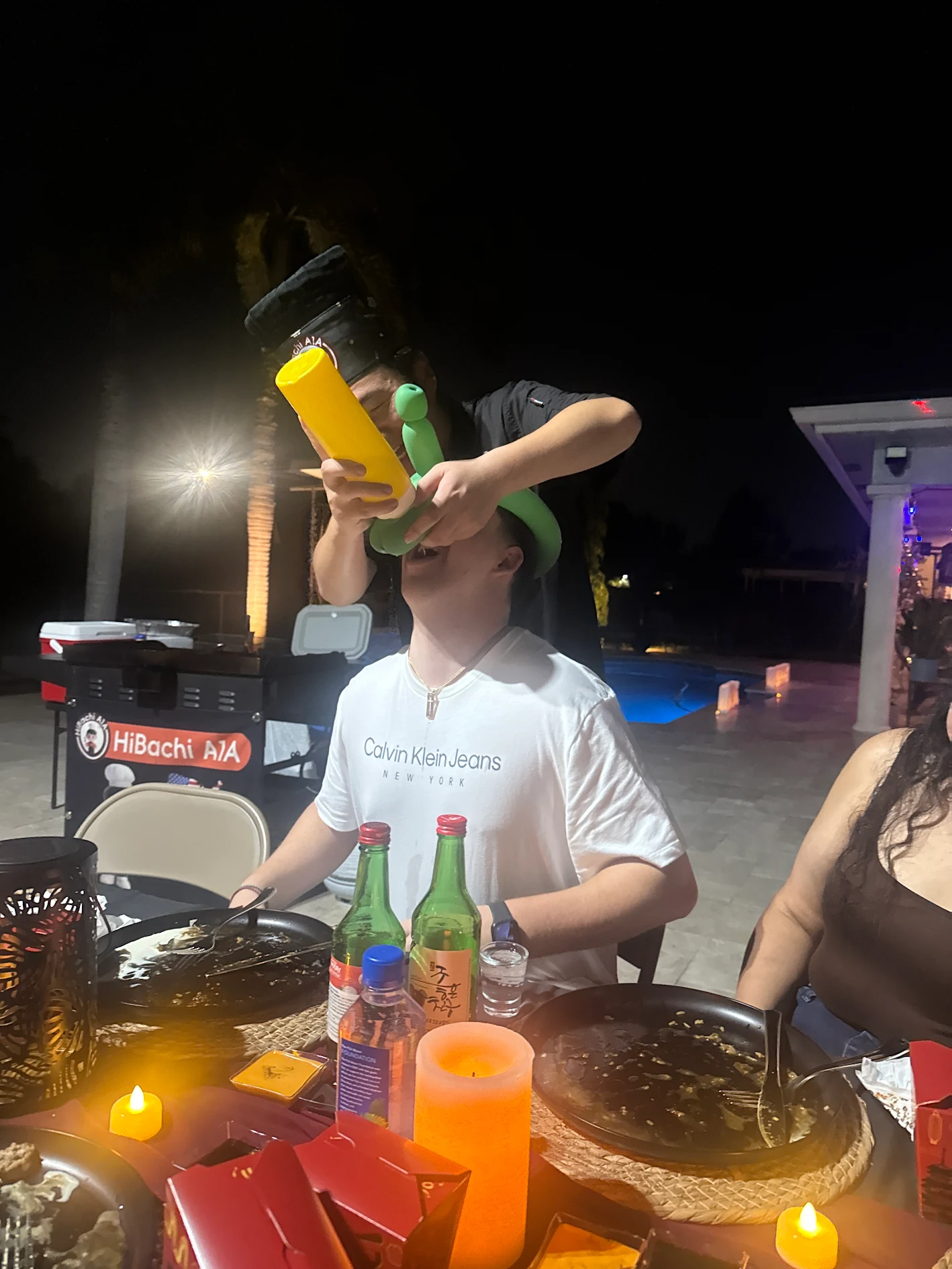
The traditional hibachi experience is built on proximity and performance. The chef stands inches away from the guests, wielding spatulas and salt shakers like instruments in a symphony. When you hire [Hibachi A1A], you aren’t just booking a cook. You are booking a show director who understands pacing, surprise, and audience participation. The “interactive” part is non-negotiable: guests become part of the act. They catch pieces of fried rice in their mouths, they flinch at the onion volcano, they cheer when the chef sends a zucchini slice flying into a waiting bowl. This level of engagement is impossible in a standard restaurant setup, where tables are separated and chefs rotate between multiple parties. At a private event, the entire grill is yours. Every flip, every flare-up, every “Hai!” is aimed at your guests. That intimacy changes the atmosphere of any gathering from “dinner” to “event.”
The Logistics of Mobile Teppanyaki: No Kitchen? No Problem
One of the biggest misconceptions about hiring a mobile hibachi chef is that you need a commercial kitchen or at least a powerful ventilation hood. [Hibachi A1A] has solved this with self-contained propane-powered flat-top grills that are designed for outdoor or garage use. The unit arrives on a wheeled cart, complete with its own grease traps, fire suppression, and stainless steel prep stations. The chef brings everything: fresh proteins, vegetables, rice, sauces, plates, utensils, and even a portable hand-washing station. All you need to provide is a flat surface (a driveway, a deck, or a covered patio) and access to an outdoor electrical outlet for lighting. The setup takes about twenty minutes, and the teardown is even faster — leaving you with zero dishes to wash and only happy, full guests to say goodbye to.
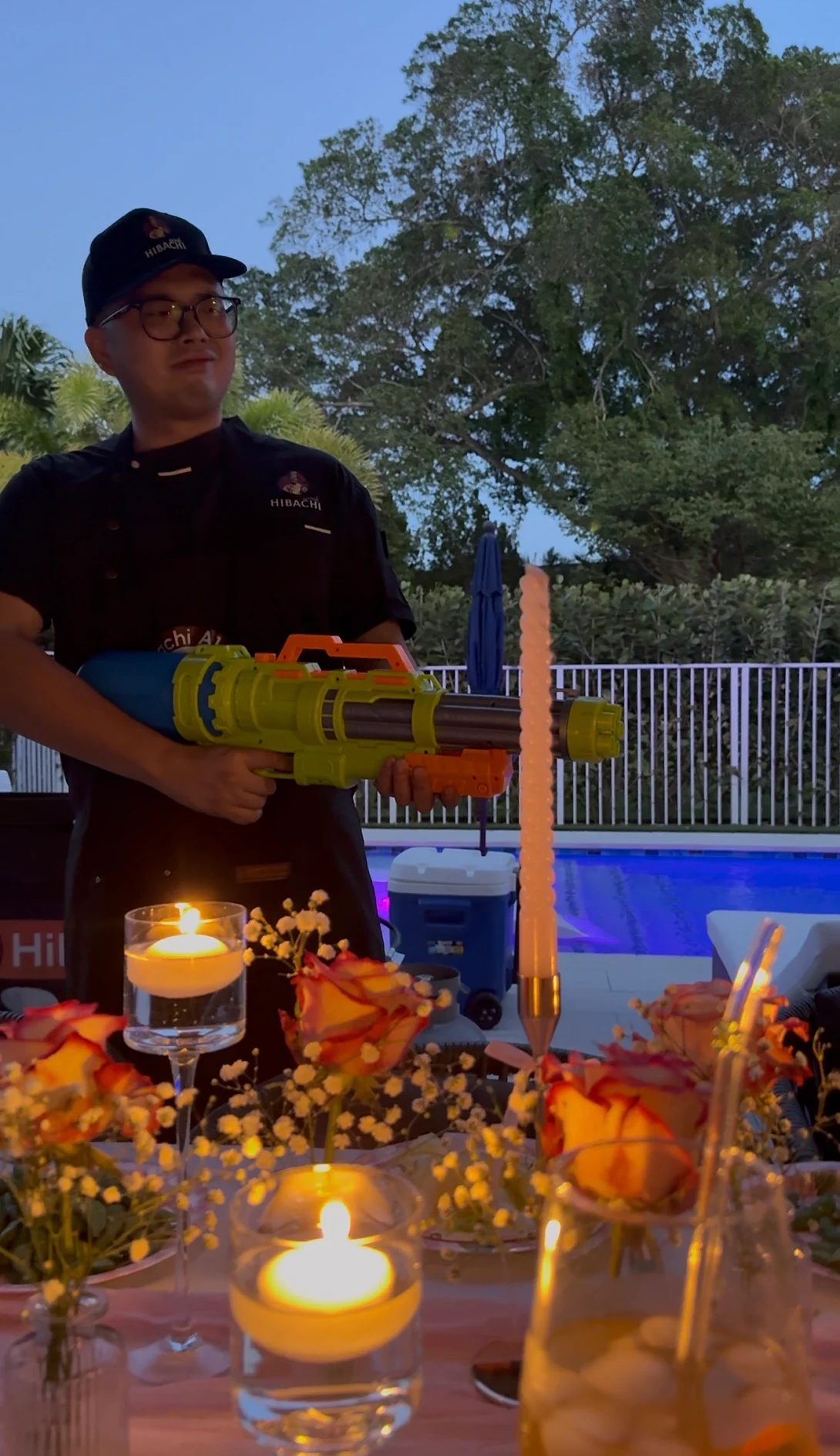
The Menu: From Classic Steak to Custom Dietary Requests
What truly sets [Hibachi A1A] apart from a generic “catering drop-off” is the level of customization. While the classic hibachi dinner includes filet mignon, chicken breast, jumbo shrimp, and scallops, the mobile chef is trained to adapt on the fly. Vegetarian? The grill gets a dedicated section to avoid cross-contamination. Gluten-free? Tamari replaces soy sauce, and the fried rice is swapped for a cauliflower alternative. Allergic to shellfish? The chef will perform a separate cleaning of the grill before your meal and use different spatulas and tongs. This isn’t just a menu choice; it’s a safety protocol. Because the cooking is live, guests can also request “off-menu” items — extra garlic butter, a spicier yum yum sauce, or a side of sautéed mushrooms that never appears on the printed card. The chef becomes a collaborator, not just a server.
The Psychology of the “Wow” Factor
Why do adults — not just kids — light up when a hibachi chef starts juggling eggs? The answer lies in the element of controlled risk. Fire, sharp blades, and flying food are normally signs of danger, but in a controlled environment, they become thrilling. [Hibachi A1A] leans into this. The chef might toss a lit onion ring onto the grill to create a brief, harmless fireball. He might balance a bowl of soup on his spatula. These tricks are not random; they are choreographed to build a rhythm: cook, flip, joke, cook, flip, serve. This rhythm keeps guests in a state of pleasant anticipation. Moreover, the communal seating arrangement (guests sit around the grill in a U-shape) forces interaction between strangers, making it perfect for corporate team-building events, wedding rehearsal dinners, or neighborhood block parties. People who came as separate households leave as one laughing group.
Why Choose [Hibachi A1A] Over a Private Chef or Restaurant Reservation?
There is no shortage of options for a special dinner. You could reserve a table at a high-end Japanese steakhouse, but then you share the experience with a hundred strangers, and you’re limited to a two-hour seating window. You could hire a private chef, but then you lose the showmanship — most private chefs cook quietly in the kitchen and serve you plates. [Hibachi A1A] offers the best of both worlds: the exclusivity of a private chef and the theatricality of a hibachi restaurant, minus the overhead. The cost per person is often comparable to a mid-range steakhouse, but the value is far higher because you control the venue, the guest list, the timing, and the music. There’s no rush to leave, no split check confusion, and no dress code. You can be in shorts and flip-flops, eating a perfectly seared scallop while your dog watches from the porch.
Ideal Occasions for Mobile Hibachi
While birthdays and anniversaries are the most common bookings, [Hibachi A1A] has served everything from retirement parties to gender reveals. One particularly memorable event was a 50th wedding anniversary where the couple requested a “silent hibachi” — the chef cooked without any tricks, just pure technique, because the guests preferred conversation over spectacle. That flexibility is the hallmark of a professional mobile caterer. Another growing niche is the “culinary team-building” event, where employees are split into small groups and each group gets to cook a few items on the grill under the chef’s guidance. It’s messy, hilarious, and surprisingly effective at breaking down office hierarchies. And for parents of young children, the mobile hibachi is a godsend: kids get to see their food being made, they get to participate in the “catch the shrimp” game, and they are far more likely to eat vegetables that have been tossed in a playful manner than ones served on a plate.

The Bottom Line: An Experience That Cooks Itself Into Memory
The rise of Hibachi Dinner at Home Party Interactive Live Cooking Mobile Catering reflects a broader shift in how we think about hosting. We no longer want to be stuck in the kitchen while our guests sit in the living room. We want to be present, engaged, and part of the entertainment. [Hibachi A1A] delivers that by turning the grill into a stage and the chef into a lead actor who happens to also be a culinary expert. The smoke smells like garlic and sesame. The grill marks are perfect. The onion volcano erupts. And when the last plate is scraped clean, the guests don’t say “that was a nice dinner.” They say “that was the best party we’ve been to all year.” That is the power of live cooking — it doesn’t just feed people; it creates a shared story. And with [Hibachi A1A], that story is always well-seasoned.