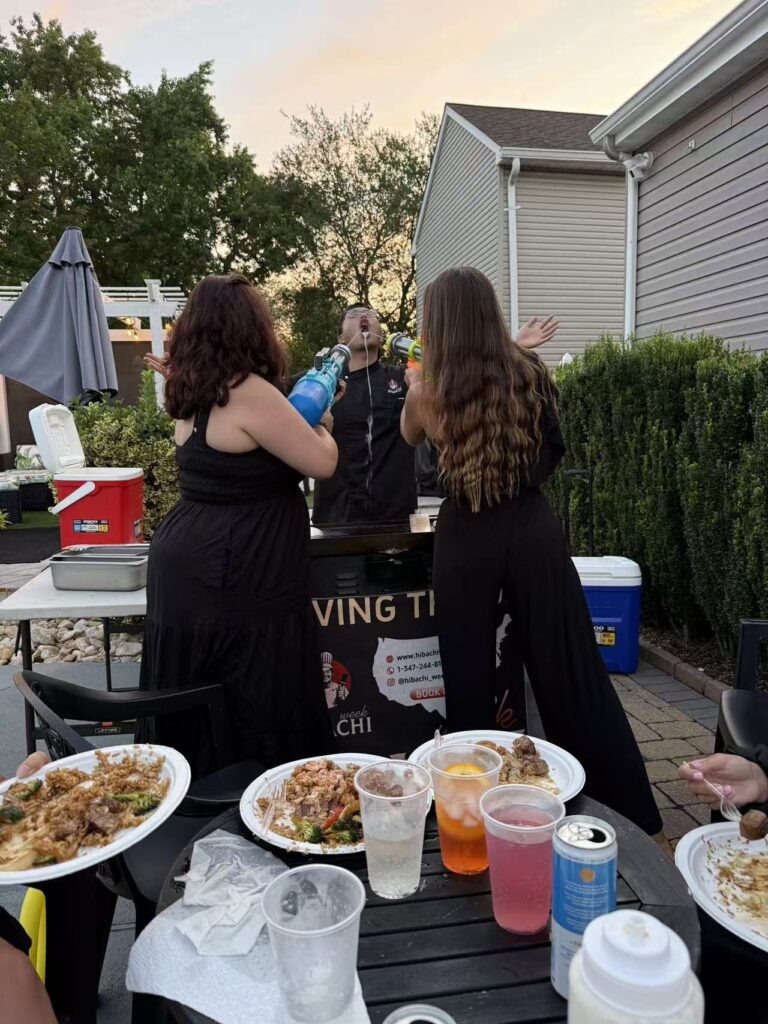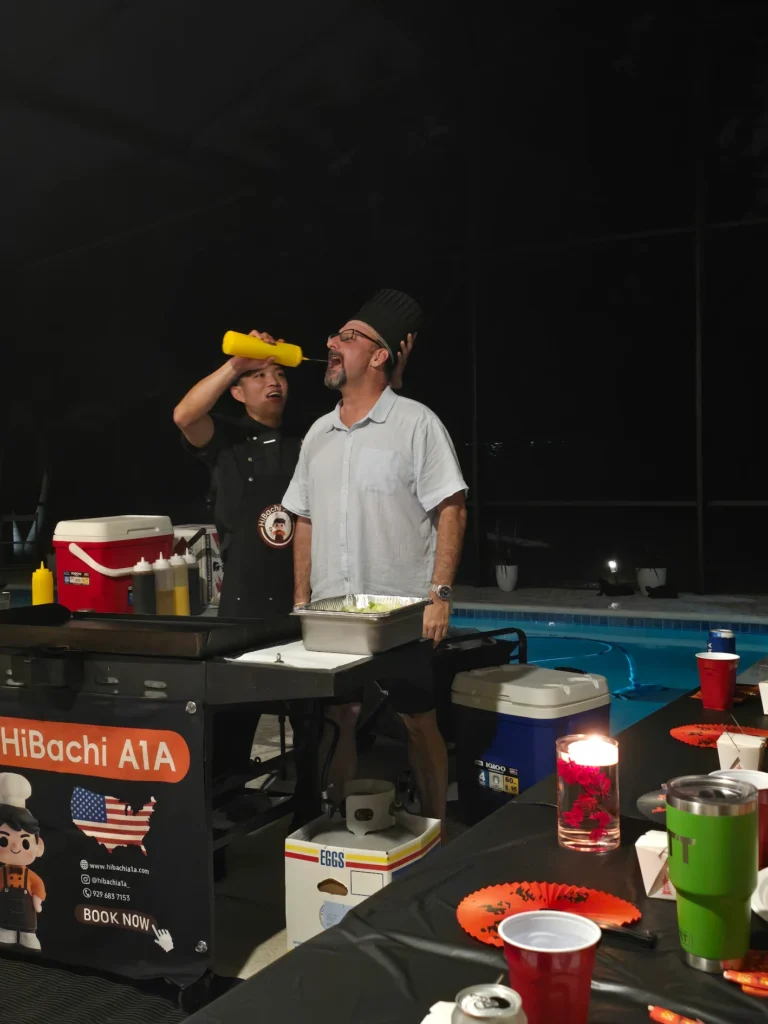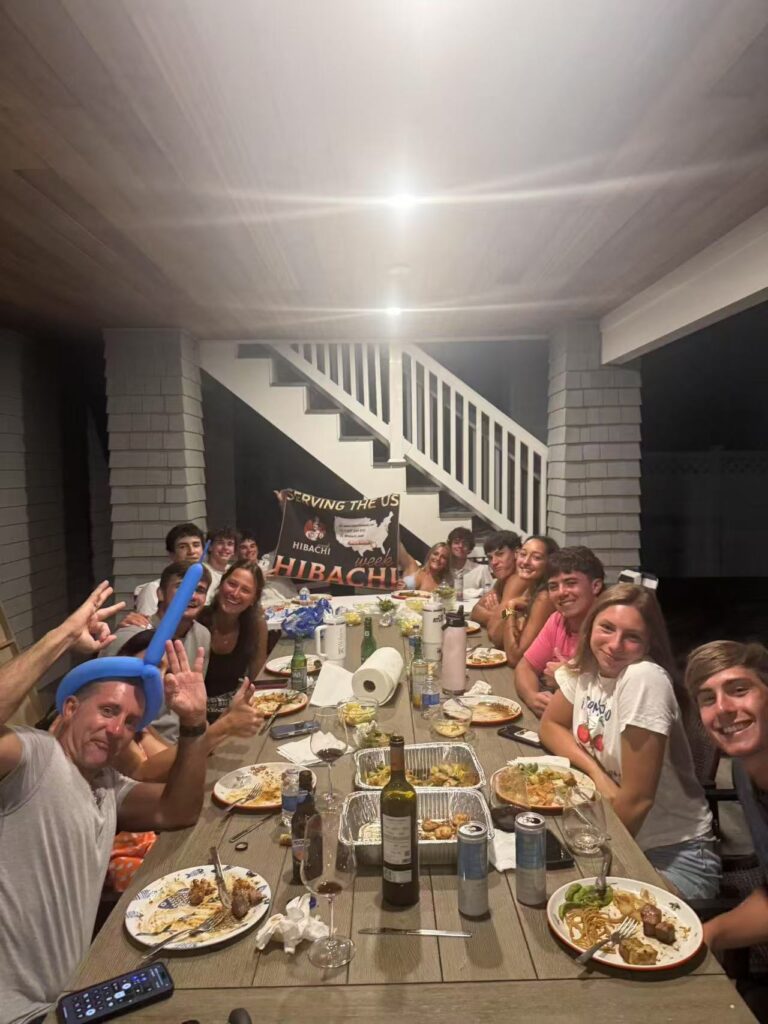
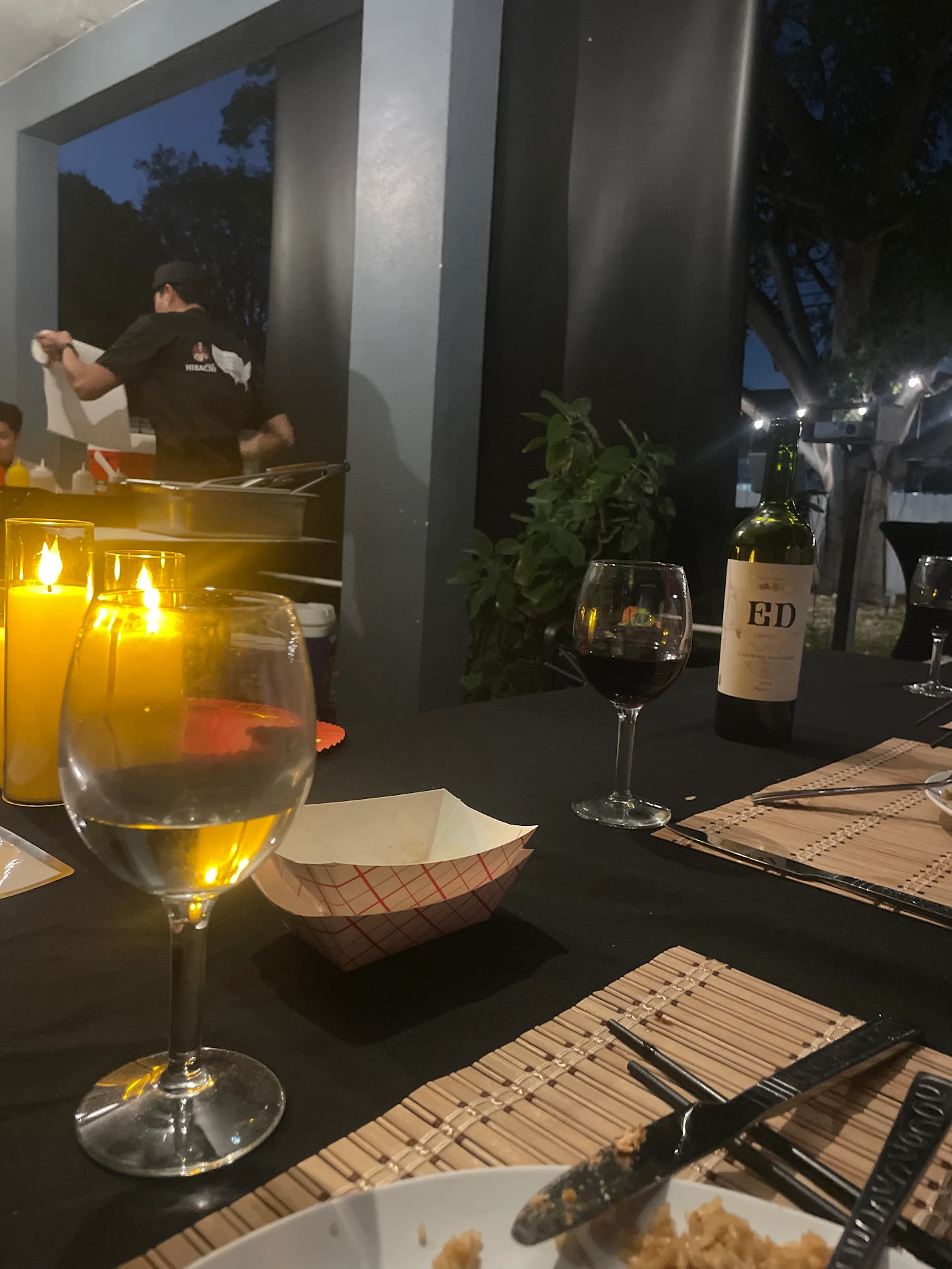
The sizzle of a hot grill, the rhythmic clack of spatulas, and the theatrical toss of shrimp that lands perfectly on a plate — the hibachi experience has long been a staple of special occasions. But what if you could recreate that magic in your own backyard or dining room? Cooking Hibachi At Home is not just about preparing a meal; it’s about crafting an atmosphere of shared joy, culinary skill, and intimate entertainment. For families seeking a fun weekend activity or hosts planning a private gathering with a personal touch, homemade hibachi offers authentic flavors without the restaurant bill. This article explores how to master the art of hibachi cooking at home, drawing on techniques that deliver restaurant-quality results, and highlights how professional mobile catering services like [ Hibachi A1A] can elevate your event when you prefer a hands-off experience.
The Essential Equipment and Ingredients for Authentic Hibachi
Before the first flame licks the grill, you need the right tools. Authentic hibachi relies on a flat-top griddle — a cast-iron or steel surface that distributes heat evenly. For home use, a large electric griddle or a portable propane-powered flat-top grill works beautifully. The key is to achieve high, consistent heat: around 400°F to 450°F. This temperature creates the signature sear that locks in juices and produces that caramelized crust on vegetables and proteins.
Must-Have Ingredients for That Umami Punch
The flavor profile of hibachi is deceptively simple but deeply savory. You will need:
– Soy sauce (use low-sodium for better control)
– Butter — generous amounts, as it’s the backbone of hibachi flavor
– Sesame oil for that nutty aroma
– Fresh garlic and ginger — minced finely
– Rice vinegar and mirin for a subtle sweetness
– White pepper — a signature hibachi spice
– High-quality proteins: chicken breast, shrimp, steak (ribeye or sirloin), or firm tofu
– Vegetables: zucchini, onions, mushrooms, and bean sprouts
The secret to authentic hibachi at home is not complex marinades but the cooking process. Unlike grilling over open flames, hibachi cooking relies on frying in a small amount of oil and butter on a flat surface, which allows for precise control and layering of flavors. For example, you cook vegetables first with a splash of soy sauce and sesame oil, then set them aside. The protein is cooked separately, and finally, you deglaze the griddle with soy sauce, butter, and garlic to create a quick, glossy glaze that coats the meat perfectly.
Mastering the Signature Cooking Techniques
Authentic hibachi is as much about technique as it is about ingredients. The first rule is high heat and patience. Do not overcrowd the griddle; work in batches. When you place the protein on the hot surface, let it sear for 2-3 minutes without moving it. This develops a Maillard reaction — the browning that creates complex, roasted flavors.
The Art of the “Fried Rice” Foundation
No hibachi meal is complete without the iconic fried rice. To replicate the restaurant version at home, use day-old cooked rice (cold rice works best because it is drier). Heat your griddle, add butter, then sauté finely chopped onions and garlic until fragrant. Push the rice onto the griddle in a thin layer, letting it crisp slightly. Then, create a well in the center — this is the hibachi chef’s signature move. Crack eggs into the well, scramble them, then fold the rice over the eggs. Finally, season with soy sauce, a touch of sesame oil, and a sprinkle of white pepper. The result is a smoky, buttery, slightly crispy rice that rivals any takeout.
Another key technique is the “butter pat” finish. Just before removing the protein from the heat, place a small pat of butter on top of each piece. This not only adds shine and richness but also creates a glossy sauce as it melts. For shrimp, many chefs add a splash of lemon juice and a pinch of garlic salt for a bright, clean finish. For steak, a drizzle of teriyaki or a simple garlic-soy glaze works wonders.
Creating the Perfect Family and Private Gathering Atmosphere
Hibachi cooking at home is inherently social. The griddle becomes a centerpiece, and the chef — whether that’s you or a hired professional — becomes the entertainer. For family dinners, assign roles: one person preps vegetables, another handles the rice, and the “chef” manages the grill. The interactive nature of watching food cook in front of you builds anticipation and makes even simple ingredients feel special.
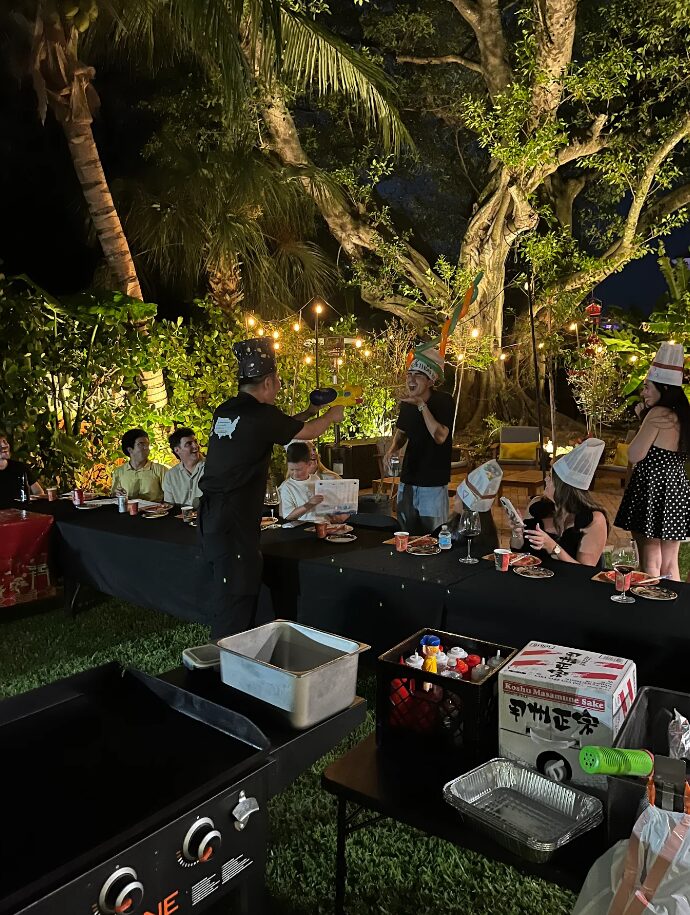
For private gatherings — birthdays, anniversaries, or small corporate events — the hibachi setup naturally breaks the ice. Guests gather around, ask questions, and cheer when you successfully toss a shrimp into a hat or create a “volcano” of onion rings. The theatrical element is optional but highly encouraged. If you are hosting a larger party, consider the practicality of cooking for many mouths. This is where professional mobile catering services shine.
When to Call in the Experts: The [Hibachi A1A] Advantage
While cooking hibachi at home is rewarding, it does require time, practice, and a fair amount of clean-up. For larger gatherings or when you want to be a guest at your own party, hiring a mobile hibachi service like [Hibachi A1A] is the perfect solution. [Hibachi A1A] brings the full restaurant experience — high-end portable griddles, fresh ingredients, and skilled chefs who are also entertainers — directly to your driveway, patio, or backyard. They handle the setup, cooking, and teardown, allowing you and your guests to focus entirely on enjoyment.
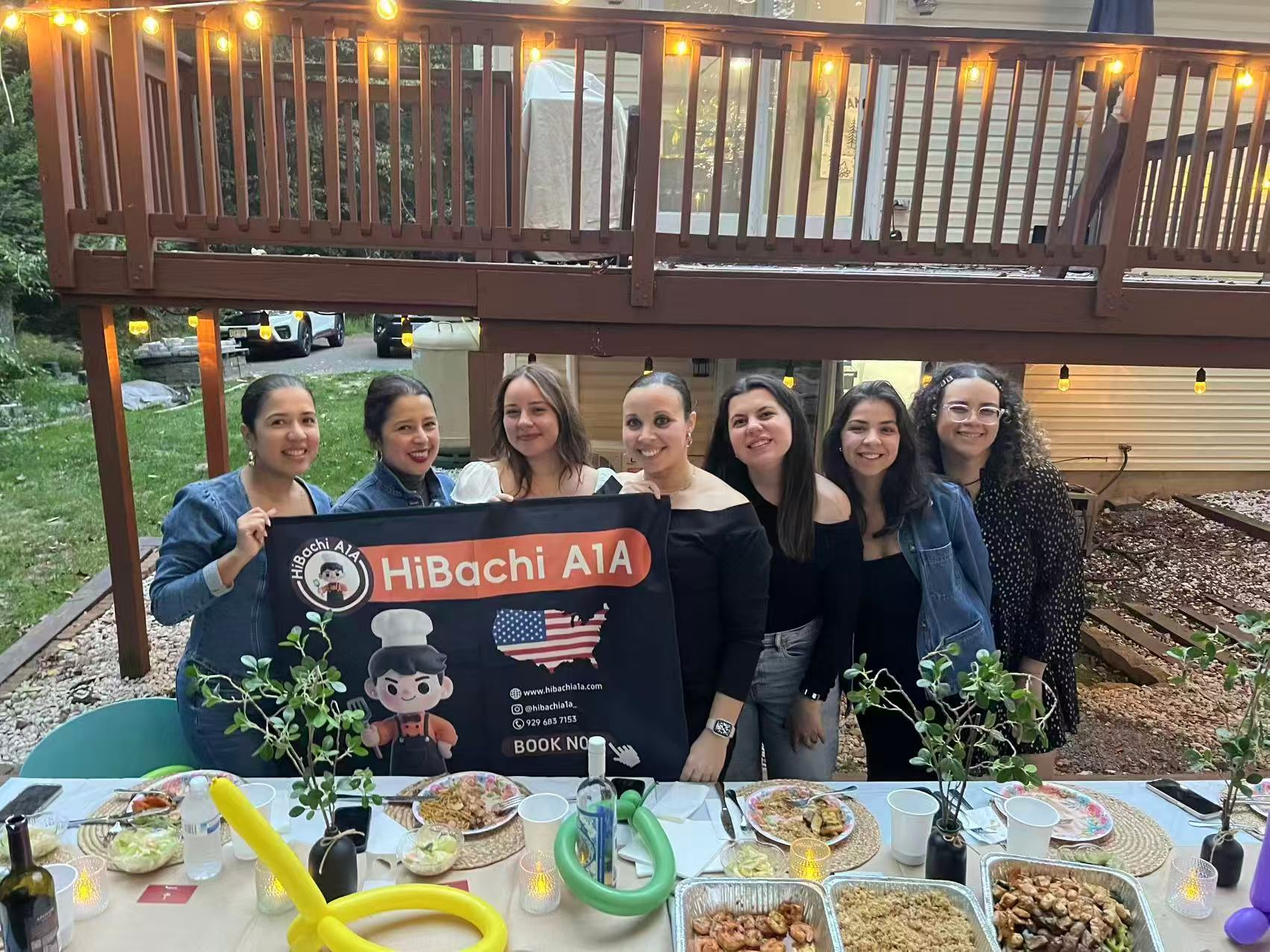
The benefit is twofold: you get authentic flavors and the lively show, but without the stress of shopping, prepping, and cleaning. Moreover, [Hibachi A1A] can customize menus to dietary restrictions — gluten-free soy sauce, vegetarian proteins, or extra-spicy options — ensuring every guest is satisfied. For a family gathering of ten or a private event of fifty, their team scales effortlessly, providing consistent quality across every plate.
Final Tips for Home Cooks
If you are committed to the DIY route, start small. Practice with a single chicken breast and a handful of zucchini before attempting a full spread. Invest in a good spatula — a wide, thin metal one is essential for flipping and chopping. Also, keep all your sauces and seasonings pre-measured in small bowls, as the cooking process is fast and doesn’t leave time for fumbling.
Remember, the essence of hibachi is not perfection but performance. Even if your shrimp toss misses the hat, the laughter that follows is part of the charm. Focus on high heat, quality butter, and fresh garlic — those three elements carry 80% of the flavor. And when you want to elevate a special occasion without the effort, remember that [Hibachi A1A] is just a call away, ready to bring the sizzle, smoke, and smiles to your next family dinner or private celebration.
In conclusion, cooking hibachi at home is an accessible, joyful endeavor that transforms a meal into an event. With the right equipment, fresh ingredients, and a willingness to embrace the theatrical, you can deliver authentic flavors that rival any restaurant. And for those moments when convenience matters more, professional services like [Hibachi A1A] ensure that the hibachi spirit — vibrant, communal, and delicious — lives on, wherever you choose to gather.