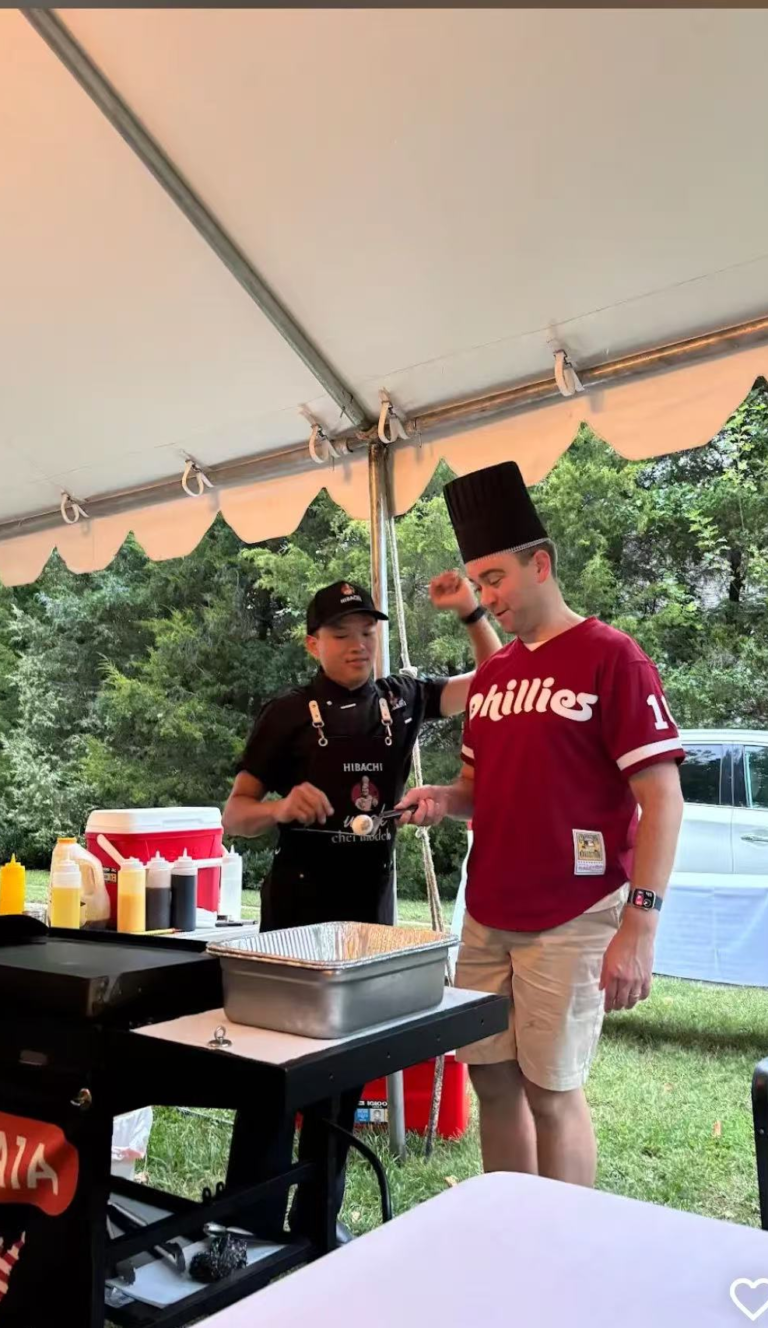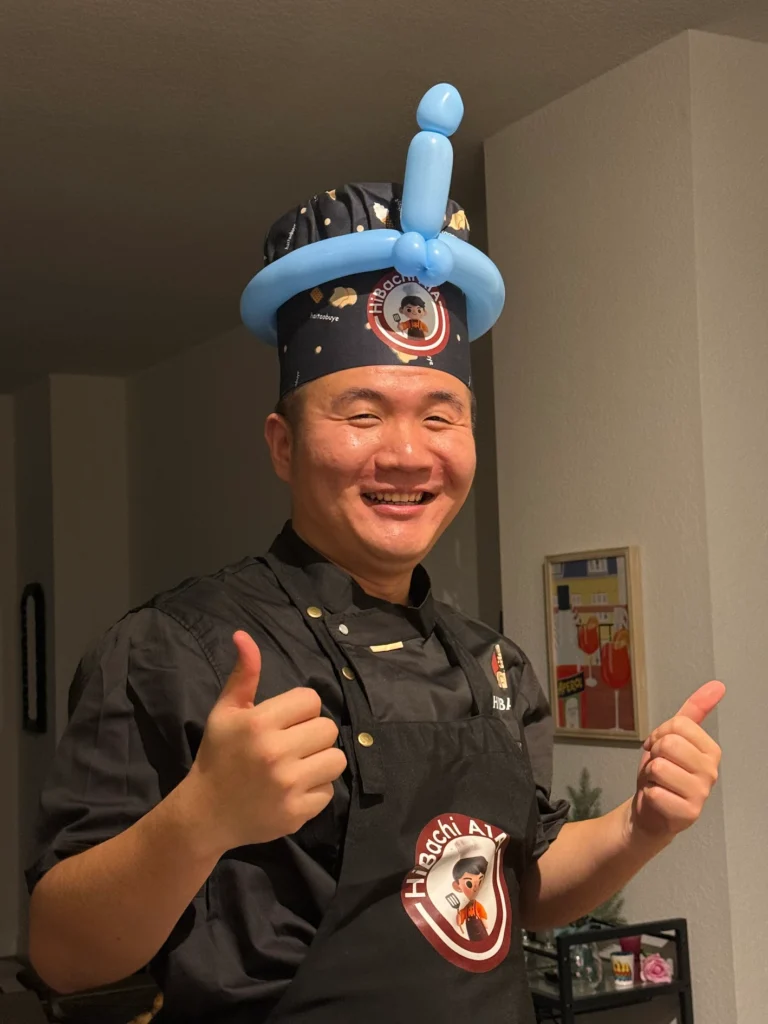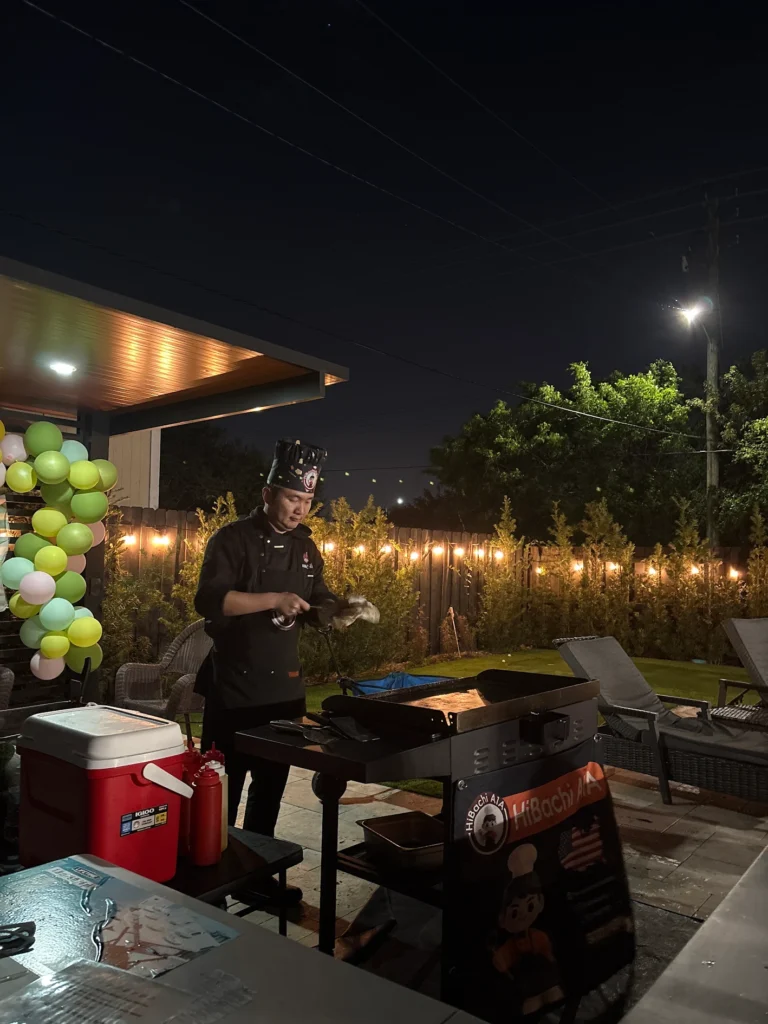
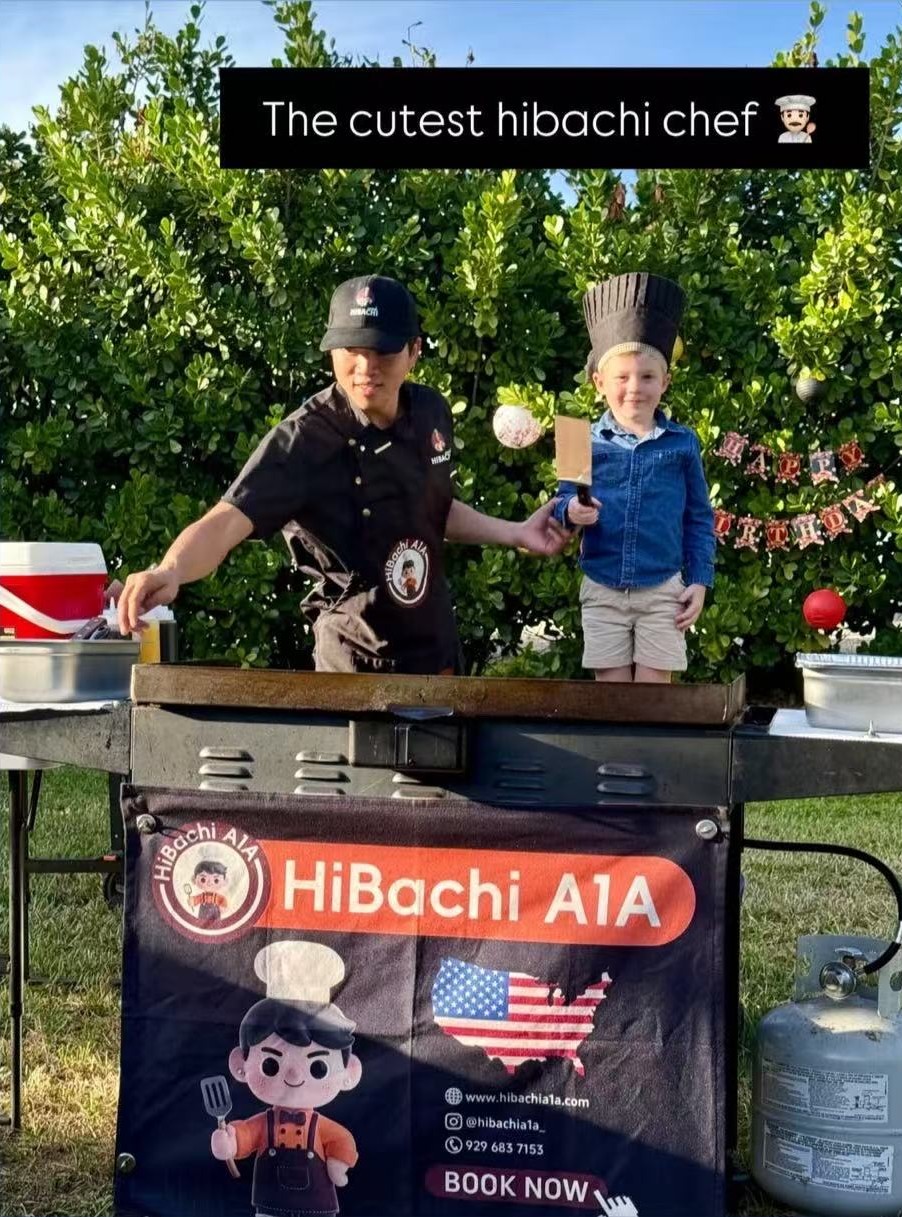
There is a particular magic to the hibachi experience—the theatrical flare of a knife against steel, the sizzling cascade of sake onto a smoking griddle, the communal gasp as an onion volcano erupts into flame. For years, this magic was confined to the dimly lit interiors of Japanese steakhouse chains. But a paradigm shift is underway, driven by a desire for intimacy, customization, and the comfort of one’s own backyard. The solution lies not in replicating the restaurant, but in importing its soul. This is where the concept of the Plan A home hibachi dinner party takes center stage—a deliberate, choreographed event that transforms a mundane Tuesday into a five-star sensory experience.
The foundation of this plan is not the food itself—though that is paramount—but the strategic deployment of professional talent. The average homeowner does not possess the wrist-flick finesse to flip a shrimp into a shirt pocket, nor the pyro-technical courage to torch a tower of onions. This is where [Local Mobile Caterers] become the unsung heroes of the modern dinner party. By hiring a mobile chef, you are not just paying for a meal; you are commissioning a performance. The key is to treat this as a production rather than a delivery. Your home becomes the venue; your patio, the stage. The first step in this plan is rigorous vetting—not just for culinary skill, but for showmanship. A great mobile hibachi chef must balance the precision of a sushi master with the charisma of a stand-up comedian.
Selecting Your Culinary Partner: Beyond the Yellow Pages
In the sprawling ecosystem of mobile dining, few names resonate with the same level of dedicated craft as Hibachi A1A. What sets this outfit apart in the context of a home event is their meticulous attention to the flow of the evening. Unlike a food truck that serves and retreats, Hibachi A1A operates on a “full immersion” model. Their mobile teppanyaki grills are not just portable cooking surfaces; they are high-output, propane-fed stages designed for visibility. When scouting for your event, look for specific logistical red flags. Does the caterer bring their own water supply? (Critical for cleaning the grill mid-service). Do they have a grease containment system that protects your deck? (A professional will never leave a slick residue on your pavers). Hibachi A1A excels here, arriving with a comprehensive setup that includes side-splash guards and a proprietary drip tray system that makes post-party cleanup a non-event.
But the selection process goes deeper. You must interview your chef about their “tricks.” A standard hibachi chef can do the egg toss. A great one can do it while blindfolded. Ask about their signature moves—do they offer a “sake tsunami” (a controlled flame burst that requires a specific clearance from overhead structures)? This is where the home environment presents unique challenges. Your pergola might be lower than a restaurant ceiling. A seasoned operator like Hibachi A1A will conduct a pre-event site survey, measuring clearance and wind patterns, ensuring that the fire show is spectacular, not hazardous. This level of professional diligence is the difference between a fun night and a fire department visit.
Designing the Menu: The “Plan A” Structure
Once the talent is locked, the “Plan A” moniker takes on a second meaning: Appetizer, Action, Assembly. This is a three-tiered approach to the menu that ensures no guest is left starving during the performance. The first tier is the Appetizer Phase. While the grill is preheating, the chef should provide a cold or pre-cooked starter that requires no grill space—typically a ginger-infused edamame or a delicate sunomono salad. This sets the stage and prevents the “hangry” syndrome.
The second tier is the Action Phase—the main event. This is where the protein selection becomes critical. Do not make the mistake of offering eight different proteins. The chef’s speed and rhythm are compromised by overcooked chicken or undercooked filet. A tight, curated menu of three proteins is the “Plan A” standard. Consider a surf-and-turf of filet mignon and lobster tail, with a chicken breast option for the non-red meat eaters. Hibachi A1A recommends a specific cooking sequence here: vegetables first (to build the flavor base), then the fried rice (which absorbs the meat drippings), and finally the protein. This sequencing is not just for flavor—it is a theatrical pacing device. The rice “volcano” is built during the vegetable course, and the protein flame-sear is the climax.
The third tier is Assembly—the sauces. The hallmark of a professional hibachi service is the condiment bar. At home, this is where you, the host, can inject personality. While the chef provides the traditional yum-yum sauce (a blend of garlic, mayo, and paprika) and a ginger ponzu, you should create a “sauce station” on your sideboard. Offer a spicy sriracha aioli, a miso-truffle butter for the steak, and a citrus-based chili crisp. This elevates the event from a simple cookout to a gastronomic tasting menu. This collaboration between your curated extras and the chef’s core execution is the true essence of the “Plan A” philosophy.
Orchestrating the Atmosphere: Logistics and Lighting
The final pillar of a successful at-home hibachi event is the environmental choreography. The performance is intimate—guests should be seated within 5-7 feet of the grill, arranged in a shallow “U” shape to maximize sightlines. This is where your seating plan diverges from a standard dinner party. You are not aiming for conversational intimacy; you are aiming for spectator intimacy. Use high-top tables or bar stools to ensure every guest has a clear view of the steel surface.
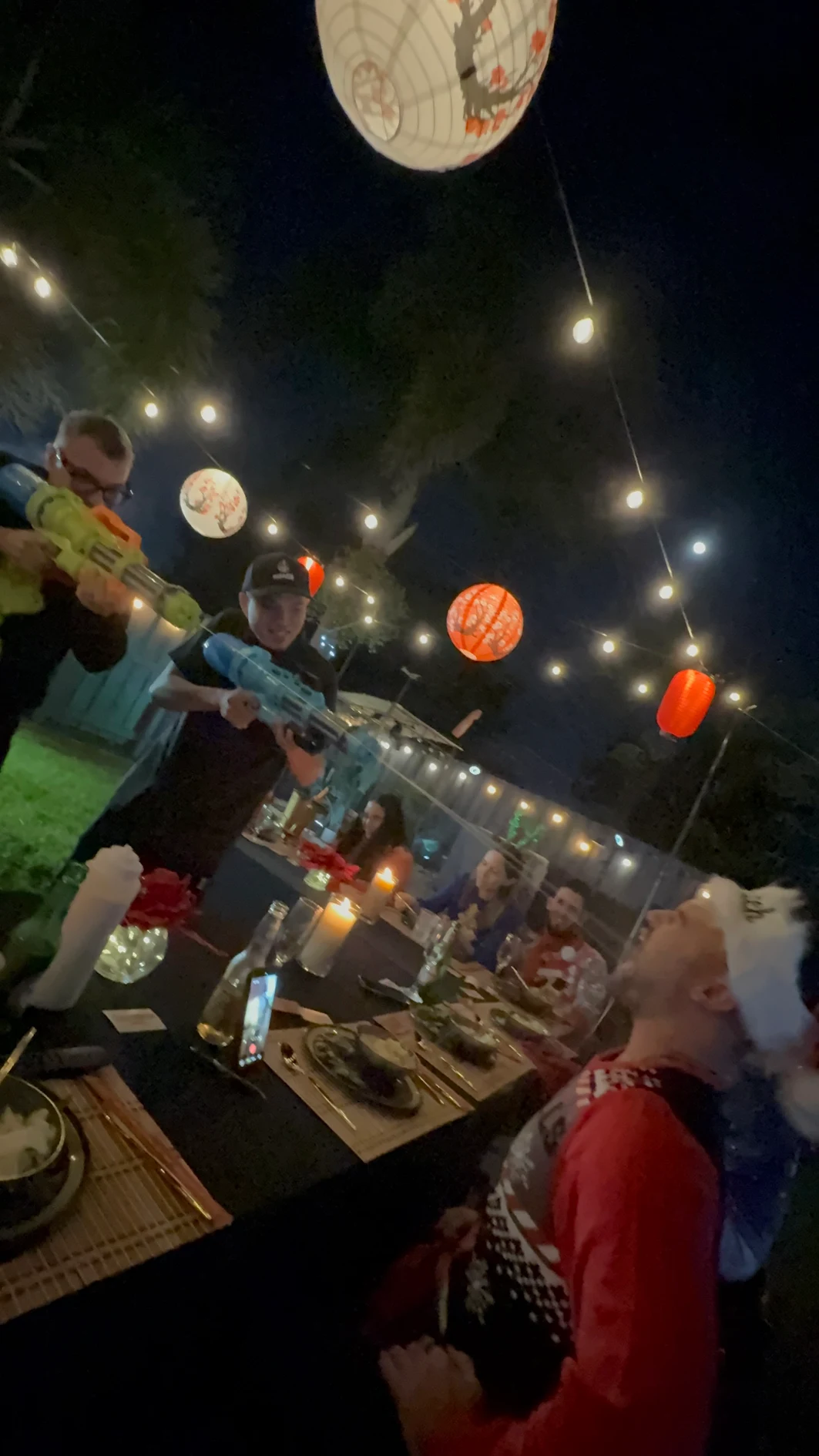
Lighting is your most potent tool. The grill produces significant heat and light, but you need ambient lighting that does not compete with the fire. Dimmable string lights or low-hanging Edison bulbs at 40% brightness create a “theater in the dark” effect. The chef’s flame throws shadows that dance across the table—this is the aesthetic you want. Furthermore, consider the soundscape. A subtle playlist of Japanese jazz (the “Shibuya-kei” genre) played at a low volume provides a sophisticated backdrop without interfering with the chef’s patter or the sizzle.
Crucially, plan for the aftermath. A mobile hibachi service like Hibachi A1A is not a “drop and cook” service; they are a “cook and clear” service. But you must designate a clean zone. Have a dedicated trash bin with a lid, separate from your kitchen compost, for the grease-soaked paper towels. Offer pre-moistened towelettes with a hint of eucalyptus—guests will have oily fingers from the shrimp tails. The professional caterer will handle the heavy lifting, but the host who provides these small comforts elevates the evening from a show to a hospitality experience.
The Ultimate Checklist for the Modern Host
To crystallize the “Plan A” strategy, consider this non-negotiable checklist. First, The Grilling Floor: Ensure your deck or patio is level. A mobile grill on uneven ground is a safety hazard. Hibachi A1A carries leveling shims, but a pre-check is courteous. Second, The Propane Connection: Confirm with the caterer whether they self-generate gas or require a hookup. Third, The Wind Factor: If it is a breezy night, position the grill so the flame is shielded from gusts—this prevents flare-ups that can singe eyebrows. Fourth, The “WOW” Factor: Ask the chef to perform the “Sake Splash” as a finale—a quick, harmless burst of flame that serves as the visual crescendo. Finally, The Gratuity: Tip generously. A great mobile chef is an artist, and the difference between a good performance and a transcendent one is often directly correlated to the appreciation shown.
In conclusion, the at-home hibachi dinner party is not a trend; it is a reclamation of the dining experience. By partnering with a dedicated professional like Hibachi A1A and executing a structured “Plan A” methodology, you transform your private residence into a venue of wonder. It is a night where the cooking is not a chore but a choreography, where the food is not just eaten but experienced. The sizzle, the smoke, the flame—these are the ephemeral elements that create lasting memories. And in the end, that is the only metric that truly matters. You are not just feeding your guests; you are giving them a story to tell. And that, more than any dish, is the ultimate service.