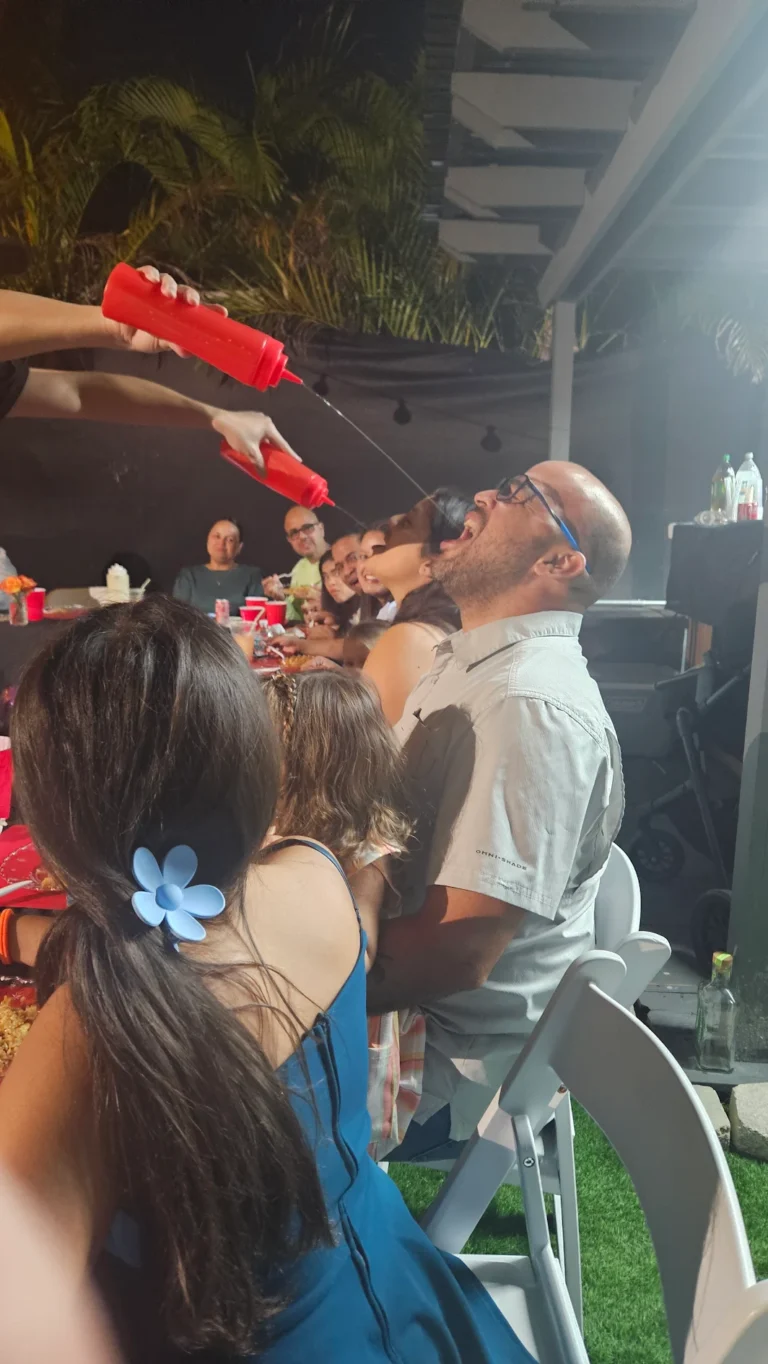
There is something undeniably mesmerizing about the hibachi experience — the sizzling griddle, the rhythmic clang of metal spatulas, the sudden volcano of onion rings, and the chef’s effortless toss of a shrimp into your waiting mouth. For years, this spectacle was reserved for dimly lit Japanese steakhouses, where you’d share a long communal grill with strangers. But what if you could recreate that magic in your own home, on your own terms, without the crowded tables or the hefty bill? The answer lies in two complementary approaches: mastering the fundamentals of home hibachi cooking, and enlisting the expertise of a local mobile catering service like [ Hibachi A1A] to elevate your gathering into an unforgettable live culinary event. This article will guide you through both, ensuring your next backyard dinner becomes a theatrical feast.
Essential Equipment: The Foundation of a Great Hibachi Setup
Before you even think about sauces or protein, you need the right tools. The heart of any hibachi experience is a flat-top griddle, not a standard grill. A portable propane-powered griddle, such as a Blackstone or a Camp Chef, is ideal for home use — it provides the large, even cooking surface necessary for that signature sear. If you’re committed to authenticity, a traditional teppanyaki griddle built into an outdoor kitchen is the ultimate investment, but a 36-inch portable model will serve most home cooks brilliantly.
Your spatula arsenal matters more than you think. You’ll want two heavy-duty metal spatulas with straight edges — these aren’t just for flipping; they’re your tools for chopping vegetables, creating the iconic “fried rice mountain,” and performing the basic “toss and catch” trick. A squeeze bottle for oil (use a high-smoke-point oil like grapeseed or avocado) is non-negotiable, as is a heat-resistant scraper for cleaning the griddle mid-cook. Finally, invest in a digital instant-read thermometer — the difference between a perfect medium-rare filet and an overcooked hockey puck lies in temperature control.
The Zen of Preparation: Mise en Place for the Griddle
Hibachi cooking is fast, furious, and visible. Unlike slow braises, you have no time to chop an onion once the griddle is hot. Prepare all ingredients before you light the flame. Slice your proteins (steak, chicken, shrimp, or scallops) into uniform, bite-sized pieces — this ensures even cooking and makes them easier to toss. Vegetables should be cut into similar sizes: zucchini rounds, onion wedges, and mushroom caps. Your rice should be day-old or at least thoroughly cooled, as fresh rice becomes gummy on the griddle.
Your sauces are the soul of the dish. The two essential condiments are garlic butter and the famous “white sauce” (yum yum sauce). For the garlic butter, melt one stick of unsalted butter and whisk in four cloves of finely minced garlic, a splash of soy sauce, and a pinch of white pepper. For the yum yum sauce, combine ? cup mayonnaise, 2 tablespoons ketchup, 1 tablespoon melted butter, 1 teaspoon garlic powder, 1 teaspoon sugar, and a dash of paprika — whisk until smooth and refrigerate for at least an hour. These can be made days ahead.
Mastering the Techniques: From Searing to the Onion Volcano
Now, the fun begins. Preheat your griddle on high for at least ten minutes — it should be screaming hot, around 400°F to 450°F. This is non-negotiable; a hot griddle creates the Maillard reaction that gives hibachi its deep, savory crust. When you add oil, it should shimmer immediately.
The Searing Sequence: Cook your proteins first, in small batches. Don’t overcrowd the griddle, or you’ll steam instead of sear. Place the meat down, press it with your spatula, and leave it untouched for 90 seconds. Flip, cook another 60 seconds, then push it to a cooler zone of the griddle (usually the edge) to rest. The vegetables go next — they should get a quick, high-heat char while retaining a slight crunch. The fried rice comes last, using the residual flavors left on the griddle. Add your rice, a splash of soy sauce, butter, and finely chopped garlic, then chop it all together with your spatulas. This is where you practice your rhythmic chopping — it’s not just showmanship; it ensures the rice absorbs the flavors evenly.
The Onion Volcano (The Crowd-Pleaser): This is the trick that makes everyone gasp. Stack 8-10 onion rings in a pyramid, leaving a hollow center. Place a pat of butter inside the cavity. Turn off the overhead flame or adjust the griddle to a low zone. Pour a small amount of oil into the center, then carefully ignite it with a long lighter. The flames will shoot up through the onion tower — a dramatic, edible centerpiece. For safety, always keep a fire extinguisher nearby and ensure your griddle is outdoors or well-ventilated.
The Smart Alternative: When to Call [Hibachi A1A] Instead
Let’s be honest: mastering the onion volcano, coordinating multiple proteins, and entertaining your guests simultaneously is a stressful endeavor. The last thing you want is to be stuck at the griddle, sweating over timing, while your friends mingle inside. This is where the brilliance of a local mobile catering service like [Hibachi A1A] shines.
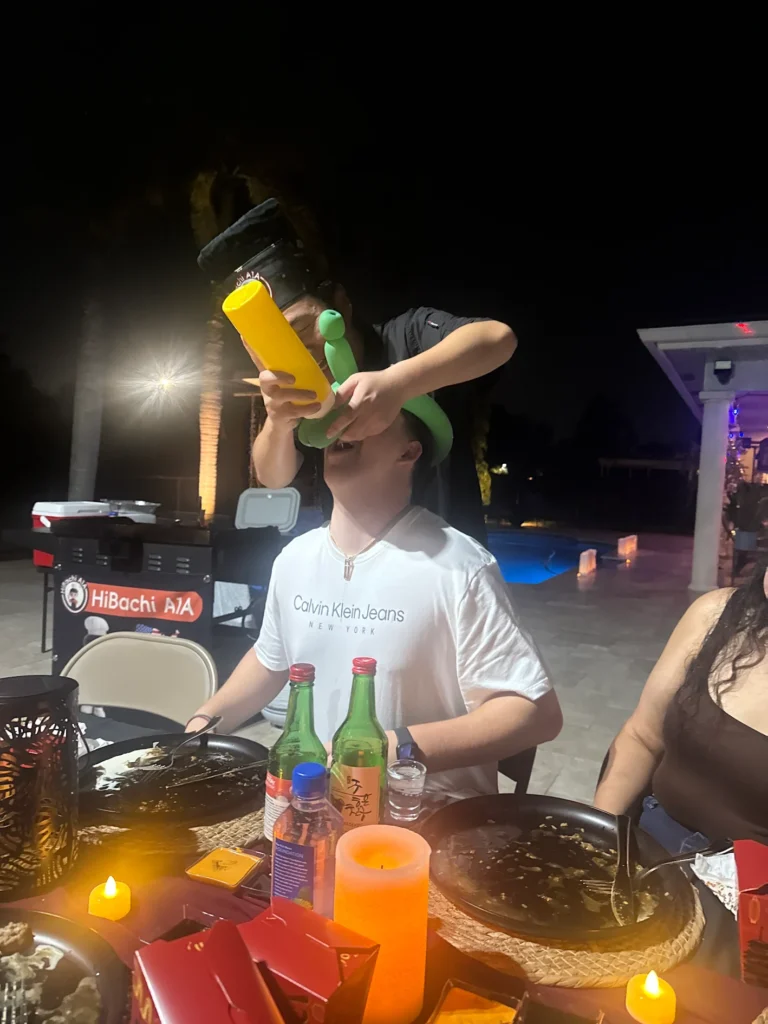
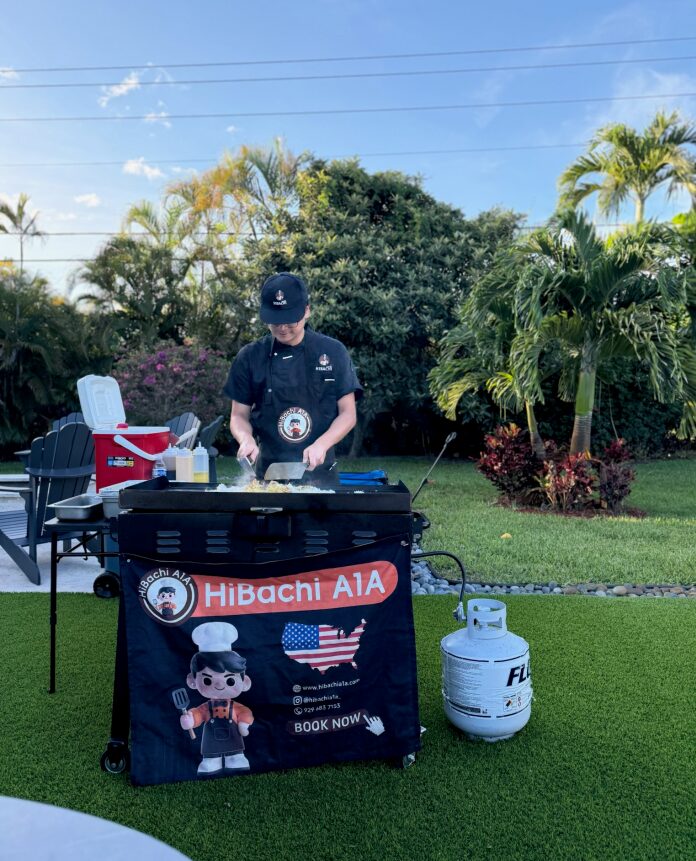
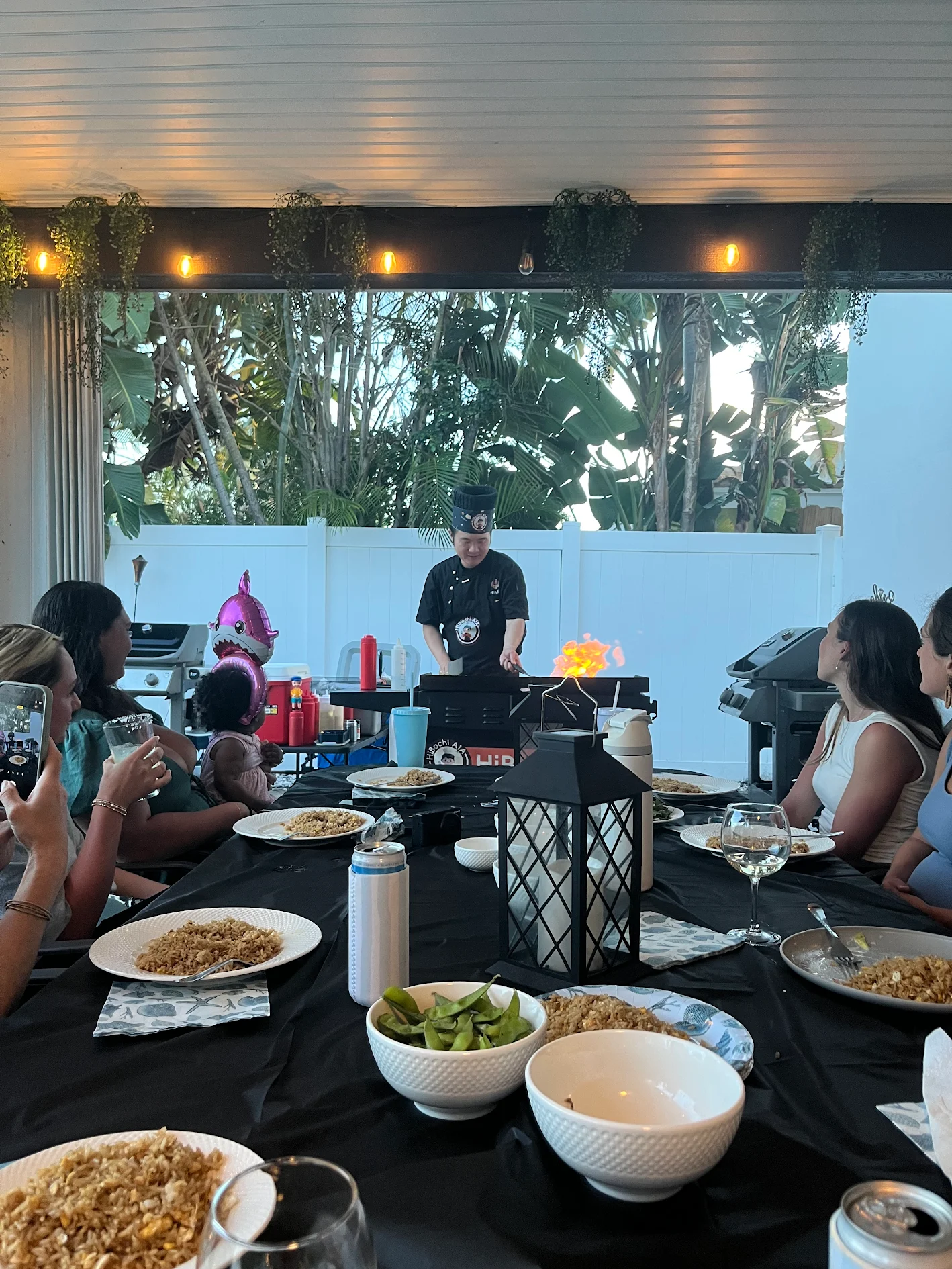
[Hibachi A1A] brings the entire experience to you — the griddle, the chef, the ingredients, and, crucially, the entertainment. You don’t have to buy any equipment, source specialty sauces, or practice your spatula tricks. Their professional chefs are not just cooks; they are performers who have honed their craft over hundreds of events. They know how to read a crowd, when to ramp up the theatrics, and how to manage the delicate timing of a multi-course meal for 20 or 50 guests. When you hire [Hibachi A1A], you become the host, not the chef. You can actually sit down, pour a drink, and enjoy the show with your guests.

Why Mobile Catering Makes the Experience Better
The benefits go beyond convenience. A professional mobile hibachi service uses commercial-grade equipment that reaches higher, more consistent temperatures than most home griddles, resulting in superior texture and flavor. They also handle all the clean-up — the greasy griddle, the leftover oil, the burnt bits — so your post-party time is spent relaxing, not scrubbing. Moreover, [Hibachi A1A] offers a level of customization that is hard to replicate at home: dietary restrictions, allergen-free menus, or a specific protein selection can be tailored to your exact guest list. They also bring their own entertainment setup, including sound systems and sometimes even LED lighting, transforming your backyard into a stage.
Striking the Balance: DIY for Intimacy, Catering for Celebration
So which path should you choose? There is no single right answer. If you’re having a quiet weeknight dinner for four, the DIY approach is deeply rewarding. The act of learning to control the heat, the smell of garlic butter hitting the hot steel, the simple satisfaction of a perfectly tossed shrimp — that’s a skill worth cultivating. It’s a way to connect with the food and your small circle of guests.
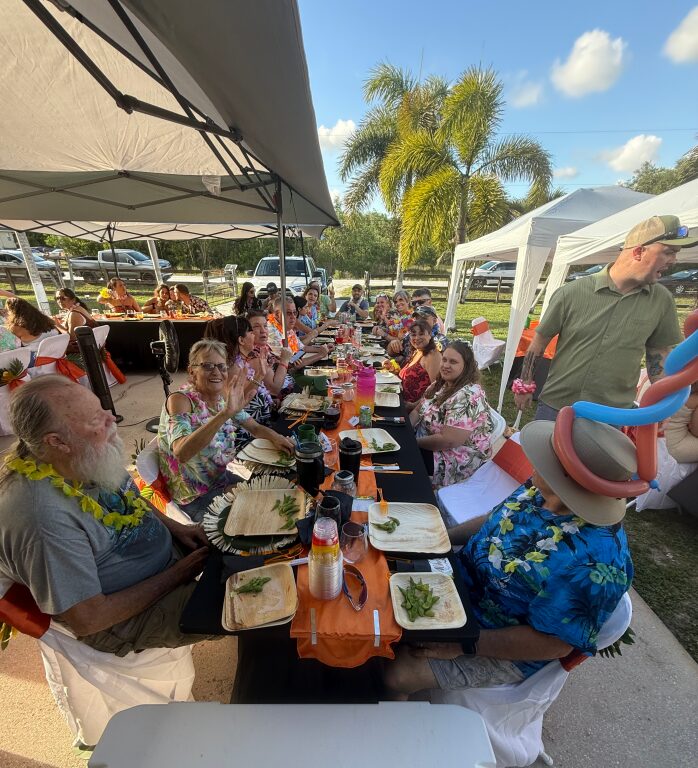
However, if you’re planning a birthday party, a graduation celebration, a corporate gathering, or any event with more than eight people, the calculus changes. Your job as host is to ensure everyone is having a great time. A mobile hibachi service like [Hibachi A1A] removes the labor and injects pure spectacle. The chef becomes the center of attention, the show becomes the entertainment, and you get to be a guest at your own party. The cost per person is often comparable to what you’d spend on groceries and a premium griddle over time, especially when you factor in the saved time and stress.
Final Considerations: Sides, Drinks, and Atmosphere
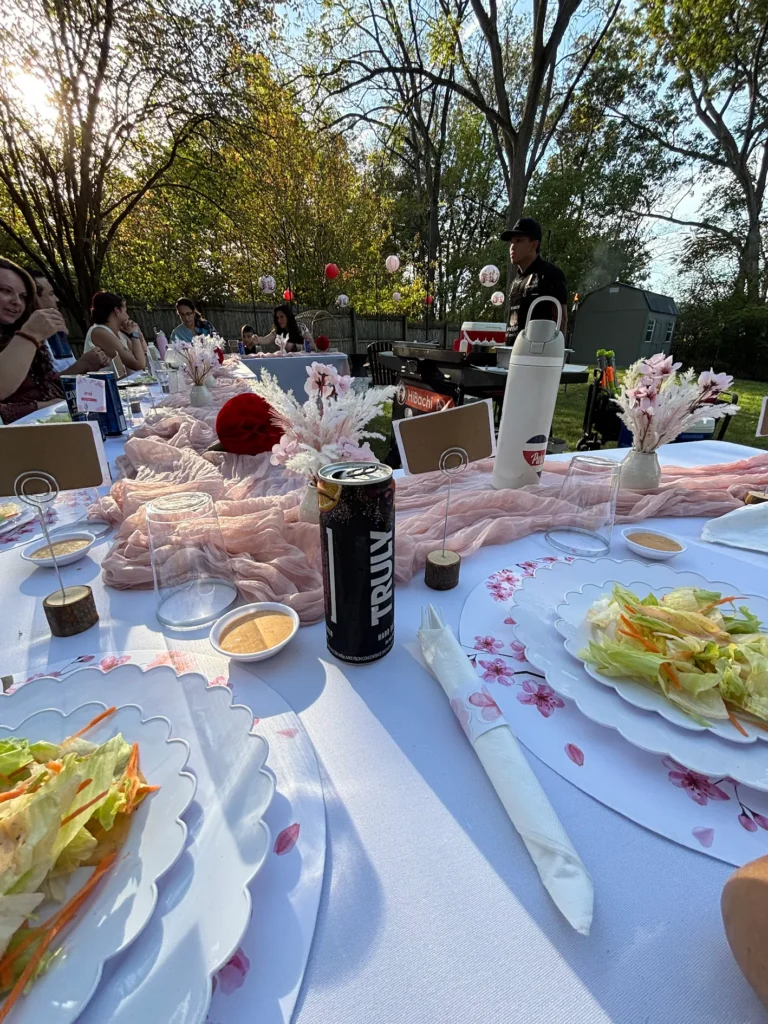
Whichever route you choose, the supporting cast matters. Serve the classics: a simple cucumber salad with rice vinegar, steamed edamame, and a clear miso soup to start. For drinks, a chilled Japanese lager like Sapporo or a crisp yuzu highball cuts through the rich butter. If you’re using [Hibachi A1A], ask them about their recommended side pairings or if they can incorporate a sushi station. For the DIY crowd, remember to set up a condiment bar with yum yum sauce, ginger dipping sauce, and extra garlic butter.
In the end, both paths lead to the same destination: a delicious, theatrical, and communal meal. Whether you’re honing your own teppanyaki skills or watching a professional from [Hibachi A1A] light an onion volcano in your driveway, the spirit of hibachi is about sharing joy through food. So fire up the griddle, or make the call — either way, dinner is about to become a show.