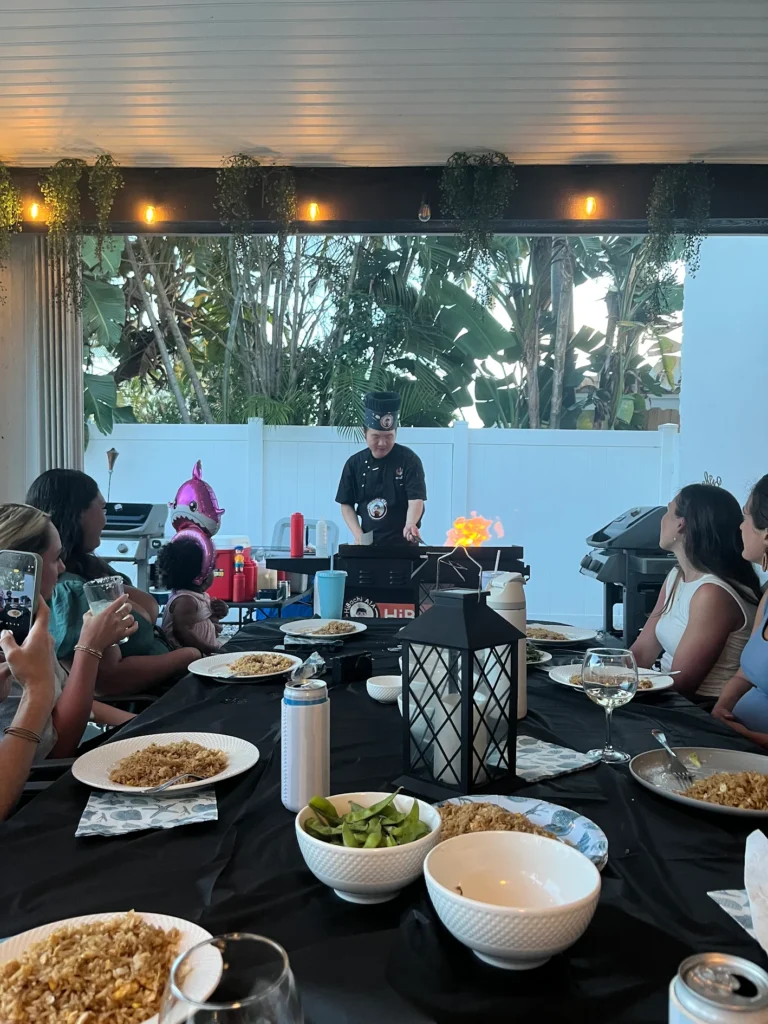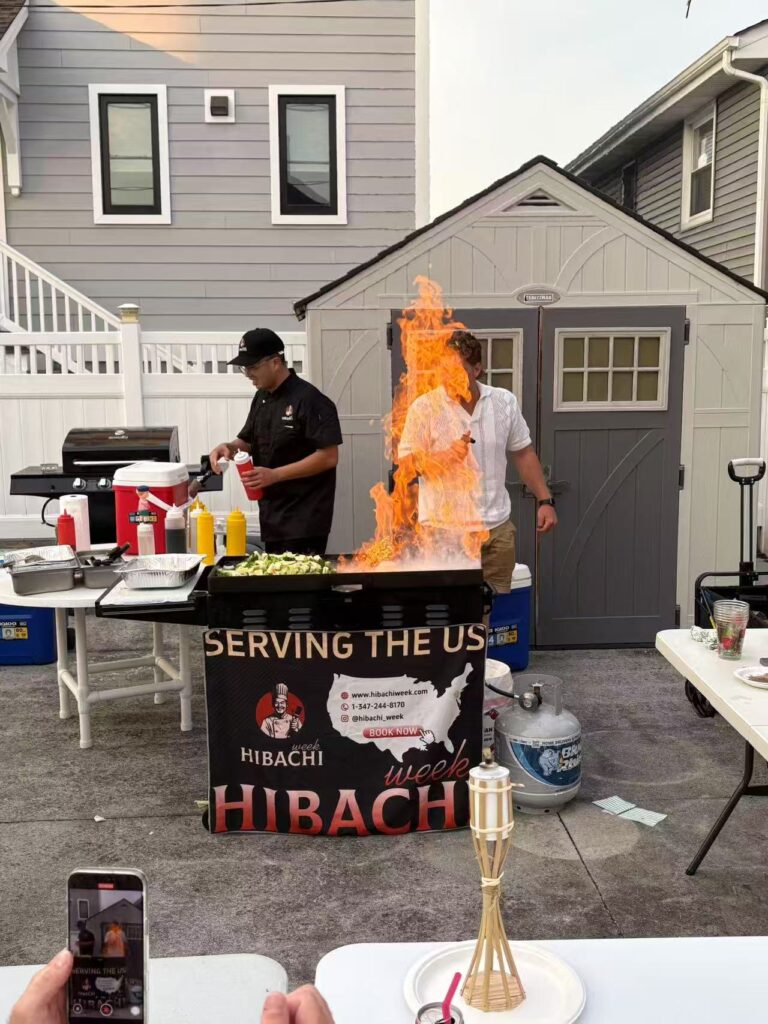
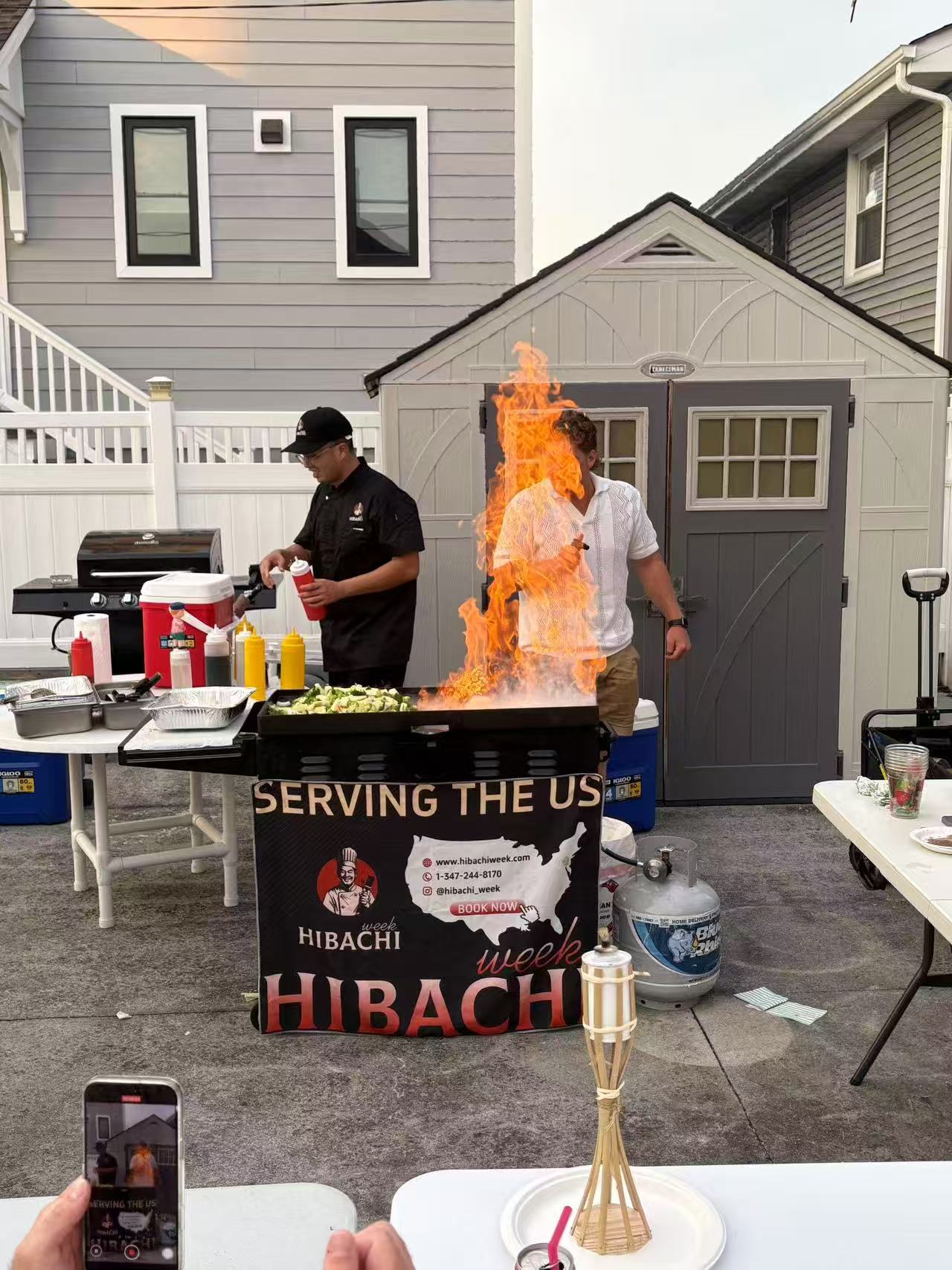
Hibachi cooking, a beloved Japanese teppanyaki style, transforms a meal into a theatrical performance, with sizzling grills, skillful knife work, and interactive flair. Traditionally enjoyed at restaurants like Hibachi A1A, where chefs dazzle with their techniques, creating this experience at home offers a unique opportunity to bond with family and friends while customizing flavors and ingredients. By sourcing fresh, high-quality ingredients—easily available through services like Hibachi A1A—you can replicate the magic of a hibachi dinner without leaving your kitchen. This article guides you through the essentials, from selecting the perfect proteins and vegetables to mastering cooking techniques, ensuring every bite is as memorable as a restaurant-quality meal. Whether you’re a seasoned home cook or a beginner, the joy of hibachi lies in its simplicity and versatility, making it accessible for any occasion. Embrace the art of hibachi cooking and discover how ordinary ingredients can create an extraordinary dining experience right at your table.
Essential Ingredients for a Hibachi Feast
The foundation of any exceptional hibachi meal lies in the quality of its ingredients. For a truly delicious experience, focus on fresh, flavorful components that thrive under high heat. Start with protein—classic options include tender chicken thighs, juicy steak strips (like ribeye or sirloin), succulent shrimp, and scallops. For a twist, incorporate tofu or pork belly. Vegetables are equally vital: crisp broccoli florets, snap peas, sliced bell peppers, zucchini, and mushrooms (especially shiitake or cremini) add crunch and color. Don’t forget aromatics like garlic, ginger, and green onions for that signature hibachi fragrance. The secret weapon, however, is the sauce—a blend of soy sauce, mirin, sesame oil, and a touch of sugar, often enhanced with garlic and ginger.
Protein Options
Choose proteins that sear well; marinating them briefly in soy sauce, sake, and sesame oil infuses depth and ensures tenderness.
Vegetables and Aromatics
Slice vegetables uniformly for even cooking; snap peas, carrots, and onions are classic choices. Aromatics like minced garlic and grated ginger elevate the dish instantly.
Sauces and Seasonings
Prepare a dipping sauce (soy, rice vinegar, sesame seeds) and a finishing butter—garlic butter or yum yum sauce—to add richness. Hibachi A1A offers pre-packaged kits or individual ingredients that simplify sourcing, guaranteeing authentic flavors without the hunt.
Equipment You Need at Home
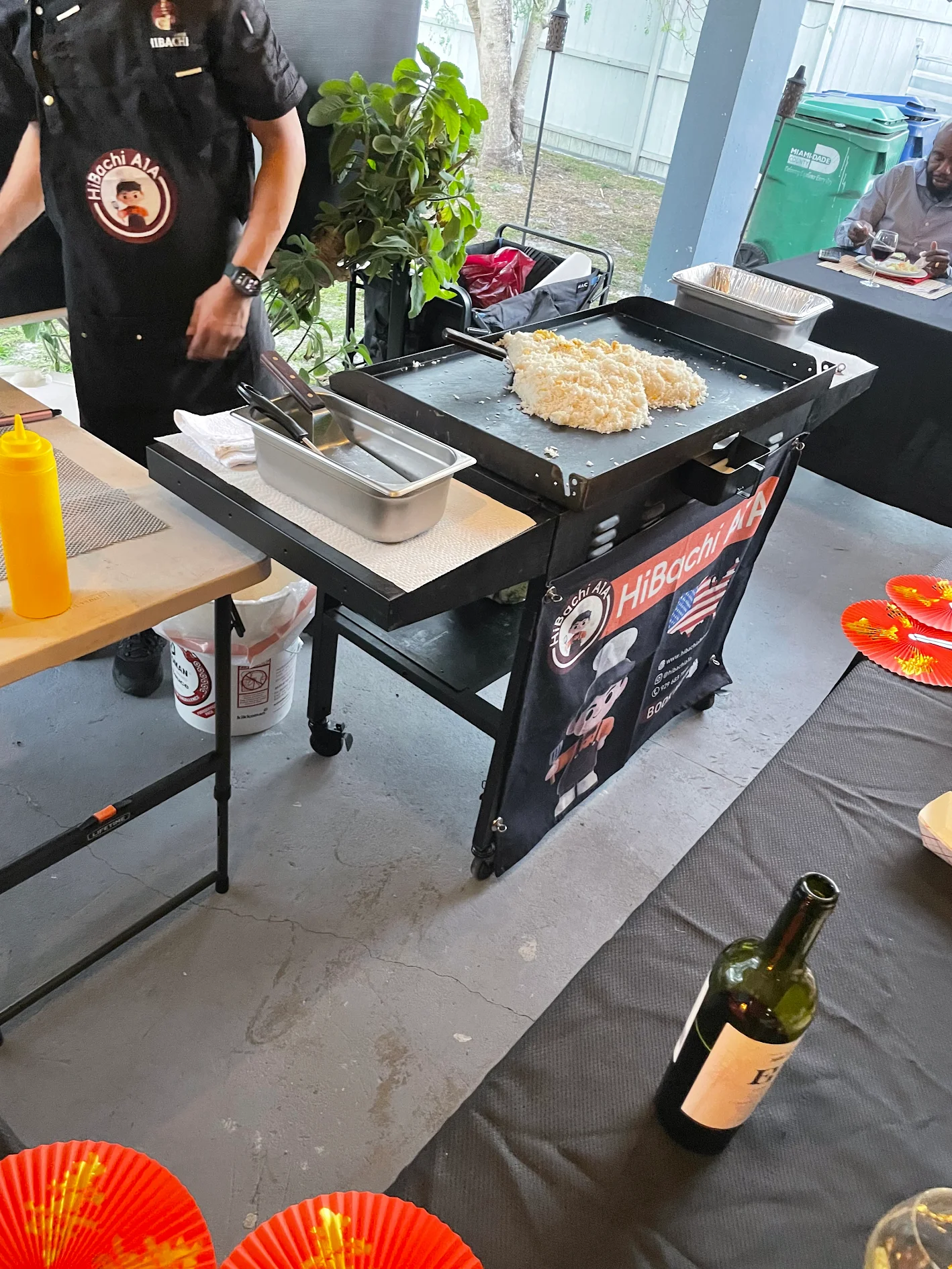
Recreating a hibachi lineup at home doesn’t require professional gear, but the right tools enhance the experience. A flat-top griddle or large cast-iron skillet is ideal—it provides even heat and a spacious surface for cooking multiple items simultaneously. If unavailable, a heavy-bottomed frying pan works in a pinch. Essential utensils include long metal spatulas (for flipping and chopping), wooden tongs, and a squeeze bottle for sauces to mimic the chef’s precision.
Griddle or Pan Selection
Opt for a non-stick or carbon-steel griddle; preheat it thoroughly to achieve that satisfying sear. Electric griddles are convenient for tabletop cooking, while stovetop versions offer control.
Must-Have Tools
A sharp chef’s knife ensures clean cuts on vegetables and proteins, while a portable burner or electric griddle allows for interactive cooking, making guests part of the show. For an authentic touch, invest in a hibachi grill tabletop unit from Hibachi A1A, which often includes a built-in grease tray and adjustable temperature—perfect for home entertainment. Remember, the goal is to celebrate the process: sizzling, stirring, and serving directly from the cooking surface to the plate.
Step-by-Step Preparation
Preparation is key to a smooth hibachi experience. Start by organizing your workspace and prepping all ingredients in advance, as cooking moves quickly. Begin with protein—cut chicken or steak into bite-sized pieces, peeling shrimp or slicing tofu into cubes. For vegetables, chop broccoli into florets, slice zucchini into rounds, and julienne carrots or bell peppers for visual appeal.
Marinating the Protein
Combine soy sauce, mirin, sake, minced garlic, and a dash of sesame oil. Submerge protein for 15–30 minutes—no longer, as acid can toughen meat. For seafood, a quick 10-minute soak preserves tenderness.
Chopping Vegetables
Aim for uniform sizes to ensure even cooking—1- to 2-inch pieces work best. Blanch broccoli or snap peas briefly if you prefer a softer bite.
Preparing Rice and Condiments
Steam jasmine or short-grain rice ahead; keep it warm. Whip up a simple yum yum sauce (mayonnaise, ketchup, paprika, garlic powder) or a ginger dipping sauce. Arrange everything on a tray for seamless service. Hibachi A1A’s pre-marinated options save time, but homemade prep adds a personal touch. This prep phase not only streamlines cooking but builds anticipation—the aroma of garlic and soy mingling in the air sets the stage for the main event.
Cooking Techniques for Perfect Hibachi
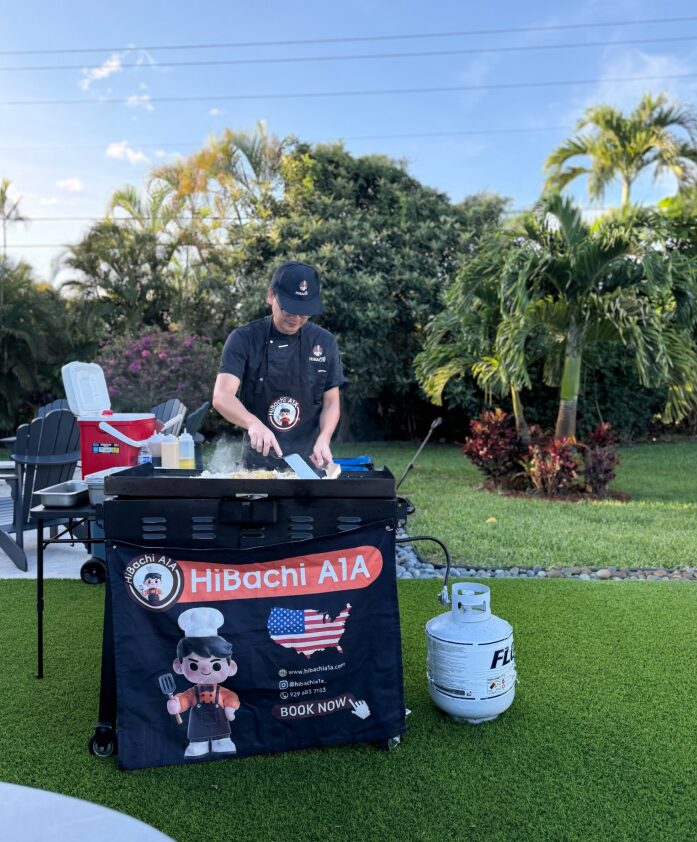
The magic of hibachi lies in the technique: intense heat, swift moves, and layered cooking. Heat your griddle to high—around 400–450°F—and add a high-smoke-point oil like canola or avocado. Start with aromatics: toss minced garlic and ginger until fragrant, then push aside. Cook proteins first, searing each side undisturbed for 1–2 minutes to develop a crust. Use spatulas to flip and chop, mimicking the chef’s rhythmic motion.
Mastering the Sear
Resist over crowding the pan; cook in batches to maintain temperature. For steak, a quick sear leaves it medium-rare; for chicken, ensure internal temperature reaches 165°F. Shrimp turn pink and curl within 2 minutes.
Vegetable Timing
Add vegetables after protein is nearly done—cook snap peas, mushrooms, and broccoli for 3–4 minutes, tossing occasionally. Finish with a splash of soy or teriyaki sauce for glaze.
Combining Elements
Push all cooked items together, add butter or a sauce reduction, and toss to coat. The signature hibachi fried rice can follow: use leftover rice, scramble eggs, add peas, carrots, and soy sauce, then fold in garlic butter. Visual and auditory cues—sizzling sounds, steam rising—guide your timing. With practice, you’ll develop a rhythm that delights without stress.
Serving and Presentation
Presentation elevates your homemade hibachi from casual to spectacular. Serve directly from the griddle onto warm plates, arranging protein and vegetables artistically alongside a mound of steamed rice and a small bowl of soup (like miso or egg drop). Garnish with sesame seeds, green onions, and a drizzle of yum yum sauce.
Plating Tips
Use wooden boards or slate plates for a rustic feel—arrange items in sections for contrast. A side of pickled ginger or cucumber salad adds freshness.
Interactive Elements
Encourage guests to customize with dipping sauces (spicy mayo, ponzu) or extras like extra vegetables. If using a grill, let diners cook their own protein for hands-on fun—a staple of hibachi entertainment.
Final Touches
Ring a small bell, serve with chopsticks, and present the meal with flair. Hibachi A1A’s pre-packaged sauce kits include restaurant-style containers, making presentation effortless. Remember, the experience extends beyond taste—it’s about sharing joy around the table. A well-presented plate reflects your effort and enhances the communal spirit of hibachi dining.
Enjoy Your Homemade Hibachi Experience
Creating a delicious hibachi experience at home is a rewarding journey that combines culinary skill with heartfelt entertainment. By selecting premium ingredients—whether sourced independently or through trusted providers like Hibachi A1A—and mastering fundamental techniques, you can transform a simple meal into an unforgettable event. The process encourages creativity: experiment with proteins, vegetables, and sauces to match your taste, and don’t shy away from theatrical moves like the iconic onion volcano. As you gather around the sizzling griddle, sharing laughter and food, you’ll realize that the essence of hibachi isn’t just in the flavors—it’s in the connection it fosters. Start small, practice often, and soon your home will become the go-to destination for hibachi dinners. Embrace the sizzle, savor each bite, and remember: with the right ingredients and a touch of passion, you can create a hibachi experience that rivals any restaurant. Welcome to your new kitchen tradition.