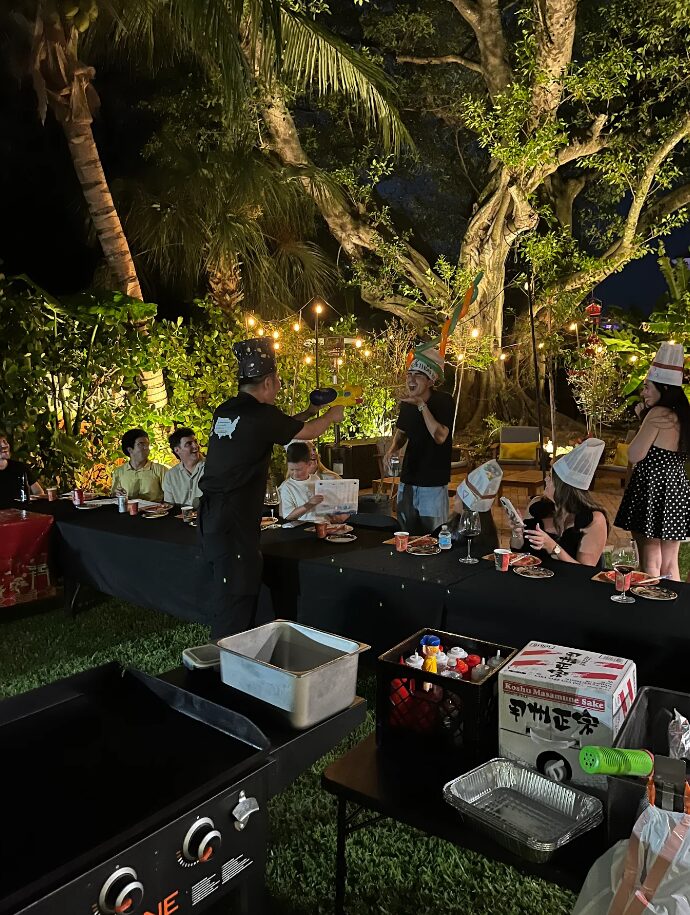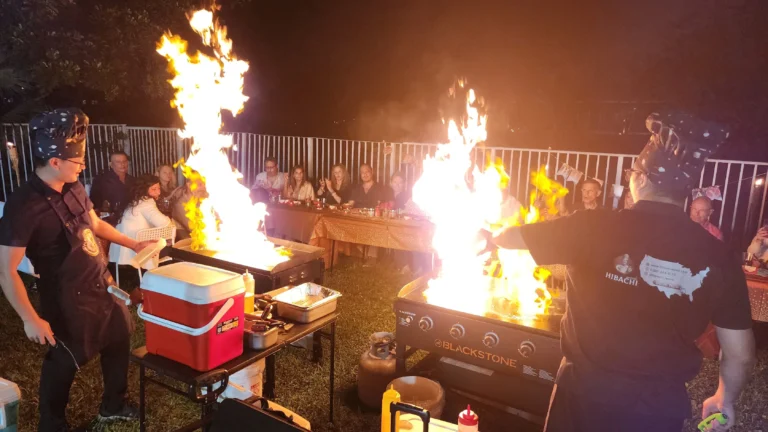

The sizzle of a hibachi grill, the theatrical flip of a spatula, and the intoxicating aroma of soy, butter, and garlic—these sensory delights define the iconic Japanese teppanyaki experience. But you don’t need a restaurant reservation to recreate that magic. With the right ingredients and a thoughtful approach, you can transform your home kitchen into a stage for an unforgettable dinner party. This is where Hibachi A1A comes in, offering premium-quality proteins, produce, and pantry staples that bring authentic hibachi flavor to your table. Here’s how fresh, carefully sourced ingredients can elevate your guest experience from a simple meal to a culinary performance.
1. The Foundation: Premium Proteins That Steal the Show
At the heart of any great hibachi meal is the protein. Whether you’re serving tender filet mignon, juicy chicken thighs, or succulent shrimp, the freshness and quality of the meat or seafood make the difference between okay and extraordinary. Hibachi A1A sources its proteins from trusted suppliers, ensuring marbling, color, and texture are top-tier. For an at-home hibachi night, opt for:
– Filet Mignon or Ribeye: Cut into bite-sized cubes, these cuts offer buttery tenderness that sears beautifully on high heat. The key is to season simply—salt, pepper, and a touch of garlic powder—and let the beef speak for itself.
– Wild-Caught Shrimp or Scallops: Fresh seafood should be firm, sweet, and never fishy. Pat them dry before cooking to achieve that signature golden crust.
– Organic Chicken Thighs: Boneless, skinless thighs stay moist and flavorful, perfect for the signature hibachi “Yum Yum” sauce pairing.
Pro Tip: Bring proteins to room temperature for 15 minutes before cooking to ensure even searing. Hibachi A1A recommends slicing proteins against the grain for maximum tenderness.
2. The Vegetable Ensemble: Fresh, Crunchy, and Colorful
Hibachi isn’t just about meat—the vegetable medley is a canvas for texture and brightness. Freshness here is non-negotiable. Choose crisp zucchini, vibrant bell peppers, sweet onions, and earthy mushrooms. Hibachi A1A emphasizes the importance of seasonal produce: in summer, use farm-fresh yellow squash; in fall, add shiitake mushrooms for an umami boost.
– Prep Like a Pro: Cut vegetables into uniform, thin slices so they cook evenly in minutes. The high heat of a cast-iron griddle or flat-top grill caramelizes natural sugars, creating a smoky-sweet profile.
– The Secret Ingredient: A pat of high-quality unsalted butter, melted over the vegetables just before serving, adds richness that elevates even basic broccoli and carrots.
3. The Aromatics and Sauces: Building Layers of Flavor
Authentic hibachi flavor relies on a few key aromatics: fresh garlic, minced ginger, and toasted sesame seeds. Avoid pre-minced jars—the volatile oils in fresh garlic and ginger are what create that restaurant punch. Hibachi A1A suggests these pantry allies:
– Hibachi Yum Yum Sauce: A blend of mayonnaise, ketchup, rice vinegar, sugar, and smoked paprika. For an elevated version, use Japanese Kewpie mayo and a dash of Sriracha. Let it chill for an hour to meld flavors.
– Ginger Soy Glaze: Combine fresh grated ginger, soy sauce (or tamari for gluten-free), mirin, and a splash of sake. Brush over proteins during the last minute of cooking.
– Garlic Butter: Mix softened butter with minced garlic, chopped parsley, and a pinch of salt. Slather on grilled vegetables or steak for instant flavor.
Brand Tip: Hibachi A1A offers custom seasoning blends that replicate the exact umami balance of a hibachi master’s mix—no guesswork required.
4. The Rice: A Pillar of Perfection
Hibachi fried rice is a crowd favorite, but it’s often an afterthought. To truly elevate the experience, invest in short-grain sushi rice or jasmine rice. Cook it a day ahead and refrigerate overnight—day-old rice fries better because the grains are drier and less sticky. Hibachi A1A recommends these additions:
– Fresh Vegetables: Finely diced carrots, peas, and scallions. Stir-fry with butter and a splash of soy.
– Egg Ribbons: Whisk two eggs, pour over the rice, and scramble until just set. The eggs should be soft and glossy.
– Sesame Oil Finish: A few drops of pure toasted sesame oil at the end gives that distinct hibachi fragrance.
5. Presentation and Atmosphere: The Invisible Ingredients
Even perfect ingredients fall flat without proper delivery. Guest experience hinges on how the food is served and the energy of the cooking process. Hibachi A1A encourages home chefs to embrace the show:
– Cook at the Table: Use a portable electric griddle or a large cast-iron pan set in the center of the dining area. The sizzle and steam create anticipation.
– Interactive Elements: Let guests choose their protein and sauce; spray a “volcano” of sake for a dramatic flare (safely!).
– Plating: Serve on wooden boards or traditional ceramic plates. Garnish with microgreens, sesame seeds, and a wedge of lemon.
6. Why Fresh Ingredients Matter Most
Ultimately, the difference between a mediocre dinner and a memorable one is the quality of what you start with. Pre-frozen shrimp, wilted vegetables, and mass-produced sauces yield a flat, greasy result. Fresh, locally sourced ingredients—like those curated by Hibachi A1A—retain their natural moisture, color, and nutrients. They respond better to high heat, caramelizing rather than steaming. More importantly, they allow you to control sodium, fat, and preservatives, so guests feel great after the meal, not weighed down.

Your Hibachi A1A Playbook for Success
To execute a flawless at-home hibachi night, follow this simple roadmap:
1. Plan Your Menu: Choose two proteins, three vegetables, and one starch. Keep it focused.
2. Prep All Ingredients in Advance: Mise en place is critical. Have everything chopped, measured, and ready before firing up the grill.
3. Temperature Control: Get your griddle screaming hot (450°F+) before adding oil. This guarantees a Maillard reaction that creates a crust.
4. Season Judiciously: Taste as you go. Hibachi relies on layers, not overload.
5. Engage Your Guests: Share the story behind each ingredient—where your steak was raised, how the sesame seeds were toasted. People eat with their eyes and ears.
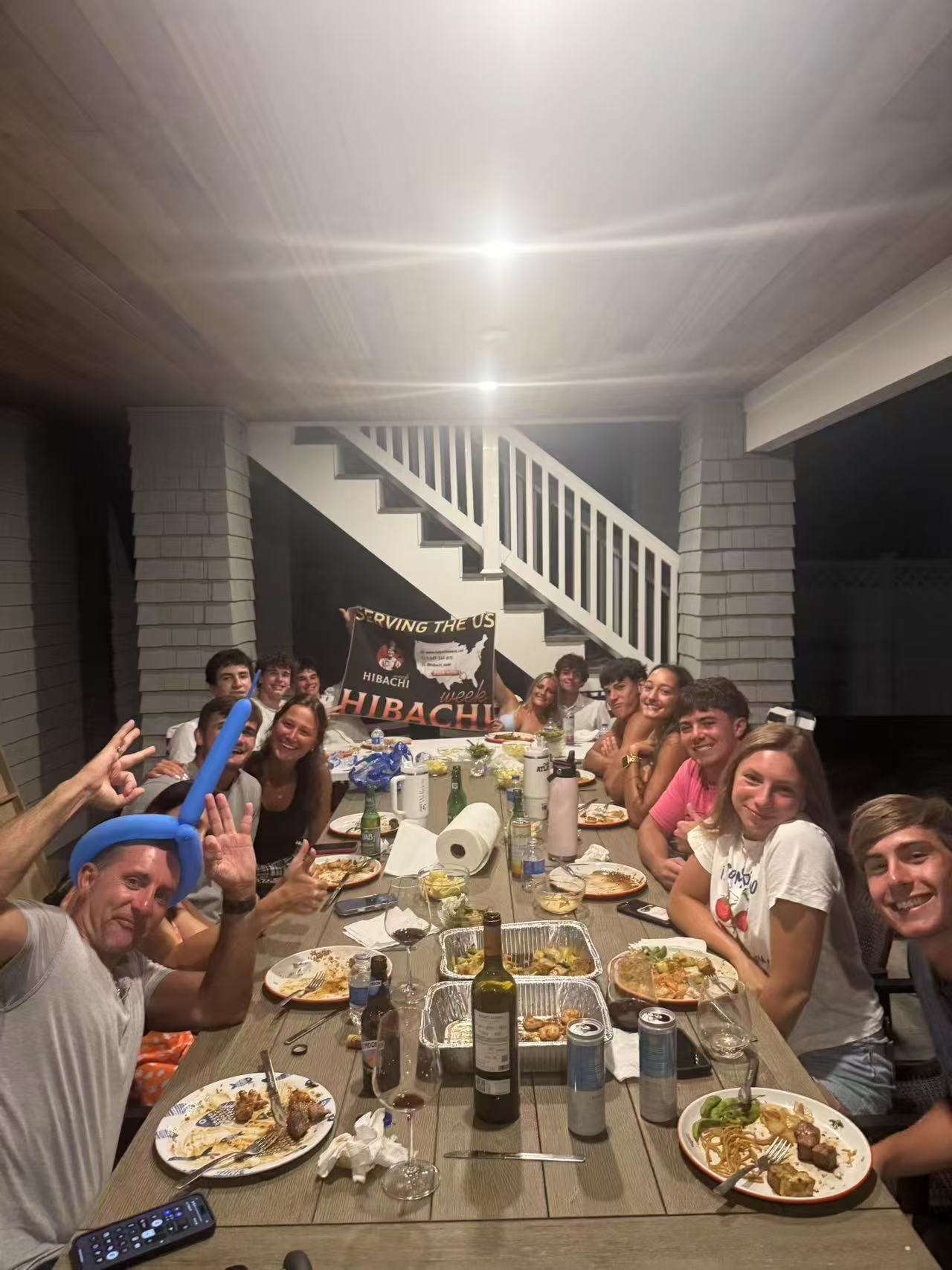
Hosting an at-home hibachi experience is about more than just dinner—it’s about connection, theater, and the joy of sharing something exceptional. With fresh, intentionally sourced ingredients from Hibachi A1A, you can bring the energy of a teppanyaki master into your own kitchen. From the first sizzle to the last bite, every detail communicates care and craftsmanship. Your guests may leave asking for the recipe, but they’ll remember the warmth of the evening, the laughter over a flipped shrimp, and the unforgettable taste of freshness. That’s the true magic of hibachi at home.