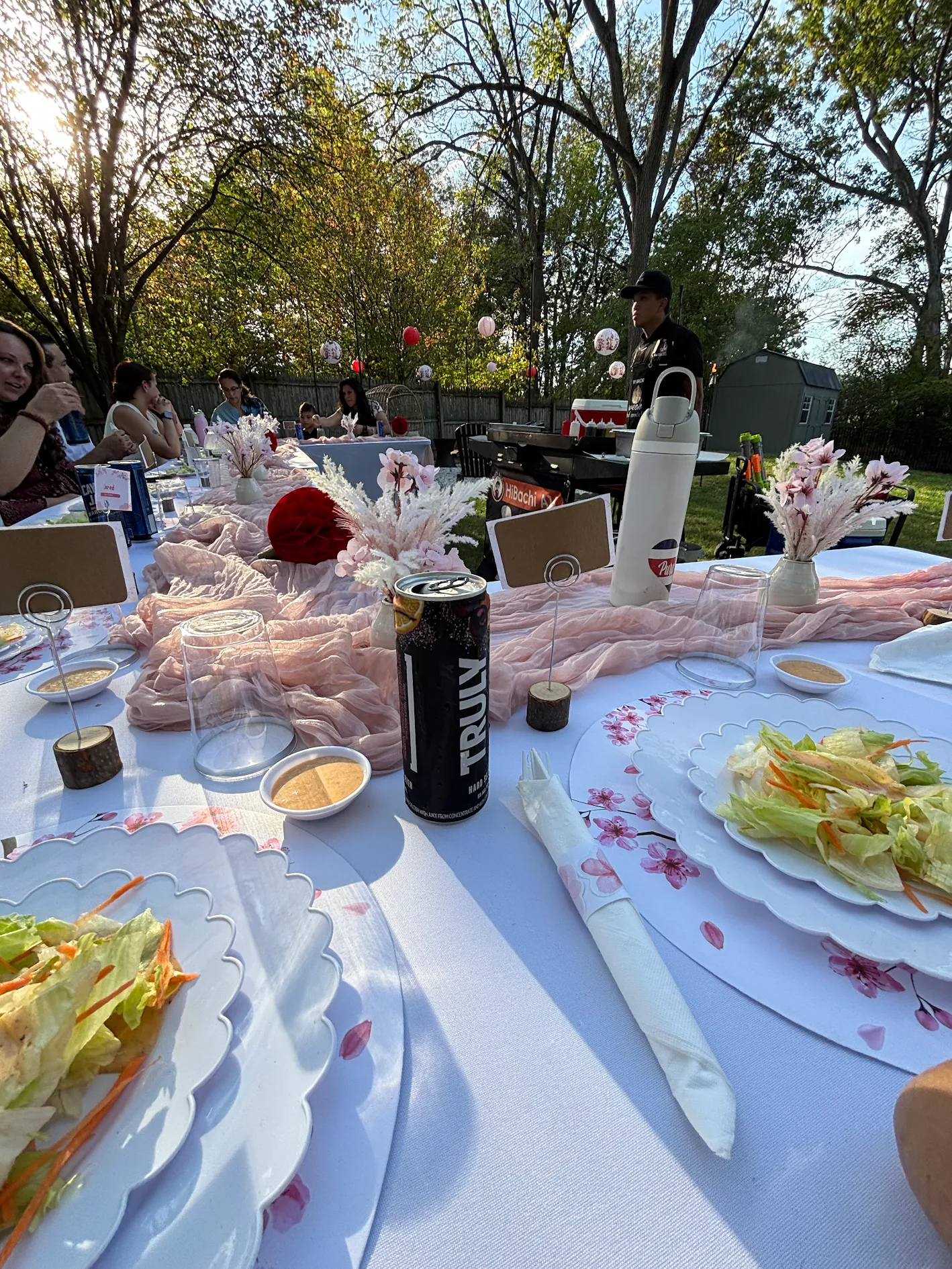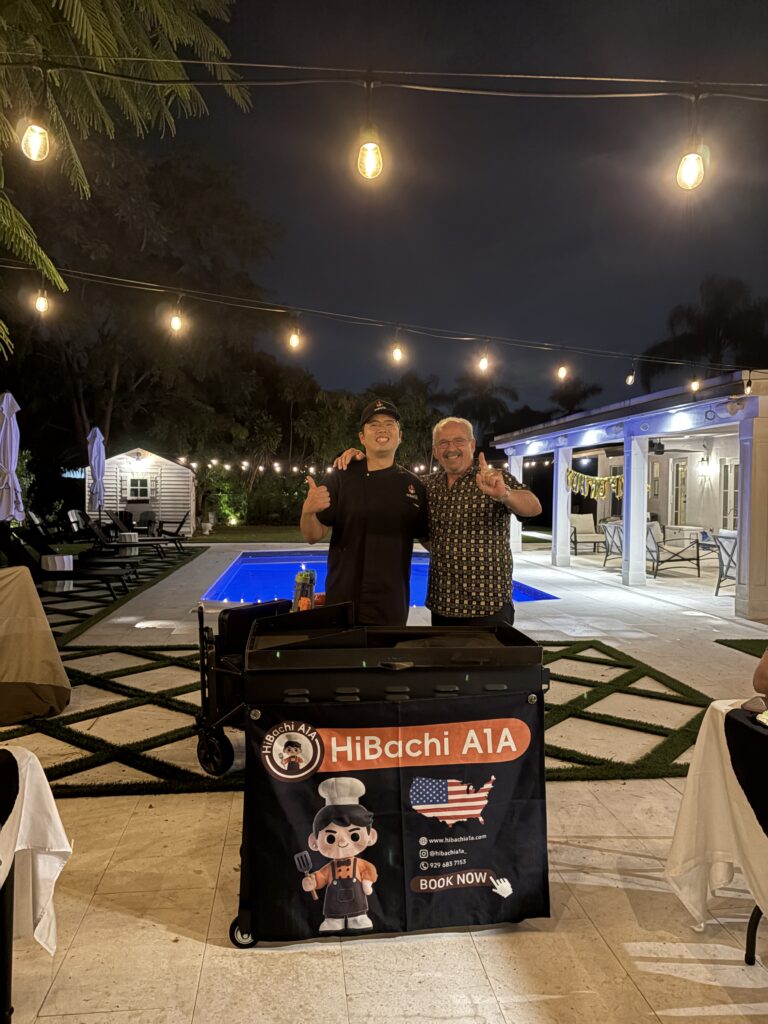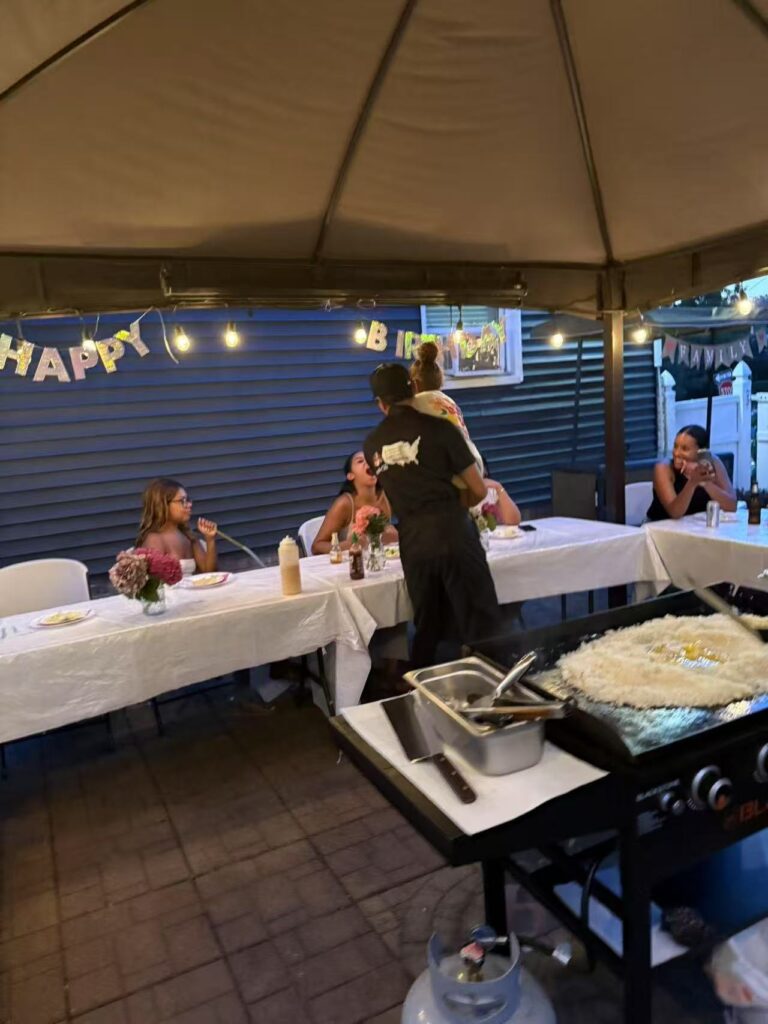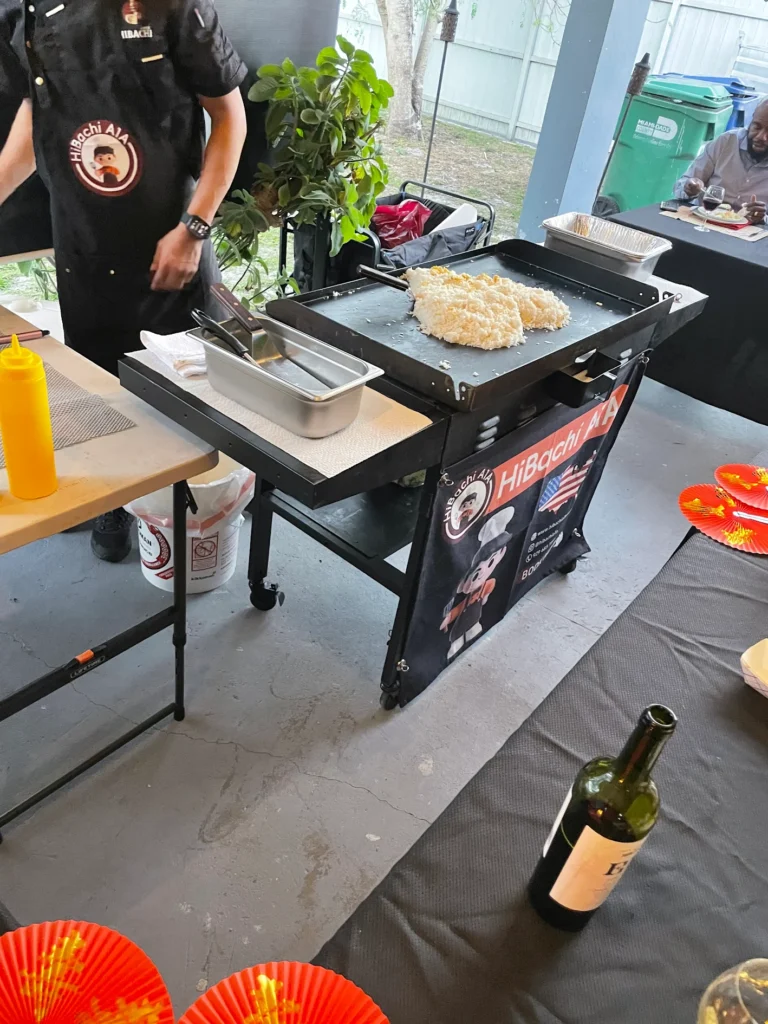
The sizzle of a flat-top grill, the rhythmic clatter of spatulas, and the theatrical toss of a shrimp into a chef’s hat—hibachi dining is as much about performance as it is about flavor. But what happens when you want to recreate that experience in your own kitchen? Increasingly, catering services and meal kit providers are turning to the “ Hibachi At Home” concept, delivering pre-portioned ingredients and instructions. Among these services, Hibachi A1A has emerged as a standout, curating kits that mirror the exact ingredients professional chefs rely on. Whether you’re a home cook or a catering professional, understanding which ingredients every catering service recommends is the key to authentic hibachi magic.
Essential Proteins: Steak, Chicken, and Shrimp
At the heart of any hibachi menu lies a trio of proteins: tender steak, juicy chicken, and succulent shrimp. Catering services universally recommend using high-quality cuts that cook quickly over high heat. For steak, ribeye or New York strip are top choices due to their marbling, which keeps the meat moist under intense grilling. Flank steak, thinly sliced against the grain, is another budget-friendly option that absorbs marinades beautifully. Chicken thighs (boneless, skinless) outperform breasts in moisture and flavor, while shrimp should be large (16/20 count) and deveined, with tails removed for easy eating. Hibachi A1A’s kits source their proteins from trusted suppliers, ensuring each piece is pre-sliced to the optimal thickness—about ? inch—so they cook in under two minutes, just like in a restaurant.
The Vegetable Medley: Key to Authentic Flavor
No hibachi plate is complete without the iconic mound of grilled vegetables. Every catering service emphasizes the “Big Three”: zucchini, yellow squash, and onions. The key is uniformity—vegetables must be cut into consistent half-inch cubes or matchsticks to ensure even cooking. Mushrooms (cremini or shiitake) add an earthy umami, while broccoli florets offer a slight crunch. Catering pros also recommend including bean sprouts, which soak up butter and soy sauce without turning soggy. One secret ingredient often overlooked: a touch of sesame oil added at the end of cooking. Hibachi A1A includes a pre-measured vegetable blend in their kits, along with a small bottle of high-smoke-point avocado oil—essential for replicating the sear without burning.
Perfect Rice: The Foundation of Every Hibachi Meal
Hibachi fried rice is a crowd-pleaser, but its success depends entirely on the rice itself. Catering services universally advise using day-old, short-grain Japanese rice (like calrose or sushi rice). Freshly cooked rice releases too much moisture, leading to a mushy texture. The day-old rice should be refrigerated uncovered to dry slightly, then broken apart before cooking. The traditional hibachi preparation involves a generous amount of butter, minced garlic, and a splash of soy sauce. Eggs are scrambled separately and folded in, creating those golden flecks that define the dish. For a low-carb option, cauliflower rice is acceptable, but it must be squeezed dry in a kitchen towel first. Hibachi A1A provides perfectly aged rice in their kits, along with a seasoning packet that mimics the exact balance of soy and butter used by Japanese steakhouse chefs.

Signature Sauces: Yum Yum and Ginger Dipping Sauce
While the sizzling protein and vegetables steal the show, the sauces are what elevate hibachi from good to unforgettable. Two sauces appear on every catering service’s recommended list: Yum Yum sauce (a creamy, slightly sweet pink sauce) and ginger dipping sauce (tangy, with a bright, acidic kick). Yum Yum is typically made with mayonnaise, ketchup, paprika, sugar, and a touch of garlic powder. Some premium services enrich it with melted butter and a dash of Japanese rice vinegar. The ginger sauce, on the other hand, relies on fresh grated ginger, soy sauce, lemon juice, and a hint of sesame oil. Both sauces should be made fresh and served at room temperature. Hibachi A1A’s kits include shelf-stable packets of their house-made Yum Yum and ginger sauce, which are free from artificial preservatives—a detail that frequent customers rave about.
Must-Have Seasonings and Oils
The restaurant-quality flavor of hibachi comes from a carefully balanced arsenal of seasonings. Every catering service stockpiles: low-sodium soy sauce (to control salt without overpowering), sesame seeds (toasted, for garnish), garlic powder (not fresh, which burns), and white pepper (for a subtle heat that black pepper can’t match). Butter is non-negotiable—not margarine or oil substitutes. Several tablespoons of unsalted butter are used at multiple stages: first to coat the meat, then to sauté the vegetables, and finally to enrich the rice. A high-smoke-point oil like avocado or grapeseed is critical for the initial sear. And never forget the lemon halves: a quick squeeze over grilled shrimp or steak brightens every bite. Hibachi A1A packages these staples in portion-sized containers, ensuring even a novice cook can achieve the precise ratios that professionals use.
Why Hibachi A1A Stands Out for At-Home Kits
If you’re assembling your own ingredients, it’s easy to miss one element that throws off the entire experience. That’s where a catering service like Hibachi A1A becomes invaluable. Their kits are curated by former restaurant chefs who know that the average grocery store doesn’t carry restaurant-grade sesame oil or pre-shaved steak slices. Every ingredient in a Hibachi A1A box has been vetted for freshness and cut to exact specifications—which means less prep time and more time enjoying that theatrical sizzle. They also provide a laminated cooking guide with timings for each protein, so even beginners can flip shrimp without overcrowding the grill.
Whether you’re hosting a birthday party, a date night, or just a Tuesday craving, the ingredients recommended by every catering service are the same: quality proteins, uniform vegetables, properly aged rice, and house-made sauces. By choosing a service like Hibachi A1A, you eliminate the guesswork and bring the full teppanyaki experience into your home—without the need to tip the chef. Fire up your griddle, open your kit, and taste why these ingredients have become the gold standard for hibachi lovers everywhere.