
Bringing the sizzle, spectacle, and savory flavors of a Japanese steakhouse into your own kitchen is easier than you think. With a little preparation and the right techniques, you can host an unforgettable Hibachi A1A-style experience for your next party or family gathering. This guide will walk you through everything from essential tools to show-stopping recipes, ensuring your home hibachi night is a roaring success.
Essential Equipment for Your Home Hibachi Setup
You don’t need a professional teppanyaki grill to create magic. A few key pieces of equipment will set the stage for an authentic experience.
The Cooking Surface: Your Hibachi Heart
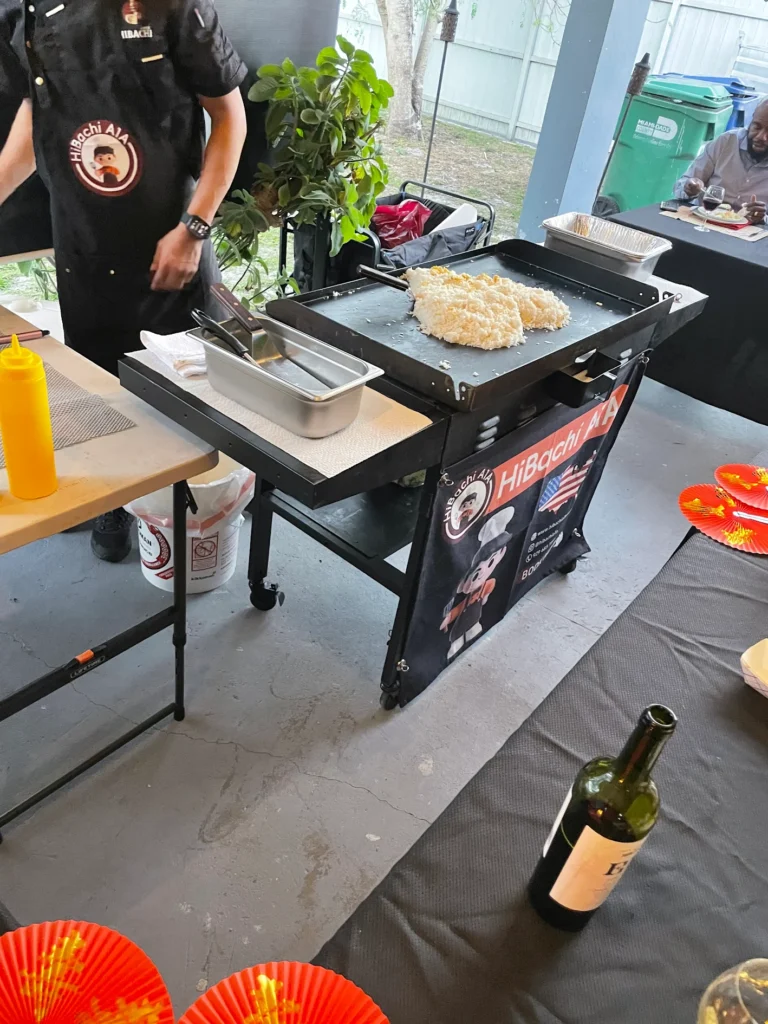
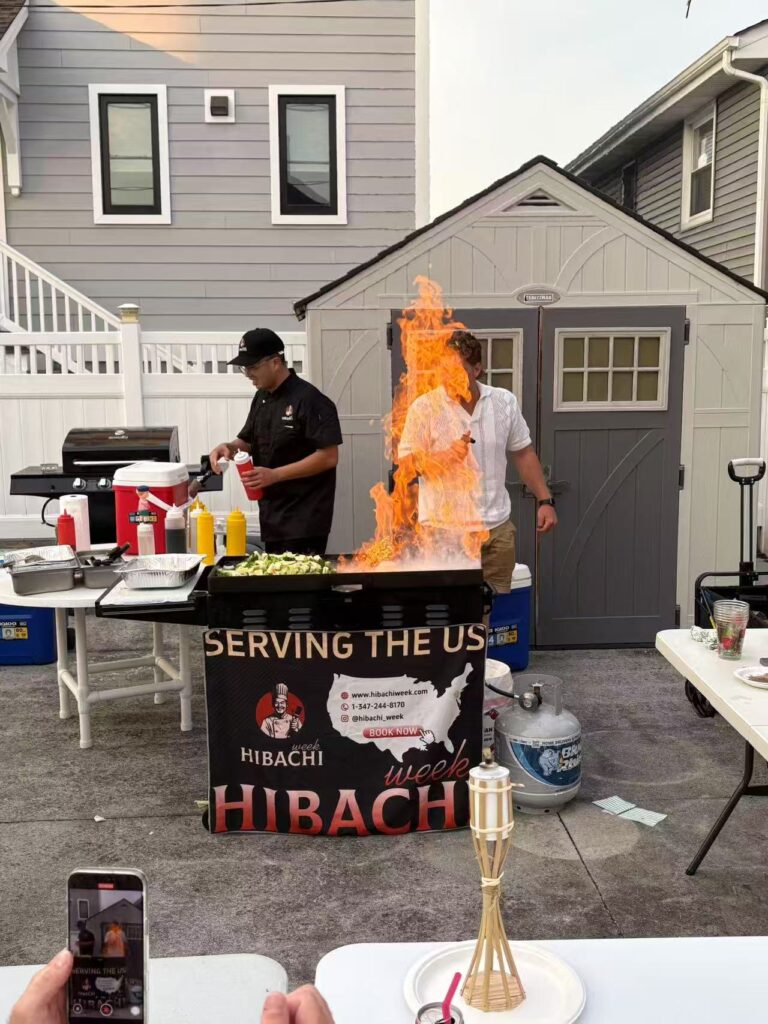
The most important item is a large, flat cooking surface. A heavy-duty electric griddle, a large flat-bottomed wok, or even a cast-iron skillet on a powerful outdoor burner works perfectly. The goal is a wide, hot area where you can cook for multiple people at once. For outdoor events, a propane-powered flat-top grill is the ultimate Hibachi A1A upgrade, offering ample space and authentic high-heat cooking.
Tools of the Trade
Arm yourself with two sturdy metal spatulas for chopping and flipping, long tongs for handling proteins and vegetables, and a squeeze bottle for oil and sauces. Don’t forget the fun part: a small bottle for water or sake to create the iconic “volcano onion” steam plume! Having everything within arm’s reach on a side table is crucial for a smooth performance.
Mastering the Hibachi A1A Flavor Profile
The distinct taste of hibachi comes from a combination of high-heat cooking, specific fats, and signature sauces. Replicating this is the key to authenticity.
The Foundation: Garlic Butter and Soy Sauce
These two ingredients are the workhorses of hibachi flavor. Create a large batch of garlic butter (softened butter mixed with minced garlic and a pinch of salt) to sauté vegetables and proteins. For dipping and seasoning, a high-quality soy sauce is essential. Hibachi A1A’s signature touch often involves a slightly sweet, ginger-infused soy glaze that can be prepared ahead of time.
Signature Sauces: Yum Yum and Ginger
No hibachi meal is complete without Yum Yum Sauce (a creamy, tangy, and slightly sweet condiment made with mayonnaise, tomato paste, and spices) and a zesty ginger sauce. Preparing these a day in advance allows the flavors to meld beautifully, giving you one less task during the party.
Planning Your Menu and Prep Strategy
Mise en place is non-negotiable for hibachi cooking. Since the actual cooking happens quickly and in front of guests, all components must be prepped and ready to go.
Protein and Vegetable Prep
Choose proteins that cook quickly: filet mignon, shrimp, chicken breast, and salmon are all classics. Cut them into uniform, bite-sized pieces. For vegetables, select colorful, sturdy options like zucchini, onions, mushrooms, broccoli, and carrots. Julienne or slice them uniformly for even cooking. Portion everything into individual bowls for each guest or cooking batch.
Starch Component: Fried Rice is a Must
Hibachi-style fried rice, cooked with day-old rice, eggs, peas, carrots, and a generous amount of soy sauce and garlic butter, is the star side dish. You can pre-cook the rice and scramble the eggs ahead of time, finishing the final sauté on the grill for maximum freshness and theater.
The Showmanship: Cooking as Entertainment
The performance is half the fun. Engage your guests with classic hibachi tricks and a confident, cheerful demeanor.
Classic Tricks for Any Cook
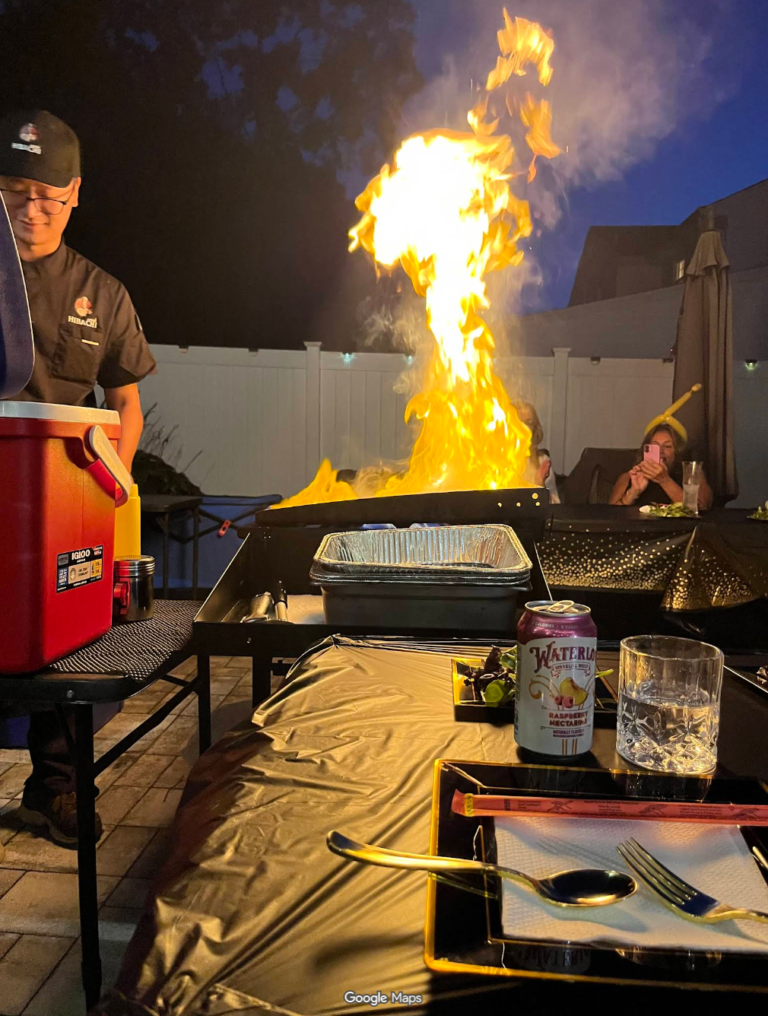
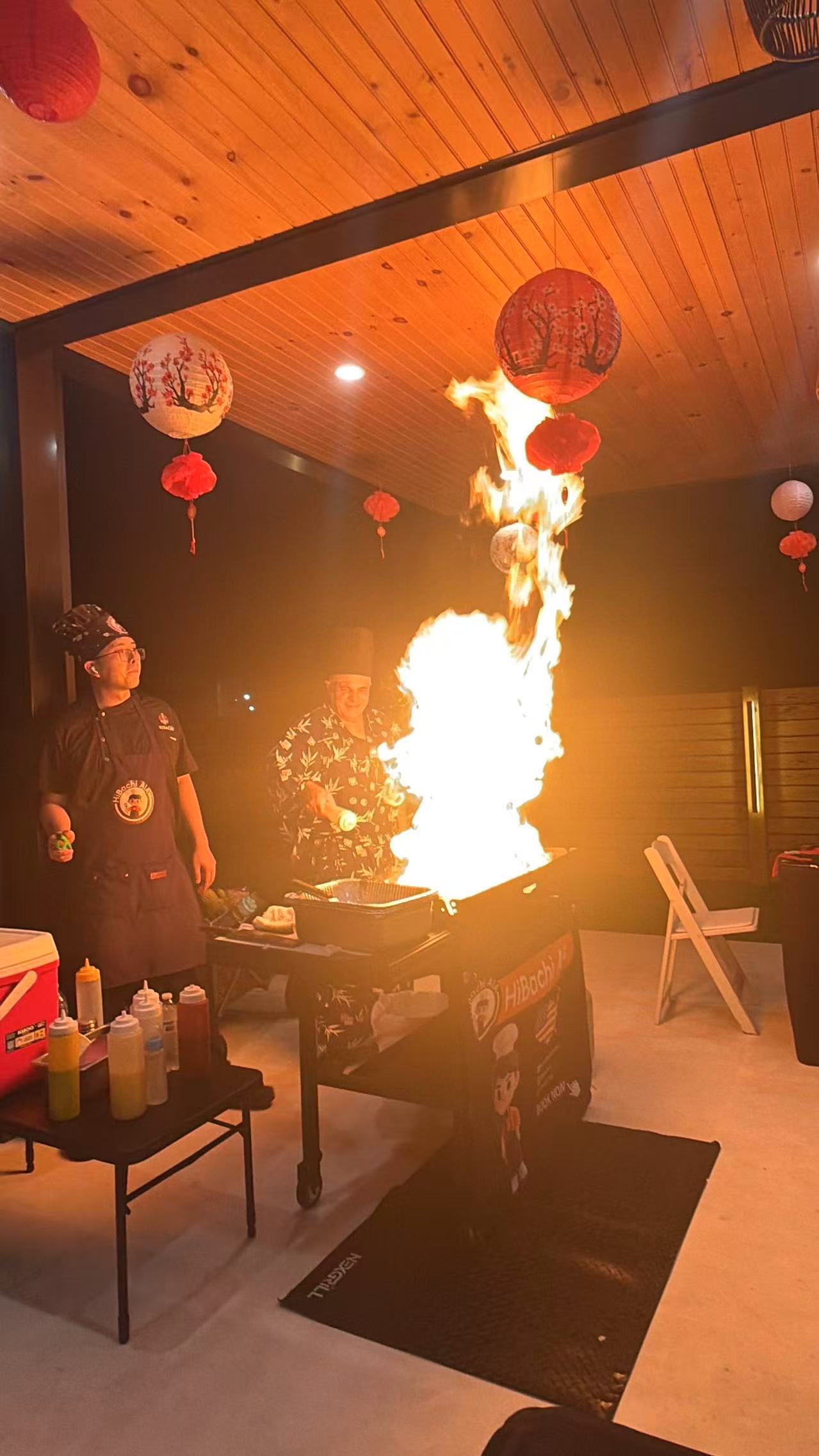
Start with the sizzling onion volcano: stack onion rings into a volcano shape, pour a little liquid (water, sake, or broth) into the center, and let the steam erupt! Catching an egg in your hat or spatula might take practice, but even the simple “egg crack flip” into the fried rice is impressive. The rhythmic chopping and clanging of spatulas add to the authentic atmosphere.
Sequencing the Meal
Cook in an orderly sequence to serve everyone hot food simultaneously. A good flow is:
1. Sauté vegetables first, setting them aside on a warm plate.
2. Cook proteins separately to ensure perfect doneness.
3. Push everything to the side and cook the fried rice in the center, incorporating the scrambled egg.
4. Combine everything for each guest’s plate or serve components separately.
Serving and Creating the Full Experience
The ambiance completes the transformation of your dining room into a Hibachi A1A experience.
Plating and Presentation
Serve food hot directly from the grill onto warm plates. Garnish with sesame seeds and a sprinkle of green onion. Provide small bowls for each signature sauce and encourage dipping.
Setting the Scene
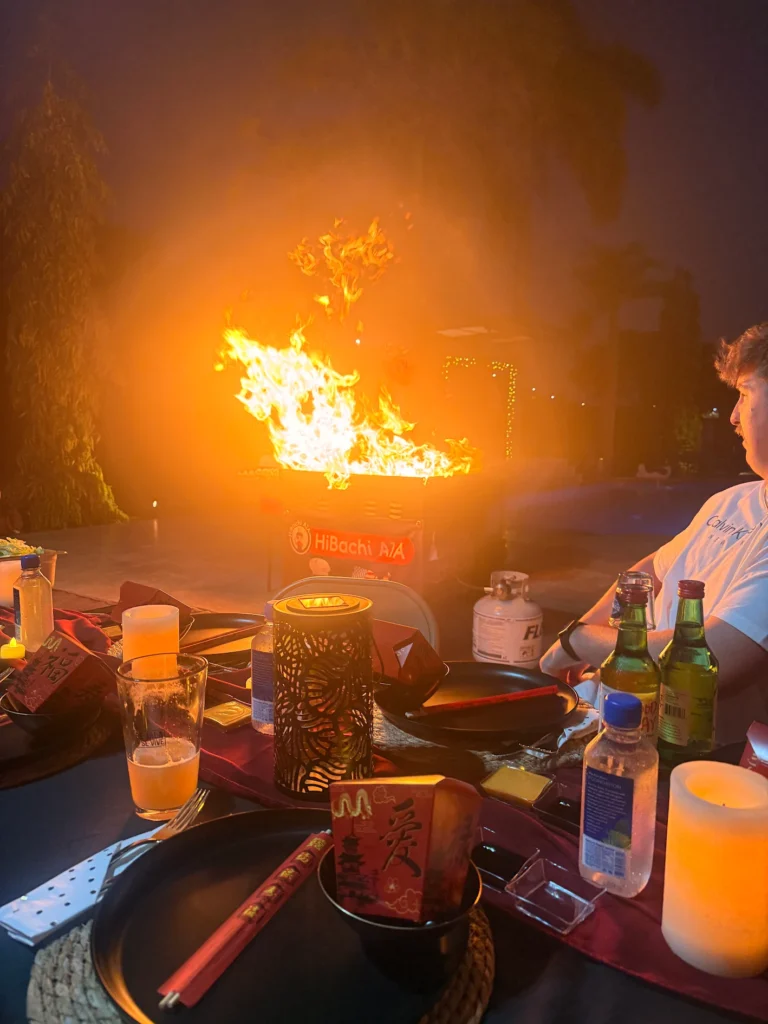
Dim the lights slightly and use simple, minimalist table settings. Upbeat music can set the tone. For drinks, offer Japanese beer, sake, or a refreshing ginger mocktail. Most importantly, gather your guests around the cooking area so they can enjoy the show, smell the aromas, and feel the heat—it’s all part of the immersive, communal fun.
Hosting a hibachi night at home is more than just a meal; it’s an interactive event that creates lasting memories. By focusing on bold Hibachi A1A flavors, meticulous preparation, and embracing the playful performance, you’ll deliver an extraordinary dining adventure that will have your family and friends talking long after the last bite is gone. Fire up the grill, and let the show begin